

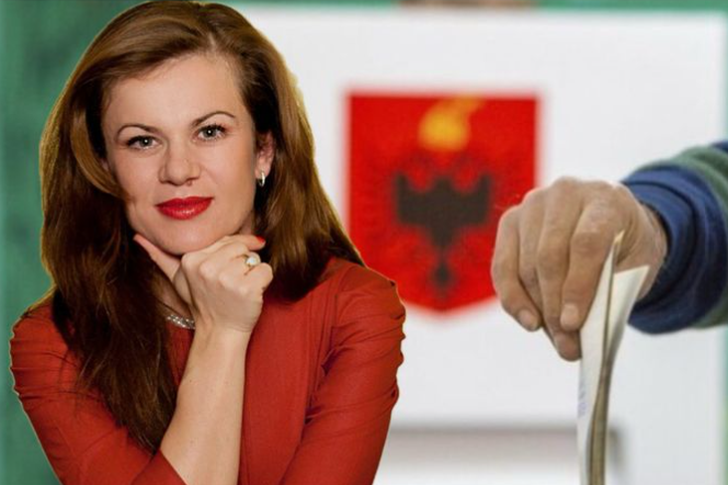
By Brikena Kasmi/Electoral crime in Albania
Yesterday, SPAK's strategy for the fight against electoral...


“Modern democracy is unthinkable without political parties.” Although Albania is not a true democracy, political parties are at the foundation of our political system. But even three and a half decades after the fall of communism, they remain the least changed institution in the country—as they once were, all controlled entirely and personally by their leaders.
Efforts to democratize these parties have been few and partial so far. The two most serious approaches have occurred in recent years, one pushed by several new parties and the other by the Democratic Party.
New parties have proposed open electoral lists. Their argument is straightforward: party “chairmanocracy”—total control of parties by chairmen—stems from the fact that they decide the order of candidates on electoral lists; therefore, opening the lists will eliminate autocracy.
Control over the lists is undoubtedly a source of power for mayors, but their autocracy predates 2008, when the proportional system with party lists was introduced. For this reason, no cause-and-effect relationship can be established between them. Supporters of open lists also overlook an important fact: lists are not truly 'open' even if they are open. Voters can choose among the names on the list who becomes an MP, but the names on the list are decided by the mayors. If the mayors include people loyal to them, as always happens, voters are simply left with choosing among the mayor's loyalists. Therefore, even with open lists, the power of the mayors will remain: by controlling the composition of the list, the mayors control the party.
If party democracy were to be achieved simply through the electoral system, the most democratic system would be the majoritarian one—where citizens vote only for candidates and not for parties. But this voting method (which would not be enough to stop party autocracy) is not required by any political force.
The second approach to democratization is that of primaries embraced by the Democratic Party: in a few days, the DP will hold primary elections for the first time to elect candidates for deputies.
Primaries are an American practice that, with few exceptions, has not found application outside the United States. Even the way the primaries are being conducted in the Democratic Party is far from American practice: without sufficient time for the disclosure of candidacies, without clear rules and the necessary infrastructure for equal competition, as well as with exceptions from the competition—political leaders are pre-selected without a vote. Under these conditions, those who are closest to the leaders are favored in the primary elections. Therefore, the approach of the primaries will not bring any practical weakening of the role of the leader of the Democratic Party.
Edhe pse të nxitura nga praktika perëndimore, të dyja qasjet e mësipërme anashkalojnë mekanizmin kryesor me të cilin partitë perëndimore parandalojnë autokracinë partiake: ndryshimin e udhëheqësit të partisë dhe qarkullimin e elitave drejtuese. Në fakt në praktikën perëndimore, kompetencat e udhëheqësit të partisë janë zakonisht të mëdha dhe demokracia partiake nuk sigurohet nga kufizimi i tyre, por nga mekanizmat efikasë për largimin e rregullt të udhëheqësit.
Udhëheqësve u jepet dorë e lirë për të drejtuar partinë me vizionin dhe vullnetin e tyre, por nëse ata dështojnë ta çojnë partinë në sukses, ata largohen lehtësisht. Pikërisht, është fuqia për të shkarkuar udhëheqësin çelësi që parandalon autokracinë partiake dhe garanton llogaridhënien e meritokracinë në partitë perëndimore. Mekanizmat për largimin e udhëheqësve janë të shumëllojshme, përfshi standardin tradicional, dorëheqjen e detyrueshme pas dështimit zgjedhor, votën e mosbesimit në forumet drejtuese, të drejtën për të sfiduar udhëheqësin me votim në çdo kohë, etj.
Pushteti i udhëheqësve në Shqipëri buron nga siguria se ata nuk largohen nga drejtimi në asnjë rrethanë, as kur dështojnë në zgjedhje. Për këtë arsye, mos bindja apo kundërshtimi i tyre është zgjedhje humbëse për këdo që synon të bëjë karrierë politike.
Ndonëse nuk u reflektua ndonjëherë, burimi i krizës dhe pasojave të saj destabilizuese në PD nuk ishte vendimi i Zotit Basha për të larguar Zotin Berisha nga grupi parlamentar. Burimi i krizës ishte rizgjedhja unanime e Zotit Basha në krye të PD-së, menjëherë pasi ai e kishte drejtuar PD-në në humbjen e katërt rresht. Demokratët ishin të dërrmuar dhe të pashpresë për të ardhmen me të, por ata përsëri nuk guxuan ta largojnë atë nga mëndësia se udhëheqësi nuk largohet kurrë apo besimi i rremë se nuk gjenin një tjetër më të mirë apo për çfarëdo arsye tjetër.
Një nga ngjarjet më pak të folura por me më shumë ndikim në rrjedhën e politikës post-komuniste shqiptare është mos lënia e postit të kryetarit të PS-së nga Zoti Rama pas humbjes së zgjedhjeve të vitit 2009. Edhe pse e kishte sanksionuar vetë në statutin e PS-së dorëheqjen e kryetarit që humbet zgjedhjet, pas humbjes Zoti Rama e “interpretoi” këtë kusht jo si dorëheqje nga vazhdimi i të qenit kryetar, por si xhest formal për të rikandiduar përsri. Kështu, ai u dorëhoq formalisht, rikandidoi dhe e rimori kreun e PS-së pa e lëshuar asnjë çast praktikisht.
Pas këtij zhvillimi, u bë udhë që humbësi nuk largohet—mjafton të justifikohet se zgjedhjet nuk ishin të lira dhe me këtë pretendim të mos e lëshojë kreun e partisë. Edhe pasi humbi zgjedhjet për Bashkinë Tiranë më 2011, Zoti Rama qendroi kryetar i PS-së. Njësoj, Zoti Basha nuk dha dorëheqje formale pas humbjeve më 2017 e 2021 por rikandidoi dhe u rizgjodh menjëherë në votime formale, pa garë të vërtetë.
With the exception of Mr. Nano in 2005, no party leader has resigned in three and a half decades of pluralism. (Mr. Berisha's resignation in 2013 was considered a formal, but not a factual, withdrawal from the leadership of the DP.) None of the other smaller parties has changed their leader in three and a half decades (except for 2-3 cases for health reasons or death). Mr. Nano's resignation remains the exception that proves the rule: Albanian party leaders hold the chair forever.
To put Albanian practice in context, since 1991, when Mr. Berisha was first elected leader of the DP, the British Conservative Party, sister party to the DP, has changed 10 leaders, an average of one every 3 years or less. Since 2005, when Mr. Rama came to lead the SP, the British Labour Party, sister party to the SP, has changed 6 leaders, again an average of one leader every 3 years or less.
Meanwhile, it seems that none of the Albanian parties are concerned about the autocratic leadership model. Significantly, even the new parties created in contrast to the old parties have all embraced the same autocratic model.
One thing is clear, the autocratic party model is transferred to governance. Therefore, improving democracy and governance is impossible without improving party democracy. Adapting the motto at the beginning of this article, democracy in Albania is unthinkable without having democratic parties.

Yesterday, SPAK's strategy for the fight against electoral...
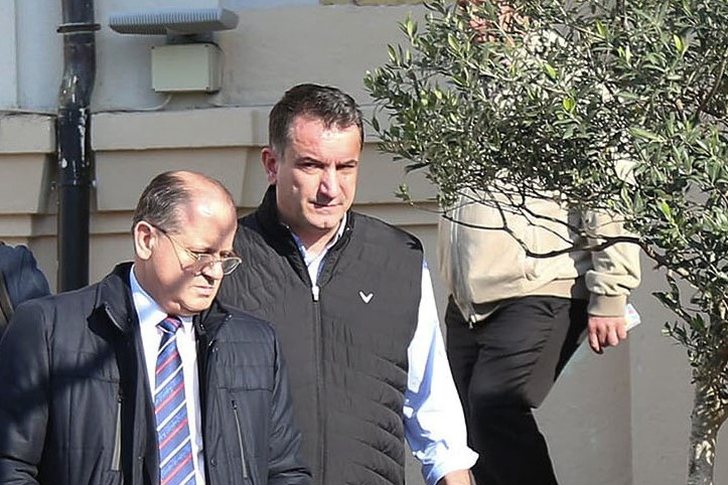
The arrest of the mayor of Tirana has highlighted frighten...

This is why SPAK prosecutors are on a heroic mission by cr...
By Baki Rexhepi The main objective of this “war” seems to...
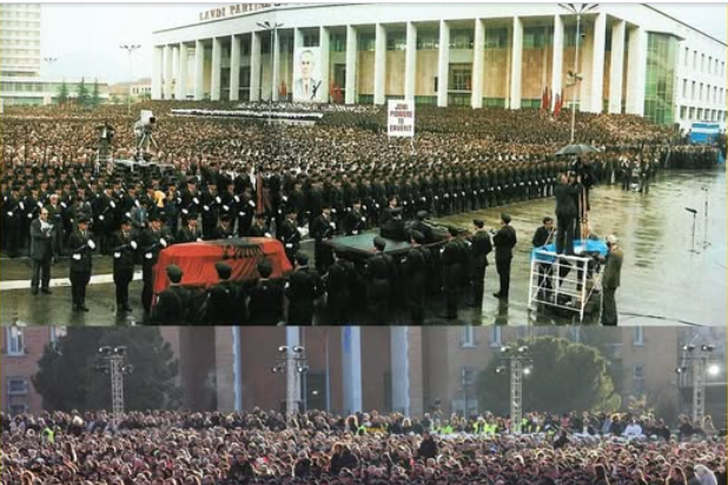
The square that said goodbye to the dictator 34 years ago!...
by Armand Shkullaku It sounds unbelievable, but Edi Rama,...
The arrest of Mayor Erjon Veliaj has produced a political ...
Journalist for Rilindja, Baton Haxhiu, in an article of hi...
I hear more and more often a discourse where it is said th...

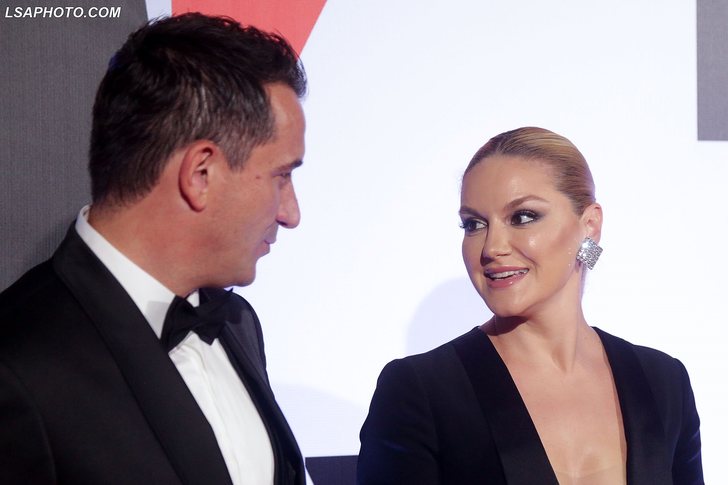
Only this Carolina Herrera dress from the 2018 collection,...
Andi Bushati në një shënim të tij te Lapsi.al, që mund ta ...
The mayor of Tirana continues to write his usual lies from...
The GJKKO press release proving that the police have refus...
Mayor Erion Veliaj reacted with a status saying, "Let them...
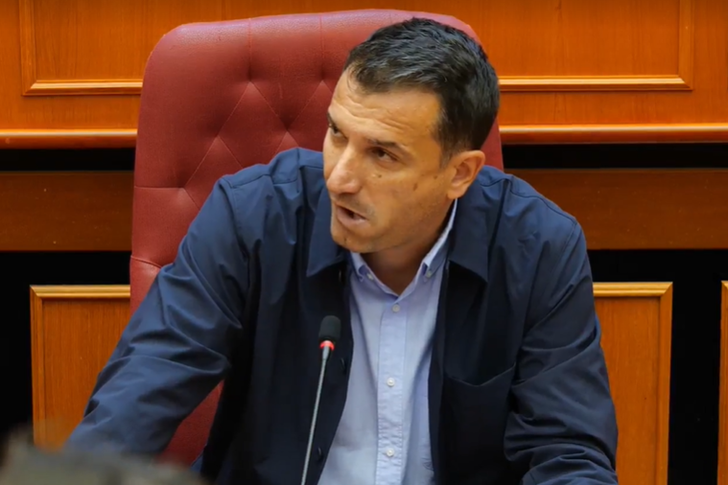
A small clarification for the collective hysteria that the...
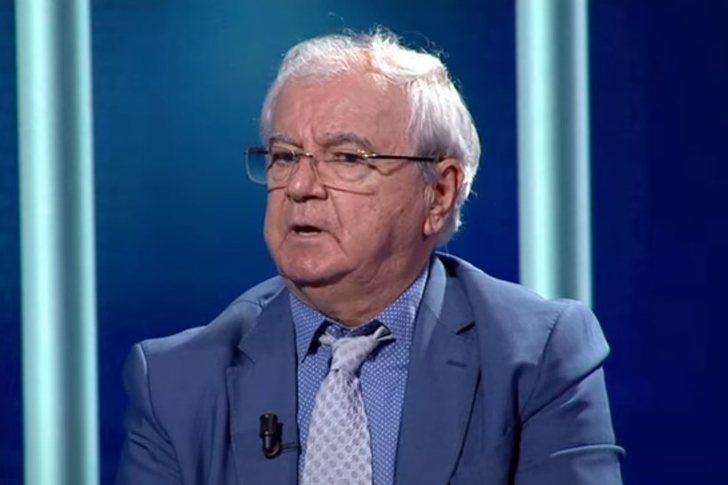
By Spartak Ngjela As you can see, the investigated polit...

Luiza Gega, Çiljeta Xhilaga, Roland Hysi and others should...
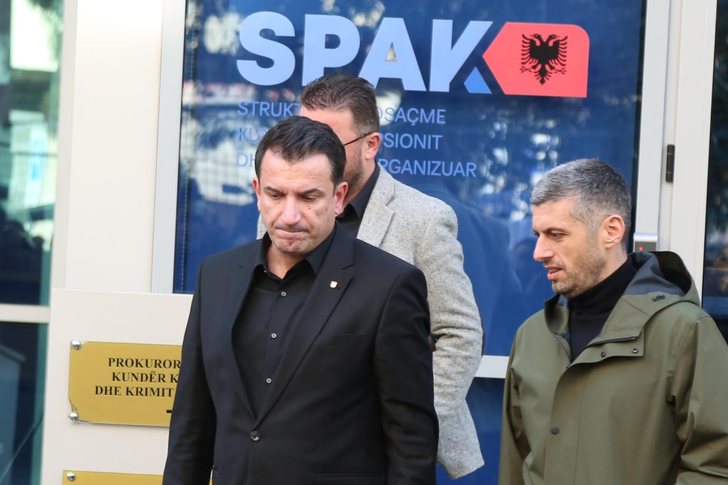
In recent days, the introduction as the Democratic Party's...
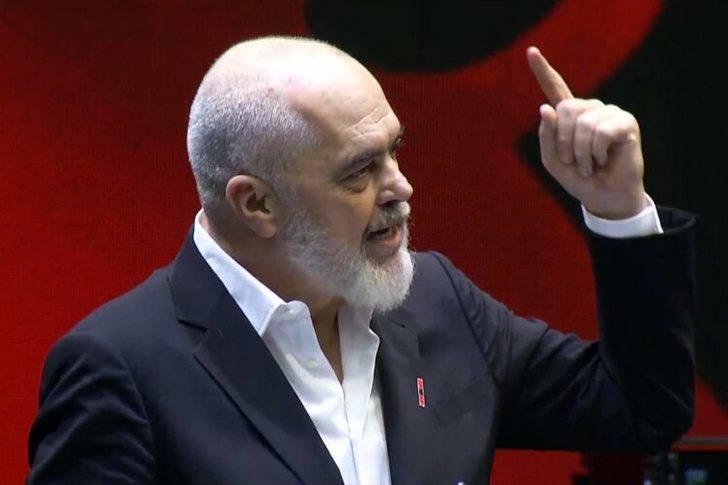
The Prime Minister has made several speeches in the last 2...
By Afrim Krasniqi The Prime Minister has made several spe...
CNA has put under scanner the assets of Sokol Sadushi, the...
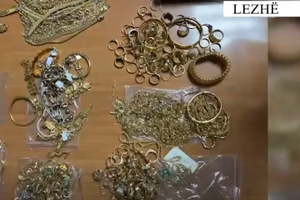
A 39-year-old citizen has been arrested in Lezha, after se...

CNA has launched another investigation that could lead to ...

Irfan Hysenbelliu is a businessman that we call "Irfan the...

The Special Board of Appeal (KPA) decided this Monday ...

The KPA vetting decided this Thursday to dismiss the p...

Suela Salavaçi, a prosecutor in the Prosecutor's Offic...

The Special Board of Appeal reinstated the prosecutor ...
Police have revealed details of the incident that occurred...
According to preliminary information, a person in his 60s ...
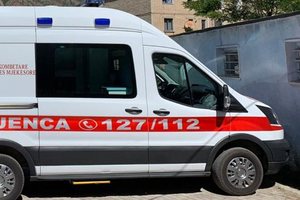
A triple accident occurred on the Peqin-Elbasan axis n...
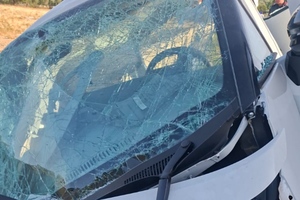
The police have provided details regarding the accident th...

The public sector took the lead in absorbing the workforce...
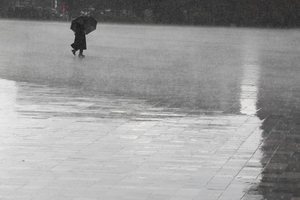
Today, our country will be under the influence of unstable...
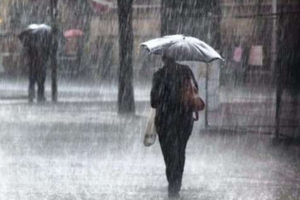
The Institute of Geosciences has today shared a forecast r...
Company leaders can improve productivity by investing in a...
Oil prices fell in early trading on Monday, falling furthe...
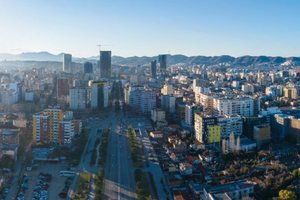
Although Albania does not have a developed industry on the...
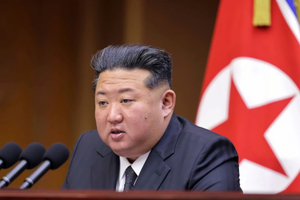
North Korea is said to have achieved some impressive resul...

US Ambassador to the United Nations, Mike Waltz, said toda...
Two windows, a century of history and the metaphysics of p...
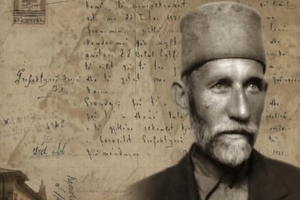
In my research at the Central State Archives, specifically...

At a time when industrial products are increasingly taking...

Trust among people is not just a three-syllable word. It c...

After strong savings growth in the years following the pan...

This Monday, one US dollar is bought for 81.5 lek and sold...

This Sunday, one US dollar is bought for 81.5 lek and sold...

This Saturday, one US dollar is bought for 81.7 lek and so...