

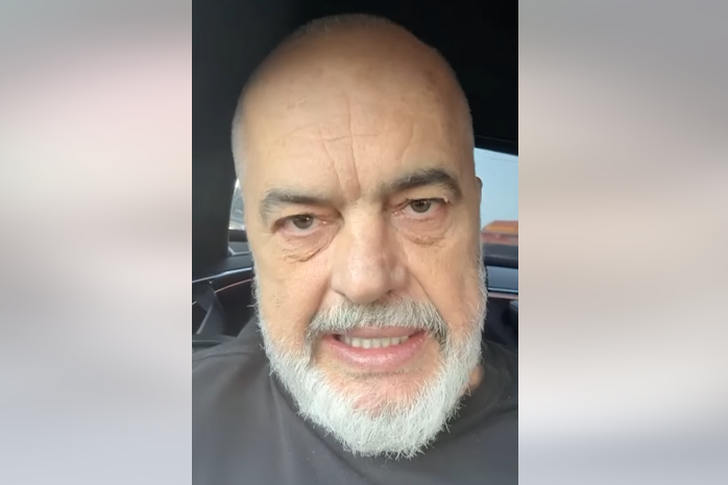
The affair of the century "crazy" Rama: I would throw you all in the incinerator
The affair of the century, that of the incinerators, has d...



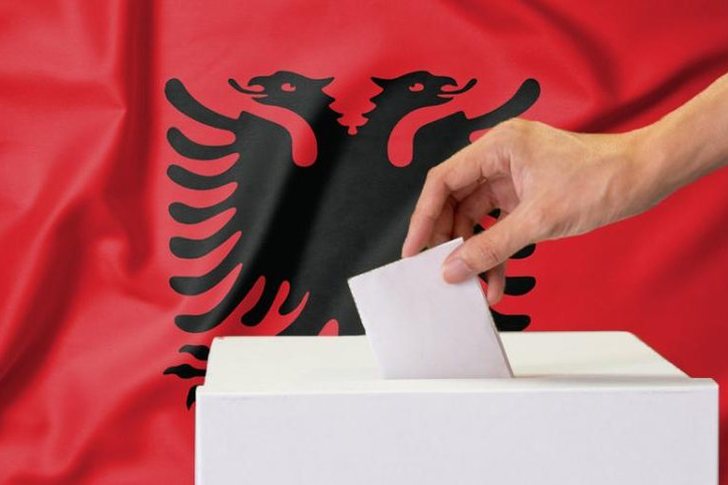
On May 11, Albania goes to parliamentary elections, while the Central Election Commission has registered a total of 53 electoral entities, including 51 political parties and 3 electoral coalitions. Among these parties and coalitions, there are also newly formed parties for these elections, some of them modest in expectations, seeking only a few parliamentary mandates, and other political forces are confident that they can bring about political rotation on May 11.
One of the coalitions is the “Albania Initiative”, led by Adriatik Lapaj. This coalition has faced several accusations since its “conception”. Agron Shehaj, leader of the “Mundësia” Party, (also a recently created party) has accused Lapaj of links to the criminal group “Çopja”. Lapaj has denied these accusations, but others have followed suit. The decision to put his father at the top of the list for the Berat district has drawn criticism for nepotism. Lapaj has also been accused of direct links to George Soros and his “Open Society” foundation.
Another coalition registered for the elections is “Right for Development”, an electoral alliance formed by two parties, the Movement for National Development, led by Dashamir Shehi (founded in 2004) and the Right 1912 Party, led by Enkelejd Alibeaj (created in 2024). This political force has often focused on supporting the fight against corruption that SPAK has waged, a merit that is not in the hands of this political force.
This coalition has also been criticized for the way it selected candidates, as family members of the leaders were included in the lists. Another controversial figure is Enkelejd Alibeaj, a former member of the Democratic Party, who was appointed acting leader of the DP by Lulzim Basha, but never won a direct mandate from the party membership to lead the largest opposition force in the country.
Another political force is the one created by Lulzim Basha, the "Euroatlantic" Coalition. The coalition has been criticized as a project without a clear ideology and Basha has often focused in his appearances on the anti-corruption war that SPAK is waging against political figures, again a battle that is not to the credit of Basha or other political individuals. There has been criticism that the coalition may be more of a "personal initiative" of Basha and Endri Hasa, without a genuine political offer.
Led by Arlind Qori, the “Together Movement” is another new party. Qori has been criticized for dubious financial and political connections, as well as for the possible influence of international organizations on his activities. He has also been accused of being funded by George Soros and his party.
The “Mundësia” party was founded by Agron Shehaj, a former member of parliament for the Democratic Party. It was launched in 2024 with the aim of offering an alternative free from corruption, which according to Shehaj has characterized Albanian politics for 30 years. One of the criticisms that Shehaj has received, including from the leader of the Democrat Party, Sali Berisha, is his refusal to cooperate with other opposition forces, which aims to fragment the opposition alternative facing the Socialist Party. Shehaj, on the other hand, has chosen to run alone in these elections, away from the Democratic Party.
According to the leader of the Democratic Party, Sali Berisha, the new parties aim to "take water to the socialists' fountain."
" No votes for new parties, they were created as Rama's crutches ," Berisha said in his electoral meetings.
Even Prime Minister Edi Rama has often criticized these parties, emphasizing that they only have personal interests and do not focus on citizens.
" Small parties are for small interests. To those little ones who come around, don't forget: Don't water the weeds because they will grow, " Rama said.
The Albanian political "market" is oversaturated with political parties, while in elections, new parties sometimes fail to win a single mandate. Over the years, Albanians have shown that regardless of the programs of new parties, their final choice goes to the old political forces, the Socialist Party and the Democratic Party.
It remains to be seen how these new parties will perform in the May 11 elections. Some of them face the electorate for the first time, despite their leaders having been part of other political forces before./ CNA

The affair of the century, that of the incinerators, has d...
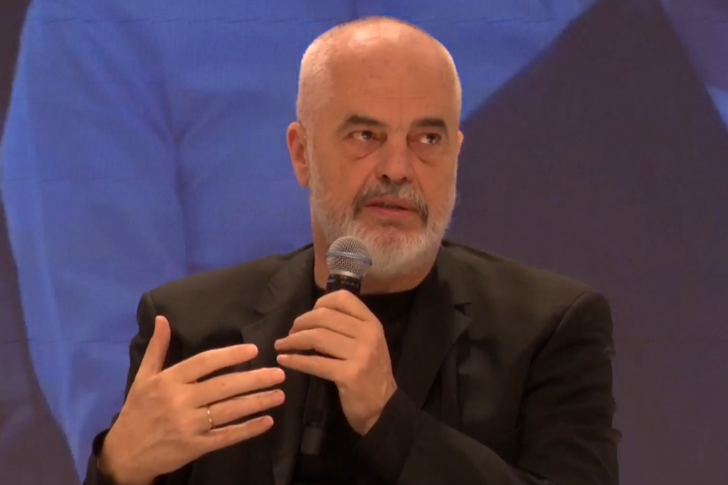
Prime Minister Edi Rama has declared that the DP's $6 mill...
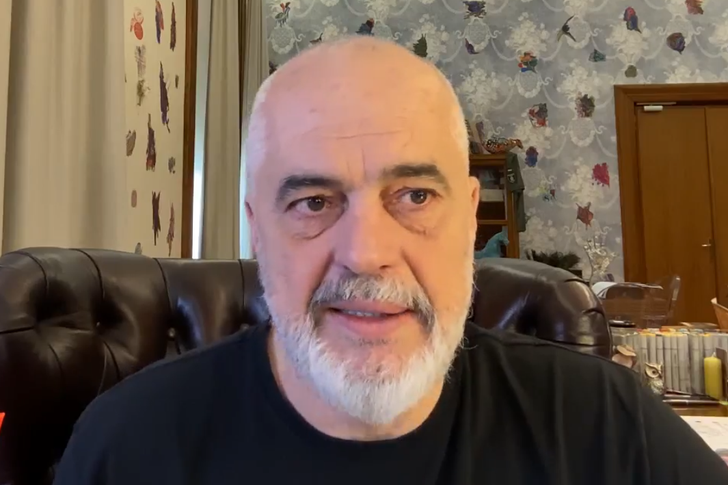
Prime Minister Edi Rama has spoken about the arrest of off...
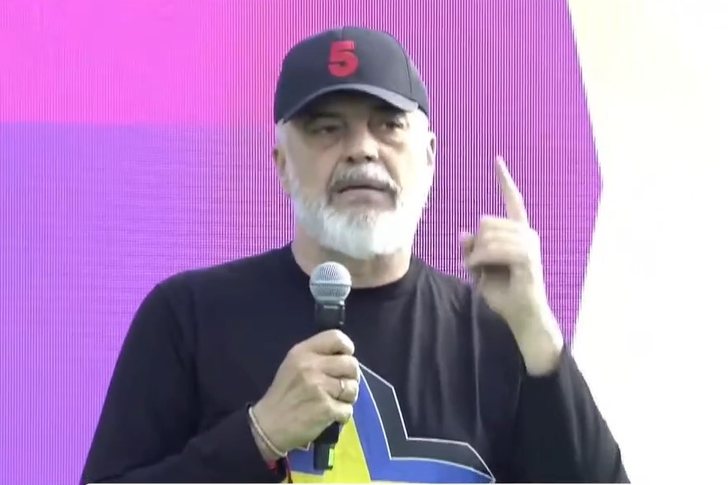
Prime Minister Edi Rama has spoken about the DP's lobbying...
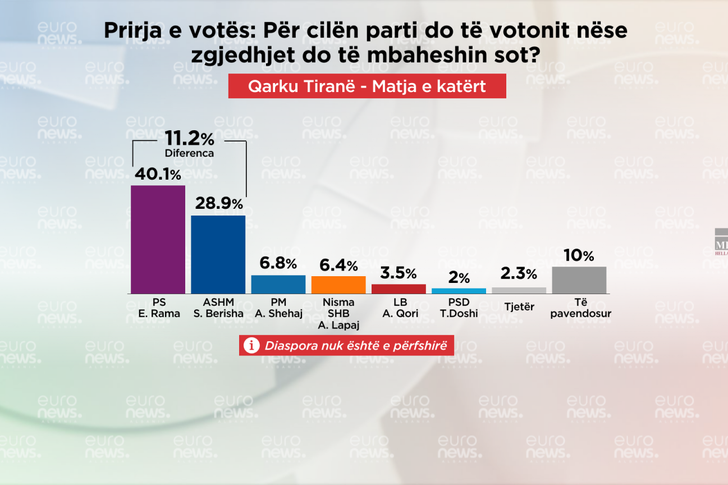
The Euronews Albania Barometer has conducted the final mea...
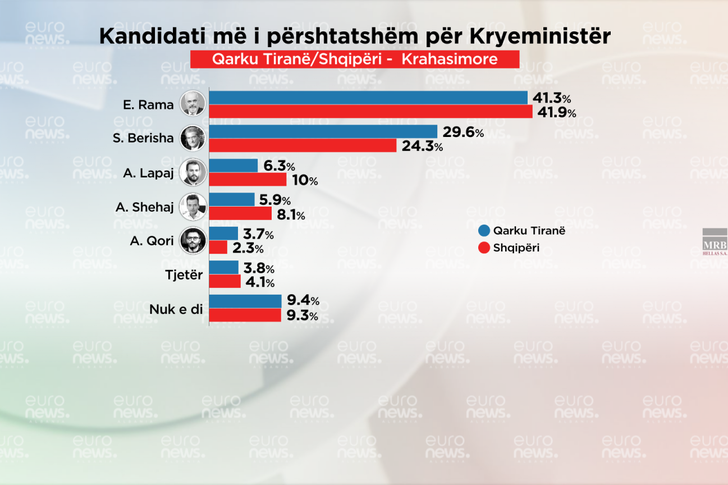
The Euronews Albania Barometer published this Monday the f...
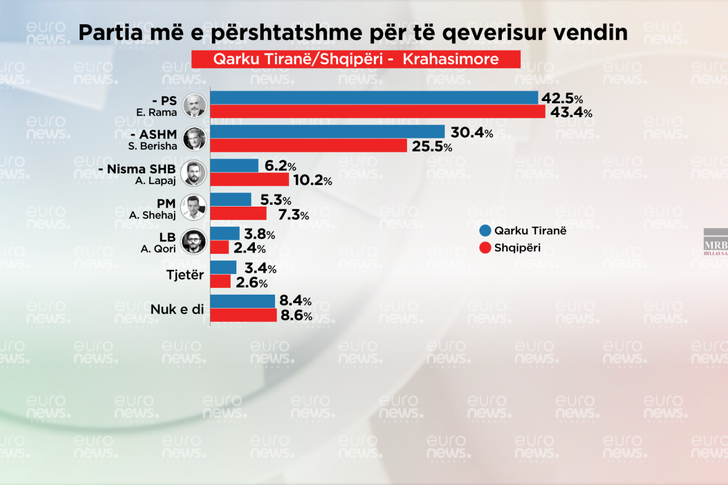
The Euronews Albania Barometer published this Monday the f...
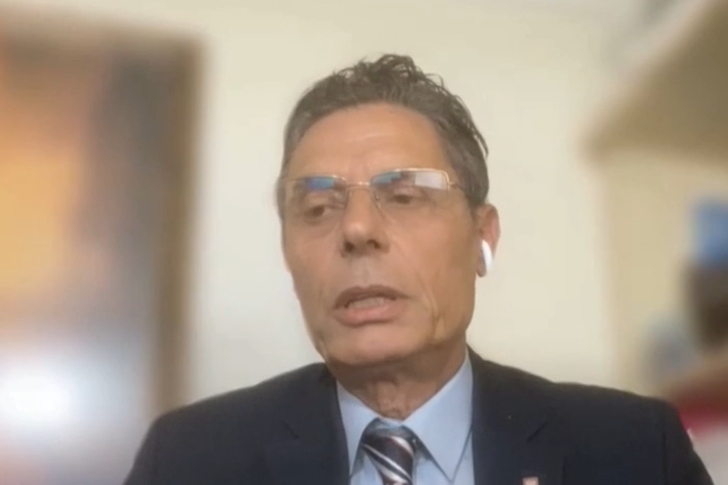
Analyst Fatmir Merkoçi, in an interview with CNA, spoke ab...
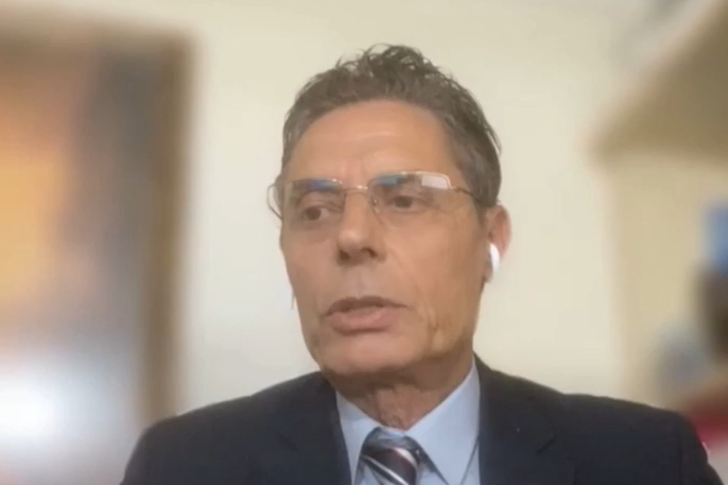
Analyst Fatmir Merkoçi commented on the DP and SP campaign...
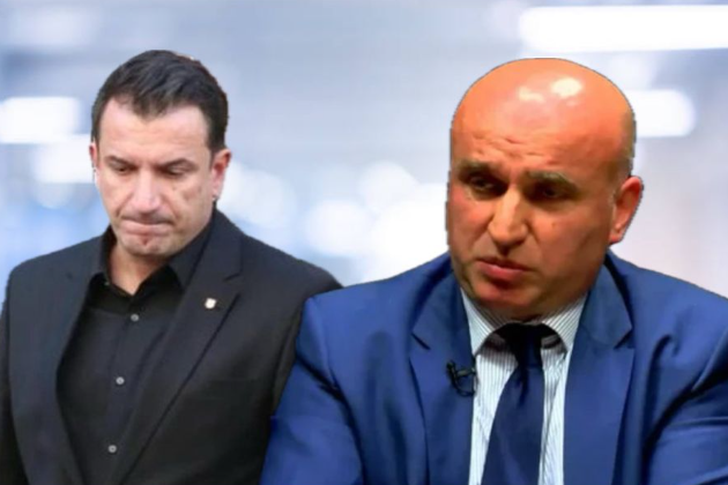
Mero Baze has written an editorial of his own today, alway...
The Euronews Albania Barometer has conducted the final mea...

DP leader Sali Berisha, invited to the Çim Peka live show,...

DP leader Sali Berisha, invited to Çim Peka's show, stated...
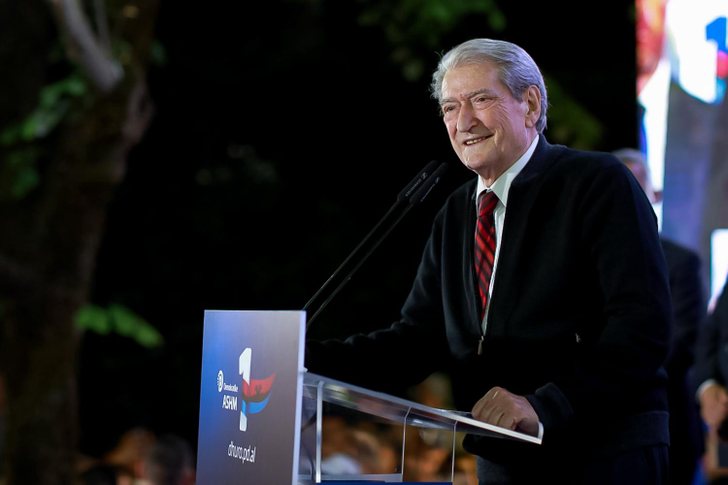
DP leader Sali Berisha mocked Prime Minister Edi Rama at t...
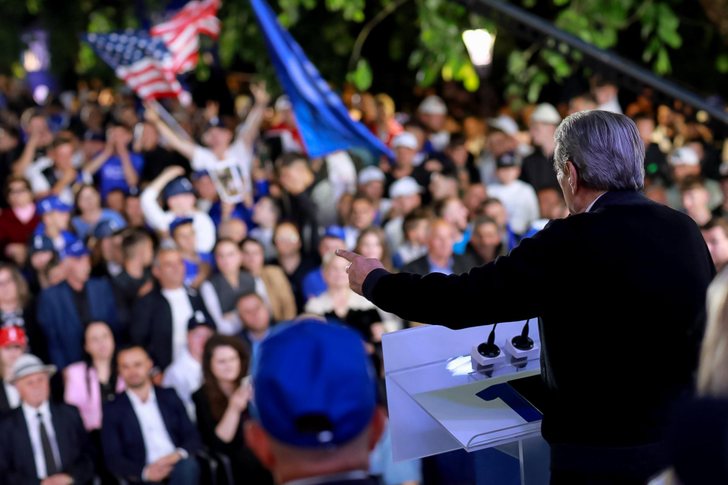
Kreu i PD-së Sali Berisha nga takimi përmbyllës elektoral ...
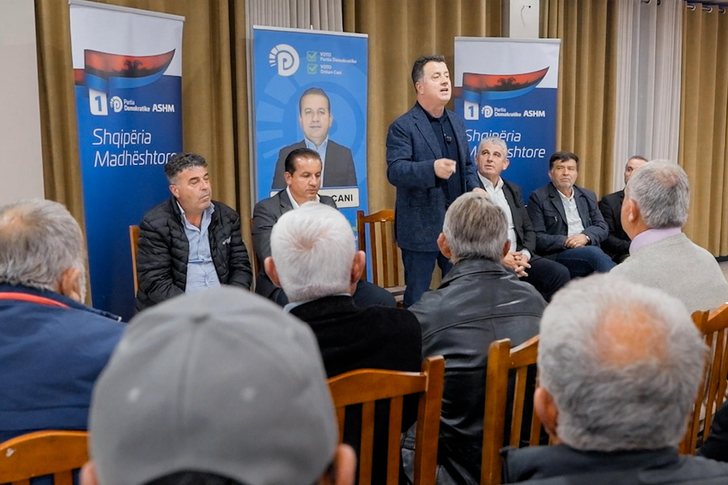
DP Secretary General Flamur Noka has made a public denunci...
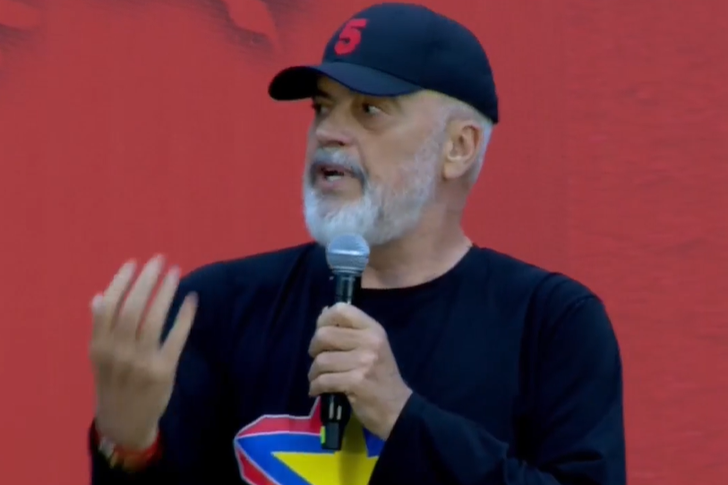
Prime Minister Edi Rama mocked Democratic Party candidate ...
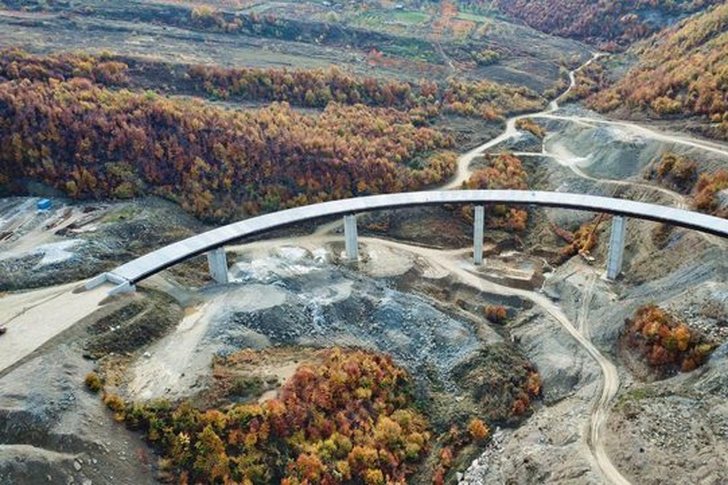
The political leader of the Socialist Party for the Korça ...
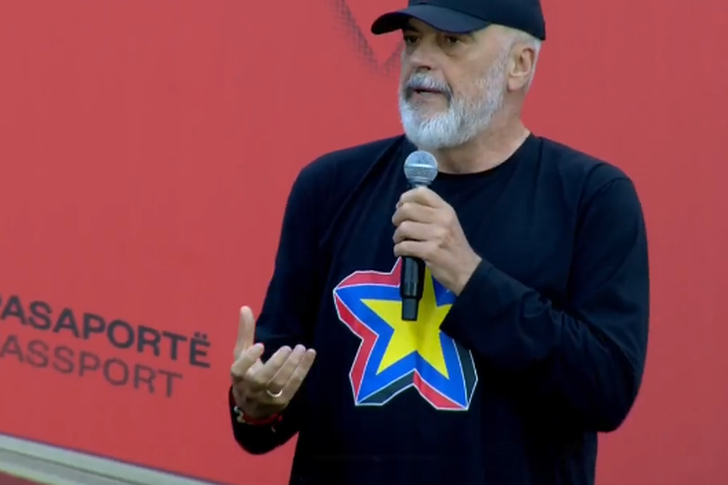
Prime Minister Edi Rama was in Korça today, where he held ...
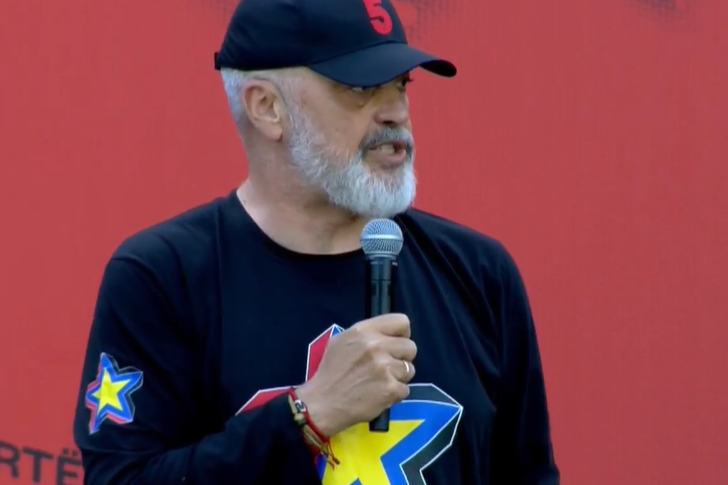
Prime Minister Edi Rama, at the closing meeting in Korça, ...

CNA has launched another investigation that could lead to ...

Irfan Hysenbelliu is a businessman that we call "Irfan the...

In March 2026, CNA launched another investigation centered...
The arrested mayor of Tirana, Erion Veliaj, with 13 charge...

The Special Board of Appeal (KPA) decided this Monday ...

The KPA vetting decided this Thursday to dismiss the p...

Suela Salavaçi, a prosecutor in the Prosecutor's Offic...

The Special Board of Appeal reinstated the prosecutor ...
Footage emerges from the serious accident that occurred th...
A Shkodra traffic police officer was hit with hard objects...
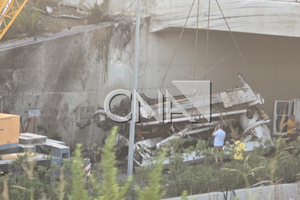
This Wednesday, around 4:00 PM, a serious accident occurre...
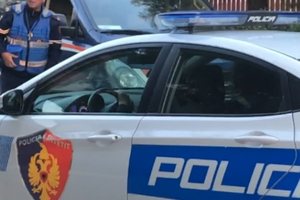
Tirana Police have shared details regarding the accident t...
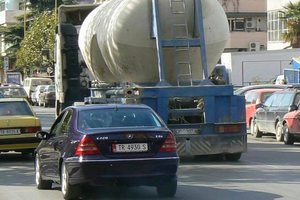
A serious accident that occurred this Wednesday with the c...

The Institute of Geosciences has shared a forecast for wea...
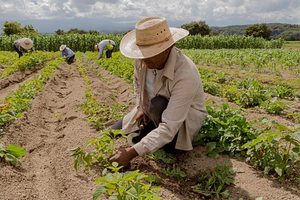
Rising energy and fertilizer prices are expected to contin...

Over 18,000 foreign citizens from 140 countries have appli...
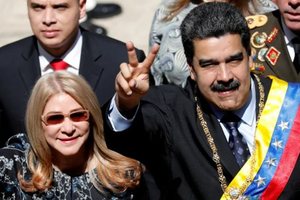
The trial of ousted Venezuelan President Nicolas Maduro on...
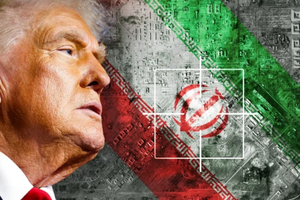
US President Donald Trump has issued another warning to Ir...

Prime Minister Andy Burnham has announced that most bus fa...

France's parliament has passed a law to ban social media f...

At a time when industrial products are increasingly taking...

Trust among people is not just a three-syllable word. It c...

Master of humor Todi Llupi has passed away at the age of 7...

The ninth edition of "MIK Festival" kicked off with one of...
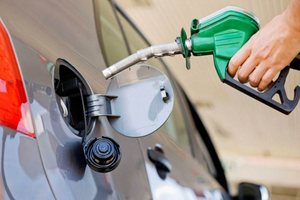
The price of diesel reached 206 lek per liter from 198 lek...

Businesses will no longer be required to simply register t...

Despite economic growth and income in recent years, Albani...

This Wednesday, one US dollar is bought for 81.4 lek and s...