

5 events that shook the world
"There are decades where nothing happens, and there are we...


The Constitutional Court of North Macedonia is at a historical crossroads. The expected decision on the status of the Albanian language has an importance that exceeds the legal framework, as it affects the historical, national identity, cultural survival and the very nature of the foundations of the state.
The history of the Albanian language is a history of challenge and resistance. Its survival is a testament to a people who rejected the assimilation that engulfed much of the continent. While other languages ??in the Latin-speaking part of the Roman Empire (Portugal, Spain or France) were romanized, the Albanians fanatically preserved their language.
For more than two millennia, Albanian survived in the face of waves of great imperial languages, from Roman Latin to Greek and Church Slavonic, from Ottoman Turkish to Arabic.
The importance of the Albanian language goes beyond the communicative function. Albania is the bearer of a unique cultural and historical identity. Not for nothing, the poet Pashko Vasa announced the motto that is second to none on the planet: "The religion of the Albanian is Albanianism." This statement states that: the Albanian identity, embodied by the language, exceeds religion, politics and external pressures/threats.
This motto was best expressed in the Congress of Manastir in 1908. Albanian intellectuals and patriots gathered in Manastir to standardize the alphabet of the Albanian language, eventually choosing the Latin alphabet.
This bold decision, taken under Ottoman rule and in the face of fierce debate and opposition, symbolized a break with the past and a step towards a Western future. Albanians became the first nation in the world, with a Muslim majority, to embrace the Latin alphabet. This decision taken in Manastir not only unified the language, but also marked the West as the Pole Star of the Albanians.
In the context of North Macedonia, the Albanian language is not only a language spoken by at least ? of the inhabitants; Albanian language is a constitutional pillar. The Ohrid Agreement of 2001 recognized the Albanians as a constituent nation of the state. This agreement not only ended the years of discrimination, but also sanctioned the principle of linguistic and identity equality.
To discuss today the status of the Albanian language with legal artifice means to question the very foundation of North Macedonia as a multi-ethnic state. The argument that the state belongs equally to Macedonians and Albanians is not only political, it is both historical and moral.
The Constitutional Court's decision on the Albanian language is not simply a legal issue; it is proof of the country's commitment to equality and unity. Albanians have suffered a lot, fought for a long time, shed blood to preserve the language, even in the face of seemingly insurmountable challenges.
The historical narrative is clear: Albanians have survived empires, foreign rule and religious conversions, but they have never abandoned their language. Since the recognition of its ancient roots, until the historic decision of the Congress of Manastir, the Albanian language has stood as the common denominator of all Albanians, regardless of religious affiliation.
The judges of the Constitutional Court now face a simple choice. They can either honor this history by confirming the equal status of the Albanian language, thereby strengthening the foundations of a multi-ethnic state; or they may turn back the clock, reviving old tensions and undermining not only the progress made since the Ohrid Agreement, but perhaps the very existence of the state.
North Macedonia, our eastern neighbor, has suffered for decades and is still suffering, on its way to the EU due to the lack of agreements with its neighbors: with the Greeks, 30 years of deadlock regarding the name, and now with the Bulgarians (among others) for language issue. (In the tiring and long journey towards the EU, the Macedonians have no better allies than the Albanians, but they should not take kindness for weakness)
As history has taught us, languages ??are more than words; they are the circulating vessels of identity. And the history of the Albanian language is one of the most extraordinary stories of survival in human history.
It is a history that North Macedonia should not be afraid of, but should embrace, certainly if it wants to build a future based on equality and mutual respect.
Those who do not learn from history risk repeating the mistakes.

"There are decades where nothing happens, and there are we...
Someone escapes loaded with gold or money stolen from his ...

And here, without realizing it, retirement age arrives. On...

The young person does not think about how to make his/her ...

Since the start of the work by SPAK with the investigation...
I am not part of the believers in SPAK, nor those in A...
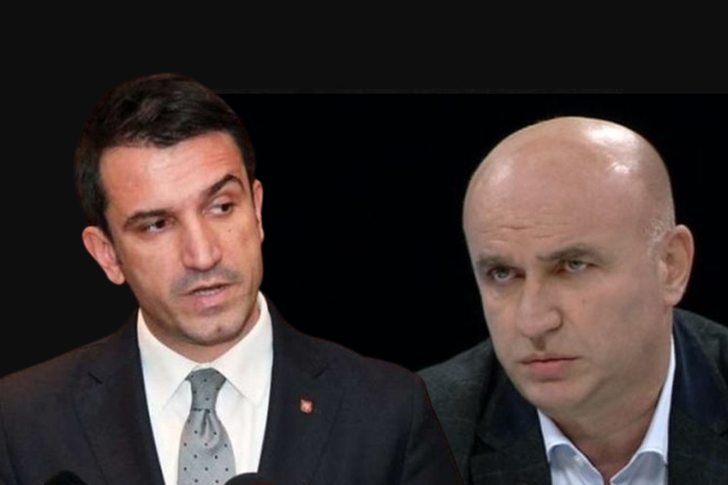
Journalist Mero Baze has asked to investigate the mayo...
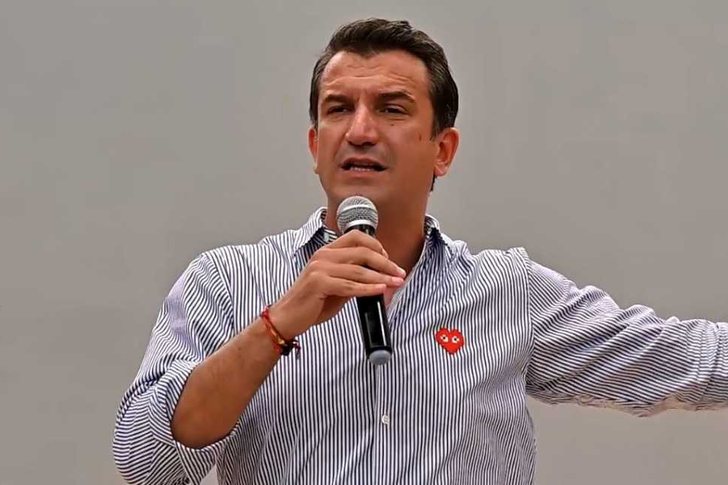
For some files, not even SPAK can stop SPAK even if Le...
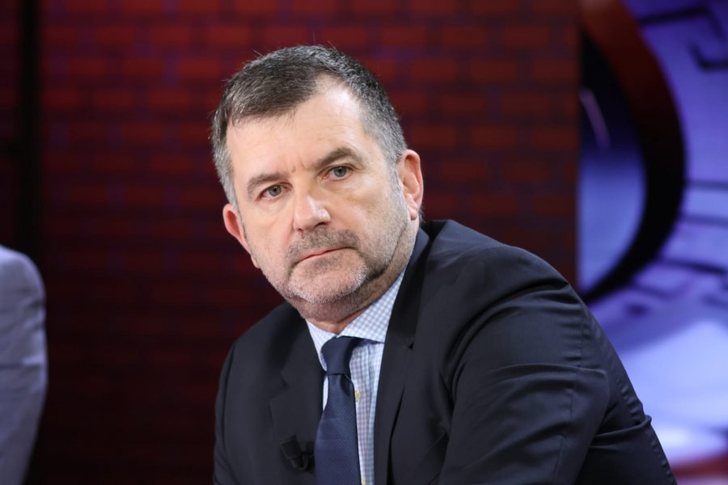
If one calculates the media coverage of the "spectacul...
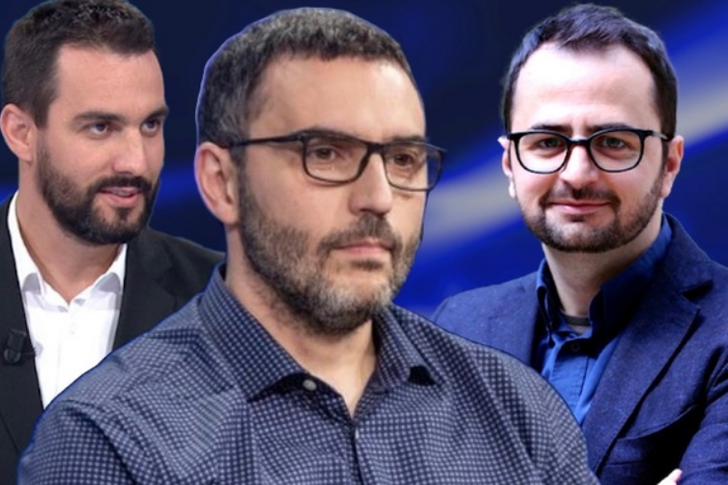
In many European countries prominent intellectuals are...
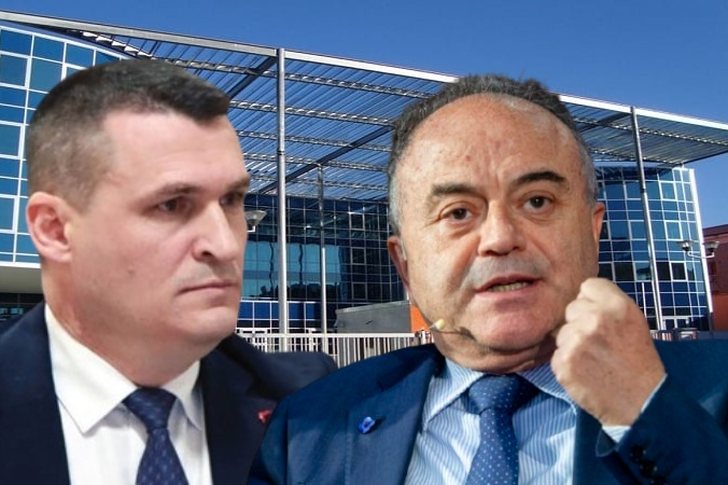
I listened to the interview of the head of SPAK in Dud...
The November holidays were very nice. The celebration ...
The terrorist attack on the Ibër Lepenci channel shocked i...
THE MISSING HONOR FOR PRESIDENT MOISIU, THE LOST HONOR...
November 28, 1944 is not only the day of Independence, but...

The Declaration of Independence on November 28, 1912 h...
November 28, 1912, not only the marked date of the declara...
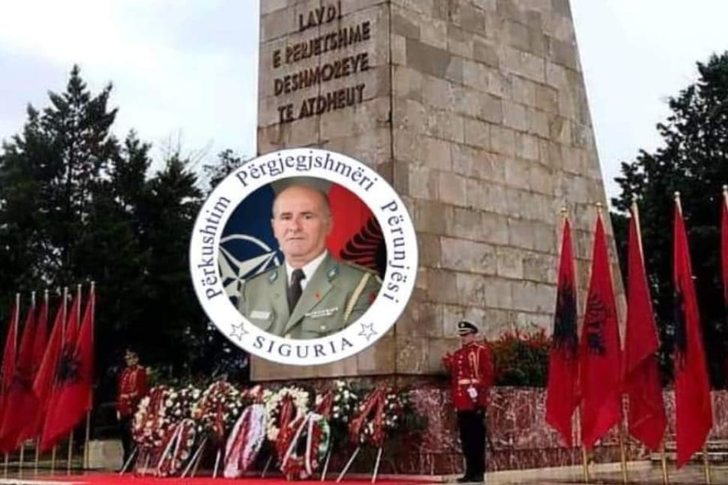
In advance, I would like to join the congratulations of al...

It has been a few days since the "Fan Noli" school in Tira...
To understand what happened instinctively, each asks a...

CNA has launched another investigation that could lead to ...

Irfan Hysenbelliu is a businessman that we call "Irfan the...

In March 2026, CNA launched another investigation centered...
The arrested mayor of Tirana, Erion Veliaj, with 13 charge...

The Special Board of Appeal (KPA) decided this Monday ...

The KPA vetting decided this Thursday to dismiss the p...

Suela Salavaçi, a prosecutor in the Prosecutor's Offic...

The Special Board of Appeal reinstated the prosecutor ...
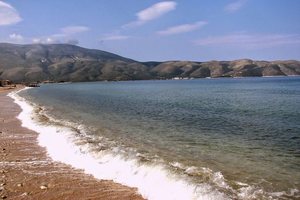
A person has died today on Orikum beach. According to repo...
Footage emerges from the serious accident that occurred th...

A Shkodra traffic police officer was hit with hard objects...
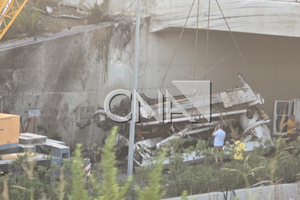
This Wednesday, around 4:00 PM, a serious accident occurre...

On Thursday, our country will be under the influence of st...
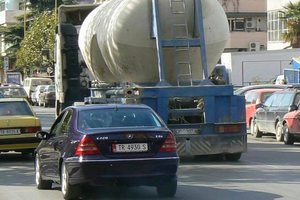
A serious accident that occurred this Wednesday with the c...

The Institute of Geosciences has shared a forecast for wea...
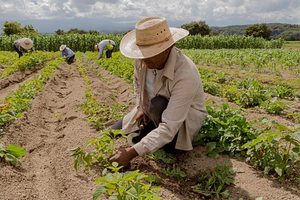
Rising energy and fertilizer prices are expected to contin...

Artificial intelligence (AI) models from the American comp...
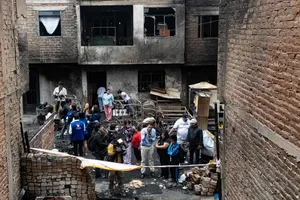
At least 10 people have died after a fire broke out in a h...
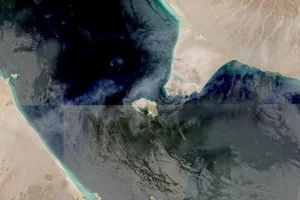
Yemen's Houthis have claimed to have attacked two Saudi oi...
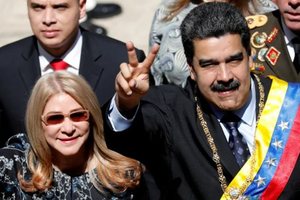
The trial of ousted Venezuelan President Nicolas Maduro on...

At a time when industrial products are increasingly taking...

Trust among people is not just a three-syllable word. It c...

Master of humor Todi Llupi has passed away at the age of 7...

The ninth edition of "MIK Festival" kicked off with one of...
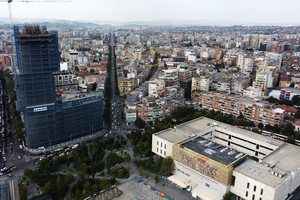
The average sale price of apartments in Tirana reaches rec...
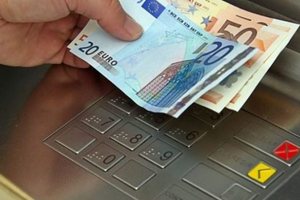
This Thursday, one US dollar is bought for 81.5 lek and so...

The price of diesel reached 206 lek per liter from 198 lek...

Businesses will no longer be required to simply register t...