

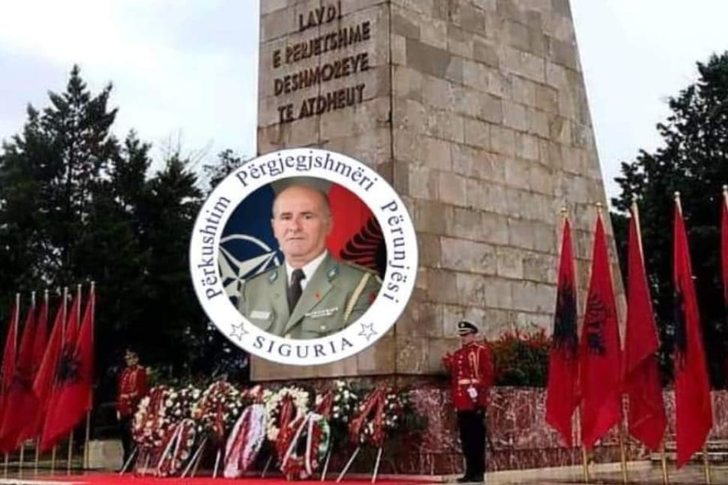
The 80th anniversary of liberation from fascism, still occupied by a herd of thieves
In advance, I would like to join the congratulations of al...

Nga akti historik te ndërgjegjja kolektive

November 28, 1912, not only the marked date of the declaration of independence, but also a moment of reflection and thought on the journey of the Albanian nation. A date that serves as a reminder of a time when sacrifice and common aspirations triumphed over war. A date that, beyond the historical act, invites us to return to other challenging and inspiring periods, such as the 30s, when thinkers such as Branko Merxhani, Vangjel Koça and Mit'hat Frashëri built the foundations of a new national ideal.
These years mark a period of formation for the new Albania. After the declaration of independence, the challenges were many: the lack of a state tradition, regional, religious and cultural divisions, and deep poverty. In this context, Albanian thinkers raised a bold project: the creation of a new national consciousness, based not only on territorial borders, but on a spiritual and cultural unity.
This project, called Neo-Albanianism, represented a current of thought that crystallized in this period conceived the nation as a divine ideal, rooted in the spirit and creative energy of the people. According to Branko Merxhani, inspired by Bergson's philosophy, the nation was not only a political entity, but a common force arising from the collective consciousness. The nation, according to him, was a "vital jerk" (élan vital), an internal, dynamic and creative energy that pushes life forward, beyond external obstacles and limitations.
This inner urge springs from the very nature of life and strives to overcome every limitation. According to this idea, life has an aspect that is more than physical or material; she is creative, spiritual and unstoppable. When this powerful idea is applied to the context of the nation, it takes on an even deeper meaning: the nation is seen as an organism that lives, develops and transforms thanks to its collective energy and creative spirit.
So, in moments of great crises, the nation becomes its own savior. When individuals cannot protect common interests, the collective will emerges, creating a spiritual unity that transcends all divisions.
In the 30s, Albanian thinkers did not limit themselves to theories. They engaged in the creation of intellectual platforms, such as the magazines "Albanian Effort" and "Illyria", where they debated politics, education and culture. The goal was clear: to shape an authentic national identity that would unite the people across divisions. They were convinced that emancipation and openness to the world can be achieved through increasing the intellectual level and social education. So a social openness that essentially preserves cultural authenticity. According to them, without a common national feeling, modernization risked leading to the loss of identity.
At a time when globalization challenges national identities, the message of neo-Albanianism remains relevant. For the thinkers of the 1930s, being Albanian is not only a matter of language or territory, but a spiritual and moral effort to preserve and develop common values.
On Independence Day, we remember not only our past but also our potential to overcome challenges. Neo-Albanianism reminds us that the nation becomes its own savior when individuals unite around a common ideal, putting aside divisions to build a brighter future.
This date invites us to reflect, to ask: Are we still able to create a common will to move Albania forward? In a world of rapid change, the answer to this question will determine not only our future as a nation, but also the legacy we leave to future generations.

In advance, I would like to join the congratulations of al...
It has been a few days since the "Fan Noli" school in Tira...
To understand what happened instinctively, each asks a...
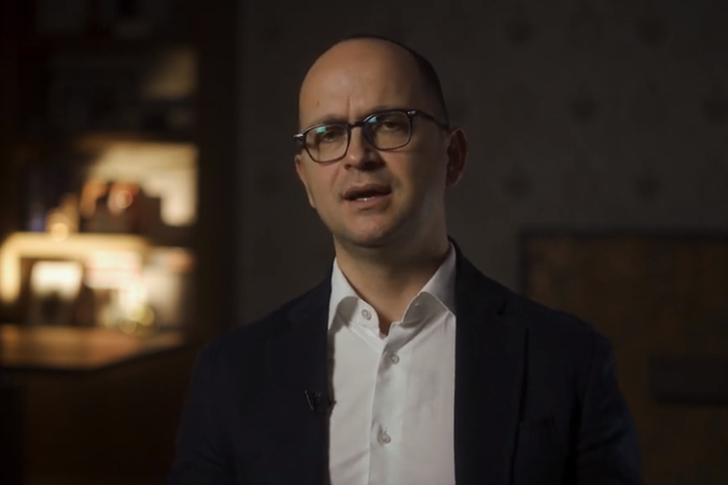
Many have tried to analyze the outcome of the US elect...
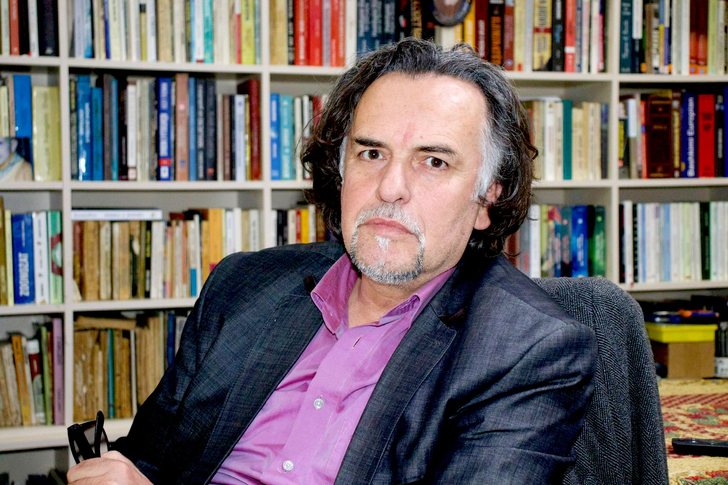
Albert Vataj's full text: He is the most beautiful ma...
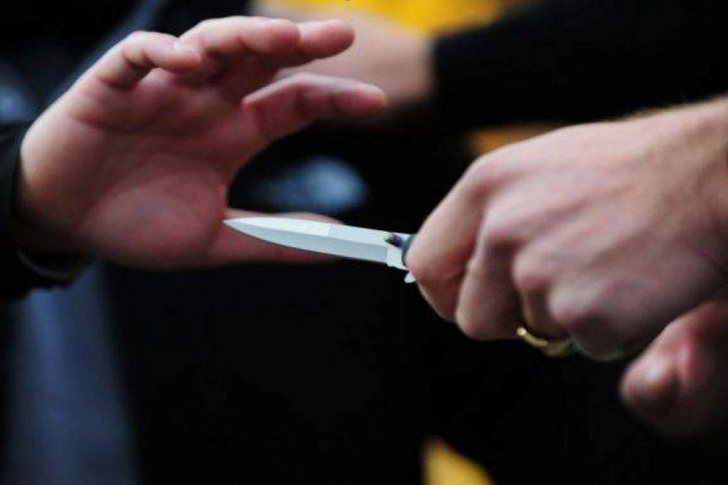
Nothing in this world and beyond it is not a coincidence b...
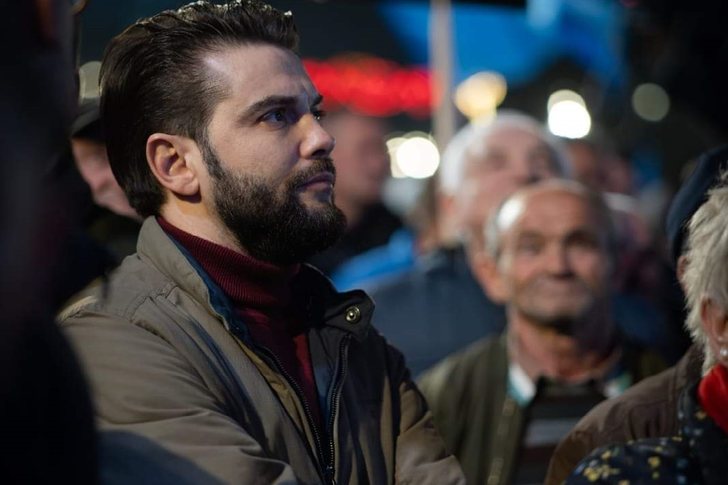
Uncertainties are the circles that accompany the life ...
Remember that the Albanian language has 36 letters includi...
"Only Albanians and Chechens kill without motive" wa...
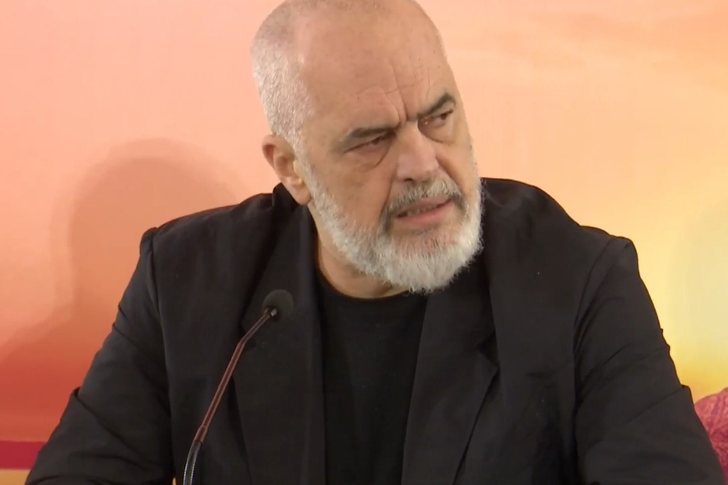
The artist Prime Minister announced today before the A...

When the car crushed the first man, the chorus of those wh...
When a mother sends her child to kindergarten, the hop...
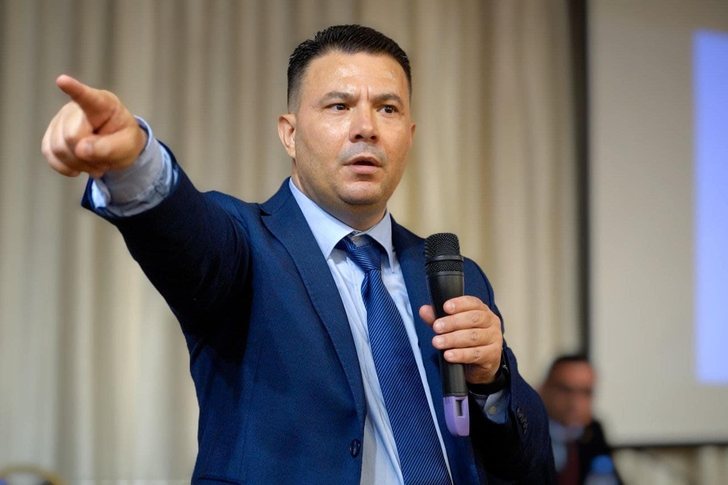
Stop it: All vulgar and banal TV shows. All debates ...
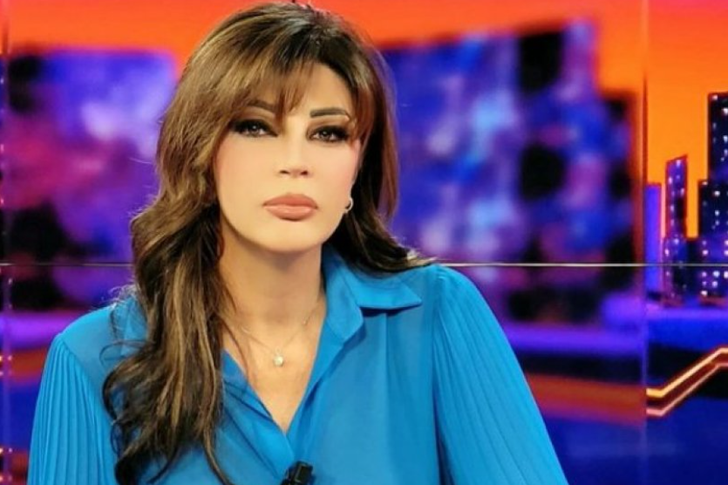
In that small resting place between the crammed palaces, t...
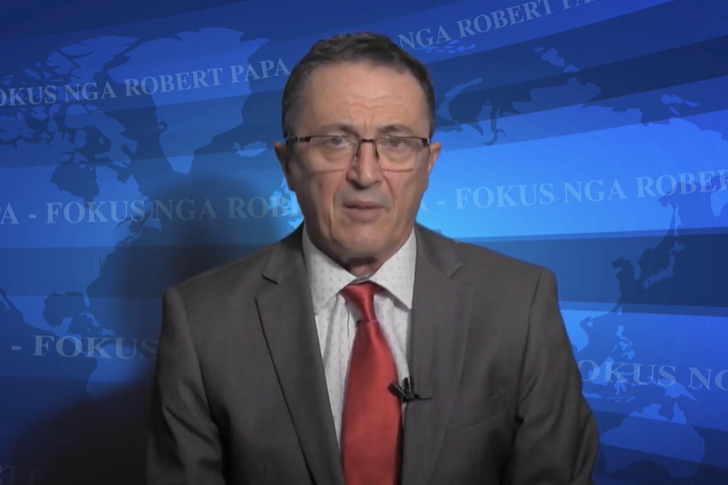
The average American While the liberal press is melting d...
The tragic event that happened at the Fan Noli school in T...
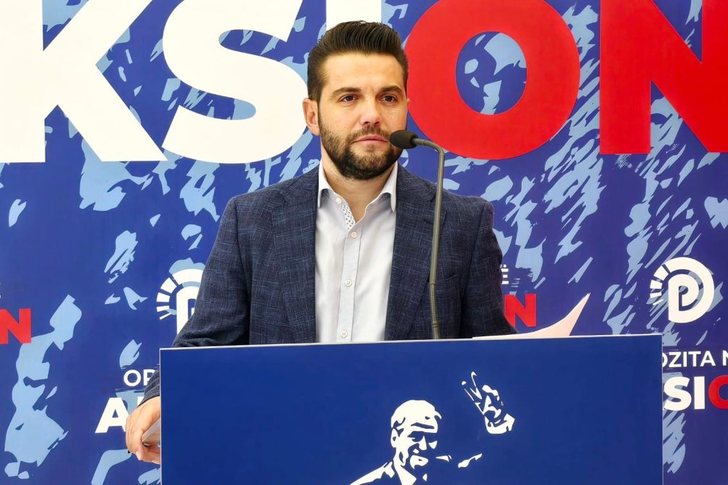
The budget is one of the most important moments in the...
In our small Albania, greater than the love for the ho...
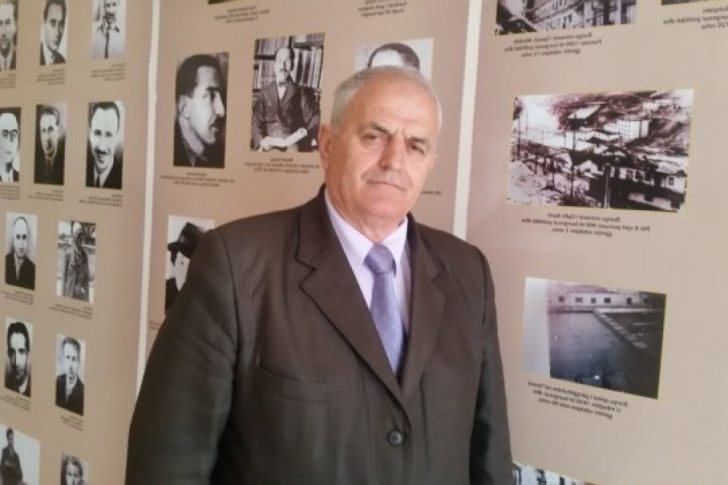
80 years ago, on December 17, 1944, Tirana would wake up b...

The political establishment, the offices, the media and pu...

CNA has launched another investigation that could lead to ...

Irfan Hysenbelliu is a businessman that we call "Irfan the...

In March 2026, CNA launched another investigation centered...
The arrested mayor of Tirana, Erion Veliaj, with 13 charge...

The Special Board of Appeal (KPA) decided this Monday ...

The KPA vetting decided this Thursday to dismiss the p...

Suela Salavaçi, a prosecutor in the Prosecutor's Offic...

The Special Board of Appeal reinstated the prosecutor ...
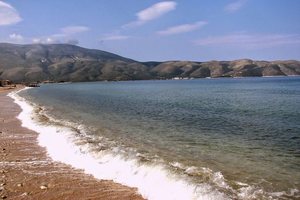
A person has died today on Orikum beach. According to repo...
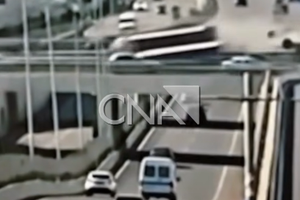
Footage emerges from the serious accident that occurred th...

A Shkodra traffic police officer was hit with hard objects...
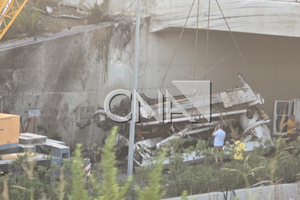
This Wednesday, around 4:00 PM, a serious accident occurre...

On Thursday, our country will be under the influence of st...
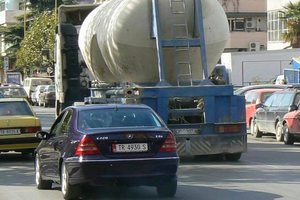
A serious accident that occurred this Wednesday with the c...

The Institute of Geosciences has shared a forecast for wea...
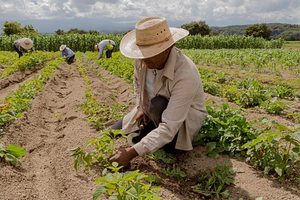
Rising energy and fertilizer prices are expected to contin...

Artificial intelligence (AI) models from the American comp...
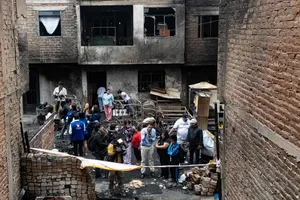
At least 10 people have died after a fire broke out in a h...
Yemen's Houthis have claimed to have attacked two Saudi oi...
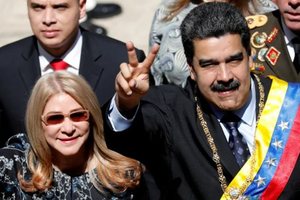
The trial of ousted Venezuelan President Nicolas Maduro on...

At a time when industrial products are increasingly taking...

Trust among people is not just a three-syllable word. It c...

Master of humor Todi Llupi has passed away at the age of 7...

The ninth edition of "MIK Festival" kicked off with one of...
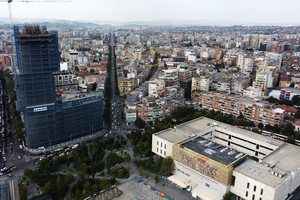
The average sale price of apartments in Tirana reaches rec...
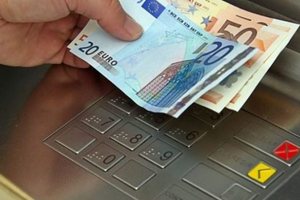
This Thursday, one US dollar is bought for 81.5 lek and so...

The price of diesel reached 206 lek per liter from 198 lek...

Businesses will no longer be required to simply register t...