


Second victim of bad weather/ Fisherman drowns in Ksamil
Citizen MH, 61, a fisherman, was found dead near the islan...

Citizen MH, 61, a fisherman, was found dead near the islan...

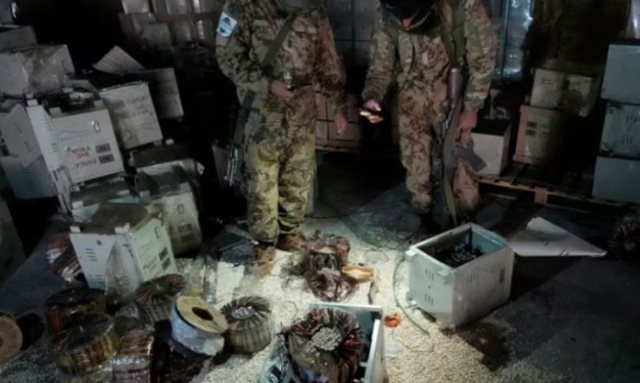
The drug 'captagon', known as the 'poor man's cocaine', provided benefits worth billions of dollars a year to the regime of Syrian President Bashar al-Assad.
Voice of America correspondent Joan Cabasés Vega reports that now, the rebels who ousted him from power have dismantled the state factories that produced the drug. They have vowed to completely destroy what they call Assad's drug empire.
About 20 kilometers northeast of Damascus, the road leads to the remote area of ??Douma where one of the factories is located.
The factory, which previously produced potato chips, was used by President Bashar al-Assad's regime to produce 'captagon', the drug often called the 'poor man's cocaine'.
"The Assad clan was the biggest drug producer in the world," says Basel, a rebel from the Hayat Tahrir al-Sham group who declined to give his last name.
This rebel group overthrew Assad and is now in power.
Inside some electrical boxes, he discovers hidden stashes of the amphetamine-like drug, ready for export.
"All the captagon hidden here is the responsibility of Maher al-Assad, Bashar's brother. They hid the drugs inside these electrical devices. They usually put up to two kilograms of captagon in each device and then sent them to different countries around the world."
Experts say the captagon trade became an important method of securing revenue for the Assad regime, helping to cushion the impact of international sanctions. The drug trade generated roughly $2.4 billion in annual profits for the Assad family, according to the New Lines Institute.
In the factory, the tools and chemicals used to produce 'captagon' are still visible. Boxes filled with this drug are scattered everywhere along with packaging materials to disguise the drug trade. 'Captagone' was also often smuggled inside orange juice cartons, electronic components and even high-end furniture.
Rebels say workers set fire to the factory before fleeing, likely in an attempt to destroy evidence.
They say they have discovered up to 160 similar factories across Syria. They also found documents detailing trading activity, including buyer details listing countries, companies and individuals. In 2023, the British government estimated that 80 percent of the world's supply of captagon came from Syria.
Now, Hayat Tahrir al-Sham rebels say the time has come to end drug production in the country.
They say that selling drugs to finance activities does not match their values./voa

A federal judge has temporarily blocked the release of...
President Joe Biden's administration is expected to announ...

President-elect Donald Trump did not rule out using mi...

A 14-year-old has been stabbed to death on a double-decker...
President Joe Biden's decision to block the purchase of...
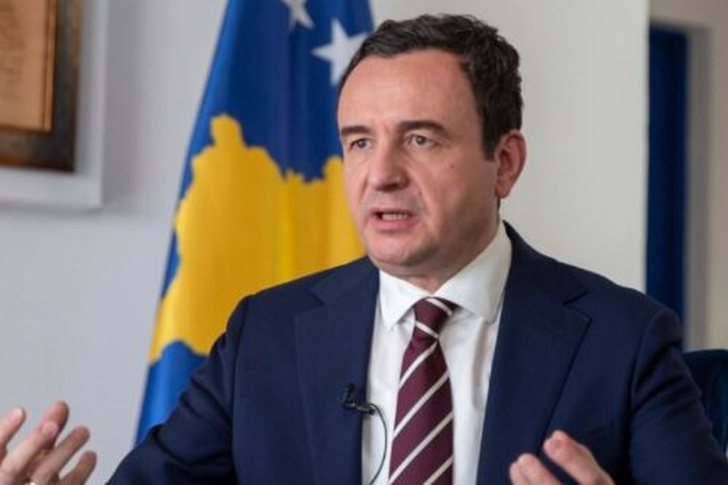
The Prime Minister of Kosovo, Albin Kurti, in an in...

Greenland has made it clear it is not for sale, Danish Pri...
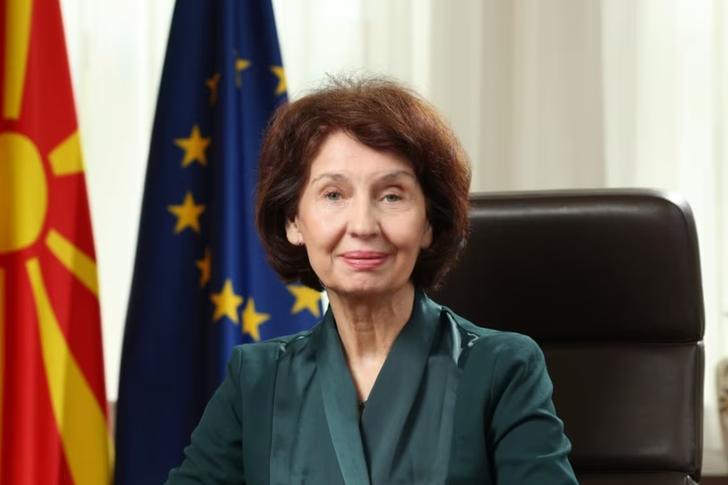
The President of North Macedonia, Gordana Silanovska-D...
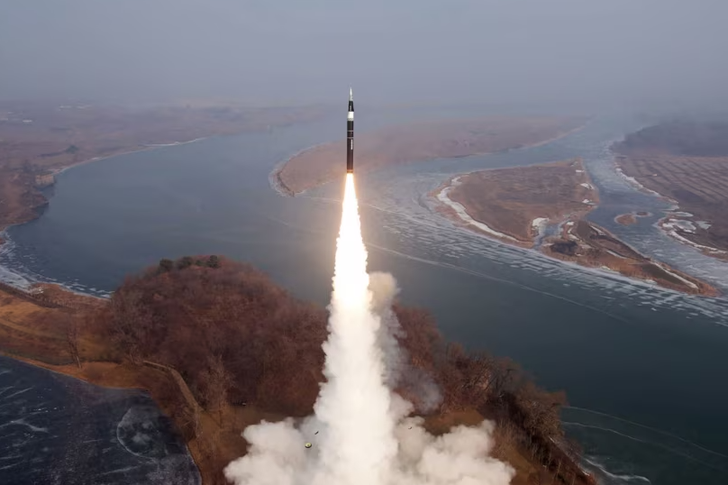
North Korea said its latest test was of new medium-range h...
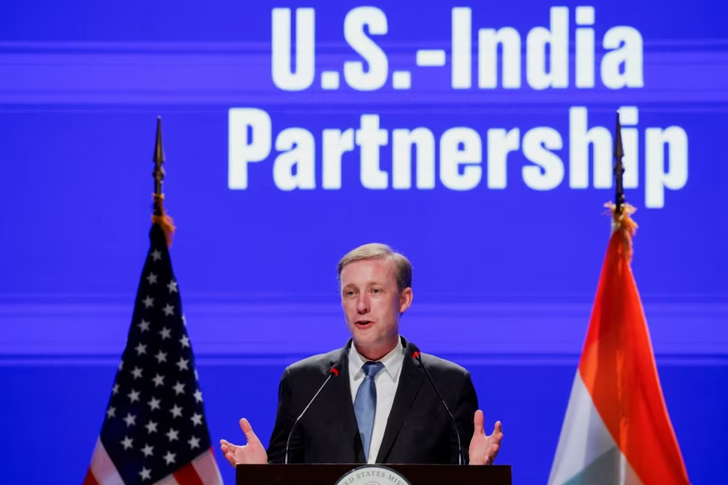
President Biden's administration on Monday lifted restrict...
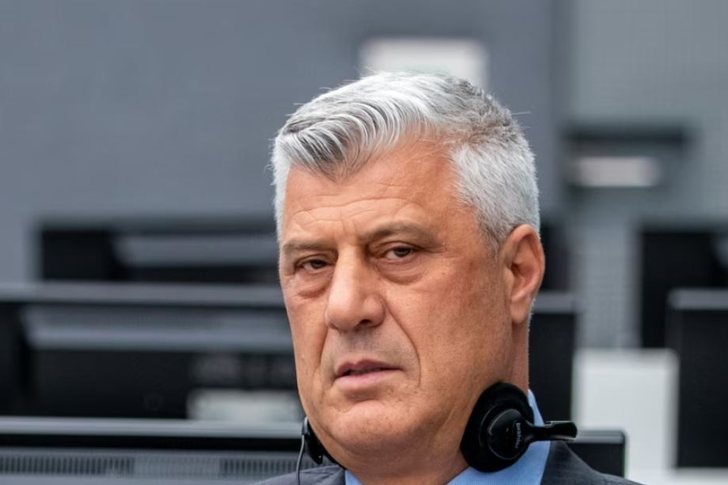
The former president of Kosovo, Hashim Thaçi, has p...

Russian Orthodox Church Patriarch Kirill, who celebrated C...
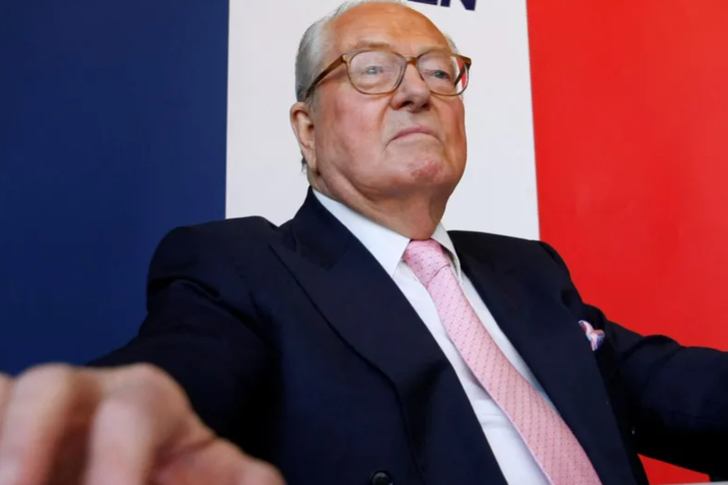
French far-right politician Jean-Marie Le Pen has died at ...
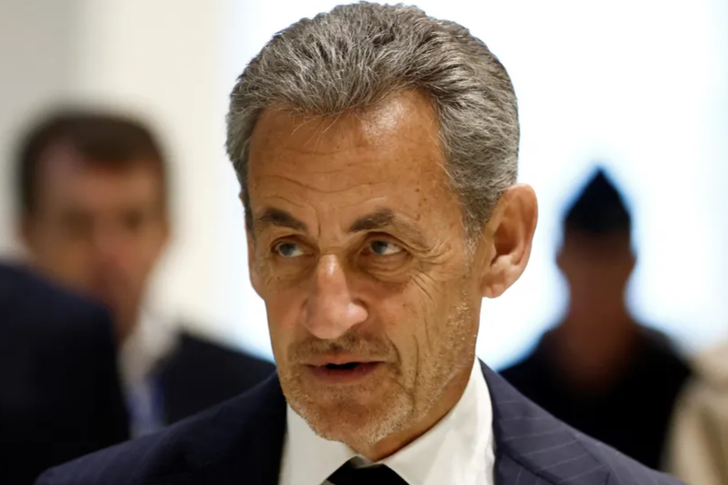
Former French President Nicolas Sarkozy has gone on tr...
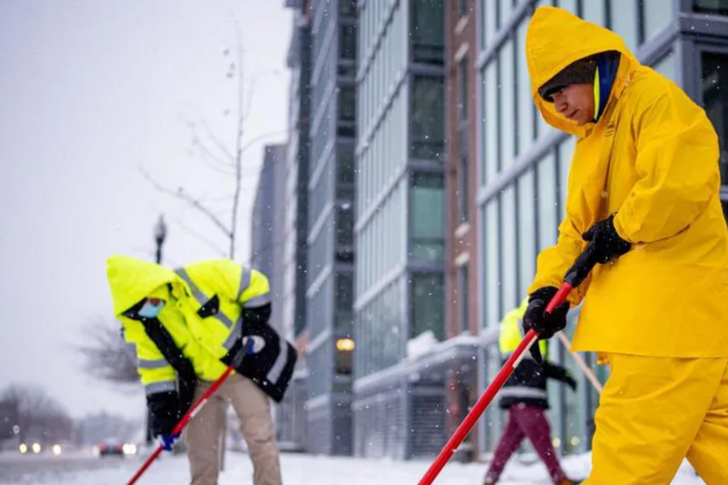
The winter storm that has invaded a part of the US states ...
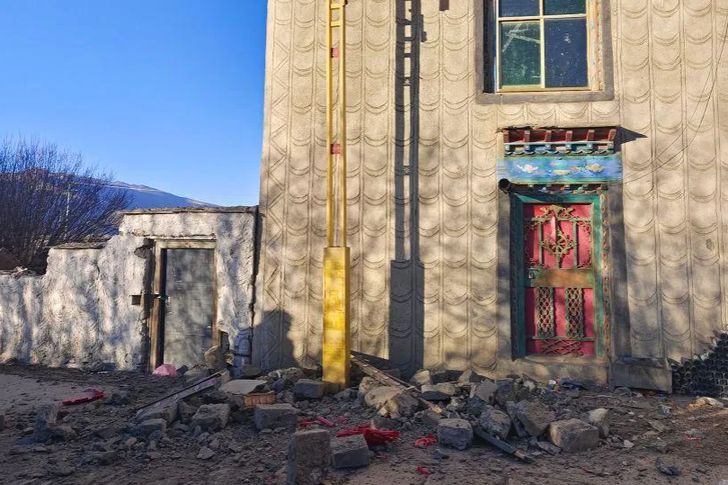
At least 53 people have been confirmed dead and 62 injured...
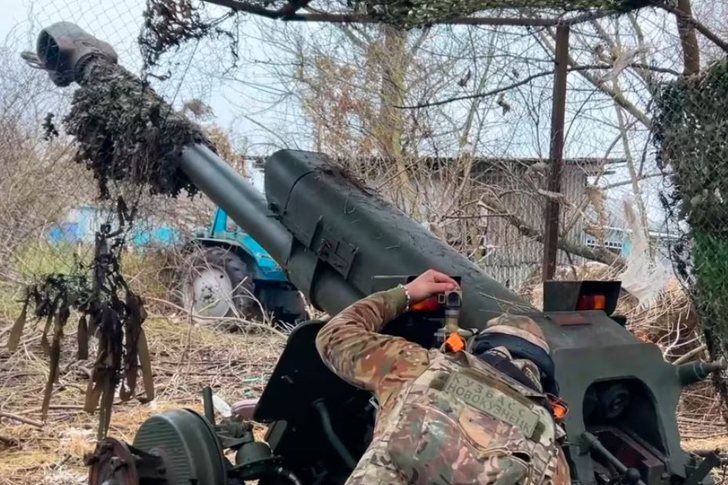
Ukrainian President Volodymyr Zelensky said on Monday that...

A Russian drone attacked a civilian bus in the southern ci...
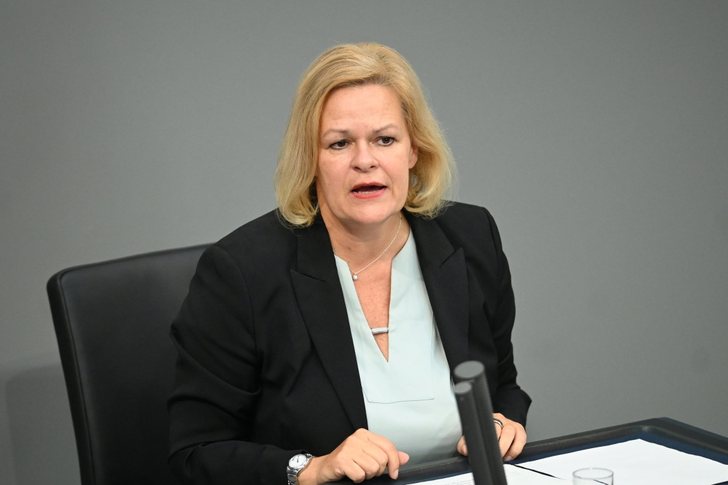
The Minister of the Interior of Germany, Nancy Faeser,...
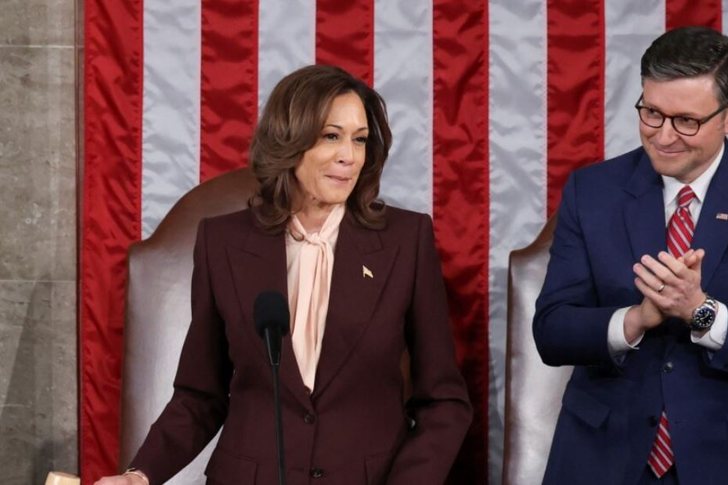
The US Congress has also formally certified the victory of...

CNA has launched another investigation that could lead to ...

Irfan Hysenbelliu is a businessman that we call "Irfan the...

In March 2026, CNA launched another investigation centered...
The arrested mayor of Tirana, Erion Veliaj, with 13 charge...

The Special Board of Appeal (KPA) decided this Monday ...

The KPA vetting decided this Thursday to dismiss the p...

Suela Salavaçi, a prosecutor in the Prosecutor's Offic...

The Special Board of Appeal reinstated the prosecutor ...
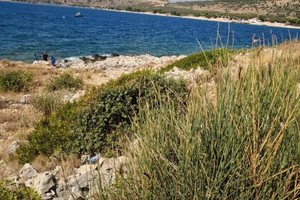
Citizen MH, 61, a fisherman, was found dead near the islan...
Another phase of the international operation, codenamed "T...
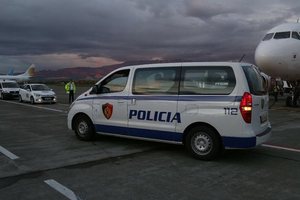
Police have arrested a 34-year-old woman at Rinas Airport ...

A serious accident has occurred on the Lezhë-Shëngjin axis...
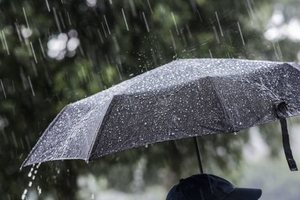
This Wednesday, our country will be under the influence of...
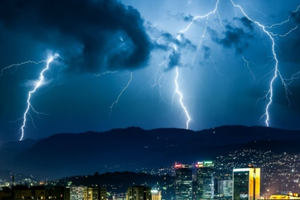
All of Southern Europe will face changing weather conditio...
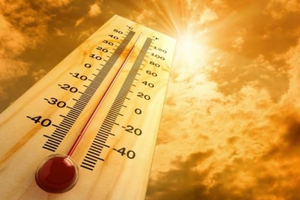
Albania was hit by temperatures significantly higher than ...
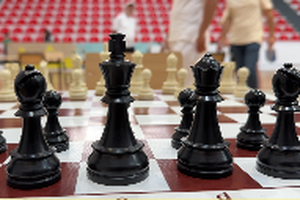
For the first time, Pogradec welcomed the Inter-Lake Chess...
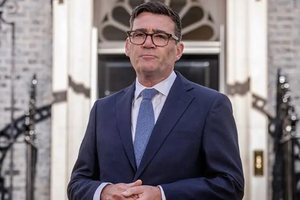
Prime Minister Andy Burnham has announced that most bus fa...

France's parliament has passed a law to ban social media f...

US Secretary of State Marco Rubio arrived in Manila on Jul...
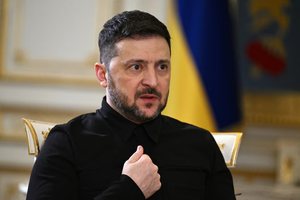
In the space of a few days, Ukrainian President Volodymyr ...

At a time when industrial products are increasingly taking...

Trust among people is not just a three-syllable word. It c...

Master of humor Todi Llupi has passed away at the age of 7...

The ninth edition of "MIK Festival" kicked off with one of...
Businesses will no longer be required to simply register t...
Despite economic growth and income in recent years, Albani...
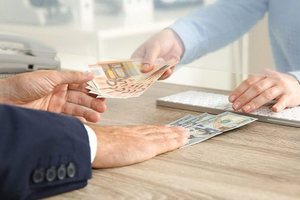
This Wednesday, one US dollar is bought for 81.4 lek and s...

Construction company licenses will have a validity period ...