

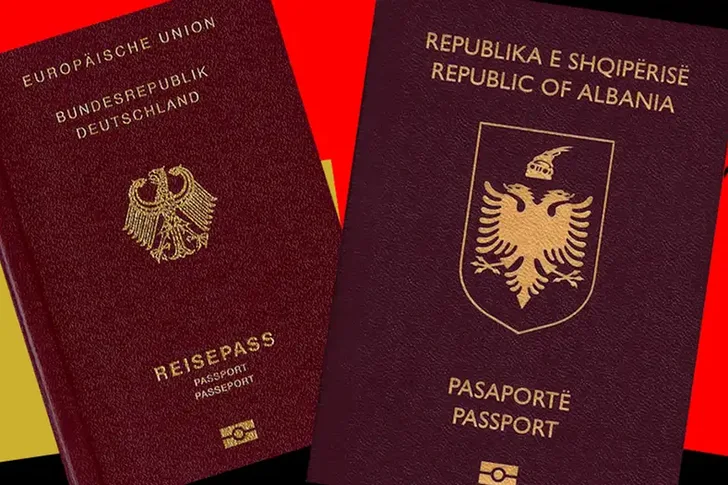
Will dual citizenship be abolished in Germany?
Some politicians from the CDU/CSU Union parties have also ...


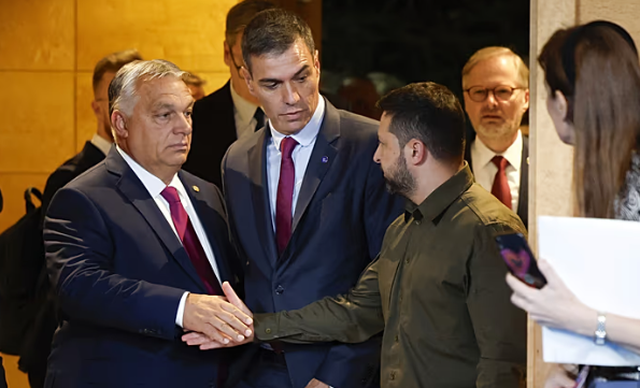
Hungary opposes Ukraine's accession to the EU, threatening a veto, but Budapest is not entirely against EU enlargement: Prime Minister Orbán supports the Western Balkans and Moldova and Georgia in a complex balancing act.
Hungary is known in the European Union for its opposition to Ukraine's bid for EU membership, while its promise to veto threatens to open negotiation chapters for Kiev.
However, the Hungarian stance on enlargement represents a nuanced balancing act, as Prime Minister Viktor Orbán strongly supports the efforts of the Western Balkan countries to join the EU, as well as those of Moldova and Georgia.
The Hungarian government has made it clear that Russia is responsible for the full-scale invasion of Ukraine and has called for an immediate ceasefire and peace negotiations. Hungary is providing Ukraine with humanitarian aid and electricity, but opposes any financial or military support for Kiev. The argument from Budapest is that further European support will only prolong the war and lead to military escalation, endangering European peace. Hungary has come under scrutiny by some of its European partners for maintaining political and trade ties with Russia through energy purchases.
Why is Hungary so adamantly against Ukraine's accession to the EU?
Hungary is the most ardent opponent of Ukraine's EU bid within the bloc, arguing that Ukraine's EU membership would be negative for Europe and Hungary in particular. On this issue, Budapest is in the minority among European leaders who opened negotiations with Ukraine in 2023, in a vote in which Orbán was noticeably absent.
The Hungarian government this year launched a so-called national consultation, a non-binding domestic poll on Ukraine's bid to join the EU, in which 95% of respondents opposed Ukraine's membership, according to Budapest.
“I would not want Hungary to be a member of an alliance where a newly admitted member is constantly at risk of war and could involve us in it. If the Ukrainians become members of the union, this war will also become our war. And we do not want that,” Orbán told reporters at the European Council meeting in Brussels last week.
Hungary also argues that Ukraine's eastern borders are not defined and is not against possible concessions, even though President Volodymyr Zelenskyy has repeatedly said that he will not cede territory to Russia for a ceasefire, as this would be contrary to the country's constitution.
Budapest also argues that Ukraine's EU membership would be costly for Europe, as a large part of the common European budget could be redirected to its reconstruction.
Ukraine could also benefit from the bloc's cohesion and agricultural funds. Budapest is a net beneficiary of both. European Commission President Ursula von der Leyen said enlargement would inevitably lead to revisions to the common budget.
As an alternative, Orbán proposed a strategic partnership with Ukraine, a status that Kiev has had since 2017, when it signed the EU-Ukraine Association Agreement.
What can be said about the enlargement of the Western Balkans?
Meanwhile, Hungary supports EU enlargement towards the Western Balkans, including Serbia, North Macedonia, Montenegro, Albania and Bosnia and Herzegovina.
Hungarian Minister for European Affairs, János Bóka, said in October that their place is clearly in the European Union.
"The Western Balkan countries have fulfilled most of the conditions for membership for years, yet they are not progressing at the pace they deserve," said Bóka.
Budapest argues that enlargement would increase regional stability.
“It is clear that if there is no stability in the Western Balkans, if there is unrest and if conflicts define daily life, then there will be constant uncertainty that will radiate from the region,” Hungarian Foreign Minister Péter Szijjártó said last July.
Hungary has strong business interests in the region, particularly in energy and banking. Budapest also maintains ties with neighboring Serbia. The two countries are cooperating closely on trade, migration, energy and defense.
What about Moldova and Georgia?
Hungary supports Moldova's EU membership without any preconditions.
"Hungary has supported Moldova's EU membership so far and we will continue to do so; there is no compromise or debate on this," Viktor Orbán said earlier this year, adding that Moldova provides the EU with a much-needed workforce.
Hungary also supports Georgia's accession, although the process stalled following tensions between the European Union and the ruling Georgian Dream party.
The European Parliament also issued a resolution expressing concerns about the outcome of Georgia's parliamentary elections and calling for a repeat of the vote. After the elections, Orbán traveled to Tbilisi, expressing his support for the Georgian government.
Will unanimity be necessary to finalize the process?
While the Hungarian government rejects the idea of ??changing the unanimity rules to facilitate the process for Ukraine and wants to retain its ability to veto, Orbán has shown in the past that he is willing to do so when there are economic incentives.
At a crucial EU summit in December 2023, Orbán walked out of the room where European leaders held their private discussions, allowing them to push forward the opening of negotiations with Ukraine in the 26 member states without Hungary's veto.
Earlier that week, the European Commission released 10.2 billion euros of frozen EU funds to Hungary, citing "some progress" in judicial reforms.
At the time, the EU denied allegations that the two decisions were linked. Two months later, at a summit in February 2024, Orbán lifted his veto on the Instrument for Ukraine, allowing the EU to approve a €50 billion support package for Kiev.
If Orbán loses power next year, when the country is expected to hold parliamentary elections in April, the country's policy towards Ukraine's accession could change dramatically under an opposition-led government./ CNA

Some politicians from the CDU/CSU Union parties have also ...
Two suspects arrested in the spectacular Louvre museum hei...
The United States has cut the overall tariff rate on Chine...
US President Donald Trump declared a few days ago that it ...
Presidentja e Kosovës, Vjosa Osmani me anë të një reagimi ...
Serbian President Aleksandar Vučić has denied that he was ...

Heathrow, NatWest and Minecraft are among some of the site...
Kosovo Prime Minister Albin Kurti has reacted to Syria's r...
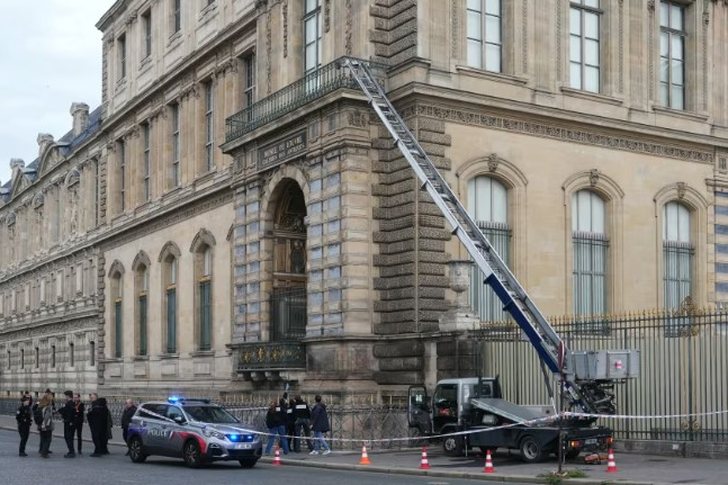
Two suspects arrested in connection with the theft of Fran...
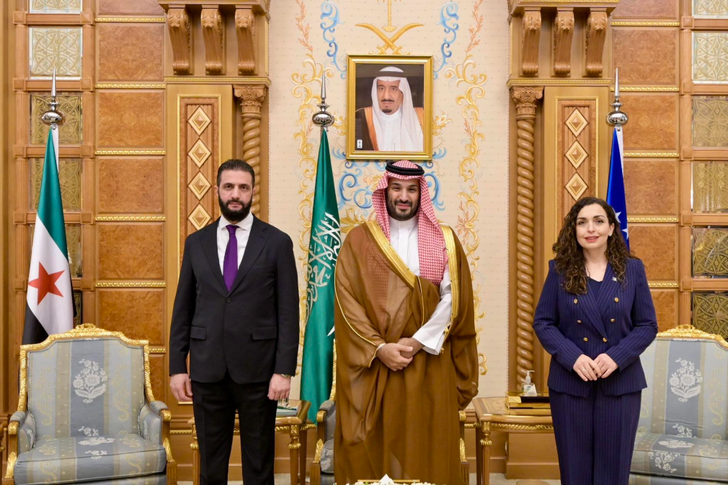
Syria has officially recognized the state of Kosovo, becom...
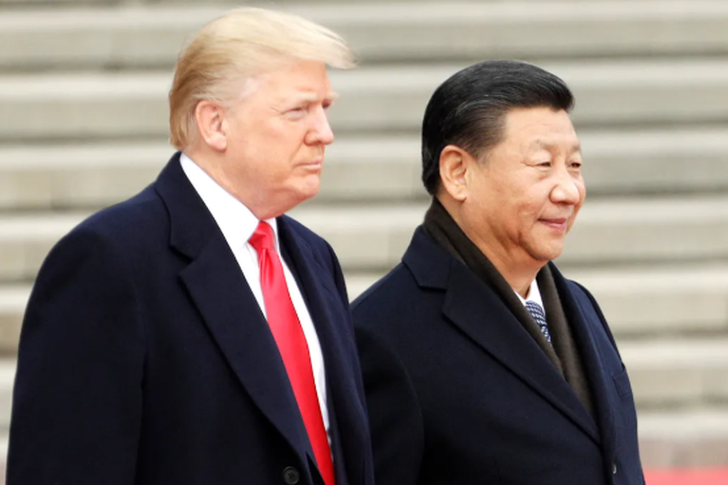
US President Donald Trump is scheduled to meet with Chines...
The Supreme Court on Wednesday rejected a lawsuit seeking ...
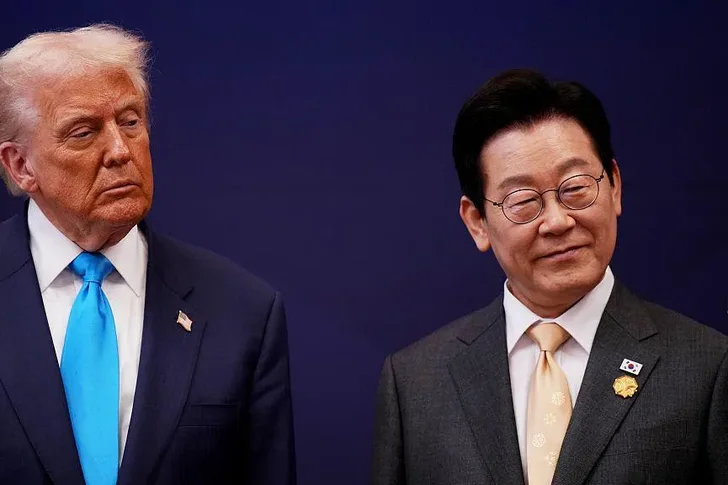
The US and South Korea have reached a broad trade agreemen...
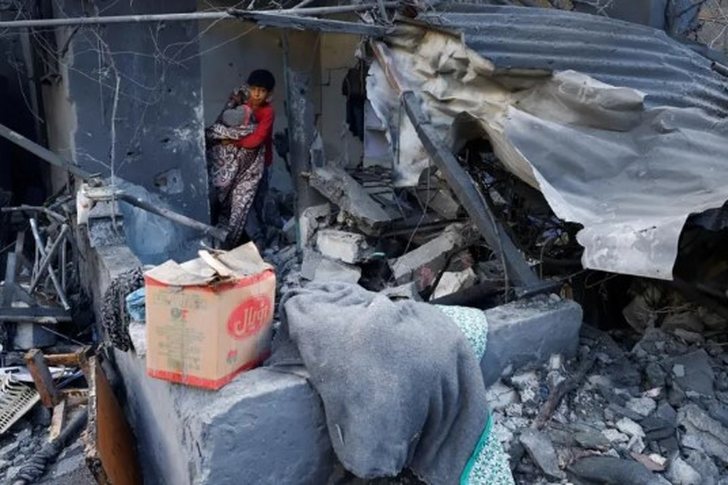
At least 104 Palestinians were killed in a wave of Israeli...
Chairman of the KLA War Veterans Organization, Hysni Gucat...
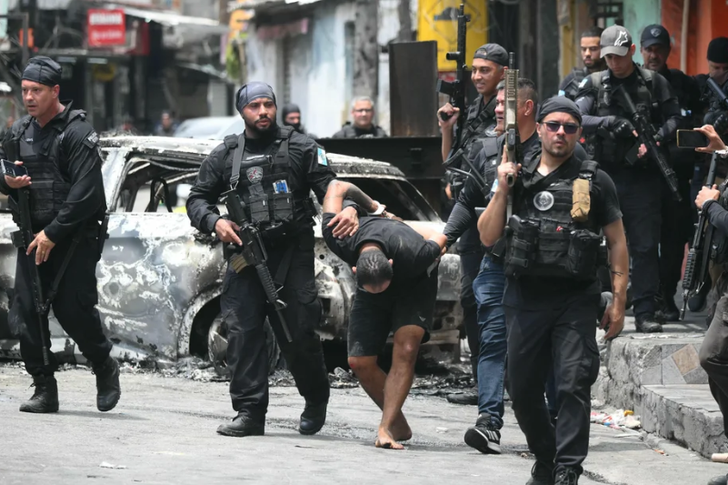
The city of Rio de Janeiro in Brazil is in complete chaos ...
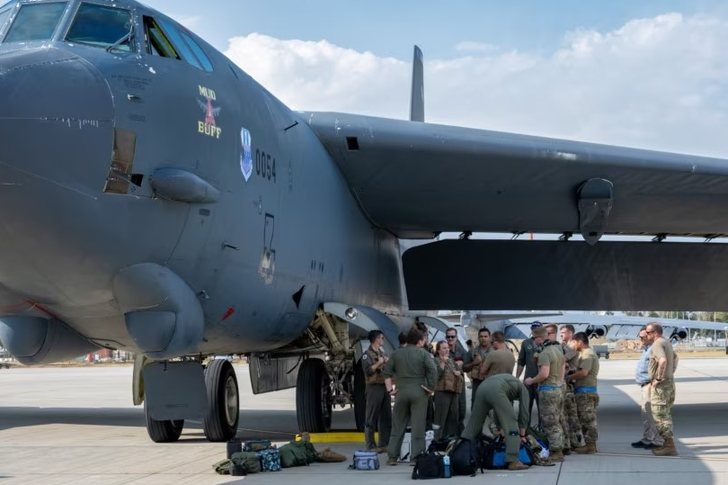
The United States has withdrawn nearly 1,000 soldiers and ...
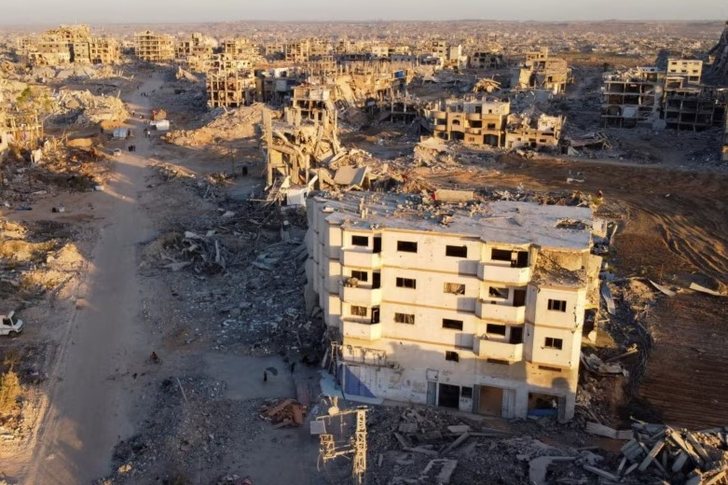
The Gaza Health Ministry and the Civil Defense Agency have...
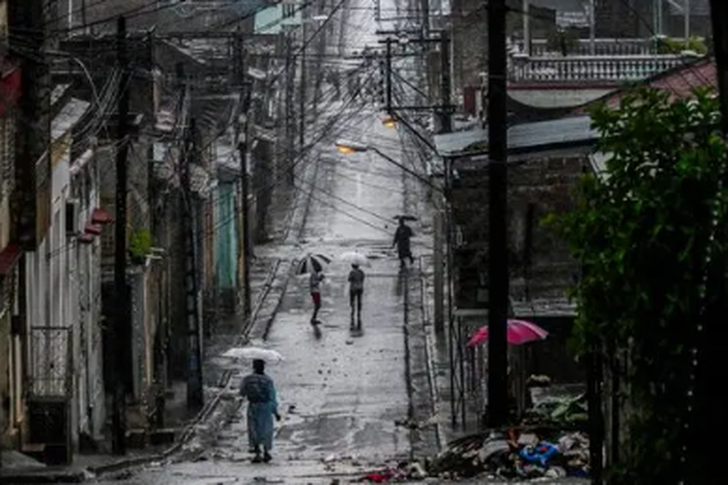
Hurricane Melissa made landfall in eastern Cuba on Wednesd...
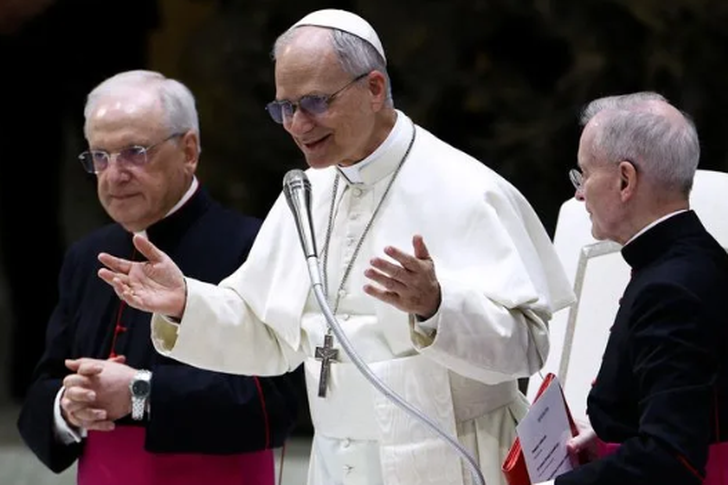
Pope Leo XIV was present at the ceremony celebrating the 6...

CNA has launched another investigation that could lead to ...

Irfan Hysenbelliu is a businessman that we call "Irfan the...

In March 2026, CNA launched another investigation centered...
The arrested mayor of Tirana, Erion Veliaj, with 13 charge...

The Special Board of Appeal (KPA) decided this Monday ...

The KPA vetting decided this Thursday to dismiss the p...

Suela Salavaçi, a prosecutor in the Prosecutor's Offic...

The Special Board of Appeal reinstated the prosecutor ...
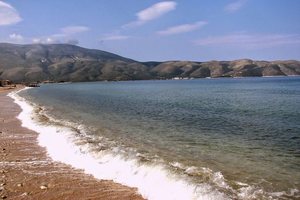
A person has died today on Orikum beach. According to repo...

Footage emerges from the serious accident that occurred th...

A Shkodra traffic police officer was hit with hard objects...
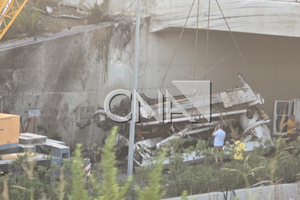
This Wednesday, around 4:00 PM, a serious accident occurre...

Children without parental care, for whom alternative famil...

On Thursday, our country will be under the influence of st...
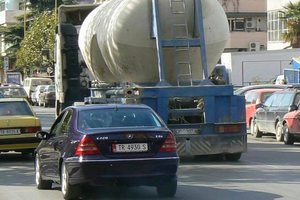
A serious accident that occurred this Wednesday with the c...

The Institute of Geosciences has shared a forecast for wea...
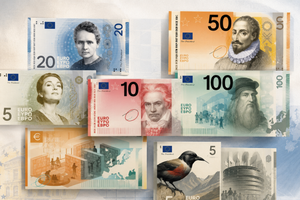
For the first time since the launch of the euro, European ...

Artificial intelligence (AI) models from the American comp...
At least 10 people have died after a fire broke out in a h...
Yemen's Houthis have claimed to have attacked two Saudi oi...

At a time when industrial products are increasingly taking...

Trust among people is not just a three-syllable word. It c...

Master of humor Todi Llupi has passed away at the age of 7...

The ninth edition of "MIK Festival" kicked off with one of...

The average sale price of apartments in Tirana reaches rec...
This Thursday, one US dollar is bought for 81.5 lek and so...
The price of diesel reached 206 lek per liter from 198 lek...

Businesses will no longer be required to simply register t...