

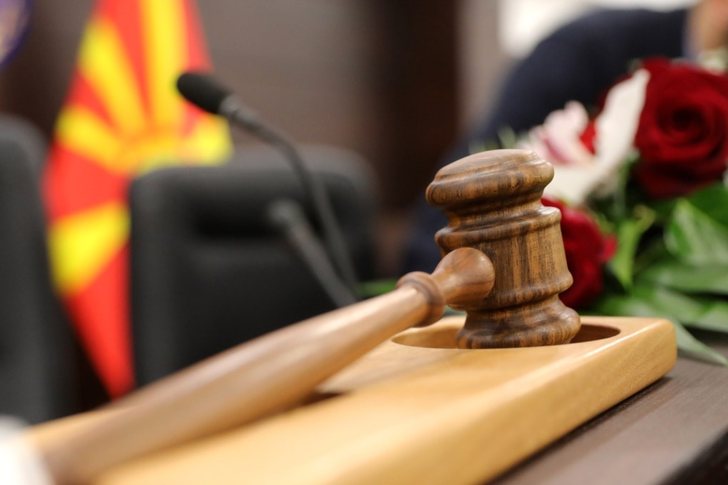
Denunciation: Dozens of officials suspected of corruption in Skopje are not being prosecuted by the judiciary
Judicial authorities in North Macedonia have not prosecute...


Air pollution in Kosovo is harmful to health in many places, especially in winter. For many families, the wood stove is also used for heating. But this is only part of the problem that Kosovo has.
The 39-year-old Roma, Faton Alija, lives in Plemetina, a village 22 kilometers away from the capital of Kosovo, Pristina. He lives there with his extended family, which includes his father and brother who live under the same roof. A good local standard, but looking west, in the direction of the road, you realize that nothing is good. Every day, just two kilometers from home, he sees the smoky chimneys of the Kosova A and B coal-fired power plants, which provide the majority of Kosovo's electricity production.
"For us who live in Plemetina, air pollution is a disaster. We cannot go anywhere else, because we cannot afford it. We are already used to living in these air conditions here", says Faton Alija. Faton supports the whole family. His income as a worker in a ceramic factory is barely enough to live on. He cannot afford to leave the main impact area of ??the power plants. He has four children. The youngest is three years old and coughs all winter.
Lignite: cause of particles
There are many causes of air pollution in Kosovo: coal-fired power plants, traffic, the use of coal in homes for heating and cooking, and industry.
The air is in the worst condition, especially in winter, when citizens use more coal for heating. To provide information about air pollution, a warning sign has been placed in Pristina in the middle of the capital's promenade, showing the air quality with big emoji faces. Through this, passers-by are warned not to breathe the air without a mask due to high pollution. Warnings are really unnecessary because anyone can smell poor air quality because it stinks of coal. This is also confirmed by Mentor Shala from the Hydrometeorological Institute of Prishtina, who reports the measurements from Kosovo to the European Air Quality Agency every day.
"Currently we are monitoring the air pollution in Kosovo. For example, we currently have the color purple in the system everywhere in Kosovo and this shows how bad the air quality is in the country. At Dardhishte station near Obiliq we have fine dust PM10 of 70.5 gr per m2. A maximum of 50 grams per square meter is allowed," says Mentor Shala.
According to the annual report on the state of the air for 2019, there were exceedances of pollution from PM10 particles in all measuring stations in Kosovo for a total of 535 days.
Unfortunately the effects of polluted air cannot be easily removed. "Air pollution causes a lot of costs and also takes lives," says Frank Hames, head of IQAir Quality from Switzerland, which is known for its precision air pollution measurement technology, but also for cleaning equipment.
Air pollution an invisible killer
Pulmonologist Dr. Musa Hoxha, director of the Lung Department at the University Clinical Center in Pristina, knows the problem in Kosovo. "It is the fine dust particles PM2.5, which are so small that they enter the human blood through the alveoli of the lungs. This is especially a problem for pregnant women, the elderly and children, because it causes many diseases." says the pulmonologist.
For him, the cities of Obiliq and Hani Elez are the places with the highest pollution in Kosovo. "Residents in these areas are the people who are at greater risk of getting sick with chronic diseases such as asthma or lung cancer."
Experts say that 760 people die in Kosovo every year as a result of air pollution. Fatoni's family is also affected: "My mother and the other two members of my family were sick, because they were constantly breathing in extremely bad air. My mother was only 49 years old when she died of lung cancer."
Antti Kaartinen, spokesperson for the European Environment Agency, says that according to statistics "Kosovo has the fifth highest mortality rate due to high levels of PM2.5 and ozone".
Good filters cost a lot
Environmental activist and ecologist Adhurim Hoxha from Pristina accuses the public sector of not doing enough to keep the air clean. "The filters of the coal-fired power plants have not been changed for a long time, that's why the air in Pristina, Obiliq and Plementin is so bad. The costs for good filters run into millions. So far there has been no money from the public budget for new filters ."
In Plemetina, Fatoni knows the reasons and yet he too is a prisoner of this system. There is no heating in his house. In addition to the kitchen - the living room, where there is a stove, which he heats with coal. "This year the coal was of very poor quality," he recalls, "it was wet."
The consequences directly affect him and his family. After refilling his stove on this cold January day by moving the cover plate, he checks the air in the living room with an IQAIR air quality meter. Shocking result: At 320 µg/m³, the percentage of air containing respirable PM2.5 particles is worse than the higher limit value. The display, which always shows the worst air from green to yellow to red, shows the highest level in purple. The icon is scary. He must keep a respirator in his living room. He is also part of the problem, from which he and his family suffer.
Kosovo has pledged to produce its energy in a climate-neutral way by 2050. Apart from a wind farm and a solar power plant, there is still no concrete measure on the horizon. Many measures will be needed. If these start in Obiliq, Fatoni will be lucky and will be able to live healthier in Plementina./ DW

Judicial authorities in North Macedonia have not prosecute...
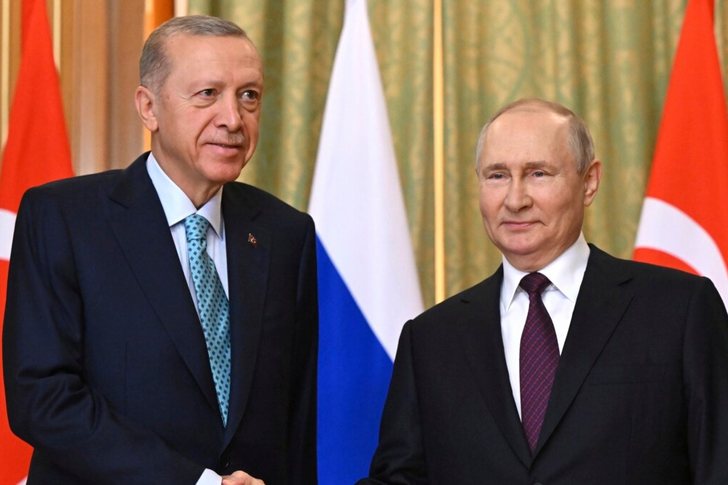
Russian President Vladimir Putin will visit NATO member Tu...
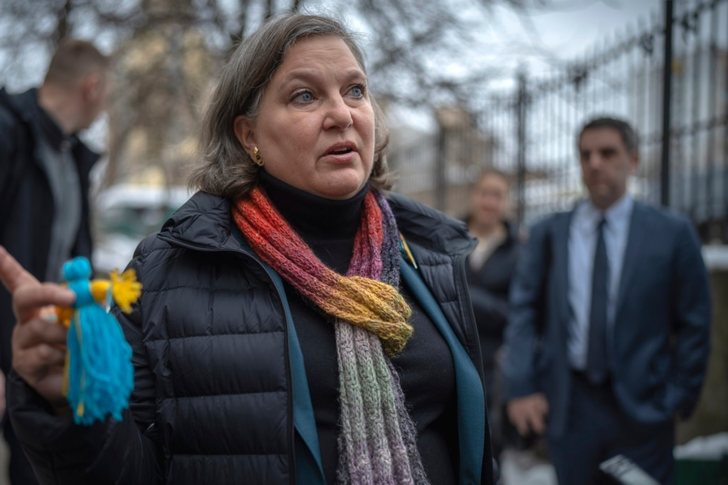
US Deputy Secretary of State Victoria Nuland arrived in Uk...
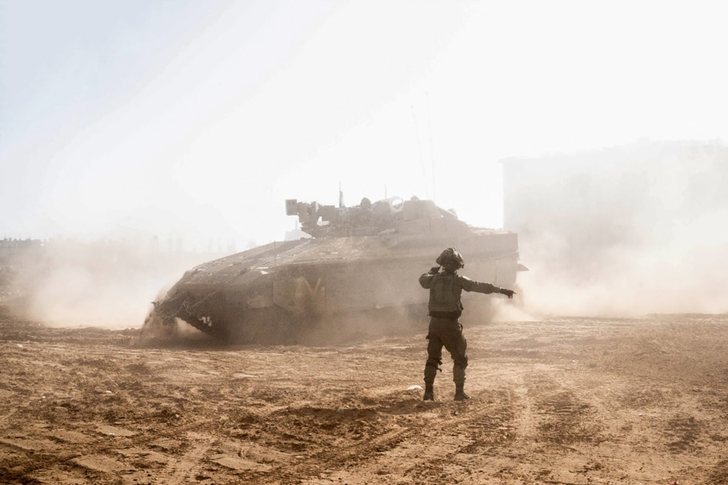
Israeli forces on Wednesday carried out airstrikes in the ...
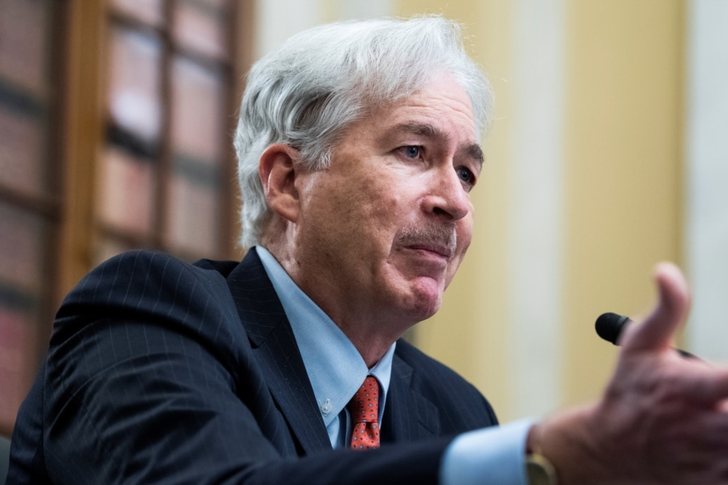
Russia's war against Ukraine has eroded Vladimir Putin's g...
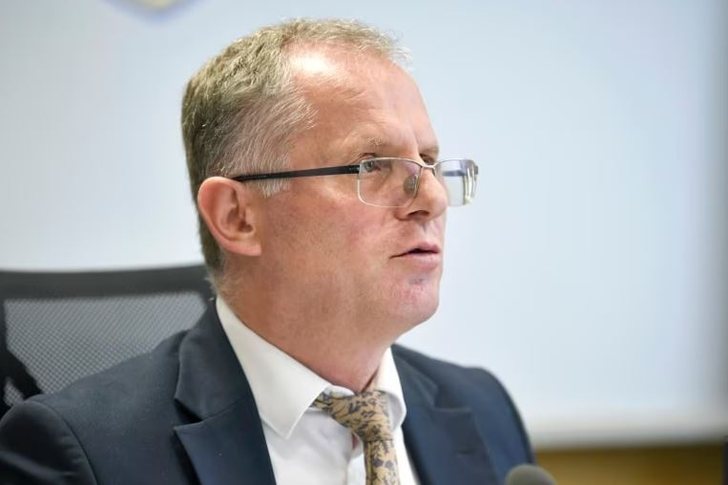
Zëvendëskryeministri i Kosovës, Besnik Bislimi, ka kon...
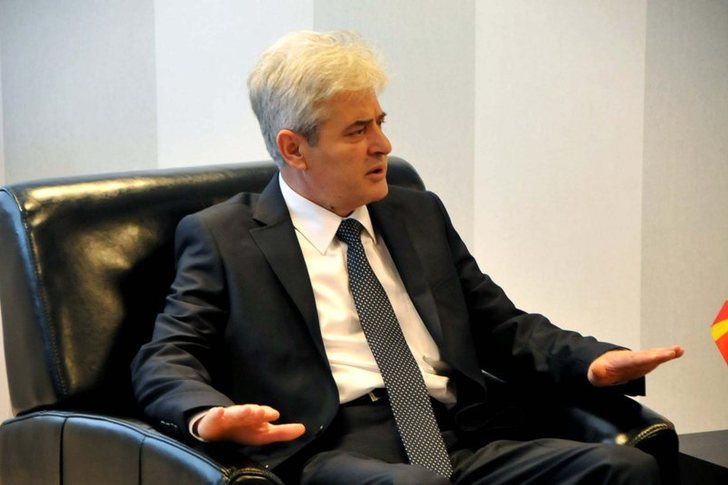
Kryetari i Bashkimit Demokratik për Integrim në Maqedo...
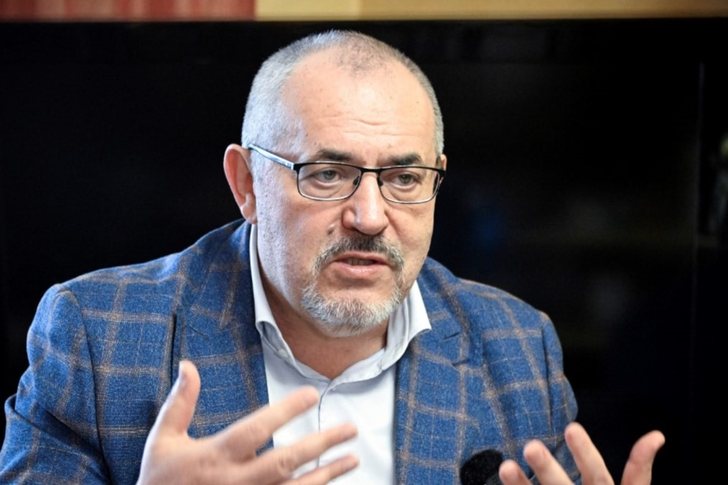
Russian opposition politician Boris Nadezhdin, who has...
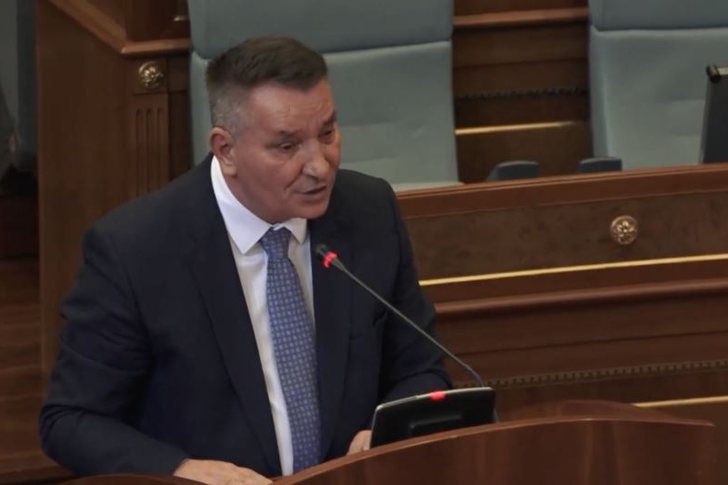
A court in Pristina sentenced on Wednesday the former ...

Universal Music is pulling millions of its songs from soci...
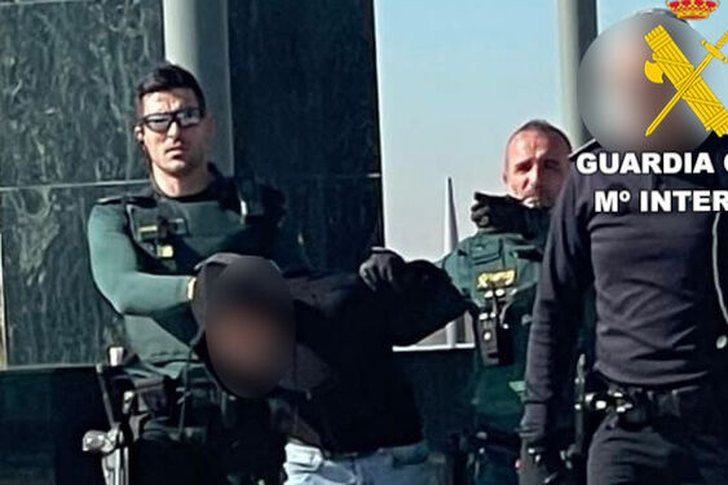
The Spanish authorities have arrested a criminal group tha...
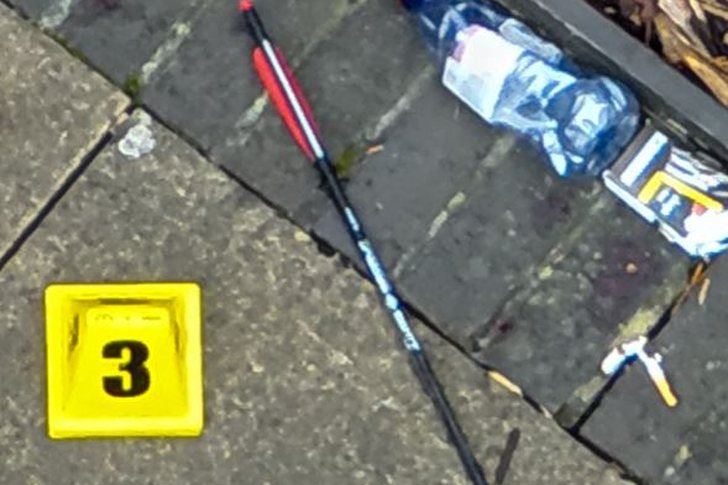
An attacker armed with a knife, sword and body armor h...

Imran Khan and his wife Bushra Bibi have been sentenced to...
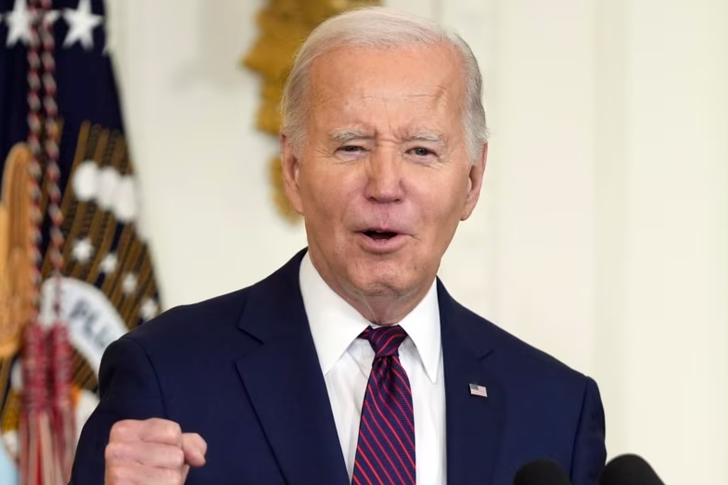
As the United States prepares for "multiple actions" i...
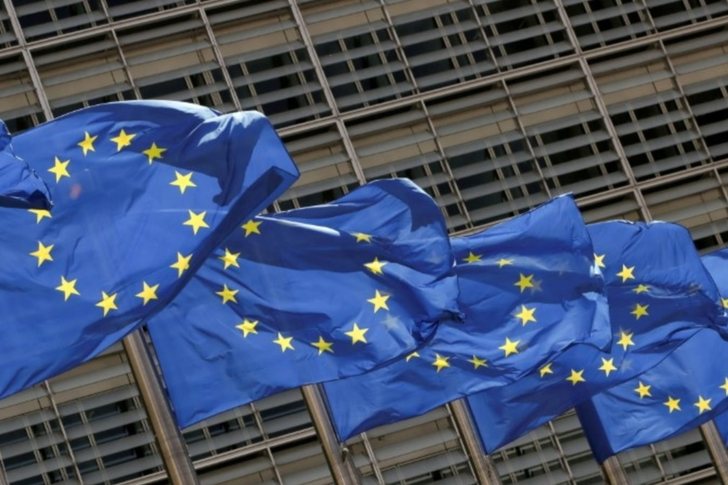
European Union countries have agreed to adopt a long-term ...
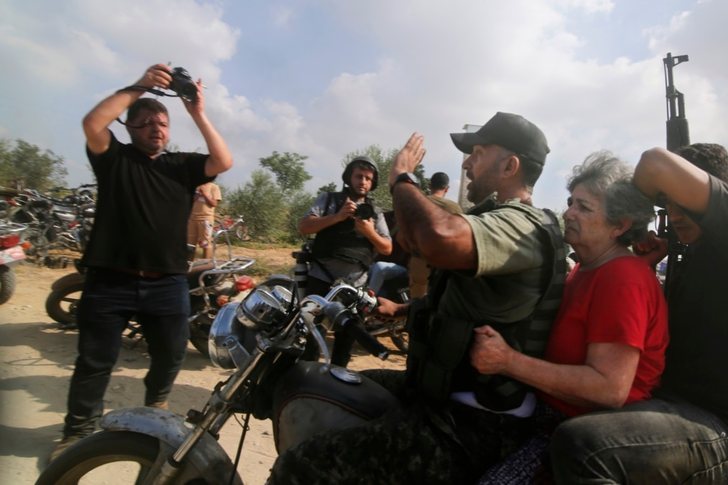
Hamas said on Tuesday it was considering a new proposal fo...
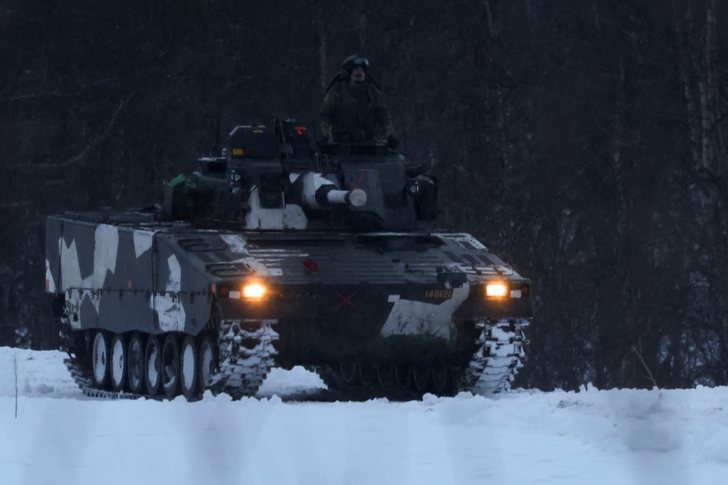
Germany, the Netherlands and Poland signed an agreement on...

The Illinois State Board of Elections decided on Tuesday t...
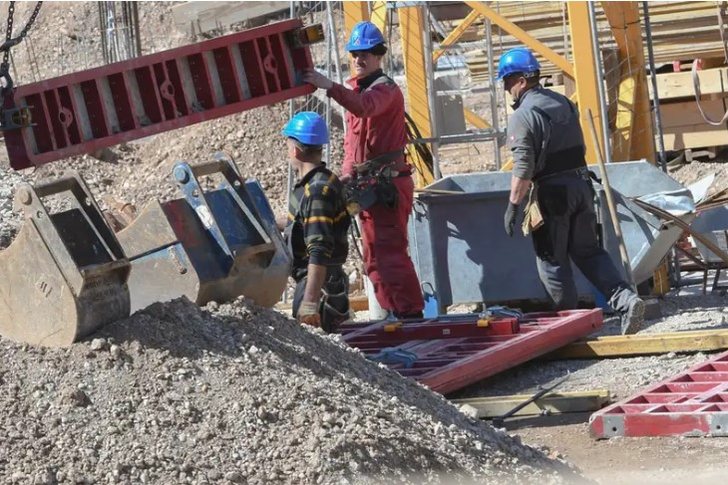
The volume of the undeclared economy in Germany is expecte...
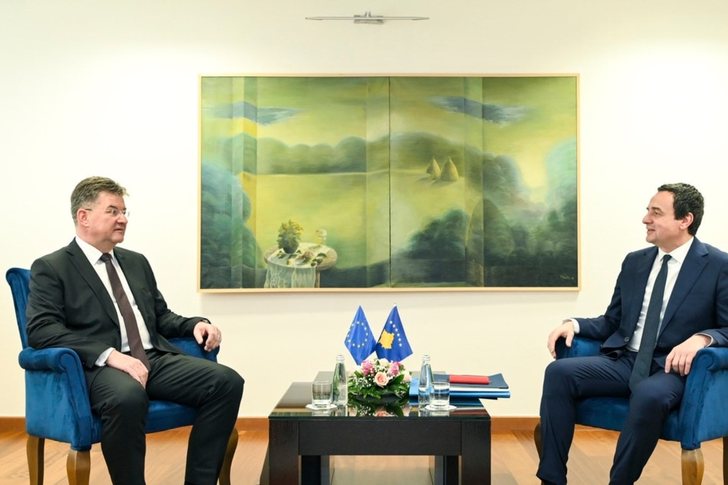
The special envoy of the European Union (EU) for the dialo...

CNA has launched another investigation that could lead to ...

Irfan Hysenbelliu is a businessman that we call "Irfan the...

In March 2026, CNA launched another investigation centered...
The arrested mayor of Tirana, Erion Veliaj, with 13 charge...

The Special Board of Appeal (KPA) decided this Monday ...

The KPA vetting decided this Thursday to dismiss the p...

Suela Salavaçi, a prosecutor in the Prosecutor's Offic...

The Special Board of Appeal reinstated the prosecutor ...
A conflict occurred this Thursday evening in the toy area ...
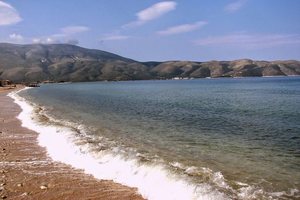
A person has died today on Orikum beach. According to repo...
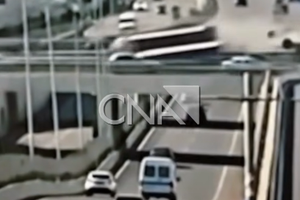
Footage emerges from the serious accident that occurred th...
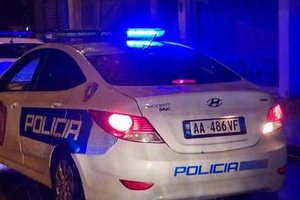
A Shkodra traffic police officer was hit with hard objects...

Children without parental care, for whom alternative famil...

On Thursday, our country will be under the influence of st...
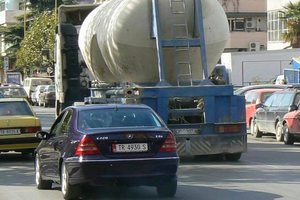
A serious accident that occurred this Wednesday with the c...

The Institute of Geosciences has shared a forecast for wea...

The European Union Office in Kosovo has called on all poli...
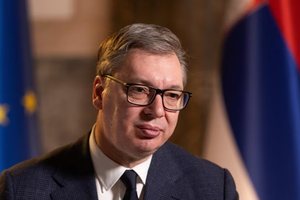
Serbian President Aleksandar Vučić, at a press conference ...

For the first time since the launch of the euro, European ...

Artificial intelligence (AI) models from the American comp...

At a time when industrial products are increasingly taking...

Trust among people is not just a three-syllable word. It c...

Master of humor Todi Llupi has passed away at the age of 7...

The ninth edition of "MIK Festival" kicked off with one of...
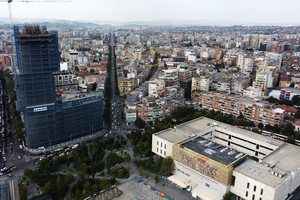
The average sale price of apartments in Tirana reaches rec...

This Thursday, one US dollar is bought for 81.5 lek and so...

The price of diesel reached 206 lek per liter from 198 lek...

Businesses will no longer be required to simply register t...