

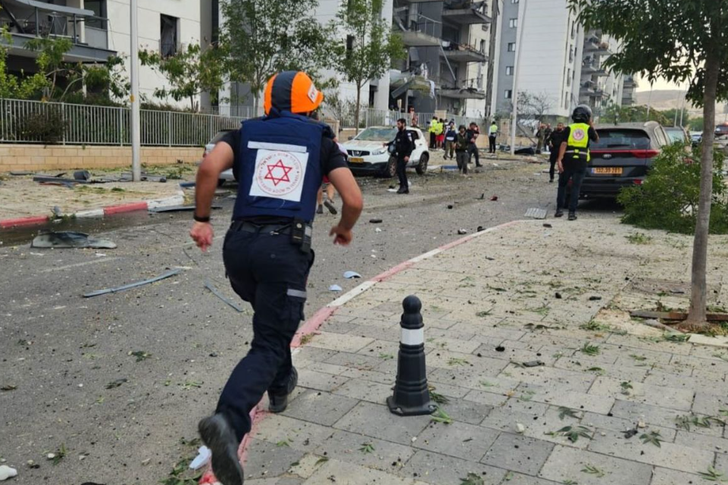
Iran attack/Fire near Microsoft offices in Beer Sheva, Israel
Emergency services in Israel are responding to fires in Be...


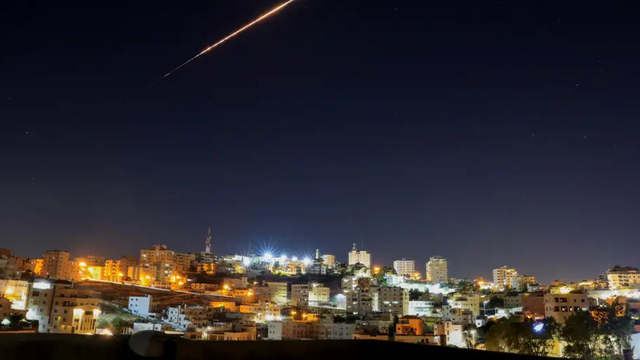
Three European foreign ministers meet with their Iranian counterparts in Geneva on Friday. Can progress be made? Intense military pressure on Tehran could facilitate this.
The foreign ministers of the so-called "E3" - Germany, France and the United Kingdom - are meeting in Geneva on Friday (June 20) to discuss the future of Iran's nuclear program with their Iranian counterpart, Abbas Araghchi. EU foreign policy chief Kaja Kallas is also expected to attend.
German Foreign Minister Johann Wadephul spoke on the German ARD program about the threat posed by Iran, which affects not only Israel but "us as well." While Iran has recently slowed down its nuclear program, enrichment has "certainly continued" and is "far above civilian levels." So what mediating role can Germany play, and what expectations do E3 ministers have in Geneva?
Röttgen: "Real change" in Middle East politics
Norbert Röttgen, deputy chairman of the CDU/CSU parliamentary group in the Bundestag, who had often criticized the previous German coalition government for its inconsistent policy towards Iran, now sees Germany in a "clear position." Chancellor Merz has "taken the lead" and made it clear that the danger stems from Iran, as the country is trying to become a nuclear power.
This is a crucial point and "a real change from previous Middle East policy," Röttgen said. But whether there will be a real change in the negotiations in Geneva remains unclear.
But why continue negotiations when diplomacy has not been able to stop Iran's nuclear program in the past? "We must prove that we are still capable of resolving conflicts in this world diplomatically," says SPD foreign policy spokesman Adis Ahmetovic. The Iranian regime must return to the negotiating table. Germany enjoys great trust in the Middle East, also because of its role in the negotiations for the 2015 nuclear deal, according to Ahmetovic.
Germany played a key role in reaching the nuclear deal with Iran ten years ago. In addition to the E3 countries, the negotiating group at the time also included the US, Russia and China.
Trump wants "unconditional surrender"
Green Party politician and Vice President of the Bundestag, Omid Nouripour, told the ARD morning program that he considers the diplomatic efforts "very good and important." He believes this could be the last chance "to prevent a major outbreak." He himself came to Germany with his family from Iran at the age of 13.
But while the Europeans want to talk about Iran's nuclear program being used only for civilian purposes, US President Trump recently spoke of "unconditional surrender." Iran must completely abandon its nuclear program. "There are a lot of uncertainties at this point," says Nouripour. "So the question is whether the Europeans will negotiate in a way that satisfies the Americans."
Although European diplomacy has often encountered its limits in the past, foreign policy expert Röttgen nevertheless sees the talks in Geneva as an opportunity, as the situation in Iran is different now and the existence of the mullahs' regime is threatened. Perhaps abandoning the nuclear program is currently "the lesser evil," says Röttgen. "The regime should be given the chance. It's good that the Europeans are offering it that."/ DW

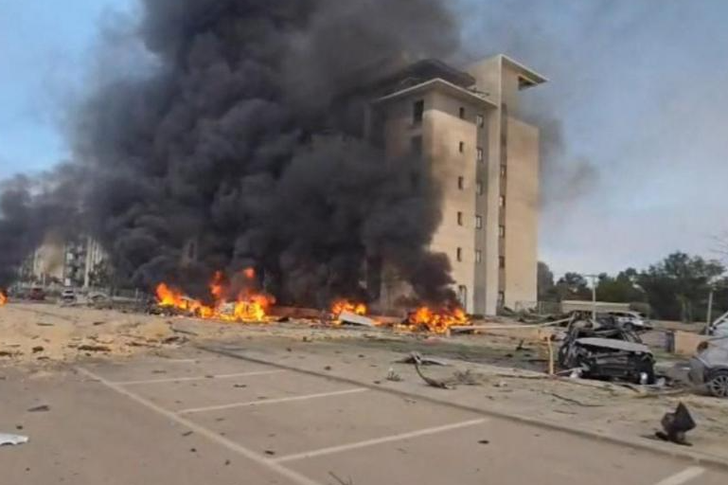
Emergency services in Israel are responding to fires in Be...
The foreign ministers of the United Kingdom, France and Ge...
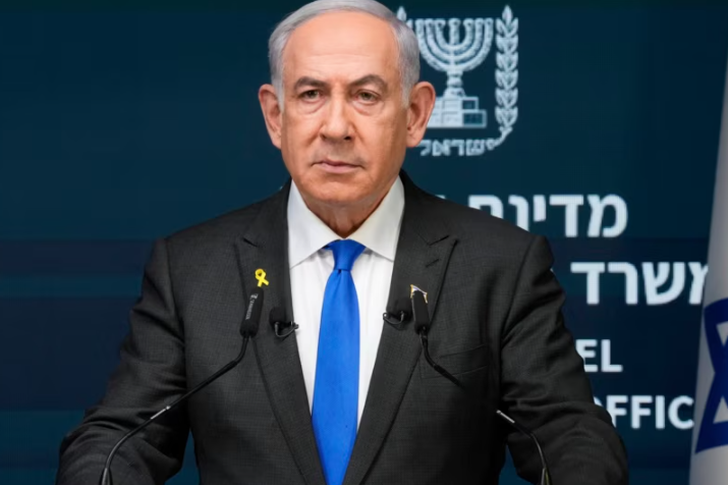
Israel is changing the "face of the world" with its war ag...
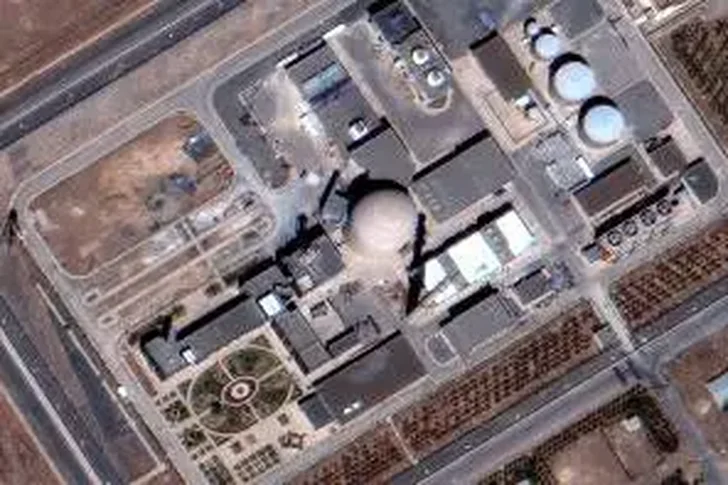
New high-resolution satellite images released today by Max...
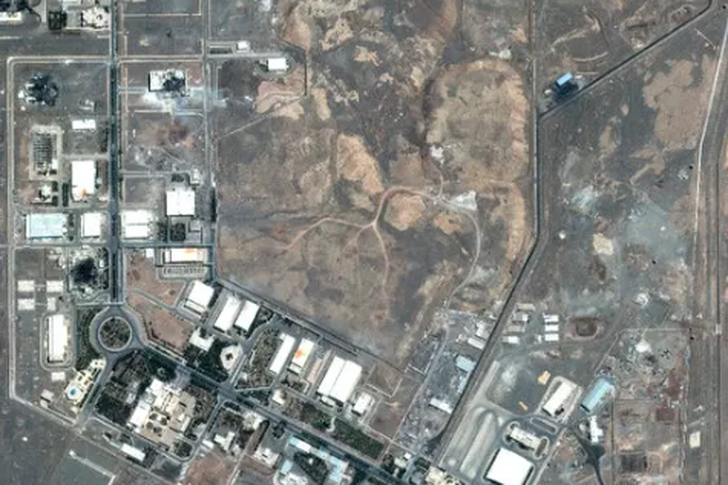
Iran's nuclear program, which Iran has always insisted is ...

According to cyber experts, a database containing a whoppi...
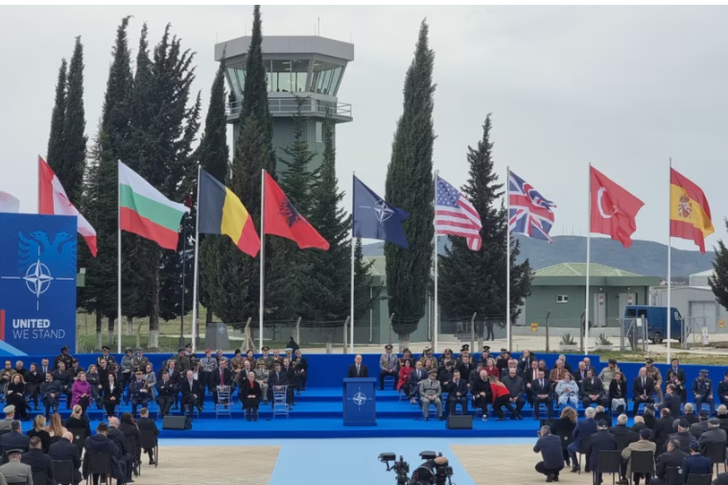
Next week's summit in The Hague is expected to confirm Alb...
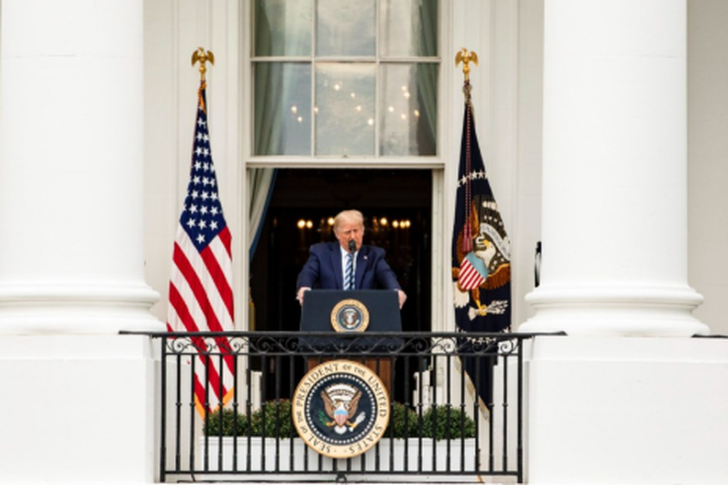
White House Press Secretary Caroline Leavitt held a regula...
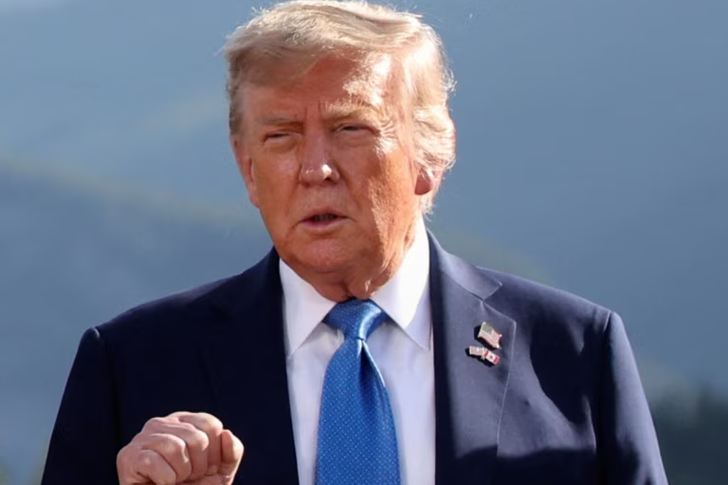
Donald Trump has reacted to reports in the Wall Street Jou...
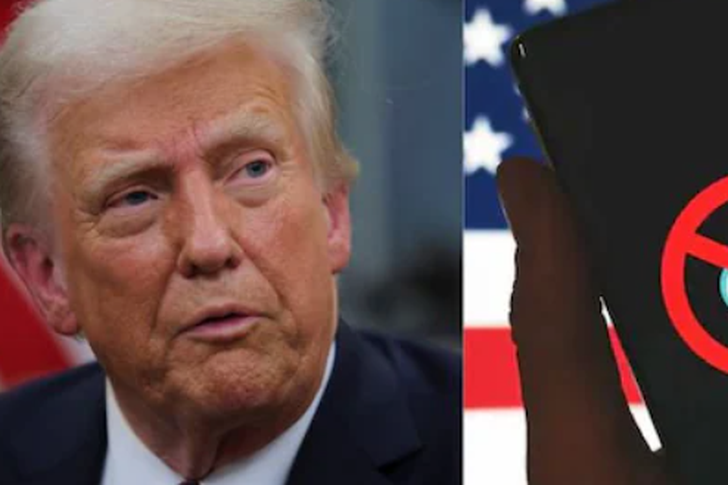
US President Donald Trump signed an executive order on Thu...
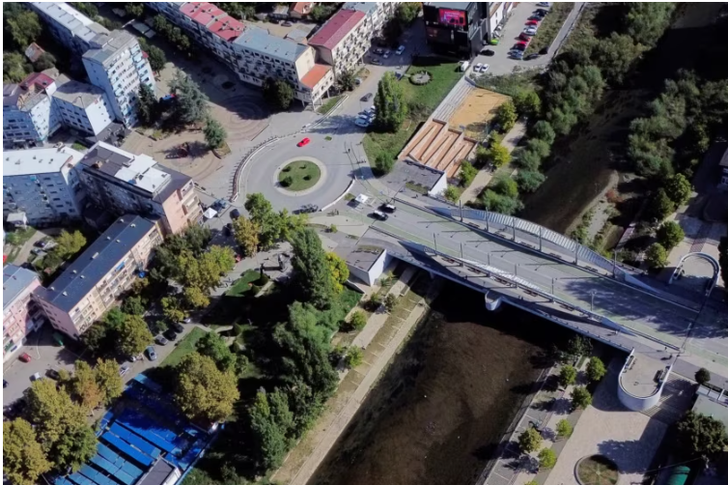
The incumbent government of Kosovo intends to build two br...
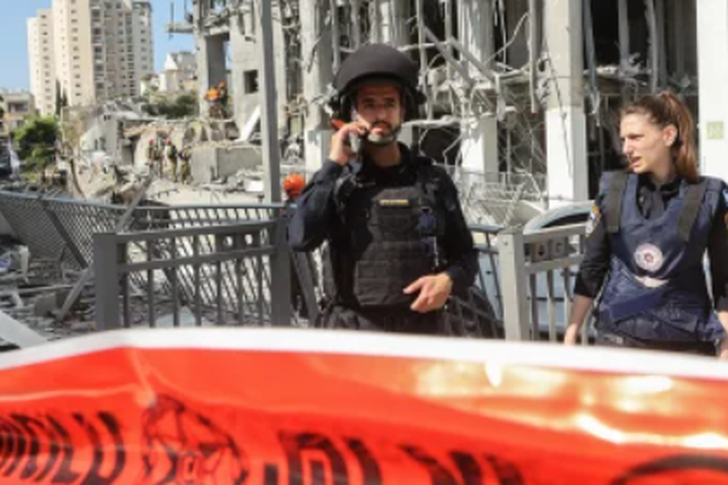
A rocket has hit near the offices of the European Union de...
Fordow appears to be one of the main targets of recent Isr...
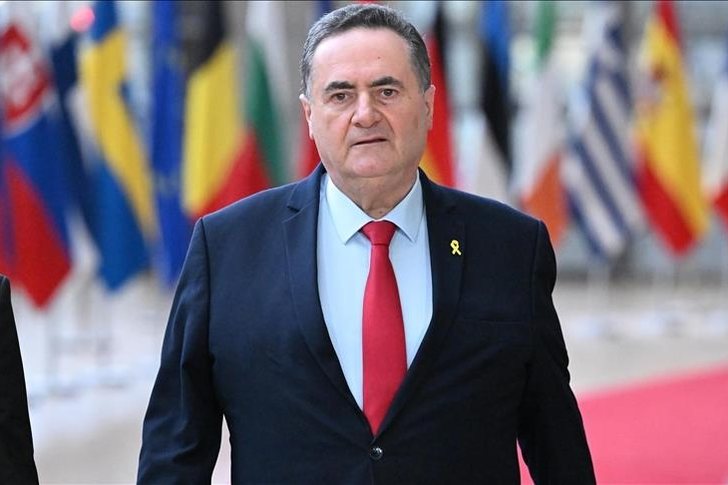
Israeli Defense Minister Israel Katz on Thursday made the ...
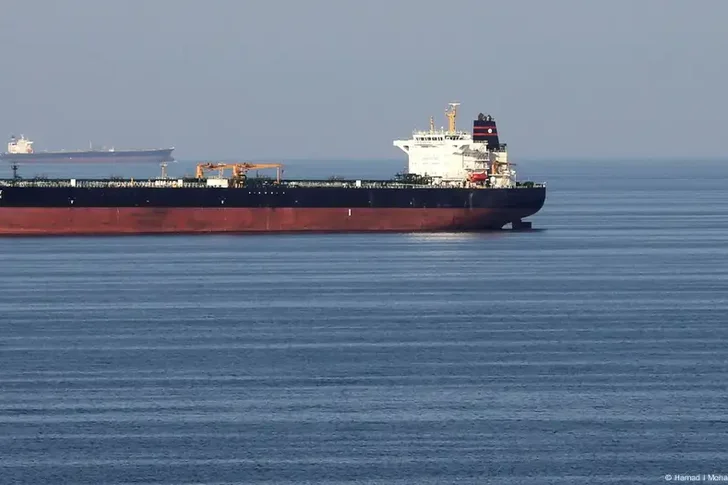
Ngushtica e Hormuzit - kjo ngushticë detare është itinerar...
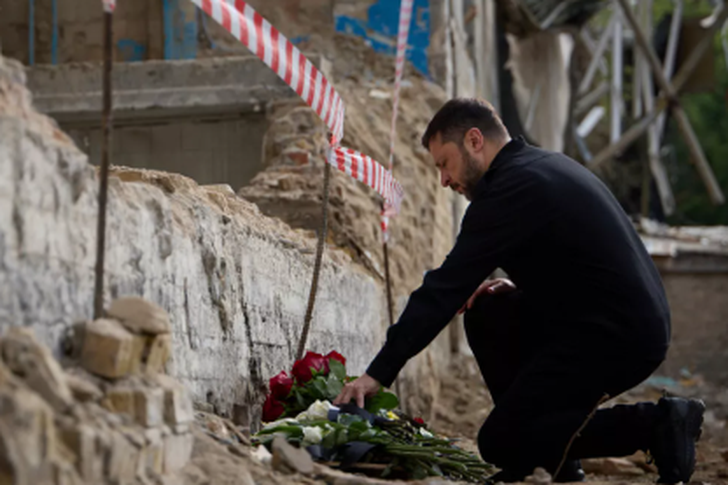
Ukrainian President Volodymyr Zelenskyy today visited the ...
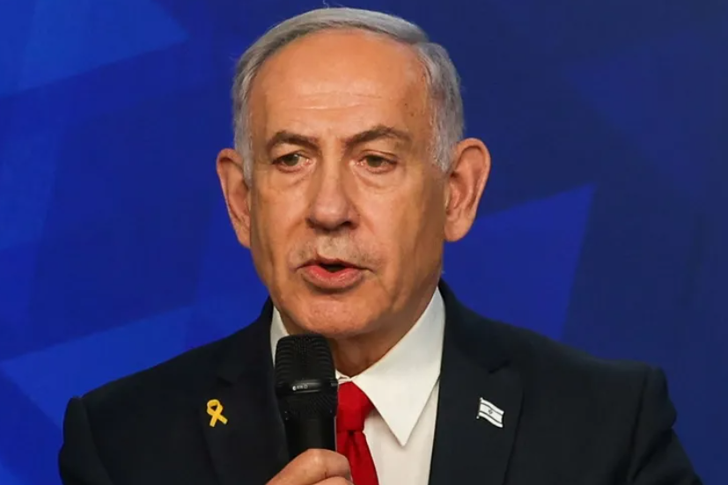
Israeli Prime Minister Benjamin Netanyahu says Israel will...
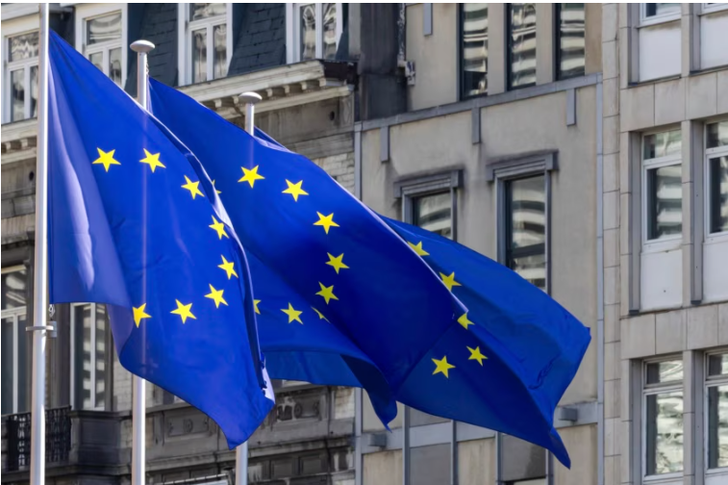
A European Union spokesperson said that measures such as r...
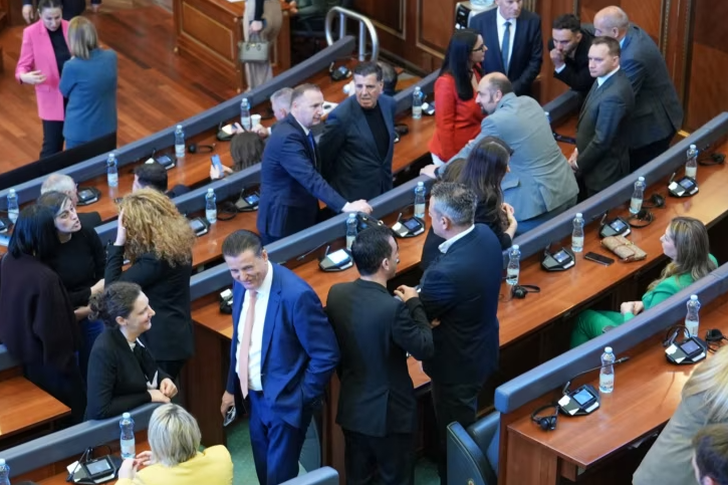
For the 34th time in a row, the members of the Kosovo Asse...
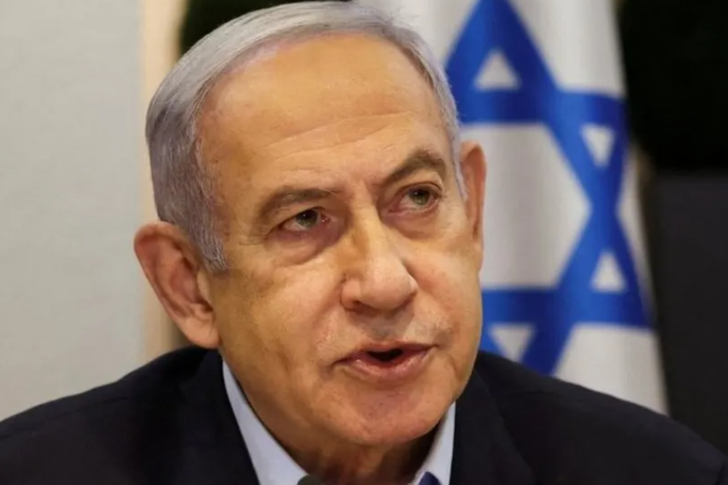
This morning, Iran fired missiles into Israel, damaging th...

CNA has launched another investigation that could lead to ...

Irfan Hysenbelliu is a businessman that we call "Irfan the...

In March 2026, CNA launched another investigation centered...
The arrested mayor of Tirana, Erion Veliaj, with 13 charge...

The Special Board of Appeal (KPA) decided this Monday ...

The KPA vetting decided this Thursday to dismiss the p...

Suela Salavaçi, a prosecutor in the Prosecutor's Offic...

The Special Board of Appeal reinstated the prosecutor ...
A person has died today on Orikum beach. According to repo...
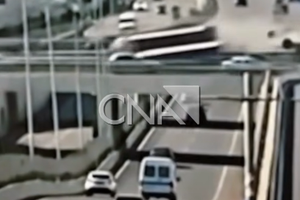
Footage emerges from the serious accident that occurred th...

A Shkodra traffic police officer was hit with hard objects...
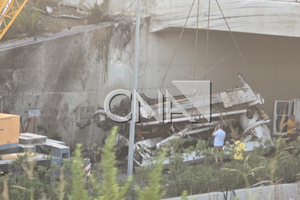
This Wednesday, around 4:00 PM, a serious accident occurre...

Children without parental care, for whom alternative famil...
On Thursday, our country will be under the influence of st...
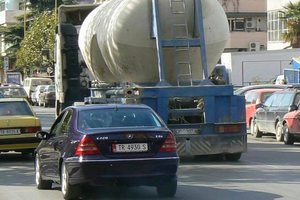
A serious accident that occurred this Wednesday with the c...

The Institute of Geosciences has shared a forecast for wea...

Artificial intelligence (AI) models from the American comp...
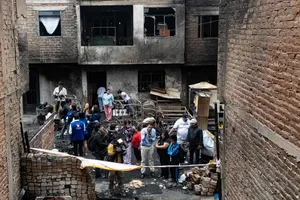
At least 10 people have died after a fire broke out in a h...
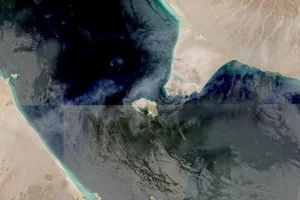
Yemen's Houthis have claimed to have attacked two Saudi oi...
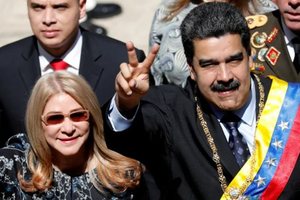
The trial of ousted Venezuelan President Nicolas Maduro on...

At a time when industrial products are increasingly taking...

Trust among people is not just a three-syllable word. It c...

Master of humor Todi Llupi has passed away at the age of 7...

The ninth edition of "MIK Festival" kicked off with one of...
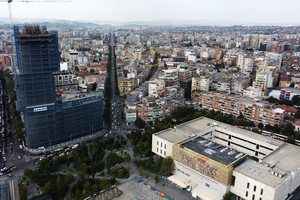
The average sale price of apartments in Tirana reaches rec...
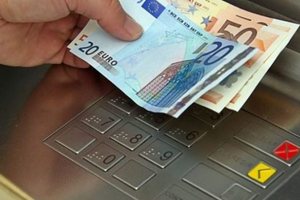
This Thursday, one US dollar is bought for 81.5 lek and so...
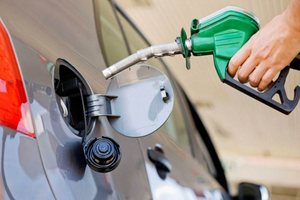
The price of diesel reached 206 lek per liter from 198 lek...

Businesses will no longer be required to simply register t...