


Alex Soros with his girlfriend for Valentine's Day/ Her important name in US politics
MSNBC contributor Huma Abedin revealed on Valentine's Day ...


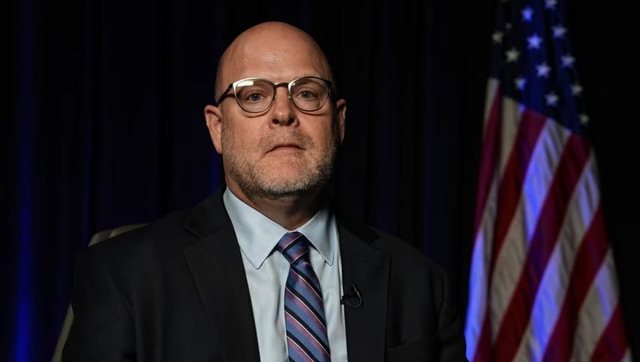
The American ambassador in Pristina, Jeff Hovenier, said on Thursday that Kosovo's decision to implement the regulation of the Central Bank of Kosovo on the banning of the Serbian dinar has affected the quality of relations between the United States and the Government of Kosovo.
"Let me emphasize how problematic it is at the moment that our governments do not seem to be working in partnership with each other. So I want us to avoid more things like this," Hovenier told reporters on Thursday.
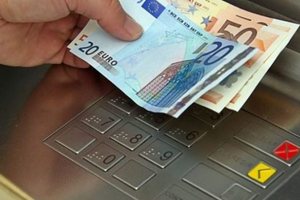
The new regulation of the Central Bank of Kosovo - which stipulates that the euro is the only currency that can be used for cash payments throughout the country - came into force on 1 February.
He said that the statements of American officials have always been clear that Kosovo should postpone the decision to implement the regulation.
"We hoped that the Government of Prime Minister Albin Kurti would commit, as partners do, to solve this issue together, instead of taking actions unilaterally... we are concerned that Kurti's Government has not done so. Any suggestion that things are okay, that we all agree with each other, is not true at all. We are concerned and frustrated, and I think Assistant Secretary O'Brien's tone reflects that very clearly." Hovenier said.
Hovenier emphasized that it is a "rare thing" for Kosovo to be criticized by the United States in the UN Security Council, referring to the speech of the American ambassador to the UN, Linda Thomas-Greenfield, who repeated her country's request for Kosovo to suspend the implementation of the CBK's decision during a session on February 9, where they discussed the dinar issue at the request of Serbia.
The harsh statements of the American ambassador in Pristina were made a day after the Prime Minister of Kosovo, Albin Kurti, tried to reject the suggestions of the American Assistant Secretary of State, James O'Brien, who said that Kosovo is jeopardizing the partnership with the United States. United after the decision to ban the Serbian dinar.
"The Republic of Kosovo does not have an important partner, ally and friend like the United States, that's how I consider it and cooperate as Prime Minister of Kosovo", said Kurti on Wednesday.
O'Brien warned on Tuesday that the United States may not treat Kosovo as a partner if it makes decisions without consulting him, following the decision to ban the Serbian dinar.
"I don't make vague threats publicly. I would say, if we are not treated as partners, we will not treat the government of Kosovo as a partner either", said O'Brien on Tuesday in an interview with Voice of America.
Hovenier said he was troubled by the public statements of Kurt and other Kosovar officials after O'Brien's interview, who claimed that the US-Kosovo partnership has not and may not be affected by this situation, adding "I have to be obviously that's not true at all. It's not."
On Monday, the CBK announced that the transition phase of the implementation of its regulation will last up to three months, while the Prime Minister of Kosovo, Albin Kurti, said that Kosovo will not give up the decision to ban the dinar for payments with cash, but that he is respecting the demands of the international community on this matter.
However, Hovenier emphasized that the Kosovar Government has not listened to the requests of the USA for the postponement of the implementation of the decision of the regulation.
He said that the United States had asked the Government of Kosovo for two specific things regarding the decision to implement the CBK regulation.
"First, a procedure must be established through which Serbia can transfer the funds in accordance with the Central Bank regulation. But this means European standards and practices. The establishment of this procedure must be discussed in the dialogue mediated by the EU We expect Kosovo and Serbia to engage constructively in this.
"Second, while working to implement this long-term process, there should be temporary provisions to allow Serbia to continue providing funds for necessary social services, including social payments, such as pensions, support for the health and education systems. So far there have been no attempts to enable this on a temporary basis," explained Hovenier.
Serbia has strongly criticized the CBK regulation, interpreting it as the goal of the Government of Kosovo to deport Serbs. The Serbian state allocates millions of euros to Serbs in Kosovo after paying them - through a parallel system - salaries, pensions and additional assistance.
For years, the People's Bank of Serbia has sent the dinars to a safe in the municipality of Leposavic, in the north of Kosovo, and they were then transported by the international company Henderson.
The CBK has said that such a practice is illegal, as only it can export and import coins and banknotes within the territory of Kosovo.
The Constitution of Kosovo stipulates that there should be only one currency for making cash payments.
Kosovo is not part of the Eurozone - which consists of 20 member countries of the European Union - but has had the euro as its main currency since 2002./REL

MSNBC contributor Huma Abedin revealed on Valentine's Day ...
What kind of warrant is this? It is about the officia...
Each NATO member country must allocate 2% of the value of ...
The chairman of the House Intelligence Committee said Wedn...
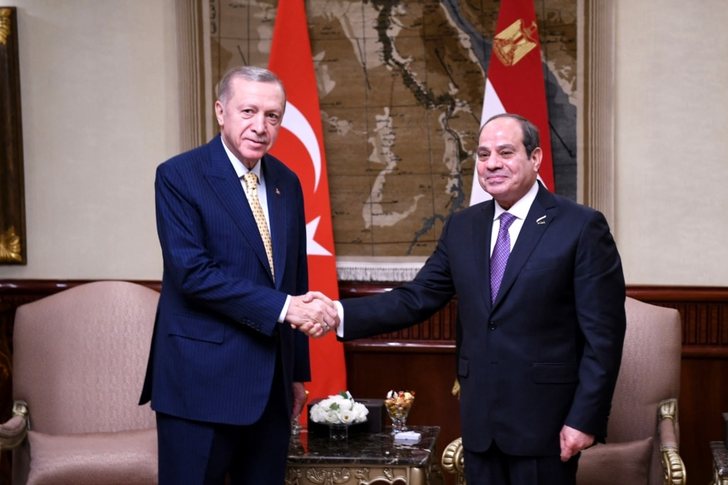
The President of Turkey, Recep Tayyip Erdogan, said on Wed...
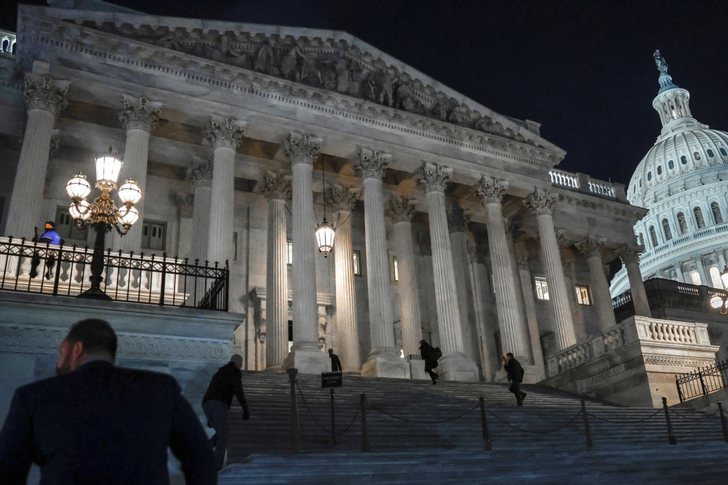
Republicans in the US House of Representatives on Tuesday ...
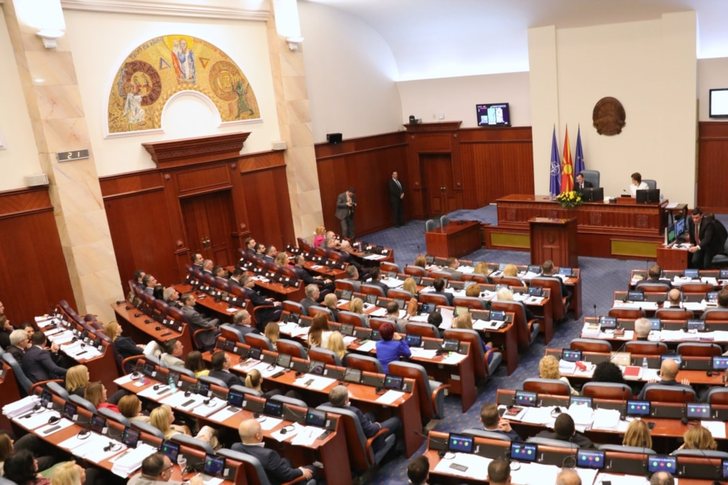
The Speaker of the Assembly of North Macedonia, Jovan Mitr...
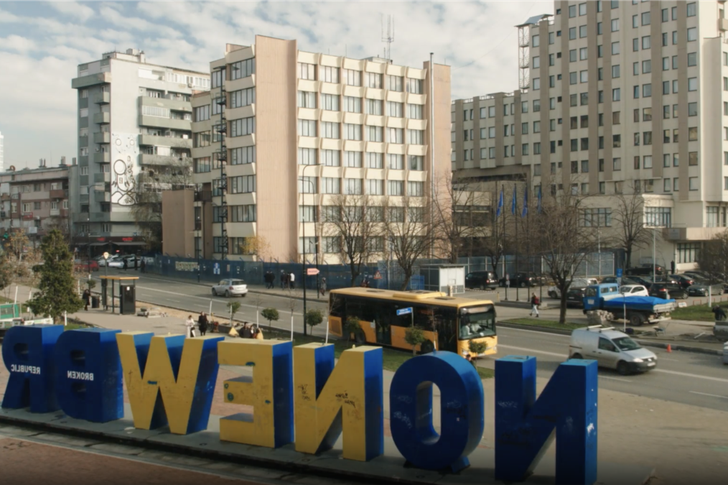
NATO Secretary General Jens Stoltenberg called on Kosovo a...
Latvia's culture minister, one of the officials Russia has...
The US Senate on Tuesday approved a $95 billion aid packag...
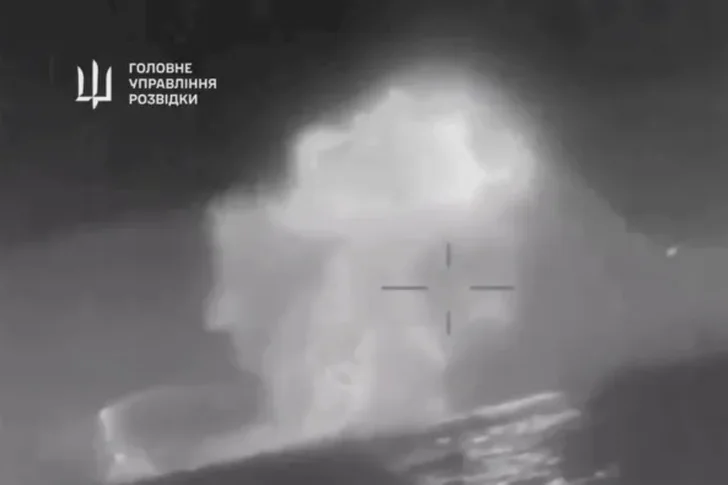
The photos below show the moment a squad of Ukrainian spec...
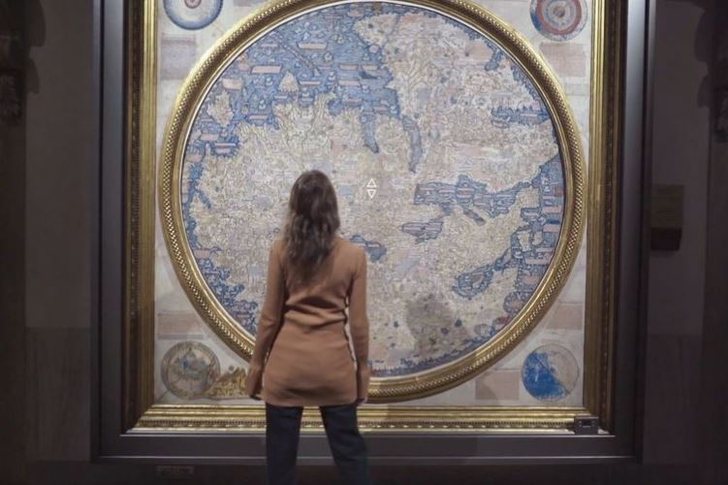
On the second floor of St. Mark's Library in Venice, a wor...
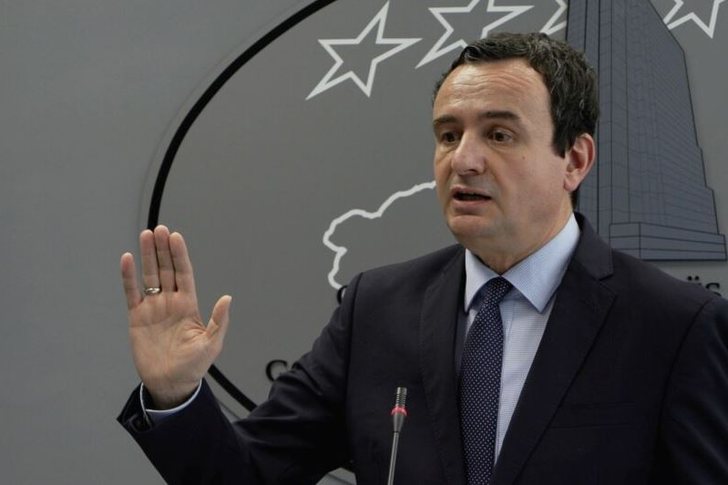
The Prime Minister of Kosovo, Albin Kurti, rejected th...

On this Valentine's Day, the problem of loneliness is ...
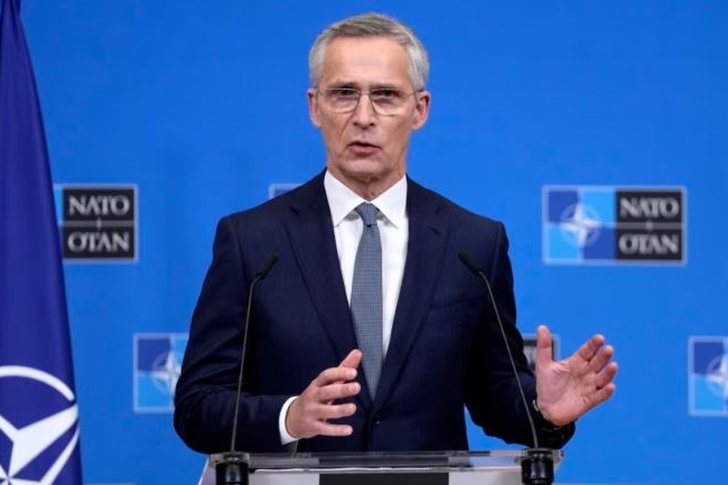
The Secretary General of NATO, Jens Stoltenberg, said that...
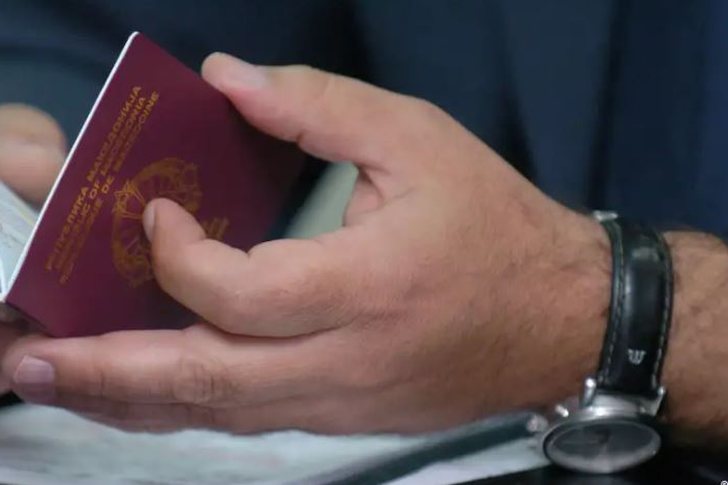
Chaos at the counters: Based on the Prespa Agreement, the ...
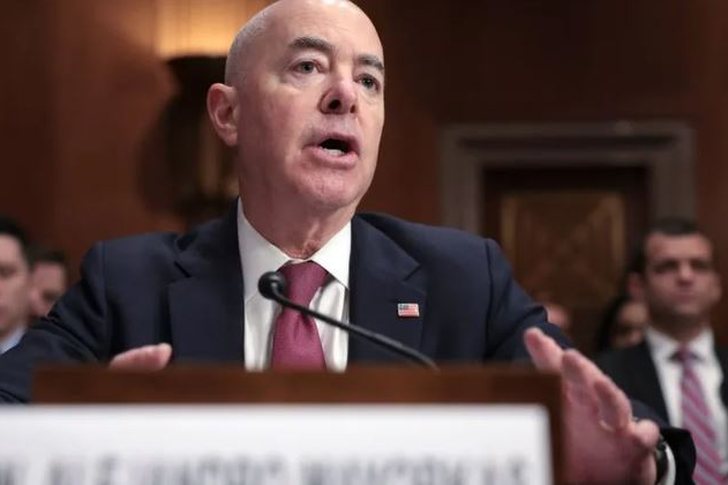
Dhoma e Përfaqësuesve në SHBA ka votuar për shkarkimin...
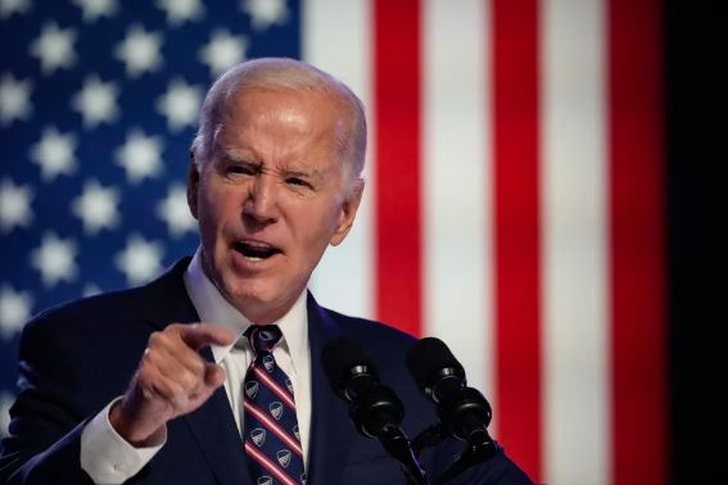
The US President, Joe Biden, has written a letter to P...

Large trucks are loaded with stacks of logs at a makes...
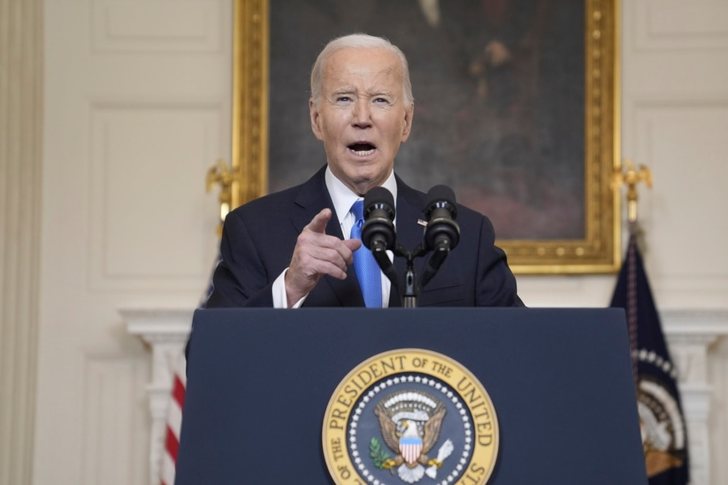
Presidenti amerikan Joe Biden i bëri thirrje urgjente të m...

CNA has launched another investigation that could lead to ...

Irfan Hysenbelliu is a businessman that we call "Irfan the...

In March 2026, CNA launched another investigation centered...
The arrested mayor of Tirana, Erion Veliaj, with 13 charge...

The Special Board of Appeal (KPA) decided this Monday ...

The KPA vetting decided this Thursday to dismiss the p...

Suela Salavaçi, a prosecutor in the Prosecutor's Offic...

The Special Board of Appeal reinstated the prosecutor ...
A person has died today on Orikum beach. According to repo...

Footage emerges from the serious accident that occurred th...

A Shkodra traffic police officer was hit with hard objects...

This Wednesday, around 4:00 PM, a serious accident occurre...

Children without parental care, for whom alternative famil...

On Thursday, our country will be under the influence of st...
A serious accident that occurred this Wednesday with the c...

The Institute of Geosciences has shared a forecast for wea...

Artificial intelligence (AI) models from the American comp...
At least 10 people have died after a fire broke out in a h...

Yemen's Houthis have claimed to have attacked two Saudi oi...
The trial of ousted Venezuelan President Nicolas Maduro on...

At a time when industrial products are increasingly taking...

Trust among people is not just a three-syllable word. It c...

Master of humor Todi Llupi has passed away at the age of 7...

The ninth edition of "MIK Festival" kicked off with one of...
The average sale price of apartments in Tirana reaches rec...
This Thursday, one US dollar is bought for 81.5 lek and so...
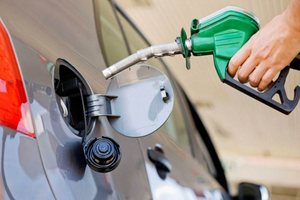
The price of diesel reached 206 lek per liter from 198 lek...

Businesses will no longer be required to simply register t...