


Biden: Dhoma e Përfaqësuesve të mbështesë ndihmën për Ukrainën ose do “t’i shërbejë Putinit”
Presidenti amerikan Joe Biden i bëri thirrje urgjente të m...


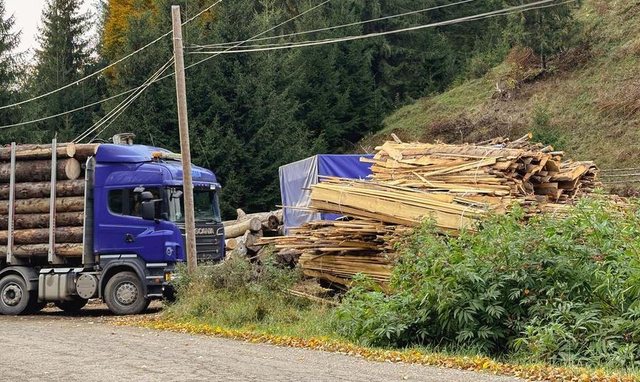
Large trucks are loaded with stacks of logs at a makeshift roadside rest stop in Romania's Suceava region, the northeastern tip that borders Ukraine and Moldova. Heavy tonnage vehicles come and go, sometimes empty and sometimes empty. This is a sight I come across often in these parts. For locals it is common. Deforestation, whether legal or illegal, no longer attracts attention. However, on this field trip together with Romanian colleagues, I am aware that being a journalist and reporting on deforestation in Romania means that you are not welcome anymore.
We prove this best at this resort, where we quickly take pictures and leave, in the direction of the center of the village. When our car makes its next stop and the driver, the only male member of the team, leaves for a few moments, my colleague Maria is stopped by a young man who demands an account of why we photographed his business a few moments ago. After a short conversation between them, from whose facial expressions we understand sometimes irritation and sometimes calming the situation, Maria explains to me succinctly that the owner of that business is exactly him, and claims that everything is licensed and is being carried out according to the law.
After we have separated from him and continue on our way, we check the license plate that we remembered from the scene in the system, to understand more about the history of the company. No official denunciation against him, but from another search we find out about the owner's family connection with one of the politicians of that area.
Since 2021, Romania has made available to citizens an "online" database called "SUMAL 2.0", which helps them report abusers. "With the development of the 'Forest Radar' system, a system of which tracks the timber mass in real time, the phenomenon of illegal logging has decreased significantly. If in 2014 at the national level, illegal logging reached 292,000 cubic meters, in 2023 we had a figure of 72,970 cubic meters," the Romanian Ministry of Environment, Water and Forests told Deutsche Welle.
The risk of extermination of centuries-old forests
Ciprian Galusca from the environmental organization "Green Peace" has been researching the phenomenon of deforestation since 2016. "I would describe forest management in Romania as a glacier. Today we see its peak, because many efforts have been made by organizations, activists, foresters and even journalists, who have contributed to the exposure of illegal logging. But the reality is that there is another part of this glacier under water, which is much bigger and more important. Because it is related to virgin forests and rare values, the only ones left in Europe," Galusca told DW.
According to him, the most problematic region for massive and illegal logging is Suceava. "In the last 20 years, in the entire area of ??the Carpathians, we have lost about 4 hectares per hour" - emphasizes Galusca, a value which is estimated at over 700 thousand hectares over two decades. And together with the forests, the entire chain of biodiversity is endangered , especially the brown bear.
"In Romania there is still the last population of large carnivores, which means that the country still remains a good habitat for these species. But the reality is that they are seriously threatened as a result of aggressive intervention in the forests. We see a decrease of these species because centuries-old forests are being destroyed".
It seems that no tree is spared from being targeted by the timber industry and forest traffickers. "If we look at the practices followed and the market, we understand that spruce and conifers are generally preferred, because they grow straight and in a standard shape. But now the industry has also started to use deciduous trees, such as beech, as it is used in large quantities widely for woody biomass, for energy production" - analyzes Galusca.
According to the data made available to us by the Ministry, during the year 2023, 6413 cases of illegal logging were recorded and a volume of wood illegally cut in the amount of 73 thousand cubic meters.
Illegal logging and lives at risk
In contrast to previous years, where illegal logging prevailed, recently it seems that those companies that have the license to log, but abuse logging even within areas with a very rich ecosystem, have become a concern.
"When you go to the forest, you see that there are marked and unmarked trees. And for example, on the papers you have a log with a diameter of 30 centimeters, which in reality is 40 or 50 centimeters. So in the documents, the size of the logs that are cut is reduced and then everything else is done illegally" - says Mihai Dragolea, author and director of a documentary on deforestation in Romania, who has risked his life in the field, together with a colleague of his.
Në vitin 2021 ata nisën punën për të dokumentuar fenomenin. Në terren shkuan bashkë me një aktivist mjedisor i cili që prej vitit 2020 kish denoncuar në rrjetet sociale persona dhe kompani abuzuese. Kamera e tyre nuk u prit mirë në atë klimë të acaruar prej kohësh, dhe Mihai me ekipin e tij u dhunuan keqas në rajonin e Suceava-s, por mundën të shpëtojnë në kohë. "Kur nisëm xhirimet, kuptuam se kishim hyrë në një botë që nuk e njihnim” – tregon me sinqeritet Dragolea për DW. Për ngjarjen e rëndë nuk u dënua askush, edhe pse ndaj dhunuesve pati një proces gjyqësor. Megjithatë, e gjithë situata e rëndë nuk e ndaloi regjisorin e ri që të vijojë punën. Shpagim për atë që pasuan, duket se do të jetë dita kur dokumentari të shfaqet anembanë botës. Mihai dhe bashkëpunëtorët e tij ishin me fat. Ndër vite në Rumani kanë humbur jetën edhe rojtarë pylli. Rasti i fundit u shënua në tetor 2019, kur Liviu Pop, u qëllua për vdekje me një pushkë gjahu teksa po luftonte prerjen e paligjshme.
"Përfituesi më i madh nga pyjet rumune, është industria. Druri që përfundon për mobilje, ai i papërpunuari, arrin shifrën 300 mijë – 500 mijë metër kub në vit” – thekson Galusca.
Ndërsa ministria e Mjedisit, Ujërave dhe Pyjeve, thotë se "Në situatat kur volumi i masës drusore i gjetur në terren është në realitet më i madh se ai i përcaktuar në lejen e shfrytëzimit, atëherë operatori ekonomik kërkon rregullimin e sasisë së prerë të drurit, në përputhje me atë që është miratuar për shfrytëzim”. Kjo, sipas ministrisë, realizohet përmes inspektimeve në terren nga policia pyjore dhe nga vlerësimet e përfshira në Dokumentin e Vlerësimit të Volumit (APV), ku rezulton se në 95% të rasteve kompanitë e zbatojnë kuotën e përfshirë në lejen e shfrytëzimit dhe vetëm 5% ka një devijacion, që "u bën bisht” kontrolleve të institucioneve.
Përveç industrisë, konsumatorët janë një pjesë e qenësishme e përdorimit të lëndës drusore. Referuar statistikave zyrtare Rumania ka rreth 3 milionë konsumatorë që si burim për ngrohjen gjatë dimrit kanë drurin, shifër vjetore e cila kap shifrën e 15-20 milionë metër kub.
Ligje që mungojnë apo ligje që nuk zbatohen?
Tri vite më parë, Komisioni Evropian ndërmori hapa ligjorë ndaj Rumanisë – vend anëtar i Bashkimit Evropian që prej vitit 2007 – për mosmbrojtjen e pyjeve të fundit natyralë në rajon, pas lobimit të pandërprerë të organizatave ndërkombëtare mjedisore "Agent Green”, "ClientEarth” dhe "EuroNatur”. Shkak për këtë masë ekstreme ishte prerja e paligjshme ndër vite edhe brenda zonave të mbrojtura. Në fakt, sitet e "Natura 2000” kanë qenë për shumë dekada "zona të nxehta” të masakrës pyjore në Rumani.
"On paper, Romania has the greenest legislation in Europe. It already has tracking legislation, with the installation of GPS systems in trucks, electronic databases, etc. But it is very difficult to follow this legislation with a very small team of people working in the police forestry or other institutions. There are not enough people to understand all that is happening in the forests. As for the national parks, there is strict protection being implemented. Are we satisfied with this protection? No, it is not enough Because we see that there are many cuts even within these protected areas. The managers of these parks do not have the ambition and determination to really protect these parks. And there is also a lack of interest on the part of the Ministry of Environment, because after all, it is the institution that must decide on the protection of these areas" - concludes the representative of "Green Peace".
The ministry itself says it has a concrete plan for illegal logging, implementing policies to take possession of privately owned forest funds, even in cases where the owner is unknown./DW

Presidenti amerikan Joe Biden i bëri thirrje urgjente të m...
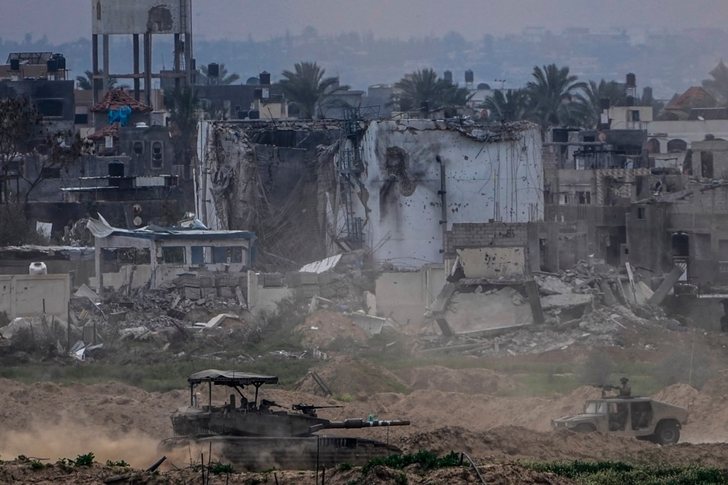
Talks involving the United States, Egypt, Israel and Qatar...

US Assistant Secretary of State James O'Brien says that th...

Experts say that the Israel-Hamas war is the most dangerou...

The Russian police have added the prime minister of Estoni...

The US Senate approved a $95.3 billion aid package early T...

The personal documents of the citizens of North Macedonia ...
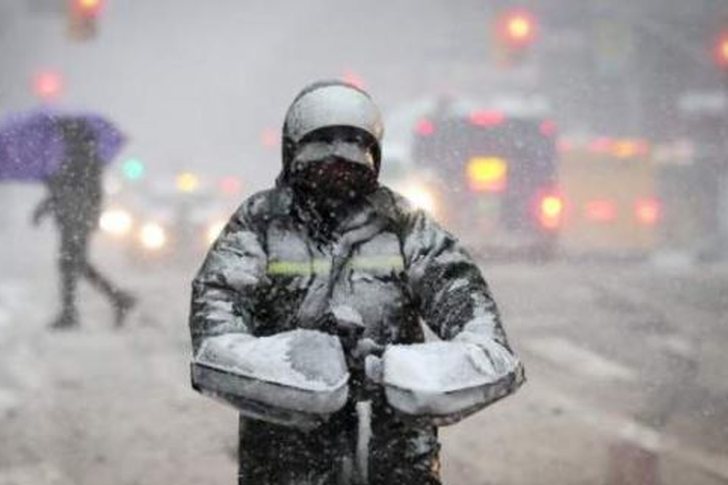
A powerful winter storm is sweeping across the northea...
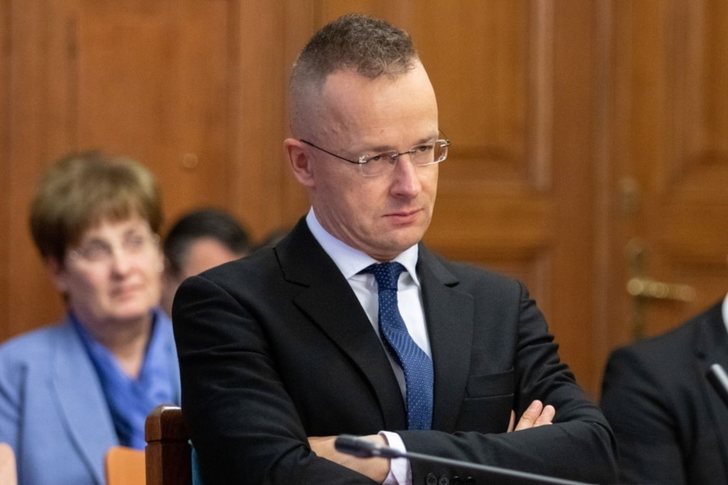
The Minister of Foreign Affairs of Hungary, Peter Szijjart...

The Prime Minister of Kosovo, Albin Kurti, said that t...
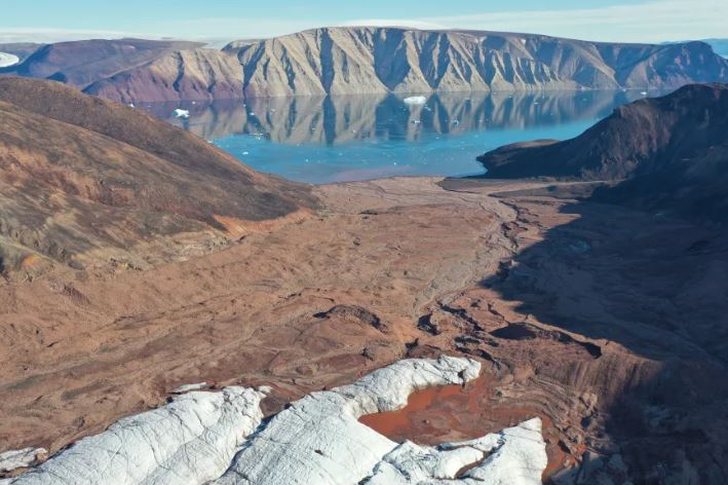
The area of Greenland's ice loss over the past three...

Russia is preparing for a military confrontation with ...
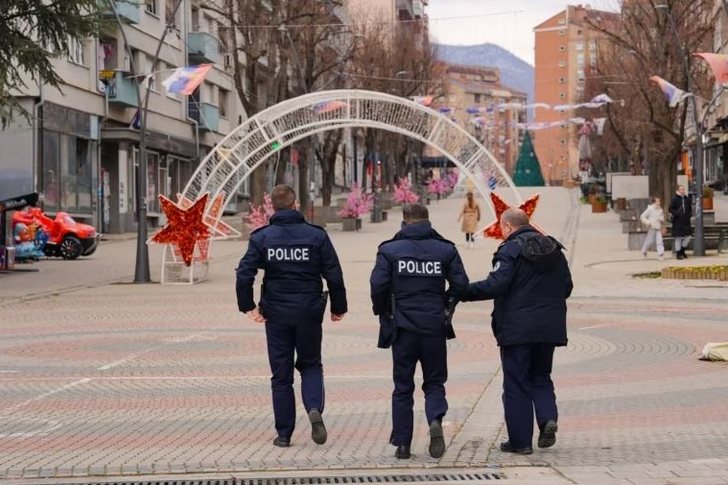
The Kosovo police have started investigations after in...
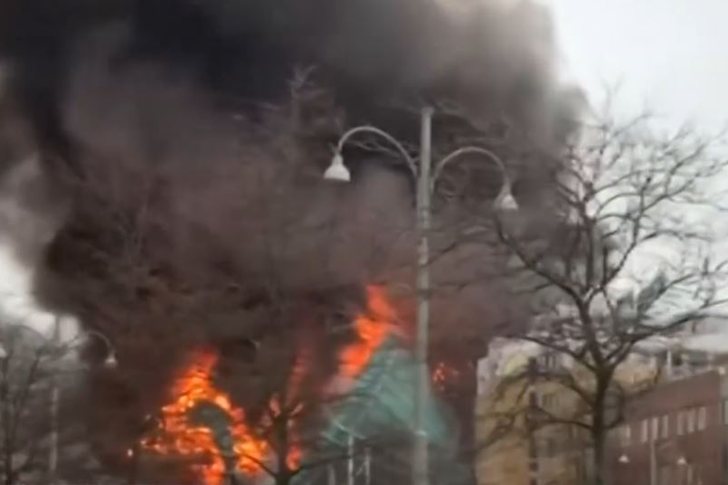
Footage shows a huge fire engulfing a newly built wate...

The agricultural equipment operator job is the number ...

President Joe Biden said Monday that the United States...
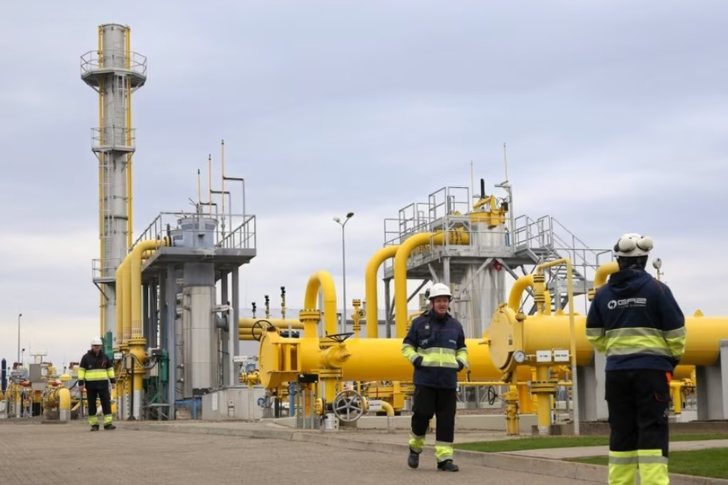
Europe's growing dependence on Norwegian oil and gas has i...
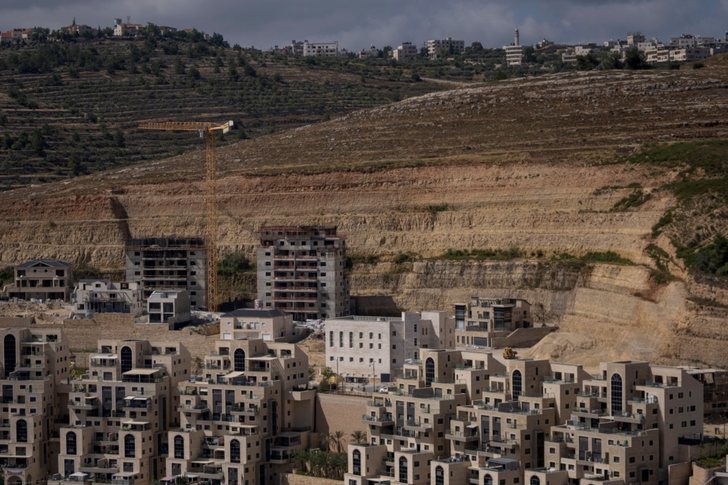
Britain sanctioned four Israeli nationals on Monday, sayin...
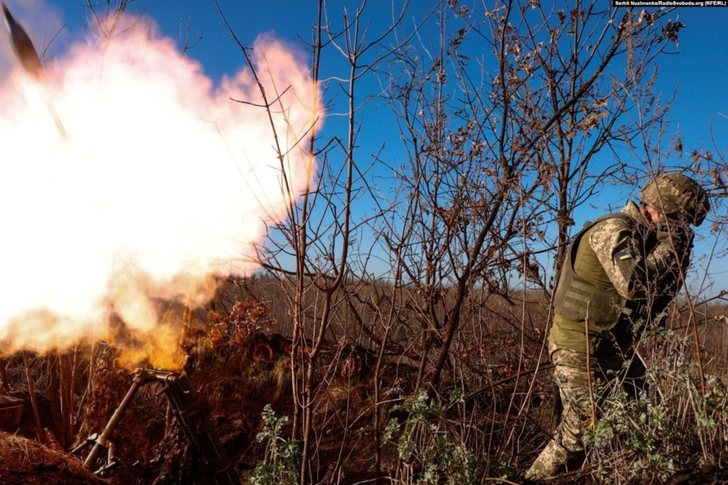
The Russian military hit Ukraine with a barrage of drones ...

Greek Prime Minister Kyriakos Mitsotakis said on Monday in...

CNA has launched another investigation that could lead to ...

Irfan Hysenbelliu is a businessman that we call "Irfan the...

In March 2026, CNA launched another investigation centered...
The arrested mayor of Tirana, Erion Veliaj, with 13 charge...

The Special Board of Appeal (KPA) decided this Monday ...

The KPA vetting decided this Thursday to dismiss the p...

Suela Salavaçi, a prosecutor in the Prosecutor's Offic...

The Special Board of Appeal reinstated the prosecutor ...

A person has died today on Orikum beach. According to repo...

Footage emerges from the serious accident that occurred th...

A Shkodra traffic police officer was hit with hard objects...

This Wednesday, around 4:00 PM, a serious accident occurre...

Children without parental care, for whom alternative famil...

On Thursday, our country will be under the influence of st...

A serious accident that occurred this Wednesday with the c...

The Institute of Geosciences has shared a forecast for wea...

Artificial intelligence (AI) models from the American comp...

At least 10 people have died after a fire broke out in a h...

Yemen's Houthis have claimed to have attacked two Saudi oi...

The trial of ousted Venezuelan President Nicolas Maduro on...

At a time when industrial products are increasingly taking...

Trust among people is not just a three-syllable word. It c...

Master of humor Todi Llupi has passed away at the age of 7...

The ninth edition of "MIK Festival" kicked off with one of...
The average sale price of apartments in Tirana reaches rec...

This Thursday, one US dollar is bought for 81.5 lek and so...

The price of diesel reached 206 lek per liter from 198 lek...

Businesses will no longer be required to simply register t...