

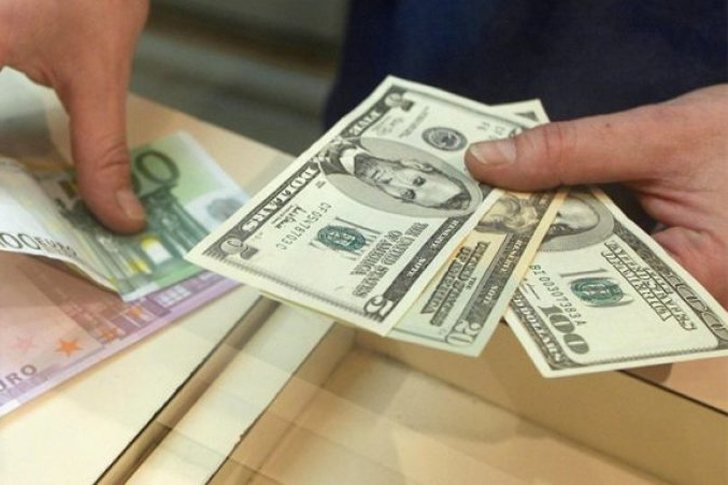
Foreign currencies today / Foreign exchange, August 11, 2023
Today, on August 11, 2023, the US dollar is bought at 93.8...


Millions of tonnes of food, often in perfect condition for use - end up in waste every year in Europe. The Brussels region aims to force supermarkets to donate expired food.
Jeannine Weyekmans and other volunteers distribute food to 150 families. Weyekmans runs a food warehouse in the Leken district of Brussels. They distribute food on Thursdays at the Protestant church there. People come here who have nowhere to go and nowhere to feed.
Carts and hand baskets are quickly filled with food. But the choice of food is limited - in this place there are foods that are donated by local supermarkets.
Some have expired but can still be used without any problems. Other products, such as oil and flour, have an EU flag on the packaging - meaning they are paid for by a European Union project.
Empty stomach and full basket
Jeannine Weyekmans tells us that people who live on social assistance, people with debts or immigrants who do not yet have their papers in order and cannot work come here. She says they check who comes in to prevent abuse - but they don't send anyone home empty-handed.
"Some people who come here live only on what we give them, from Thursday to Thursday," adds Jeannine Weyekmans.
Its grocery store is one of 140 in the Belgian capital region. The main food pantry there distributes about five million pounds of food each year to nonprofit organizations. It is terribly difficult to secure enough donations. According to Eurostat estimates, around ten percent of food from supermarket shelves ends up in the trash. In 2020, 59 million tons of food ended up in the trash. At the same time, 32.6 million people in the European Union do not have a quality hot meal even every two days.
"Bad idea with good intentions"
Alan Maron, Minister for Social Affairs in the Brussels region, says that in the Belgian capital region alone, 70,000 people depend on food donations.
Starting next year, Maron wants to force all supermarkets with a sales area of ??more than 1,000 square meters to donate food they fail to sell in time. The proposal for such a law passed the first reading, but is still awaiting final approval.
"It's a bad idea with good intentions," says Hans Cardin, spokesman for the Belgian Association of Retail Chains. As he says, supermarkets already donate a lot, while the obligation to donate would affect prices. Because now the food before the expiration date is offered to consumers at a lower price.
Colorful rules in Europe
Belgium would not be the first country to impose food donation. The Federation of European Food Banks (FEBA), which represents 351 food banks in 30 countries, has very different experiences.
Countries such as France and the Czech Republic force supermarkets to sign agreements with organizations that collect food for donations.
According to Angela Frigo, general secretary of FEBA, countries such as Italy and Moldova offer tax breaks and cut red tape to encourage shops to donate food.
Së fundi, vende si Holanda dhe Hungaria preferojnë dhurimet vullnetare. Megjithatë edhe Spanja së shpejti mund të rregullojë me ligj mbetjet ushqimore. Por FEBA nuk ka një përgjigje të qartë në pyetjen e DW nëse ligjet për dhurimin e ushqimeve të mbetura rrisin sasinë e donacioneve. Thonë se ligje të tilla herë shtojnë e herë ulin sasinë e ushqimeve të dhuruara.
Ndryshimi kryesor është një "fokus më i fortë në çështjen e dhurimit të ushqimit dhe një dialog më i thellë midis të gjitha palëve të përfshira”, sipas FEBA.
A kemi më shumë sesa mund të hamë?
Paul Milburn, një gjeograf social në Universitetin e Cardiffit, thotë për DW se çdo gjë e vogël ndihmon. Por pyetja kryesore që mund të shtrohet është, pse prodhohet kaq shumë ushqim?
Milburn beson se supermarketet kanë me bollëk ushqime – më shumë se sa mund të shiten ndonjëherë. Pra, rezulton se ne prodhojmë çmendurisht teprica që më pas do të përfundojnë në plehra. Por nuk janë vetëm supermarketet që hedhin ushqimet. Komisioni Evropian thotë se më shumë se gjysma e ushqimit në plehra vjen nga familjet private.
Komisioni dëshiron të kufizojë sasinë e këtyre mbetjeve deri në vitin 2030. Sipas rregullave të ndryshme, sasia e ushqimit të shpërdoruar në prodhim duhet të reduktohet me 10 për qind, si dhe me 30 për qind në shitje dhe në amvisëri. Propozimet ende duhet të shqyrtohen nga Parlamenti Evropian dhe vendet anëtare.
As Milburn says, it's problematic to feed disadvantaged people food that would otherwise go to waste. He thinks there are much better ways to keep everyone fed without having to go to warehouses for expired food, because these places are often associated with social stigma./ DW

Today, on August 11, 2023, the US dollar is bought at 93.8...

In total, in 4 years for the period 2019-2022 from the sta...

Today, on August 9, 2023, the American dollar is bought at...
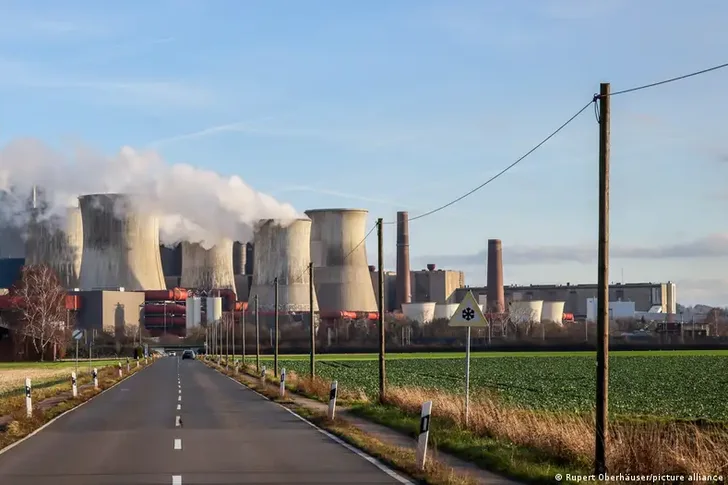
German companies cut their output unexpectedly much in Jun...

Today, on August 8, 2023, the US dollar is bought at 93.7 ...

The new draft law on real estate tax, which aims to increa...

Today, on August 7, 2023, the American dollar is bought at...
Today, on August 6, 2023, the American dollar is bought fo...

Today, on August 5, 2023, the US dollar is bought at 92.7 ...
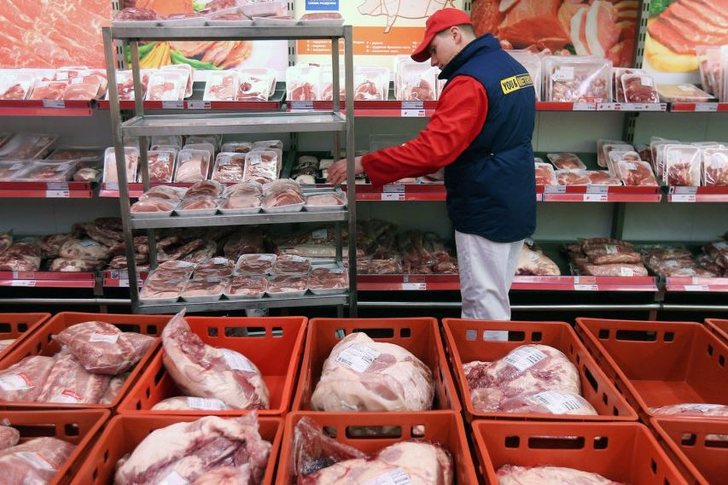
According to a report published today by the Food and Agri...

Today, on August 4, 2023, the US dollar is bought at 94.2 ...
The devaluation of the euro has affected the income of Alb...
Today, on August 3, 2023, the US dollar is bought at 92.5 ...

For months now, the euro and foreign currencies have suffe...
The governor of the Bank of Albania, Gent Sejko, has r...
Today, on August 2, 2023, the American dollar is bought at...
The 200 euro banknotes are actually not very popular and a...

Today, on August 1, 2023, the American dollar is bought at...
Associations of exporters in all sectors have issued a sta...

Today, on July 30, 2023, the US dollar is bought at 93.3 A...

CNA has launched another investigation that could lead to ...

Irfan Hysenbelliu is a businessman that we call "Irfan the...

In March 2026, CNA launched another investigation centered...
The arrested mayor of Tirana, Erion Veliaj, with 13 charge...

The Special Board of Appeal (KPA) decided this Monday ...

The KPA vetting decided this Thursday to dismiss the p...

Suela Salavaçi, a prosecutor in the Prosecutor's Offic...

The Special Board of Appeal reinstated the prosecutor ...

Footage emerges from the serious accident that occurred th...

A Shkodra traffic police officer was hit with hard objects...

This Wednesday, around 4:00 PM, a serious accident occurre...

Tirana Police have shared details regarding the accident t...

On Thursday, our country will be under the influence of st...

A serious accident that occurred this Wednesday with the c...

The Institute of Geosciences has shared a forecast for wea...
Rising energy and fertilizer prices are expected to contin...

Artificial intelligence (AI) models from the American comp...
At least 10 people have died after a fire broke out in a h...

Yemen's Houthis have claimed to have attacked two Saudi oi...

The trial of ousted Venezuelan President Nicolas Maduro on...

At a time when industrial products are increasingly taking...

Trust among people is not just a three-syllable word. It c...

Master of humor Todi Llupi has passed away at the age of 7...

The ninth edition of "MIK Festival" kicked off with one of...

The average sale price of apartments in Tirana reaches rec...

This Thursday, one US dollar is bought for 81.5 lek and so...
The price of diesel reached 206 lek per liter from 198 lek...

Businesses will no longer be required to simply register t...