


Sectoral construction plan/ From January 15, field checks for under-declaration of salaries
In the framework of the implementation of the Sectoral Pla...


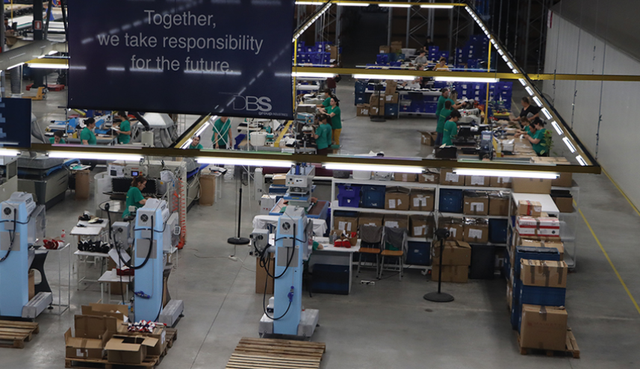
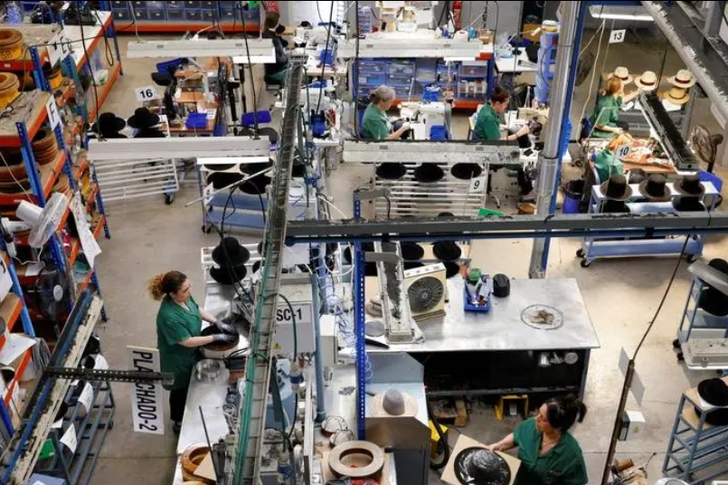
The clothing and footwear industry in Albania is entering 2026 at one of the most critical moments of its existence since the transition.
After more than two decades as a major engine of exports and wage employment, the garment industry is facing a combination of negative factors that are pushing the sector into contraction. Manufacturers warn that, if current conditions continue, the number of factories could be halved within the next three to four years.
The continued decline of the Euro, the further increase in the minimum wage, the shrinking demand from European markets, and the additional costs expected from the European Union accession process are placing the Albanian fashion industry under double pressure.
At the same time, competition from Chinese online commerce platforms such as "Temu" and "Shein" is hitting European manufacturers, directly reflecting on orders for Albania.
After three difficult years, where activity was mainly oriented towards survival rather than profit, the clothing and footwear manufacturing industry is entering 2026 with more positive, but still uncertain, expectations.
Small and medium-sized factories will experience difficulties and bankruptcies, while large factories, which have more ability to adapt, are expected to return to profits in 2026.
The sector is halved in the medium term
Florian Zekja, a businessman with experience in the production of clothing for export, lists several factors that are deepening the crisis, which are expected to have a direct impact even in 2026.
First, he emphasizes that the decline of the Euro is taking Albania out of regional competition, as prices cannot increase in a currency that continues to depreciate.
Second, economic uncertainty in Europe, exacerbated by trade tensions and global fiscal policies, is negatively impacting sales of workwear and footwear.
Third, rising operating costs, from transportation to rent and wages, are making it increasingly difficult for fashion companies to manage. Finally, the geopolitical situation is directly affecting the fashion industry and orders for future collections.
Mr. Zekja warns that EU membership will bring new unaffordable costs for a large part of factories. “Just one standards certificate costs me 20 thousand euros and that’s not the only one,” he says, predicting a strong contraction of the sector from 2026.
2026, between stability and risk
Edvin Prençe, president of the ProEksport Albania Association, says that the sector looks forward to 2026 with confidence and ambition, but also with structural challenges that require immediate solutions.
Ai nënvizon se rritja e kostove të prodhimit dhe paga minimale po ndikojnë drejtpërdrejt konkurrueshmërinë, duke kërkuar politika të balancuara që mbështesin punonjësit, pa cenuar qëndrueshmërinë e biznesit.
Hapja e kapitujve të negociatave me BE-në, sipas z. Prençe, e bën jetike përfshirjen reale të industrisë në procesin vendimmarrës, pasi prodhuesit do të jenë zbatuesit praktikë të standardeve europiane.
Një tjetër sfidë madhore mbetet mungesa e likuiditetit për investime, që po ngadalëson automatizimin dhe modernizimin, si dhe kostot e larta të certifikimeve dhe promovimit ndërkombëtar.
Megjithatë, ai shprehet se viti 2026 mund të shënojë ritëm të qëndrueshëm rritjeje, i nxitur nga partneritete më të forta europiane, investime në teknologji dhe bashkëpunim strategjik mes qeverisë dhe industrisë.
Rritje nga klientët ekzistues dhe segmentet teknike
Rritja e pritshme për vitin 2026 po mbështetet si te klientët ekzistues, ashtu edhe tek ata të rinj, me fokus të qartë në produkte me vlerë të shtuar.
Segmentet kryesore ku po orientohet prodhimi janë materialet teknike për sektorë si ushtarake dhe hiking, ku kërkohen standarde të larta cilësie dhe inovacioni.
Sfida e fuqisë punëtore dhe presioni i kostove
Në aspektin e burimeve njerëzore, viti 2026 mbetet sfidues. Nevoja për aftësi të specializuara po rritet në të gjitha kategoritë, ndërsa rekrutimi nga jashtë vendit mbetet kompleks.
Furnizimi kryesor me fuqi punëtore vijon të jetë tregu i brendshëm, me numrin e punonjësve që ka ardhur në rritje, nga rreth 600 në 750 persona.
Megjithatë, rritja e kostove të punës, që në disa raste arrin deri në 25%, po kthehet në një shqetësim serioz afatmesëm. “Klientët ankohen për çmimet dhe presioni i kostove rrezikon të vërë në diskutim madhësinë e fabrikave në të ardhmen”, – paralajmëron znj. Laro nga “Prodyn” duke shtuar se akomodimi i këtyre kostove nuk është i lehtë dhe kërkon optimizim të vazhdueshëm.
Tkurrja e aktivitetit po reflektohet drejtpërdrejt edhe në punësim. Në vitin 2023, industria e tekstileve dhe këpucëve punësonte mbi 48.4 mijë persona, duke kontribuar me 6.61% të punësimit total me pagë në vend. Por që nga ajo periudhë, sektori ka hyrë në një spirale rëniesh.
Sipas të dhënave të INSTAT, industria ka shkurtuar rreth 8% të punonjësve vetëm ndërmjet tremujorit të dytë 2024 dhe atij 2025. Në krahasim me vitin 2023, fabrikat kanë humbur gati një të pestën e fuqisë punëtore. Emigrimi, plakja e fuqisë punëtore dhe rënia e atraktivitetit të punës në fason po e bëjnë gjithnjë e më të vështirë mbajtjen e kapaciteteve ekzistuese.
Diversifikimi dhe ndryshimi i sjelljes së konsumatorit
Përballë këtij realiteti, kompanitë po riorganizojnë portofolin e klientëve dhe po zgjerojnë praninë edhe në segmente të reja, përfshirë produktet e nivelit të mesëm dhe të luksit.
Ndryshimi i trendeve të konsumit, veçanërisht te brezi i ri, po ndikon drejtpërdrejt në strategjitë e prodhimit dhe konceptimin e produkteve të reja.
Diversification is seen as a fundamental element for survival and growth in 2026, alongside a focus on sustainability, waste minimization, and material recycling.
Standards, certifications from EU membership increase costs
In terms of social and environmental responsibility, companies are investing in high standards such as BSCI, where the "B" rating is considered very good for Albanian conditions, for "ProDyn".
The next step is related to measuring and reducing carbon emissions, through indices like IGG, which monitor performance and plans for improvement./Monitor

In the framework of the implementation of the Sectoral Pla...
This Saturday, one US dollar will be bought for 82.6 lek a...
The Government of the Republic of Kosovo has formalized th...
In 2025, Integrated Energy BV SPV, the company holding the...

Albania will undergo a full Financial Sector Assessment Pr...

This Friday, one US dollar will be bought for 82.7 lek and...
This Thursday, one US dollar will be bought for 82.4 lek a...

The agricultural sector and the country's economy will fac...
Banka Botërore tha se pret që rritja e Produktit të Brends...

The General Directorate of Taxes has reminded that the min...

This Wednesday, one US dollar will be bought for 82.3 lek ...
Since November 2025, the greenhouses of Myzeqe have been f...
A quarter of countries in the developing world are poorer ...

The President of the Republic decreed the laws of the fisc...
This Tuesday, one US dollar will be bought for 82.1 lek an...
The capacity utilization rate in the manufacturing sector ...

Whenever natural disasters become the epicenter of the day...

From March 2026, all families with dependent children unde...
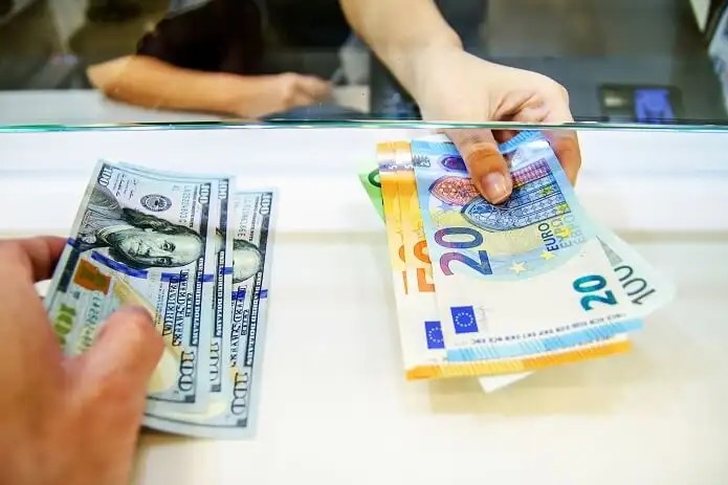
This Monday, one US dollar will be bought for 82.4 lek and...
This Saturday, one US dollar will be bought for 82.4 lek a...

CNA has launched another investigation that could lead to ...

Irfan Hysenbelliu is a businessman that we call "Irfan the...

In March 2026, CNA launched another investigation centered...
The arrested mayor of Tirana, Erion Veliaj, with 13 charge...

The Special Board of Appeal (KPA) decided this Monday ...

The KPA vetting decided this Thursday to dismiss the p...

Suela Salavaçi, a prosecutor in the Prosecutor's Offic...

The Special Board of Appeal reinstated the prosecutor ...

A conflict occurred this Thursday evening in the toy area ...
A person has died today on Orikum beach. According to repo...

Footage emerges from the serious accident that occurred th...

A Shkodra traffic police officer was hit with hard objects...

Children without parental care, for whom alternative famil...

On Thursday, our country will be under the influence of st...
A serious accident that occurred this Wednesday with the c...

The Institute of Geosciences has shared a forecast for wea...

The European Union Office in Kosovo has called on all poli...
Serbian President Aleksandar Vučić, at a press conference ...
For the first time since the launch of the euro, European ...

Artificial intelligence (AI) models from the American comp...

At a time when industrial products are increasingly taking...

Trust among people is not just a three-syllable word. It c...
Master of humor Todi Llupi has passed away at the age of 7...
The ninth edition of "MIK Festival" kicked off with one of...
The average sale price of apartments in Tirana reaches rec...
This Thursday, one US dollar is bought for 81.5 lek and so...
The price of diesel reached 206 lek per liter from 198 lek...

Businesses will no longer be required to simply register t...