


Foreign currencies "freeze"/ Exchange rate, March 3, 2025
Today, on March 3, 2025, in the foreign exchange market, t...



The banking sector's exposure to real estate loans reached 398 billion lek, or more than four billion euros at the end of last year.
According to Bank of Albania statistics, the total value of real estate loans increased by more than 16% during 2024. This figure includes both customer segments, businesses and individuals.
The majority of the portfolio belongs to individuals, with approximately 52% of the total exposure in real estate loans, while the remaining 48% is loans granted to businesses.
Currently, real estate loans account for half of the total loan portfolio provided to the private sector of the economy.
In recent years, the banking sector has significantly increased its property loan portfolio, both for businesses and individuals. Compared to the pre-pandemic period, the real estate loan portfolio has increased by 93%.
It is estimated that lending has been a very important factor in supporting demand in the real estate market. However, on the other hand, this has also increased the banking sector's exposure to the performance of the real estate market.
In the vast majority of cases, real estate loans are secured by properties pledged as collateral in favor of banks (in the most common case, the property itself purchased with the loan). A potential crisis in the real estate market would reduce the value of the collateral and expose banks to the risk of loan losses.
According to the latest data, from mid-2024, loans with collateral in the form of real estate accounted for 45% of the loan balance or about 61% of collateralized credit.
Precisely because of the rapid growth of real estate lending, the Bank of Albania last year applied a special capital surcharge to the banking sector for the first time. The countercyclical capital surcharge was first set in June at 0.25% (to be implemented from 30 June 2025) and increased in December to 0.5% (to be implemented from 31 December 2025).
The application of a countercyclical capital buffer is provided for in the 2018 regulation “On Macroprudential Capital Buffers.” Such a buffer is intended to slow down lending if the central bank assesses that growth is occurring at an excessively rapid pace.
In the analysis of the Bank of Albania, for several quarters, the Albanian economy has been experiencing a positive financial cycle based on accelerated growth in bank credit, and such periods are associated with good levels of financial performance for real economy agents and the financial system.
However, according to the Bank of Albania, these periods are also associated with the onset of certain risks, which may be related to a decline in lending standards, an increase in its concentration levels in certain sectors or markets, and an increase in debt levels for real economy agents beyond healthy levels.
These situations, if allowed to develop, could make the economy and the financial system more vulnerable to various shocks, thus undermining financial stability. For these reasons, in these cases, it is suggested to use macroprudential instruments that act countercyclically and prevent the uncontrolled development of these risks./ Monitor Magazine

Today, on March 3, 2025, in the foreign exchange market, t...
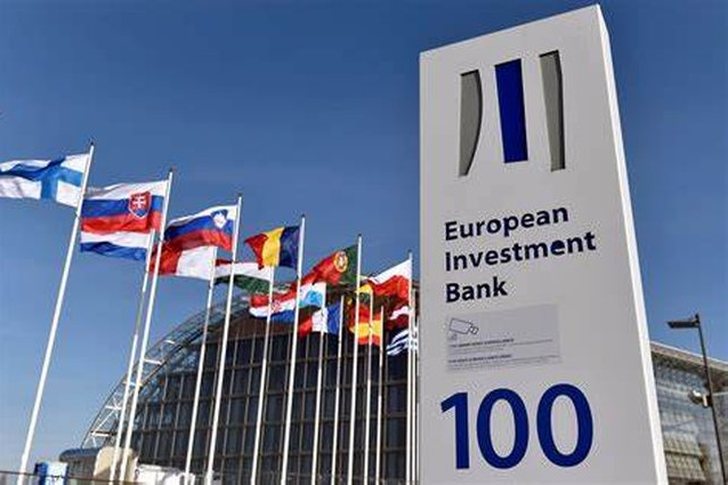
The European Investment Bank, a body of the European Union...

Today, on March 2, 2025, in the foreign exchange market, t...

Today, on March 1, 2025, in the foreign exchange market, t...
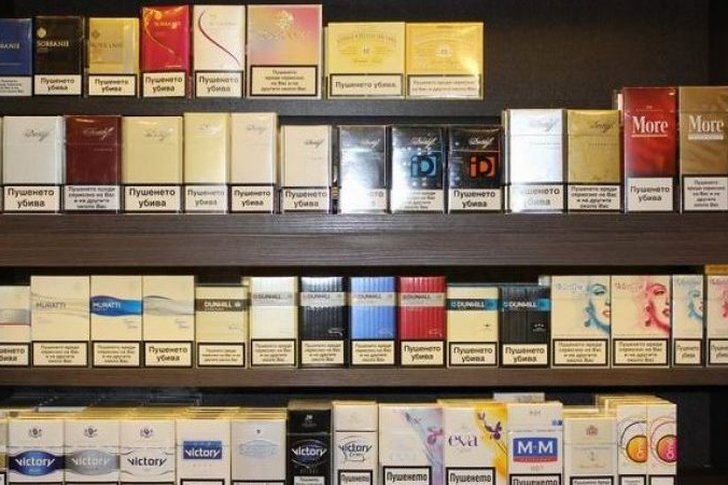
After the end of the concession contract, from January 202...

Today, on February 28, 2025, in the foreign exchange marke...

The average price of compulsory vehicle insurance increase...
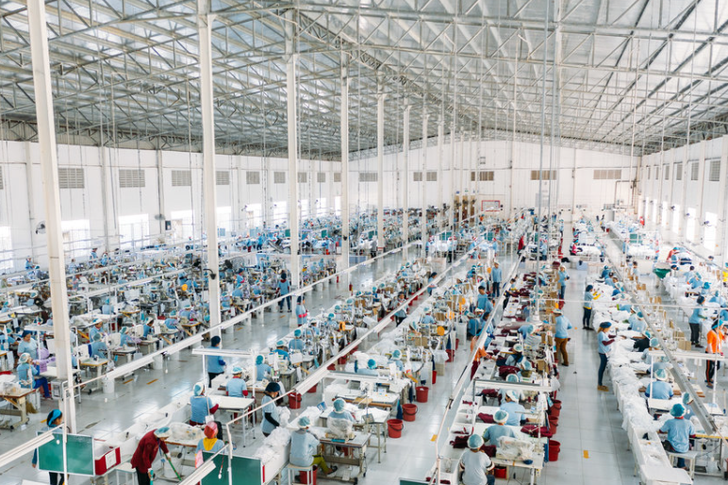
The number of employees decreased by 13.1% in 2024, accord...
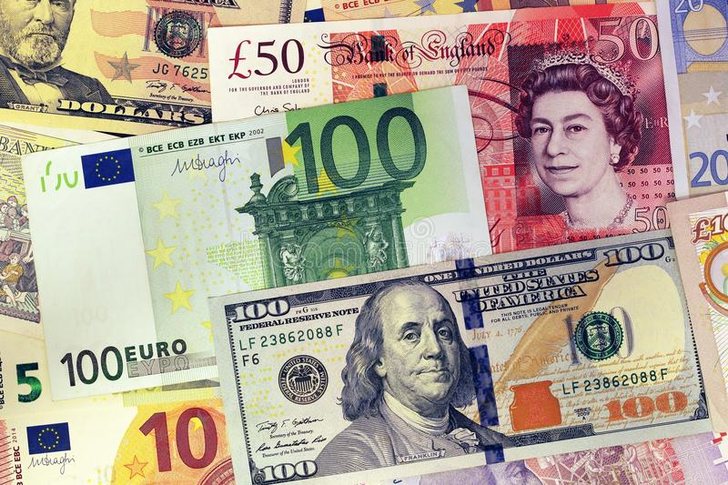
Today, on February 27, 2025, in the foreign exchange marke...

Albania, as a developing country and with a high level of ...

Immigration has become a pandemic for Albania, as, in addi...

Today, February 26, 2025, in the foreign exchange market, ...

The report "Perspectives of German businesses in Central a...

Today, February 25, 2025, in the foreign exchange market, ...
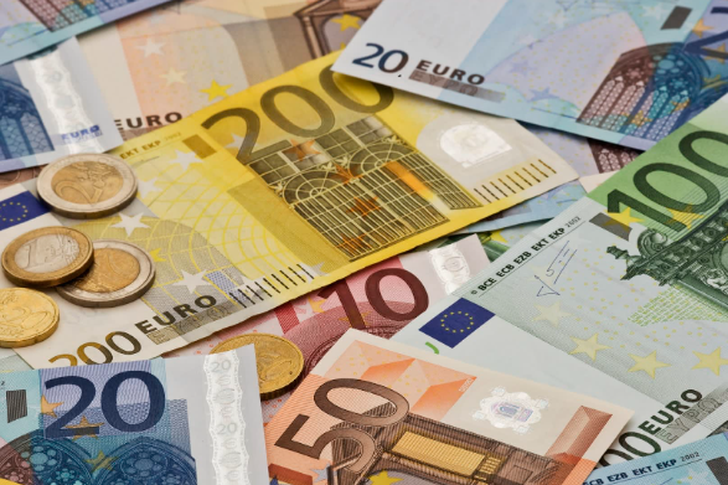
The euro surged to a one-month high on Monday after German...
Today, February 24, 2025, in the foreign exchange market, ...
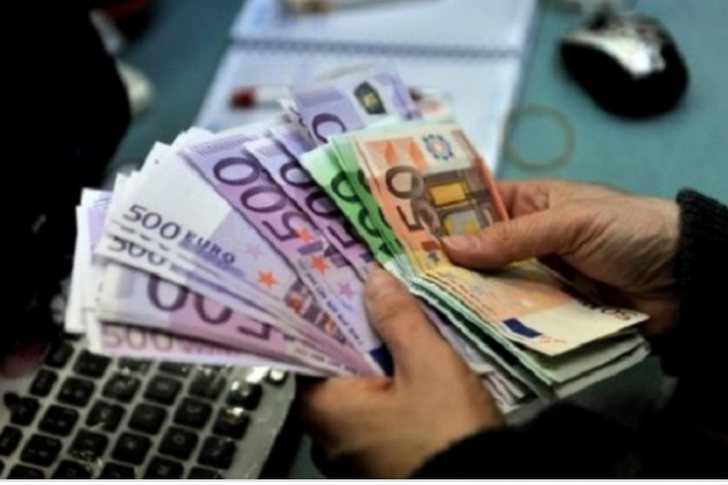
Today, on February 23, 2025, in the foreign exchange marke...

Today, on February 22, 2025, in the foreign exchange marke...

The increase in milk imports continued throughout 2024. Ac...

Today, on February 21, 2025, in the foreign exchange marke...

CNA has launched another investigation that could lead to ...

Irfan Hysenbelliu is a businessman that we call "Irfan the...

In March 2026, CNA launched another investigation centered...
The arrested mayor of Tirana, Erion Veliaj, with 13 charge...

The Special Board of Appeal (KPA) decided this Monday ...

The KPA vetting decided this Thursday to dismiss the p...

Suela Salavaçi, a prosecutor in the Prosecutor's Offic...

The Special Board of Appeal reinstated the prosecutor ...
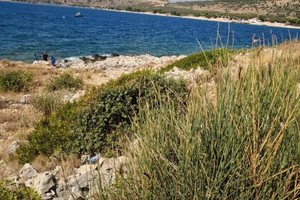
Citizen MH, 61, a fisherman, was found dead near the islan...
Another phase of the international operation, codenamed "T...

Police have arrested a 34-year-old woman at Rinas Airport ...

A serious accident has occurred on the Lezhë-Shëngjin axis...

Over 18,000 foreign citizens from 140 countries have appli...

This Wednesday, our country will be under the influence of...

All of Southern Europe will face changing weather conditio...

Albania was hit by temperatures significantly higher than ...

Prime Minister Andy Burnham has announced that most bus fa...

France's parliament has passed a law to ban social media f...

US Secretary of State Marco Rubio arrived in Manila on Jul...

In the space of a few days, Ukrainian President Volodymyr ...

At a time when industrial products are increasingly taking...

Trust among people is not just a three-syllable word. It c...

Master of humor Todi Llupi has passed away at the age of 7...

The ninth edition of "MIK Festival" kicked off with one of...

Businesses will no longer be required to simply register t...

Despite economic growth and income in recent years, Albani...

This Wednesday, one US dollar is bought for 81.4 lek and s...

Construction company licenses will have a validity period ...