

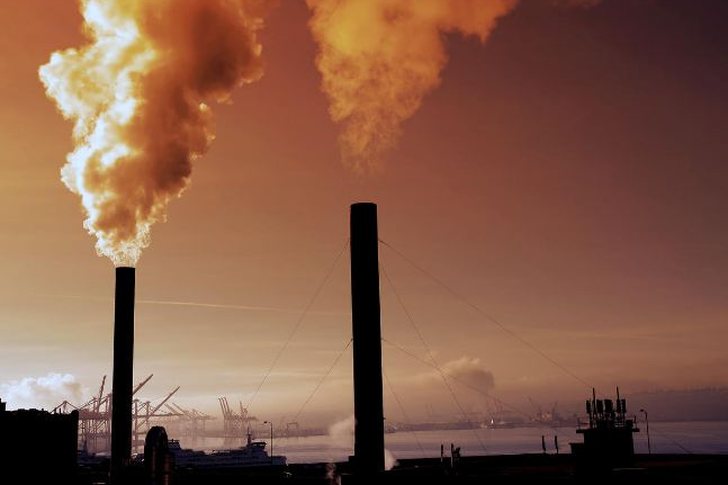
Tirana and Elbasan "under the rule" of dust/ Report reveals the main air pollutants
The report is based on air quality monitoring at nine stat...


As the country has entered a new phase of waste management following the adoption of two new laws that align the national framework with European Union standards, their implementation is facing financial pressure in areas with high tourist influx.
According to the State of the Environment 2025 Report of the National Environment Agency (NEA), coastal municipalities are facing higher per capita service costs due to the significant increase in waste generation during the summer season.
The report highlights that during 2025, Law No. 57/2025 “On Integrated Waste Management” and Law No. 74/2025 “On Extended Producer Responsibilities” were adopted, which, according to the NEA, “transpose the EU regulatory framework and integrate the principles of the circular economy at the national level”.
But implementation at the local level shows large differences between municipalities. Monitoring conducted in 15 pilot municipalities shows that tourist areas are facing a higher operational burden.
"Municipalities with an intensive tourist character, such as Saranda and Himara, record the highest service costs per capita, due to high waste generation during the peak summer season," the KTA report states.
On the other hand, some municipalities have shown improvement in waste separation at source. According to the report, Belshi has increased the level of waste separation from 8% to 34.4%, marking one of the most visible results in the monitoring of pilot municipalities.
Meanwhile, waste trade indicators have marked a strong change during 2025. The total amount of exported waste fell to 21,275 tons, from 60,521 tons in 2024, according to data reported by the NEA.
The report notes that the new reform aims to shift waste management from the traditional model of collection and disposal towards a system based on recycling, extended producer responsibility and the circular economy.
But at the local level, data shows that tourist municipalities remain faced with the challenge of financing the service, as the seasonal increase in the temporary population brings a higher volume of waste and additional operating costs./Monitor

The report is based on air quality monitoring at nine stat...

The Tirana-Durres axis is affected by an extremely heavy t...

If today the Administrative Court had legitimized Erion Ve...
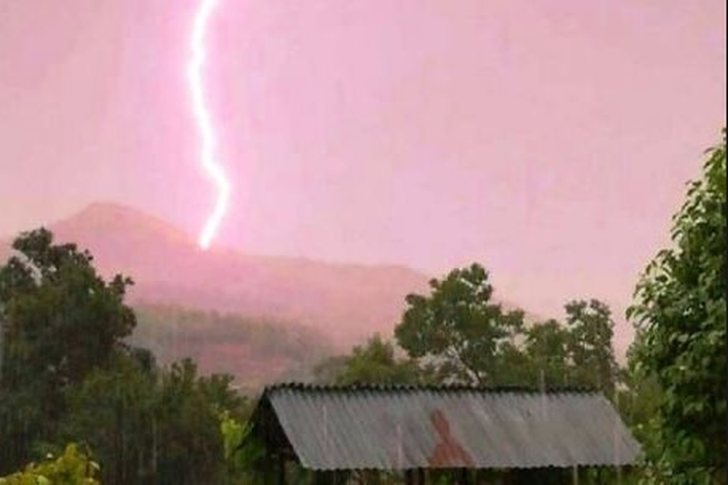
A herd of cattle was struck by lightning this Friday in th...

The lawyer for the arrested mayor of Tirana, Erion Veliaj,...
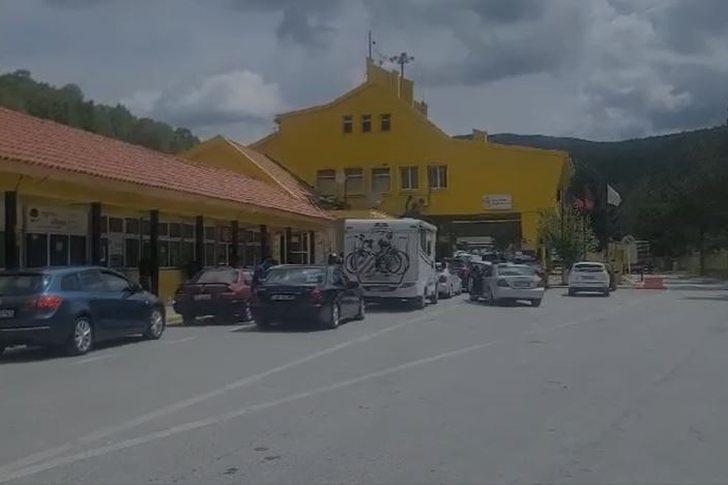
The Kapshtica Customs Branch will be blocked for several h...
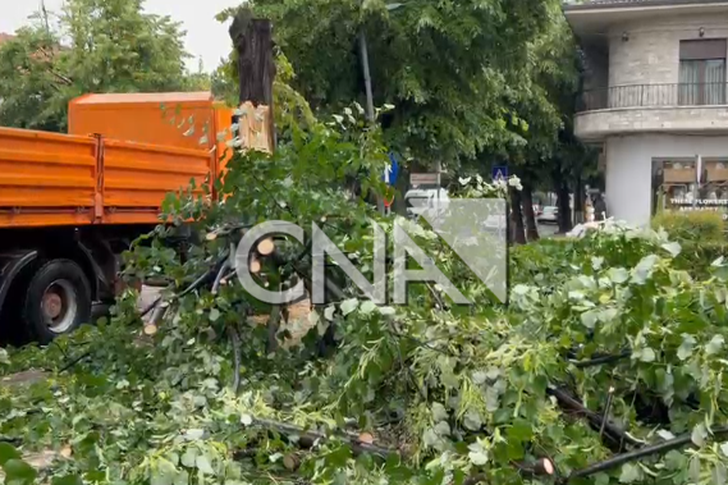
The city of Korça was hit by heavy rain this Friday. The ...

The Speaker of the Parliament, Niko Peleshi, has announced...

On 23.07.2026, at around 09:30, on "George W. Bush" Street...

A civic initiative with the aim of protecting the future o...

Prime Minister Edi Rama, during his speech at the meeting ...
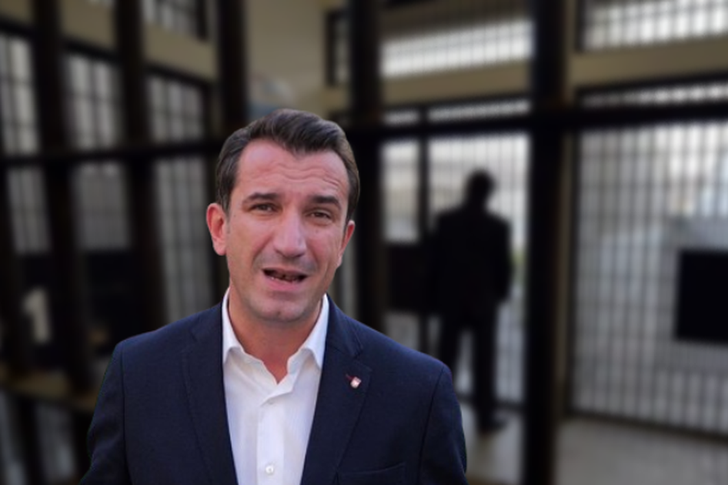
For about a year, the mayor of Tirana, arrested on 13 char...

The mayor of Tirana was arrested on 13 charges for 5 serious...

Judge Hazbi Balliu has announced the announcement of the ...
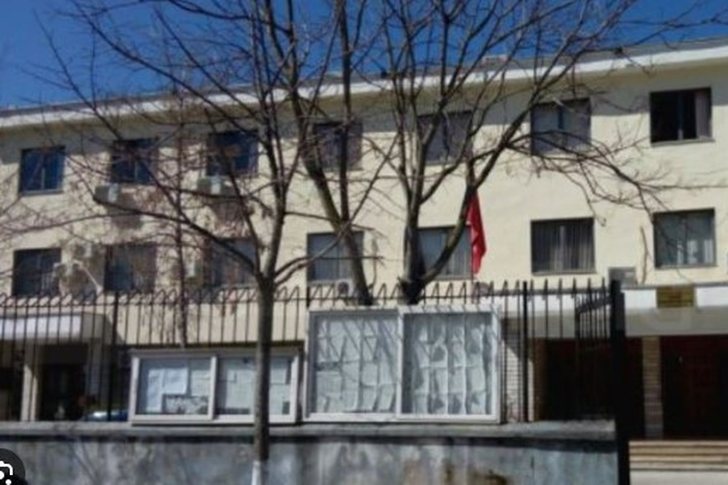
The Prosecutor's Office at the Court of First Instance of ...
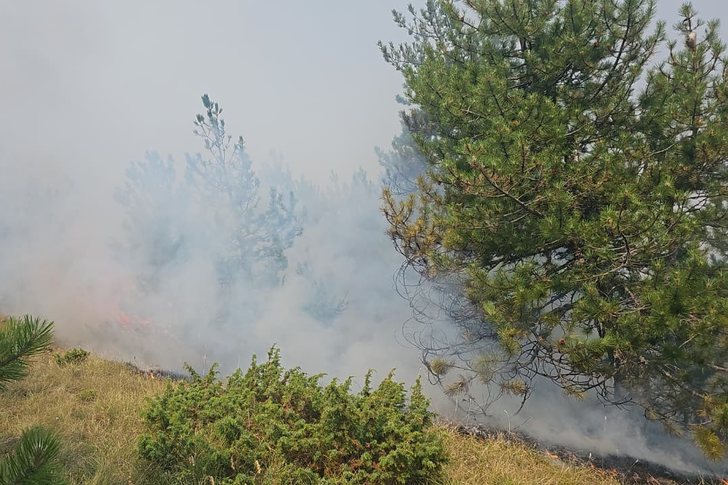
The Korça Municipality Civil Emergencies have announced th...

Prime Minister Edi Rama has arrived at the Brigades Palace...

Arrested Mayor Erion Veliaj, who is facing 13 charges for ...

Erion Veliaj has lied before the Administrative Court wher...

At the request of the Fier Prosecutor's Office, 1.8 millio...

A 39-year-old citizen has been arrested in Lezha, after se...

CNA has launched another investigation that could lead to ...

Irfan Hysenbelliu is a businessman that we call "Irfan the...

In March 2026, CNA launched another investigation centered...

The Special Board of Appeal (KPA) decided this Monday ...

The KPA vetting decided this Thursday to dismiss the p...

Suela Salavaçi, a prosecutor in the Prosecutor's Offic...

The Special Board of Appeal reinstated the prosecutor ...

An accident involving three vehicles occurred a few minute...

55-year-old Belere Plaka, who was injured today with a sho...
Police Announcement: Following preliminary information...

New details from the operation being carried out in Fier t...

By noon, cloudiness is expected to prevail in almost all o...

Children without parental care, for whom alternative famil...

On Thursday, our country will be under the influence of st...
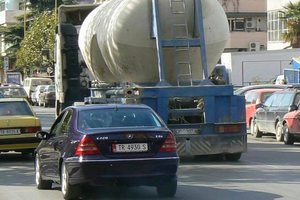
A serious accident that occurred this Wednesday with the c...

United States President Donald Trump has left open the pos...

Israeli Prime Minister Benjamin Netanyahu will travel to t...

A bipartisan group of US lawmakers is calling for a Europe...

US President Donald Trump will host his Ukrainian counterp...

In my research at the Central State Archives, specifically...

At a time when industrial products are increasingly taking...

Trust among people is not just a three-syllable word. It c...

Master of humor Todi Llupi has passed away at the age of 7...

War, weather and supply disruptions could send gas prices ...
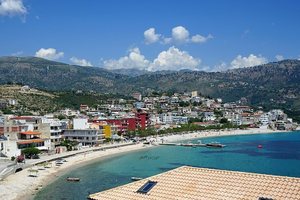
The number of active enterprises in Albania continued to g...
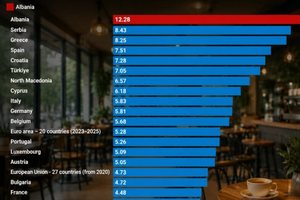
In Albania, the bar-cafe has long become an almost unique ...

This Friday, one US dollar is bought for 81.7 lek and sold...