


Iran strengthens protection of nuclear stockpiles, complicating negotiations with the US
Iran has taken new measures to strengthen the protection o...

Iran has taken new measures to strengthen the protection o...

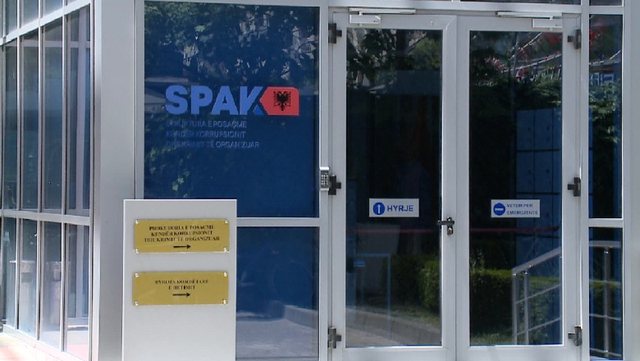
The EC has published a report on Albania where it touched on several points such as interventions and pressure on the Judiciary, deficiencies in the appointments of non-judicial members of the High Judicial Council and the High Prosecution Council or the results of SPAK's work in the fight against corruption.
According to the report, SPAK has encouraging results in the fight against crime and corruption.
"The legal framework to fight corruption is widely established. There are encouraging initial results of the Special Anti-Corruption Structure (SPAK).
The number of people investigated, prosecuted and convicted of corruption offenses has increased over the past three years, while a recent amnesty law raises concerns.
"The systematic use of financial investigations and asset seizures has improved, although limitations in scope limit their impact," the report said.
EC report on Albania
Attempts to intervene and pressure the judiciary remain worrying in Albania.
In the EC report on the rule of law, which for the first time also includes the countries of the region, it is said that Albania has implemented a fundamental reform in justice since 2016 and the entire justice system has been restructured and the verification of all judges and prosecutors has strengthened accountability.
Meanwhile, deficiencies are noted in the appointments of non-magistrate members of the High Judicial Council and the High Prosecution Council. The High Inspector of Justice is functional, but the considerable number of vacancies for magistrate-inspectors poses a challenge.
Despite strong guarantees of independence in the process of appointments, promotions and transfers of magistrates, the report states, is affected by limited transparency and challenges in ensuring timely and quality evaluations.
Concerns about attempted interference and pressure on the judicial system by public officials or politicians remain.
The opening of the modern integrated electronic case management system has been long overdue. The lack of financial and human resources negatively affects the quality of justice.
Challenges remain regarding the length of procedures and high workload, while further measures to increase efficiency have not yet been implemented.
While a new Anti-Corruption Strategy for 2024-2030 is being prepared. The legal framework to fight corruption is widely established. There are encouraging initial results of the Special Anti-Corruption Structure (SPAK).
The number of people investigated, prosecuted and convicted of corruption offenses has increased over the past three years, while a recent amnesty law raises concerns.
The systematic use of financial investigations and asset seizures has improved, although limitations in scope limit their impact.
Coordination between the institutions responsible for the prevention of corruption and the relevant law enforcement structures remains weak.
While asset declarations are verified by the High Inspectorate of Asset Declaration and Control and Conflict of Interest, there are some shortcomings in terms of mandate and human resources.
In general, corruption is widespread in many areas, including electoral campaigns.
Preventive measures suffer from an overly complex legal framework and continue to have limited impact, especially in vulnerable sectors.
Concerns have been raised about the independence of the audio-visual regulatory authority. Limited regulation of media ownership transparency and high concentration negatively affect media independence.
Fair sharing of state advertising and other state sources is not ensured.
There are concerns about the independence of the public broadcaster. While the changes in the Right to Information Law bring positive changes, there are shortcomings in implementation.
The framework to protect journalists exists, but verbal and physical attacks, smear campaigns and strategic lawsuits against public participation are cause for concern.
Challenges related to the quality of the legislative process include the limited effectiveness of public consultations.
The changes in the Law on Investigative Commissions have been criticized for limiting the supervisory role of the Parliament and are under review by the Constitutional Court.
Deep political polarization negatively affected the effectiveness, transparency and objectivity of parliamentary work.
The Constitutional Court is effective in maintaining institutional checks and balances, although Parliament has failed to implement some of its decisions.
The legal framework for the Ombudsman and the Anti-Discrimination Commissioner has been established, but there are obstacles to their effective work. The environment for civil society organizations is challenging, including in relation to registration requirements and limited public funding./ CNA


DP and SP have reached an agreement regarding the Elec...
Two months ago, the well-known artist, Agron Llakaj, l...

The "Henley" Passport Index has revealed which is the most...
The SPAK has completed the preliminary investigations ...
The Deputy Prime Minister, at the same time the Minist...
On the 5th anniversary of the death of the historian, ...

This Wednesday, the next session will be held at GJKKO for...
The Special Prosecutor's Office against Corruption and...
Journalist Blendi Fevziu has made a strong reaction to...

Në mes të një vale të pafundme nxetësie, Greqia po fes...
July 21 was the hottest day ever recorded worldwide, a...
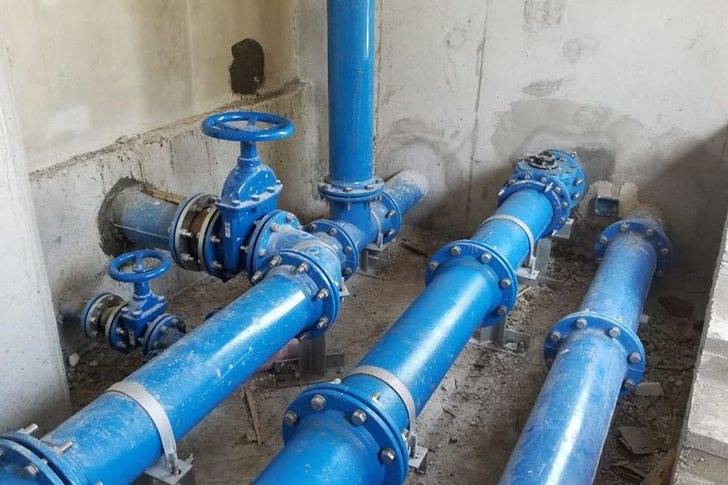
The National Water and Sewerage Agency (AKUK) announced in...

This Wednesday we are introducing you to some of the m...
An earthquake was recorded in the early hours of this Wedn...

Lawyer Genc Gjokutaj has reacted after the recourse ma...
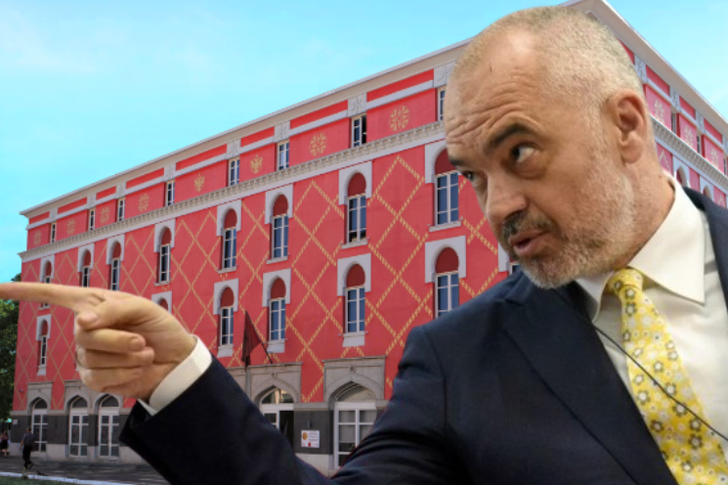
In banana republics there is no place for independent ...
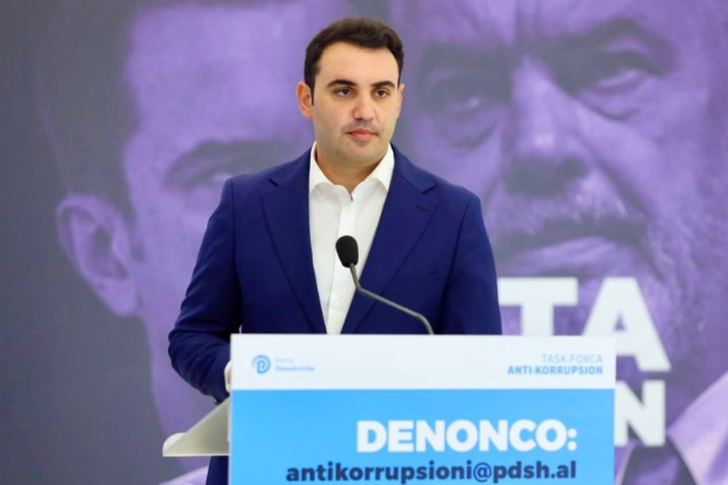
The political leader of the PD for Tirana, Belind Kell...
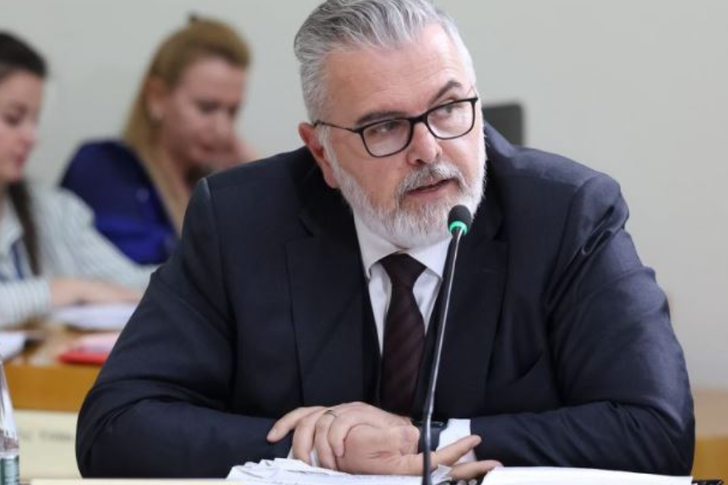
The final report that was approved today in the Invest...
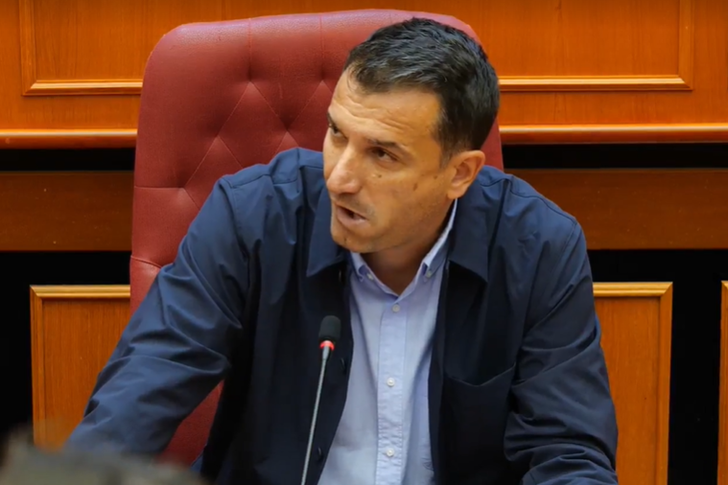
The head of the DP Sali Berisha has called on all citi...
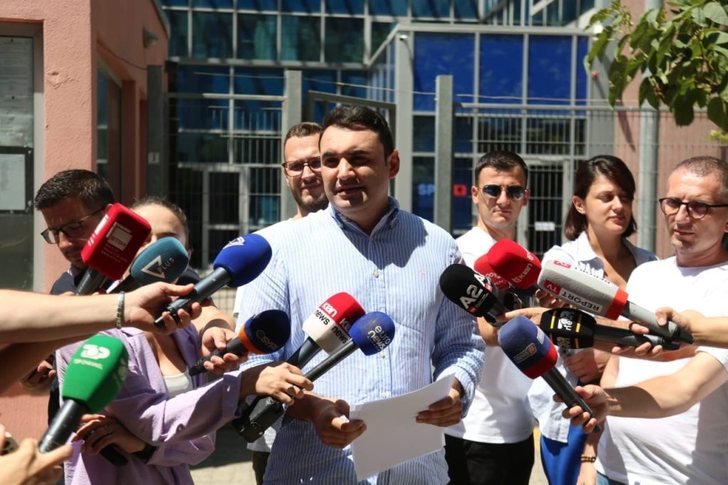
The political leader of the DP for Tirana, Belind Kell...

There have been 12 days of protests in the capital, which ...
Dritan Prençi is the SPAK prosecutor who is sleeping on th...
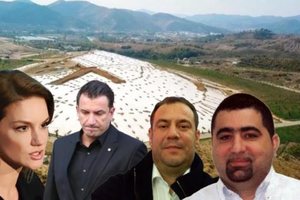
The in-depth investigations that SPAK conducted into Ajola...
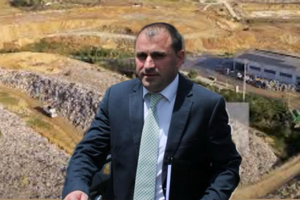
SPAK's standards, the way it investigates, how it secures ...

The Special Board of Appeal (KPA) decided this Monday ...

The KPA vetting decided this Thursday to dismiss the p...

Suela Salavaçi, a prosecutor in the Prosecutor's Offic...

The Special Board of Appeal reinstated the prosecutor ...

New details have emerged regarding the serious accident th...

An Albanian businessman was arrested this afternoon in Gre...
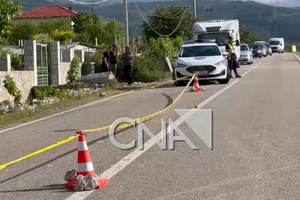
A serious accident has occurred on the Korça-Ersekë axis, ...

Fier Police has announced the measures taken this week for...

Today our country will be affected by stable weather condi...

A tragic accident occurred this Friday afternoon in Kameni...

Today our country will be affected by unstable weather con...

On Thursday, our country will be affected by relatively un...
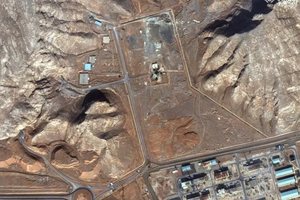
Iran has taken new measures to strengthen the protection o...

American entrepreneur Elon Musk has become the first perso...
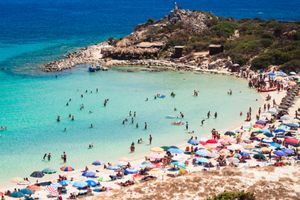
Umbrellas have been banned on a beach in Sardinia for anyo...
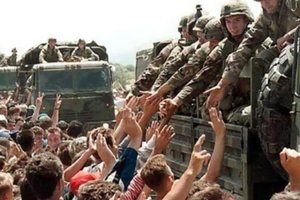
This June 12th marks the 27th anniversary of the liberatio...
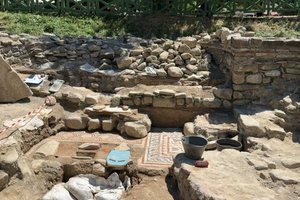
Several archaeological excavations conducted during this s...

At the Museum of Fine Arts in Chambéry, France, an exhibit...

Korça has transformed this weekend into the capital of cel...

Korça is ready to open the summer season with one of the c...
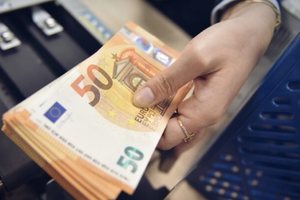
This Saturday, one US dollar is bought for 81.5 lek and so...
The Governor of the Bank of Albania, Gent Sejko, shared to...

Business lending has increased in the first half of this y...

The labor market has shown worrying trends in early 2026. ...