

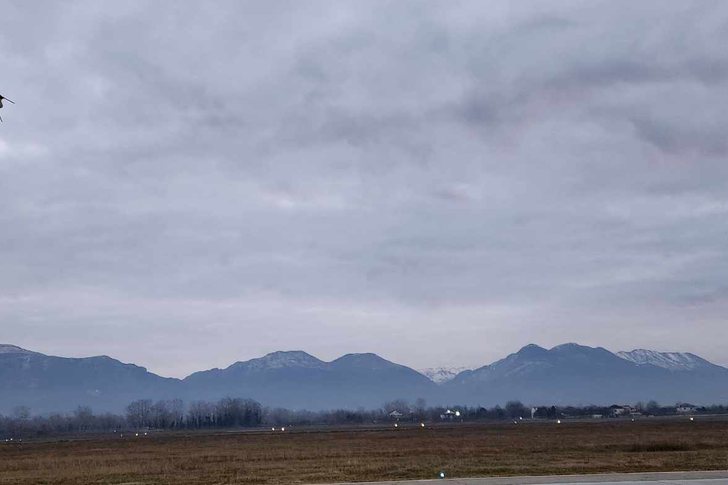
Rainfall throughout the territory/ Weather for today
Today, our country will be affected by unstable atmospheri...



Albania ranked fourth in Europe, after Estonia, Finland and Italy, for the sharp decline in the number of children aged 0-5, according to a recent European Union report on the progress of education in Europe. In these countries, the number of children decreased by more than 20% between 2013-2023.
According to the EU, this alarming trend extends to many other countries. Europe is aging. People are now living longer than ever before, but at the same time fewer children are being born.
On 1 January 2023, there were 25 million children under the age of 6 living in the EU, 2 million fewer than a decade ago. Furthermore, population projections show that the trend is expected to continue with 1 million fewer children by 2030.
While the number of children has been falling, the overall population in the EU-27 has been growing. The falling number of children in society may lead to less attention to children's needs or, conversely, may encourage policies to increase birth rates.
The European Union analyzes that the overall increase in spending on preschool education as a percentage of Gross Domestic Product (GDP) suggests that most countries are moving towards the second option, encouraging births.
In 2023, there were 8.1 percent fewer children than in 2013, but in the EU, average public spending on children up to 6 years old increased from 0.67% of GDP in 2014 to 0.71% in 2021.
In recent years, the highest increase in financing for children's needs was observed in Germany, Estonia, Latvia, Lithuania, Switzerland and Iceland. But Sweden and Iceland stand out for much higher investments in children, exceeding 1.6% of their GDP. In contrast, Albania, Ireland, Greece, Cyprus and Turkey spent less than 0.3% of their GDP on children.
In terms of the number of young children, Italy and Spain saw the largest declines with over 700,000 fewer children between 2013 and 2023. France and Turkey experienced declines of 550,000 and 515,000 children during this period.
Some countries deviated from this overall trend. The number of children remained relatively stable over the past decade in Denmark, Cyprus, Hungary, Slovakia and Sweden.
In some countries, there has been a significant increase. For example, in Germany, the population of children aged 0-5 increased by 18 percent from 2013-2024. Furthermore, Luxembourg and Malta have recorded increases of 13.3 and 10.5 percent respectively. In Austria and Switzerland, the number of young children has increased by 9.9 and 8.4 percentage points respectively./ Monitor Magazine

Today, our country will be affected by unstable atmospheri...

Today, our country will be affected by unstable atmospheri...
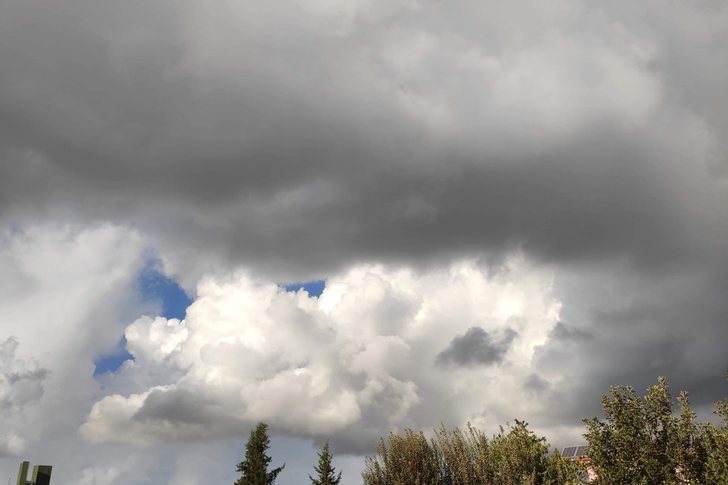
Weather conditions for today will be unstable. Occasional ...
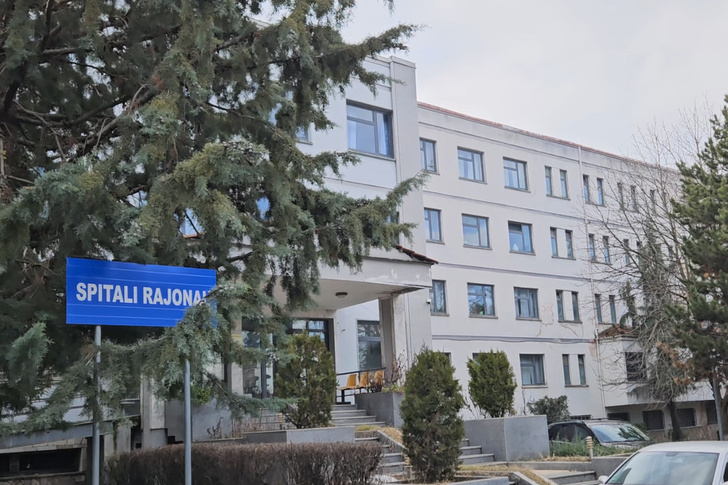
In the Pediatric Emergency Room of Korça, there has been a...

For today, the weather is forecast to be clear but also al...

The concert of Konstantinos Argiros scheduled to take plac...

Police announced on Thursday that a private kindergarten t...

Today's weather is expected to be relatively stable with a...

The father of the 3-year-old boy who was raped in a privat...
Today, rain and snow are expected to be present only in th...

Today, our country will continue to be affected by relativ...
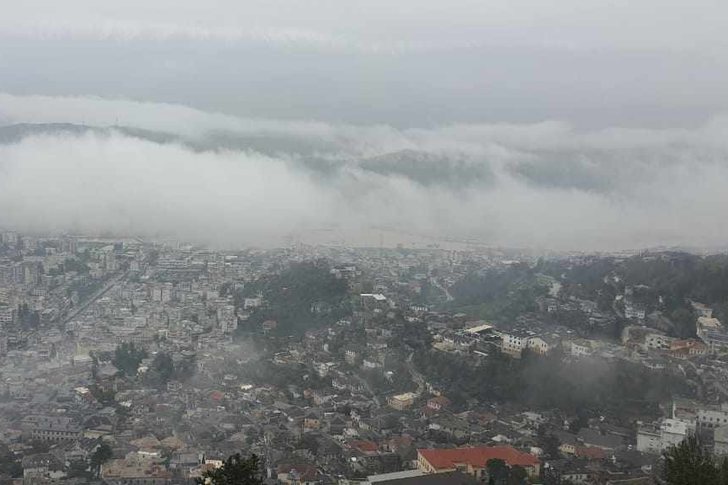
Mostly unstable weather conditions are forecast for today....

Our country will be affected by relatively unstable weathe...

The wine production and viticulture sector will have a...
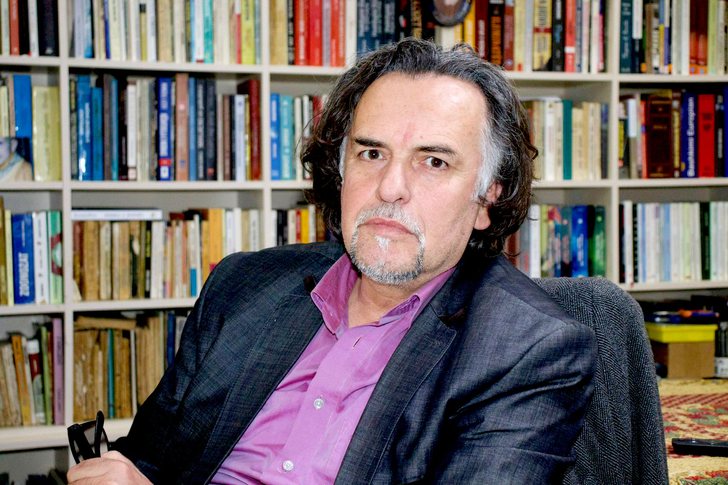
Perhaps each of you has an answer to the question "Wha...

Today, our country will be dominated by clear and relative...

Albania sets a record in meat imports for 2024, as it is e...
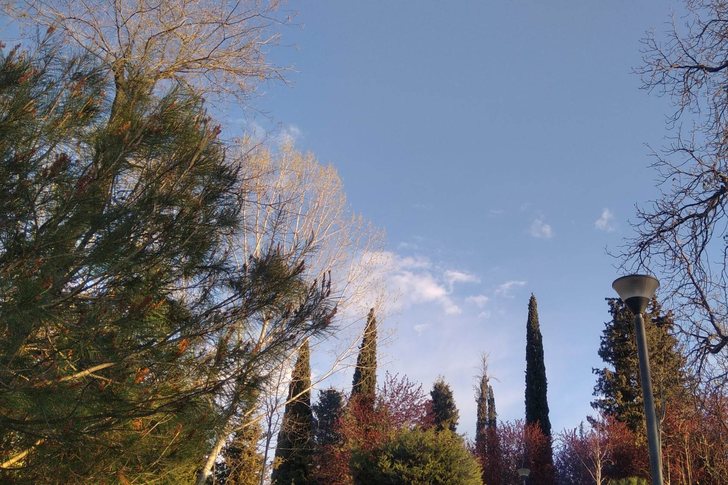
Our country will continue to be affected by stable weather...

On Friday, our country will continue to be affected by the...
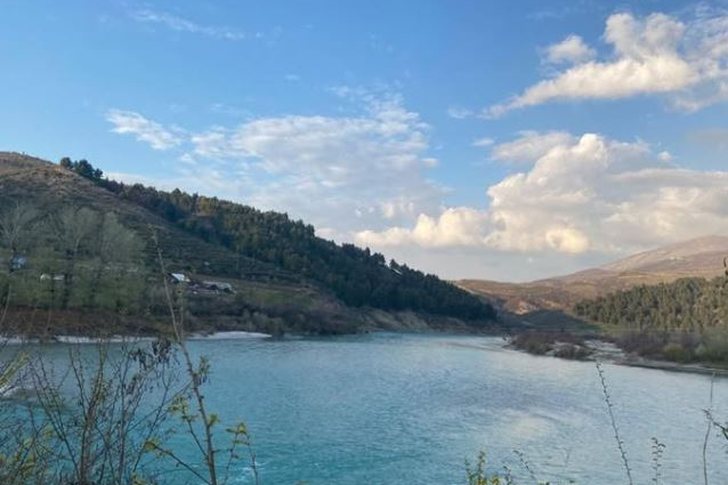
Even on Thursday, our country will be affected by relative...

CNA has launched another investigation that could lead to ...

Irfan Hysenbelliu is a businessman that we call "Irfan the...

In March 2026, CNA launched another investigation centered...
The arrested mayor of Tirana, Erion Veliaj, with 13 charge...

The Special Board of Appeal (KPA) decided this Monday ...

The KPA vetting decided this Thursday to dismiss the p...

Suela Salavaçi, a prosecutor in the Prosecutor's Offic...

The Special Board of Appeal reinstated the prosecutor ...

Footage emerges from the serious accident that occurred th...

A Shkodra traffic police officer was hit with hard objects...
This Wednesday, around 4:00 PM, a serious accident occurre...

Tirana Police have shared details regarding the accident t...
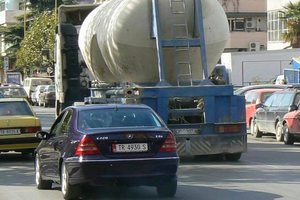
A serious accident that occurred this Wednesday with the c...

The Institute of Geosciences has shared a forecast for wea...
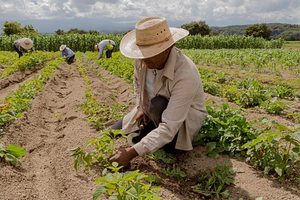
Rising energy and fertilizer prices are expected to contin...

Over 18,000 foreign citizens from 140 countries have appli...

The trial of ousted Venezuelan President Nicolas Maduro on...

US President Donald Trump has issued another warning to Ir...

Prime Minister Andy Burnham has announced that most bus fa...

France's parliament has passed a law to ban social media f...

At a time when industrial products are increasingly taking...

Trust among people is not just a three-syllable word. It c...

Master of humor Todi Llupi has passed away at the age of 7...

The ninth edition of "MIK Festival" kicked off with one of...

The price of diesel reached 206 lek per liter from 198 lek...

Businesses will no longer be required to simply register t...

Despite economic growth and income in recent years, Albani...

This Wednesday, one US dollar is bought for 81.4 lek and s...