

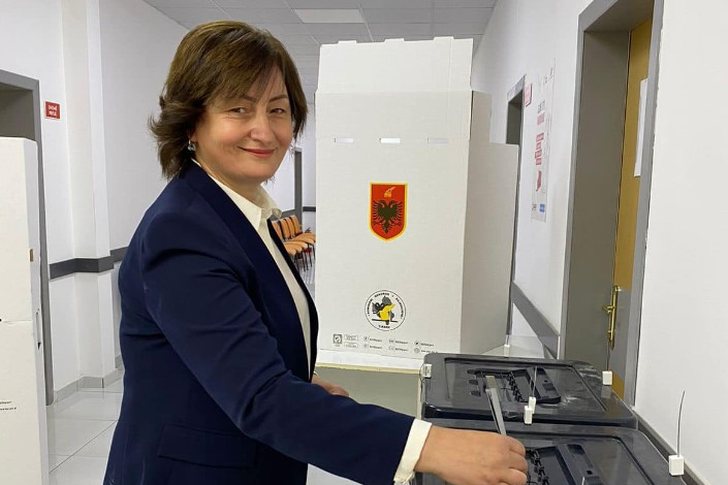
SP, towards victory also in Përmet/Alma Hoxha "grabs" over 76% of the votes
Out of 23 ballot boxes in total in Përmet, only one ballot...


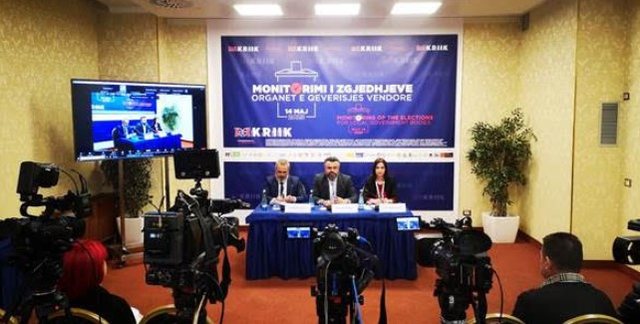
In the Public Position published on May 8, 2023, KRIIK evidenced that throughout the entire pre-election period, the Albanian state and the decision-making political class failed to organize an election process, which was built for the citizens and around the interests of the citizens, failing to guarantee so that the latter can vote on May 14 in a free and uninfluenced manner. This assessment also applies to the following process, until the day of the elections.
Albanian politics again failed in its attempts to reform the legal framework for elections, not making any amendments and not addressing a number of recommendations from local actors and the OSCE/ODIHR. The reform process was again non-transparent, dragged on and did not result in any amendment, as a result of deliberate political deadlock.
While the legal framework guarantees the basis for holding elections with democratic standards, the translation of legal norms into regulatory acts in the spirit of the constitution and the law, the will for implementation, as well as the implementation itself in practice, either of direct legislation or of sub-legal regulatory acts, especially in relation to the guarantee of non-use of state resources, media coverage and the use of propaganda materials by electoral subjects, it was not in line with the spirit of what the law guarantees.
The mechanism for preventing the use of state resources for electoral advantage, even in these elections, was shown to be ineffective in fulfilling its purpose, turning into a routine reporting of institutional activities. The CEC had considerable success in raising the awareness of public institutions about the need to report and respect the reporting deadlines, but other more substantive elements remained unfulfilled. Although a series of administrative measures were imposed on officials or mayors for the use of state resources, the type of behavior sanctioned and the amount of sanctions proved to be insufficient either to prevent the phenomenon or to curb it somewhat, as a result of a reading of narrowly of the law and focusing on its technical elements.
The financing of electoral subjects and candidates continues to be not properly addressed in the law, while attempts to discipline and improve future control over it through the use of technology (online reporting of electoral subjects and candidates) have been truncated and delayed. Online reporting of electoral expenses is mandatory for political parties, but not for candidates.
The change of address of about 1.3 million voters is a problem of this election process. While the issue was raised in the technical audit reports, there was no concrete step by the CEC or the General Directorate of Civil Status for an exhaustive clarification of public opinion regarding this issue, nor was there any awareness campaign specifically focused on the call of citizens to check the name on the list. The exact process through which the polling stations were reallocated still remains unclear, as a result of this public lack of clarification. The opposition raised concerns and claims that this change of voting centers was done in order to prevent citizens from voting, raising doubts about the integrity of the voter list.
The election campaign was polarized and clearly dominated by the leaders of political parties at the central level, who to a considerable extent eclipsed local candidates and local issues. This is evident not only in the dominance of the campaign by political leaders at the central level, but also in the almost total absence of candidates for municipal councils in the campaign, with very rare exceptions.
Derogatory language, attacks and personal insults were dominant during the campaign, focusing the discourse during the campaign more on the personal characteristics of the candidates than on programmatic discussions and rational arguments. Political opponents have been treated by most parties, especially the Socialist Party, the Democratic Party, and the Together We Win Coalition, as enemies who must be eliminated from the political scene, rather than as opponents in an electoral contest.
Particularly problematic are the intimidating comments of Prime Minister Rama, repeated later by other exponents of the Socialist Party, that the citizens in the municipalities that will elect opposition candidates will not have investments, since there can be no cooperation between the central government and these candidates. The campaign has been poor in ideas and almost devoid of political programs, with few exceptions. In general, the programmatic points were focused on infrastructure projects, in some cases even outside the sphere of competence of the municipalities.
The overly generalist programmatic points of the candidates and electoral subjects (for those who have had such) have almost totally ignored policies for the support and empowerment of women or policies in support of vulnerable groups, such as people with different abilities, minorities, etc. Despite the fact that the political parties have fulfilled the legal obligations to fulfill the gender quotas in the lists for candidates of the municipal councils (failing which would prevent the registration of multi-name lists), women have had little or no place in the campaign, with the exception of those women running for mayor.
The majority in power used state resources and other privileges that come from being in power for electoral advantage throughout the pre-election period, both at the local and central level, through the issuance of acts to support the vulnerable sections of society, the application and propaganda of policies for salary increases immediately before the start of the campaign, the presentation or inauguration of infrastructural projects, etc., with a clear electoral purpose. The issuance of these acts has been one of the main themes of the majority campaign. On the other hand, the propaganda of acts aimed at increasing salaries was also the focus of institutional actors throughout the pre-election period, with a noticeable increase in intensity during the campaign.
Credible allegations of using the public administration as political operatives during the campaign, organizing them to participate in campaign events by the respective leaders, or intimidation to vote in a certain way have been present throughout the campaign. The system of political patronage, sophisticated in these elections with the use of the "Activist" application by the Socialist Party to control the activity on social networks of its users, including the public administration, remains extremely worrying in relation to the possibility that voters vote in a way unaffected.
KRIIK raises the concern that the major problem of the use of state resources and public administration for electoral advantage, which is consolidated and carried out openly, will have long-term and potentially devastating effects on the integrity of elections in the country, not being limited to these elections or in those futures. This is because, according to the aspirations of the Political Agreement of June 5, 2020, starting from the next parliamentary elections, it is expected that the electoral administration will be independent and, most likely, the administrators of the elections at the second and third level will come precisely from the administration public.
The media coverage during the pre-election period has been oriented according to the editorial lines of the media and unbalanced, especially in terms of the tone used in the coverage of the campaign, either during the pre-election period or during the regular legal period of its conduct, as well as in terms of coverage minutes, for which the legal framework establishes clear and immediately applicable criteria. The monitoring mechanism and imposition of sanctions failed to stop the imbalance in media coverage.
KRIIK evaluates as very positive the extensive media coverage of the election day and its issues, as an added guarantee for the integrity of the voting process. It even encourages the media to have the same interest and attention throughout the counting process. However, starting from the evidence of some cases, a slightly more careful behavior on the part of the media is suggested while fulfilling its main mission, without creating any obstacle in the normal continuation of the work of the bodies charged with tasks.
KRIIK observed several cases of breaking the electoral silence on the day before the elections and on the election day itself, generally in the form of politicians' statements in interviews near the polling stations. For the most part, candidates and electoral subjects respected the electoral silence regarding political advertisements on social media, with few exceptions.
Problems with the non-appearance of operators or the malfunctioning of electronic identification devices (EID) during election day created delays in a number of polling stations. The handling of the problem by the political class or even by a part of the media, did not serve to clarify the public opinion regarding the true nature of the problem, creating more confusion among the citizens.
The unjustified gathering of unauthorized persons, presumed to be militants or political supporters, in the surroundings of the voting centers, including the interior of the public buildings in which these centers were located, remained a concern throughout the day, and even incited in some cases conflicts, in which candidates or deputies were also involved. The act-regulatory decision-making and the summoning of the State Commissioner of Elections, as well as the engagement of the State Police and the Prosecutor's Office before the day of the elections to ensure, among other things, the disallowance of gatherings of unauthorized persons around the voting centers, are positively evaluated. however, this commitment seems to have been ineffective, not guaranteeing the elimination of the phenomenon.
In the limited number of voting centers visited by KRIIK observers, as well as from the information of the CEAZs, a number of problems were encountered during the election day, such as the lack of electricity, erasing of marking paint, family voting or escorting of voters not according to the rules defined in the law, that in the general context and in the climate that was created, it is judged that they have reduced the confidence of the voters in the quality of the process.
The delivery of election materials and the start of the counting process was generally smooth and problem-free. Counting has ended in a number of municipalities, while it continues in others. KRIIK calls on the enumerators and the electoral entities that have appointed them to guarantee that every vote will be counted with integrity and that the will of the electors found in the ballot boxes will be correctly translated at every place where the votes are counted.

Out of 23 ballot boxes in total in Përmet, only one ballot...
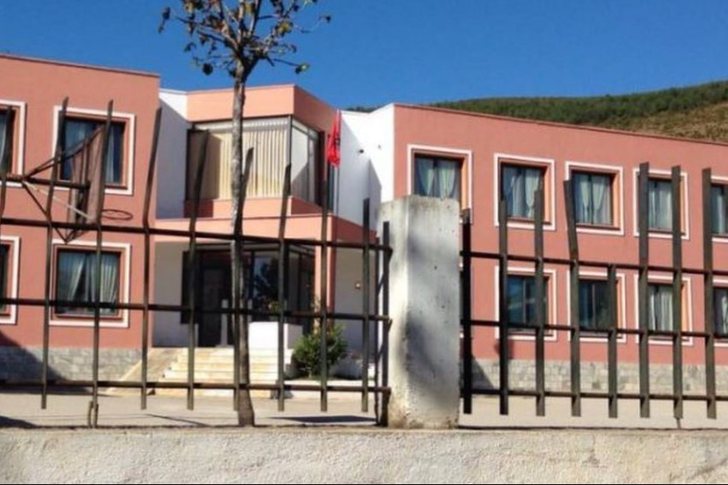
The Socialist Party is on the way to victory in Përren...
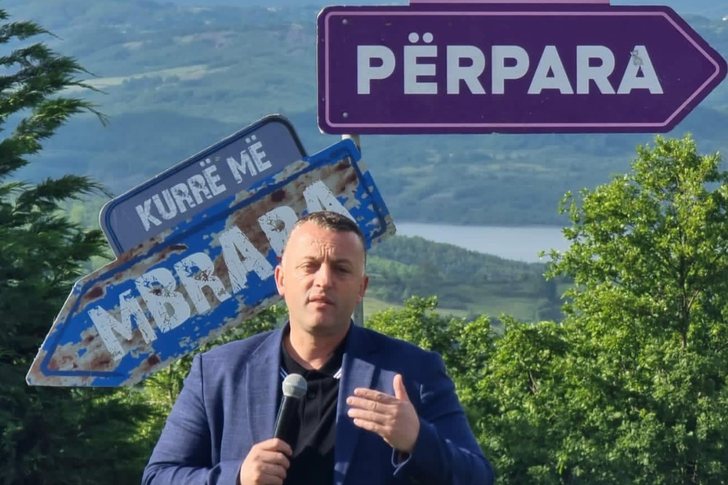
Agron Malaj of SP is on the way to victory in Mat. Accordi...
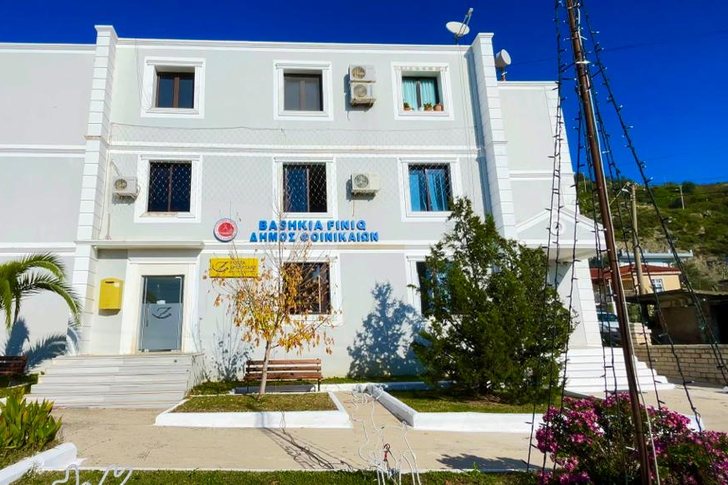
There is 1 uncounted box left in Finiq out of 50 in total....
With a difference of over 9,000 votes, SP candidate Rahim ...

The candidate of the SP in Berat, Ervin Demo, has won over...
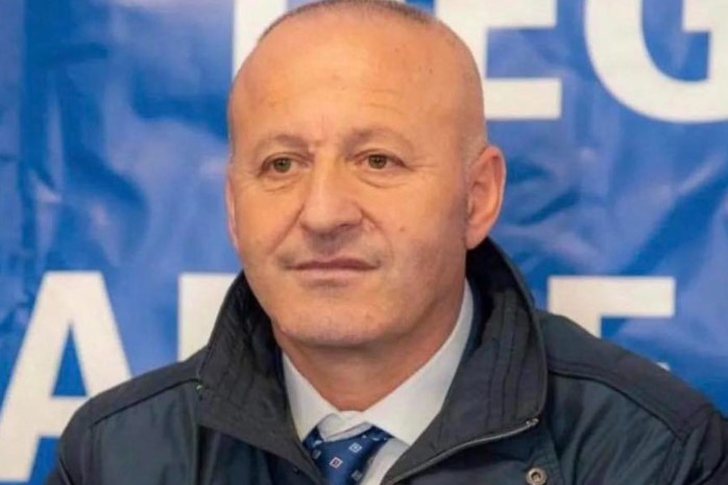
The Socialist Party has lost in Has. BF candidate, Miftar ...
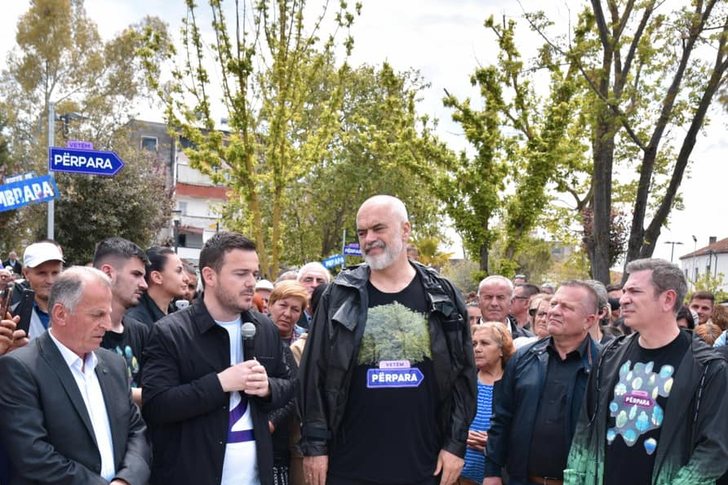
"Together We Win" suffered a deep loss in Cërrik. It is kn...
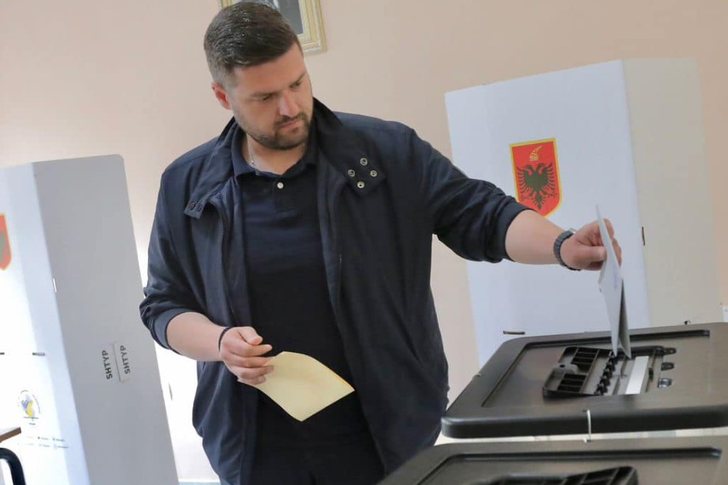
Fation Duro has won in Patos. The SP candidate received 82...
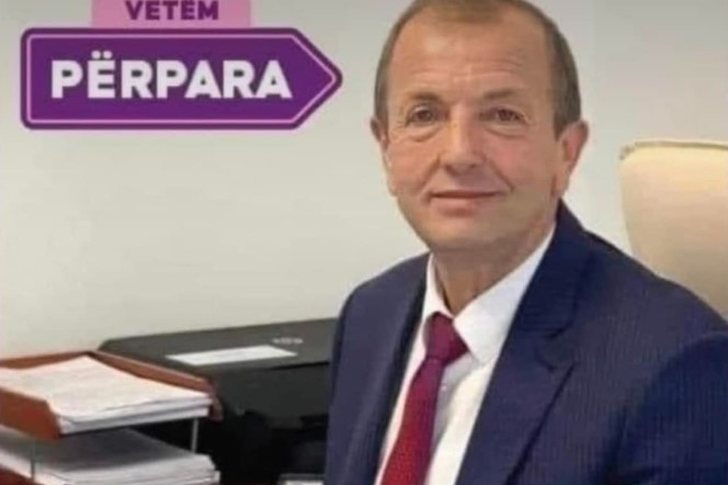
Gëzim Topçiu, the SP candidate for Maliq, has won the 7th ...
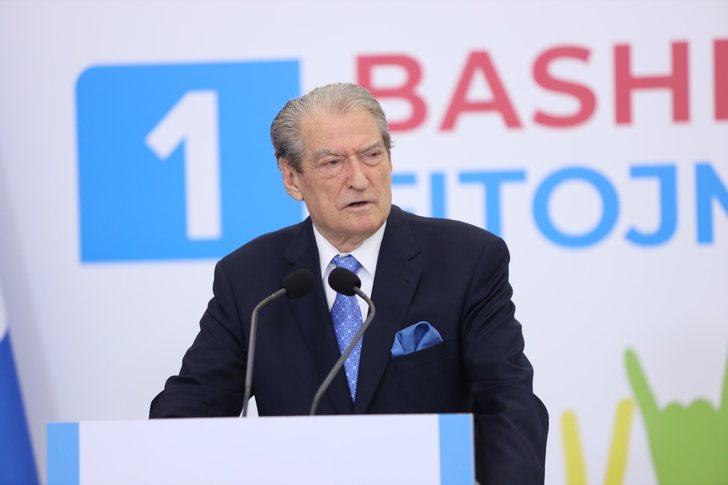
The leader of the "Together We Win" coalition, Sali Berish...
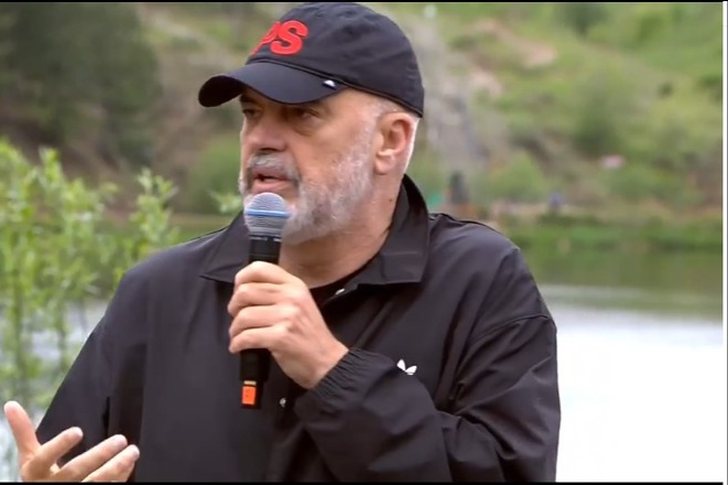
The Socialist Party of Prime Minister Edi Rama is also tak...

Ermal Dredha i PS-së ka rrëmbyer fitoren në Vlorë. Sipas t...
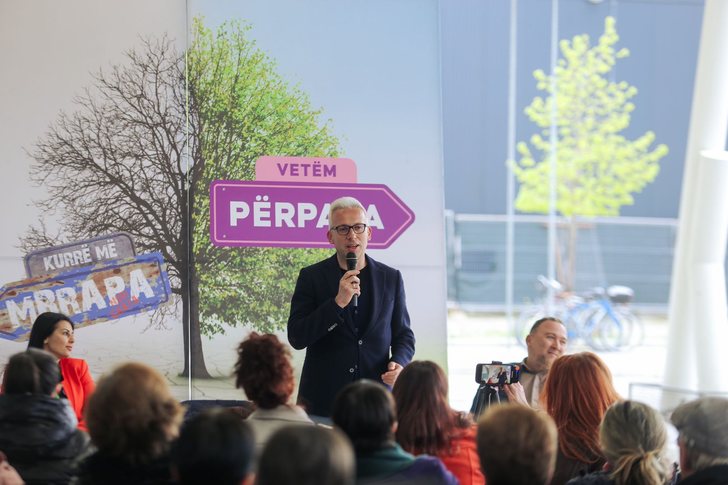
The process of counting votes in Korça has ended, where So...

In Gramsh and Mirdita, the process of counting votes has b...
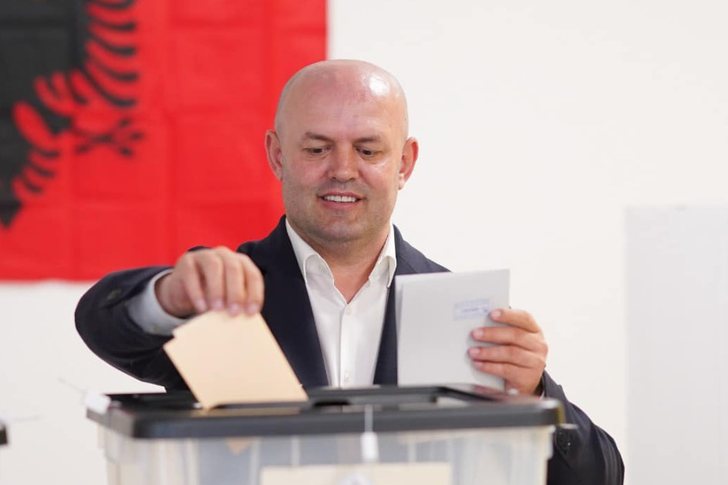
Librazhdi has entrusted the vote to Mariglen Disha, the ca...
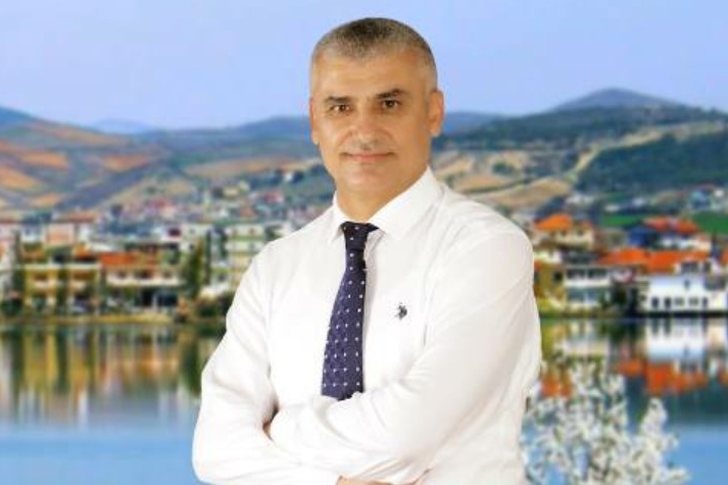
Arif Tafani secured the victory in Belsh with 4536 votes, ...

In Roskovec, the counting of ballot boxes has been complet...
The process of counting votes in Klos and Memaliaj has bee...
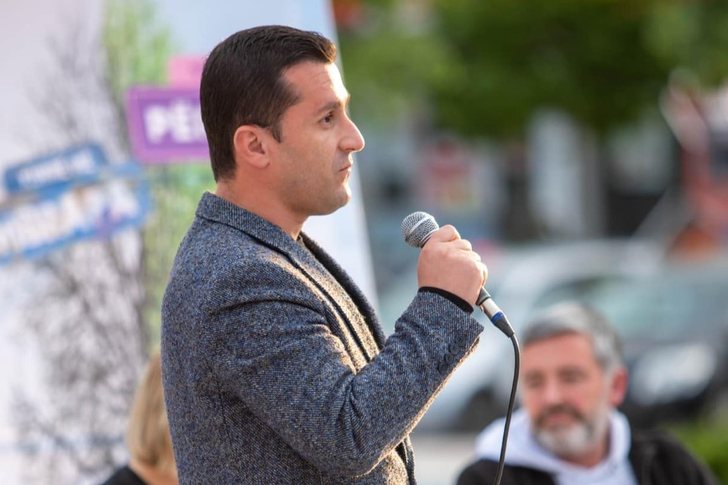
Besmir Veli, the SP candidate, has won with a deep result ...

CNA has launched another investigation that could lead to ...

Irfan Hysenbelliu is a businessman that we call "Irfan the...

In March 2026, CNA launched another investigation centered...
The arrested mayor of Tirana, Erion Veliaj, with 13 charge...

The Special Board of Appeal (KPA) decided this Monday ...

The KPA vetting decided this Thursday to dismiss the p...

Suela Salavaçi, a prosecutor in the Prosecutor's Offic...

The Special Board of Appeal reinstated the prosecutor ...

A Shkodra traffic police officer was hit with hard objects...
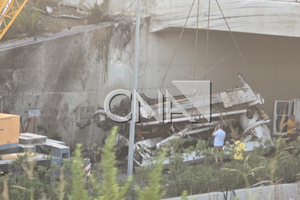
This Wednesday, around 4:00 PM, a serious accident occurre...
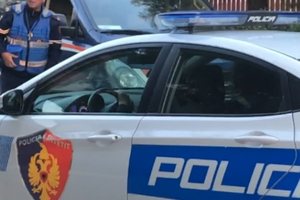
Tirana Police have shared details regarding the accident t...
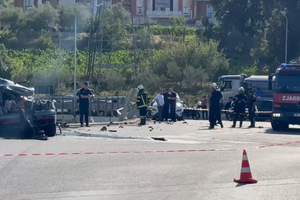
New details have emerged regarding the accident that occur...
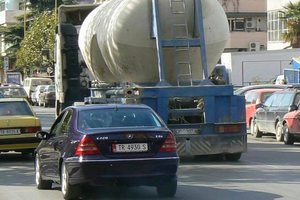
A serious accident that occurred this Wednesday with the c...

The Institute of Geosciences has shared a forecast for wea...

Rising energy and fertilizer prices are expected to contin...

Over 18,000 foreign citizens from 140 countries have appli...
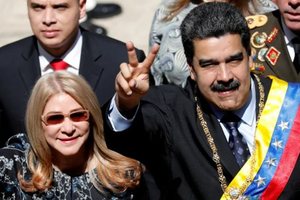
The trial of ousted Venezuelan President Nicolas Maduro on...
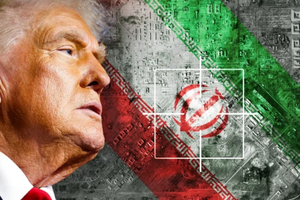
US President Donald Trump has issued another warning to Ir...

Prime Minister Andy Burnham has announced that most bus fa...

France's parliament has passed a law to ban social media f...

At a time when industrial products are increasingly taking...

Trust among people is not just a three-syllable word. It c...

Master of humor Todi Llupi has passed away at the age of 7...

The ninth edition of "MIK Festival" kicked off with one of...

The price of diesel reached 206 lek per liter from 198 lek...

Businesses will no longer be required to simply register t...

Despite economic growth and income in recent years, Albani...

This Wednesday, one US dollar is bought for 81.4 lek and s...