

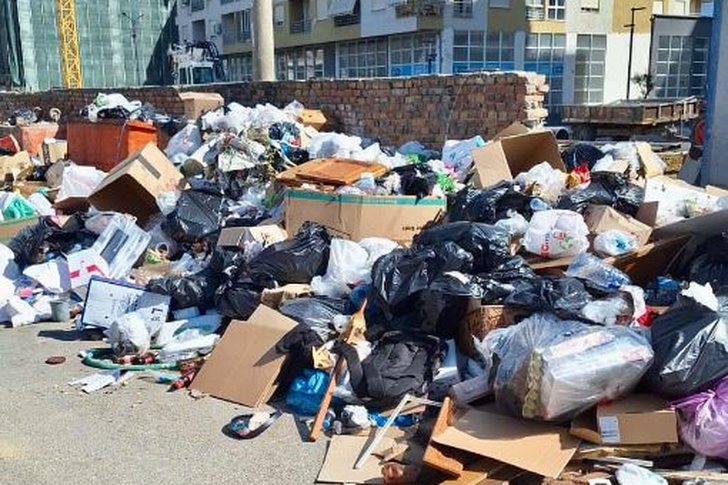
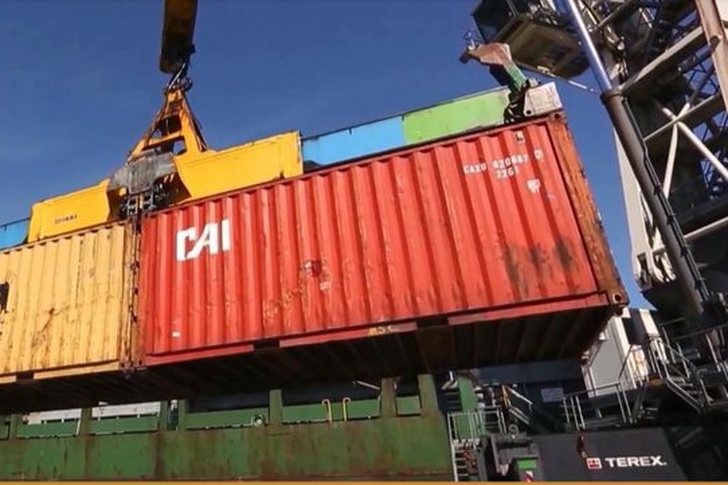
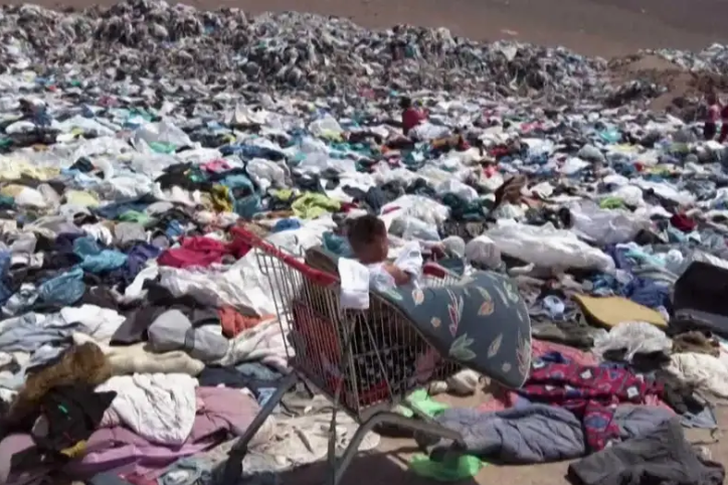
PHOTO/ Mountains of garbage at Unit 9, Kelliçi: Major achievement of the de facto owner of the Tirana incinerator
The political leader of the PD for Tirana, Belind Këll...


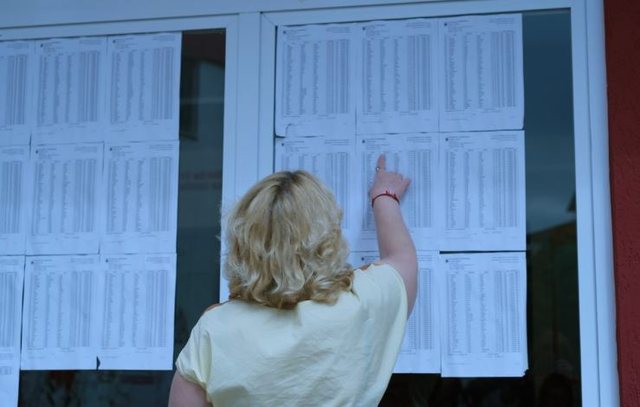
On August 4, Himara Municipality in the south of the country went to the polls to elect a new mayor, following the controversial arrest of Fredi Beler and the loss of his mandate due to his conviction for election corruption.
The race took place between Vangjel Tavos from the Socialist Party and Petro Gjikuria from the opposition coalition, but left the other political parties indifferent.
Out of 131 parties registered in the Court of Tirana, only 11 of them were registered in the Central Election Commission to participate in the elections for the Municipality of Himara. This is a common panorama of electoral processes in Albania, where only a small part of political parties are active and regularly participate in electoral processes.
From the fall of the communist system in 1991 until today, a total of 134 political parties have been registered in the Court of Tirana, but only three of them have been deregistered according to the data provided by the Court of Tirana.
However, according to an audit report of the Central Election Commission, more than 80% of them exist only on paper. The report also found that 107 political parties were in violation of the law, as they did not have an office, an address, and in some cases the leaders had passed away.
Political experts in Albania emphasize that this is an indicator of the high informality of political parties in Albania, while expressing the need to revise the law on Political Parties.
"About 92% of political parties turn out to be informal, so there are neither practical addresses, nor structures, nor opportunities to contact their leaders and leaders, leading to an extreme informality of political parties," Afrim Krasniqi told BIRN. director of the Institute for Political Studies.
The Law 'On Political Parties' was approved in 2000 and gives the opportunity to anyone to create a political party, on the condition that they collect 3 thousand signatures and submit them to the Court of Tirana, along with the party's statute. But the law has no provision for what will happen if the founders leave this political force, or in the worst case, pass away.
Rezart Kthupi, an expert on electoral processes previously engaged with the Democratic Party, also thinks that the law has large gaps and an urgent need for changes. "The main problem of the law is the lack of control. The court is the institution which is set in motion only at the request of the party (political party) and has no control mechanisms over the activity of the political party," said Kthupi.
"In the current form of the law, there is no legal mechanism, be it administrative or judicial, which can assess whether a political party no longer fulfills the conditions required for its registration, or whether it continues to exist, in the sense of the activity of internal party or in terms of political activity," he added.
Political parties in Albania do not only have formal problems, but also in the way they function to guarantee transparency, accountability and the implementation of the statute for internal disputes. According to Kthup, this is not only due to the lack of internal democracy, but also of legal mechanisms.
"The biggest problem of the current law is precisely the lack of evaluation mechanisms whether the statutes of political parties are respected or not," he said, adding that "internal democracy begins with the implementation of the common rules on which the party was founded."
In general, party statutes sanction periodic elections, where mandates vary from 3 to 5 years for all governing bodies, but are these terms respected?
"What usually happens is that, despite the statutory provisions, the vast majority of political parties do not hold periodic elections, precisely because the law has not provided for any instrument, which forces the political party to carry them out. It remains only in the will of the governing bodies of the party to implement the statute or not," emphasized Kthupi.
The current law does not necessarily provide for the registration of the governing bodies of the party, with the exception of the chairman, which, according to Krasniqi, has caused these parties to be ruled by their chairmen.
"The leading individuals, who rule the political parties, treat them as groups of their family, their business, their personal career, their CV and their personal needs," said Krasniqi from the Institute of Studies. Political.
Krasniqi reinforces the need to change the law with the demands of the European Union for Albania, where the country must also answer for the transparency of political parties. But since these "homework" are in the last chapters, Krasniqi is pessimistic that the reformation can be done soon.
"The process of reforming the parties will be distant and unfortunately it is not a top priority even in the international documents referring to Albania, but the only condition remains is that through democracies in the political parties we have democracy in Albania", he concluded./ Reporter.al

The political leader of the PD for Tirana, Belind Këll...
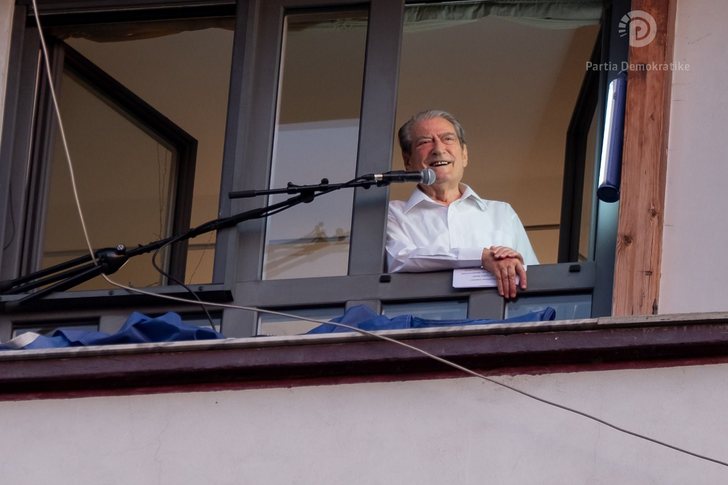
The leader of the DP, Sali Berisha, has returned once ...
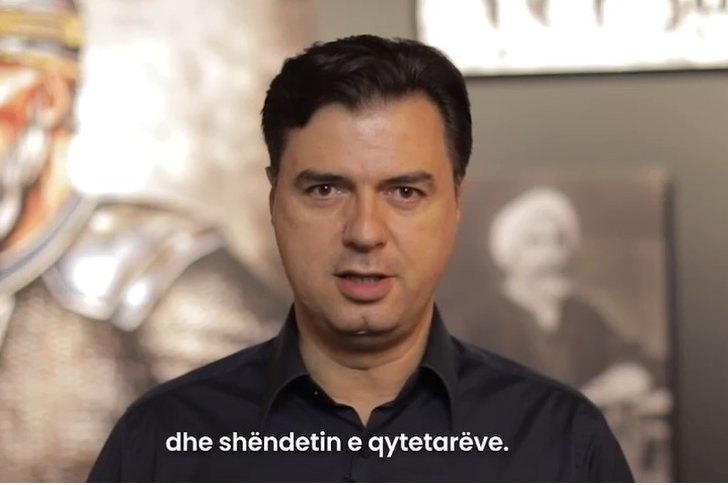
Self-proclaimed as a "Euro-Atlantic" democrat, and aft...
The National Development Movement reacts to the toxic ...
Next week, the deputies are expected to return to work, ev...
The member of the presidency of the DP, Grigels Muçollari,...
The emigration of Albanians and the importation of tox...
The Ministry of Infrastructure and Energy, together with t...
PL MP Petrit Vasili, through a long status on social n...
The chairman of the Democratic Party, Sali Berisha, ha...
The former deputy, Myslim Murrizi, in a post on his FB...
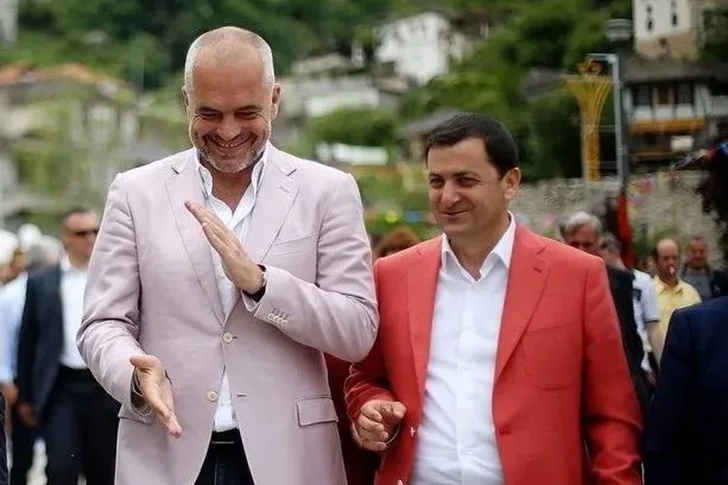
Prime Minister Edi Rama has chosen Himara to hold the ...
The head of PL, Ilir Meta, has reacted regarding the s...
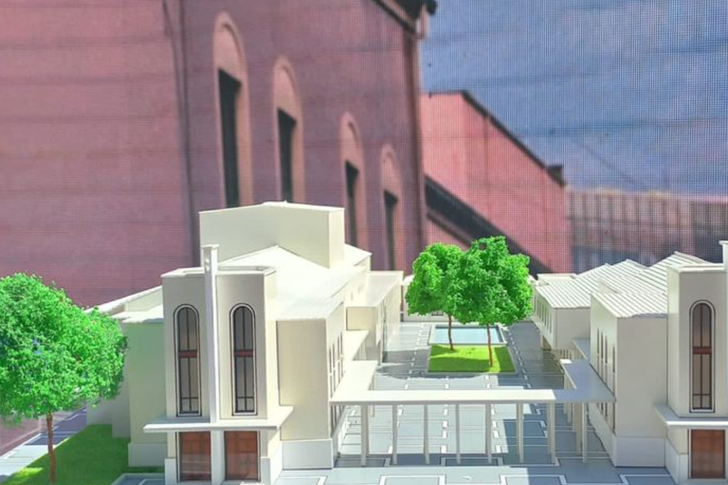
The Alliance for the Protection of the Theatre, after the ...
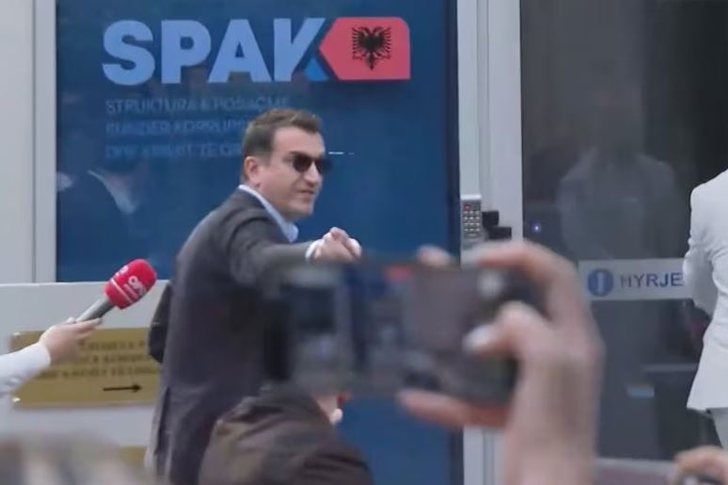
In a panic before the investigations that SPAK is cond...
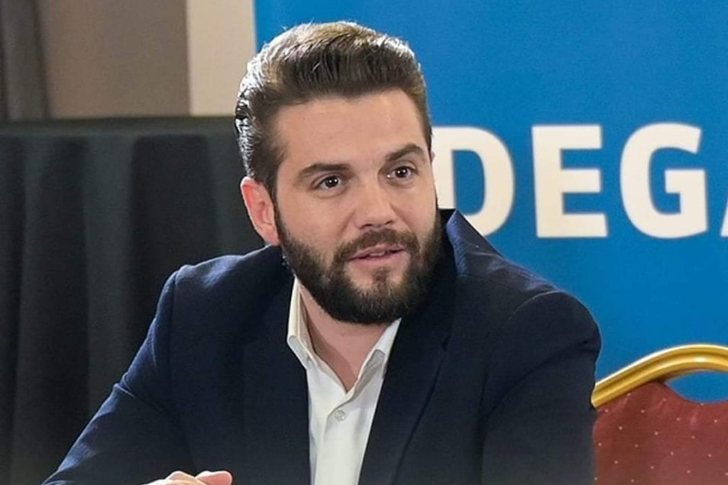
Unnecessary debate for protagonism, the opposition was...

The head of the DP Sali Berisha has made strong accusa...
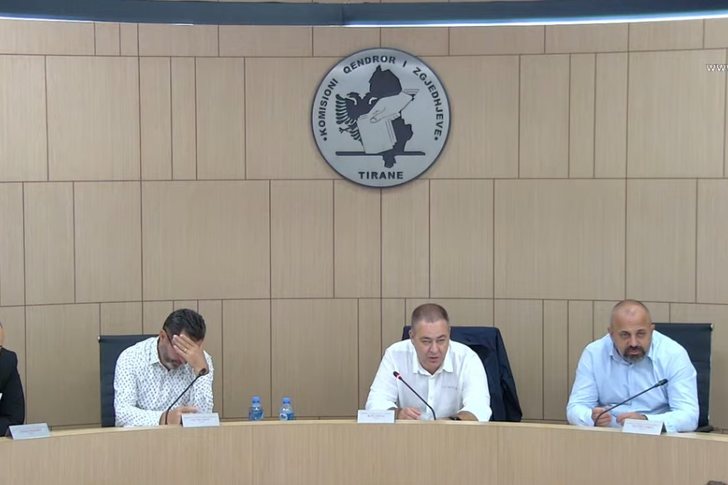
The Complaints and Sanctions Commission accepted this Thur...
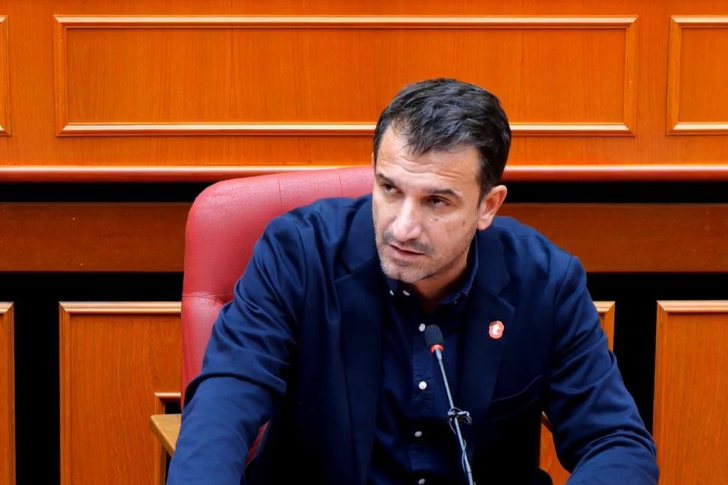
The vice president of the Municipal Council of Tirana,...
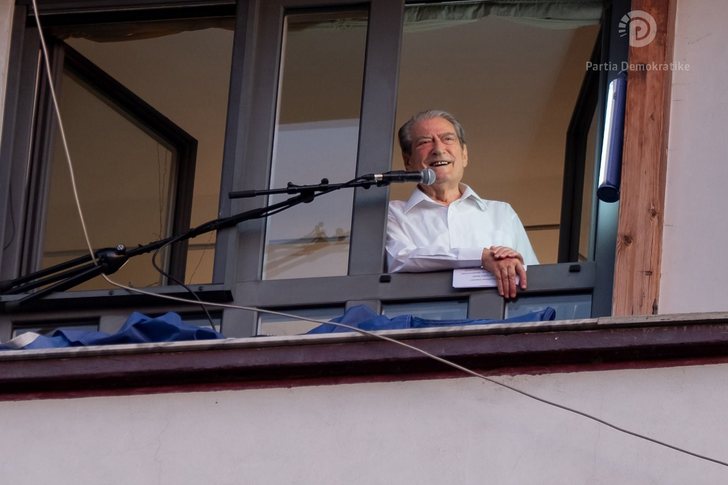
The head of the DP, Sali Berisha, said that only the p...

CNA has launched another investigation that could lead to ...

Irfan Hysenbelliu is a businessman that we call "Irfan the...

In March 2026, CNA launched another investigation centered...
The arrested mayor of Tirana, Erion Veliaj, with 13 charge...

The Special Board of Appeal (KPA) decided this Monday ...

The KPA vetting decided this Thursday to dismiss the p...

Suela Salavaçi, a prosecutor in the Prosecutor's Offic...

The Special Board of Appeal reinstated the prosecutor ...
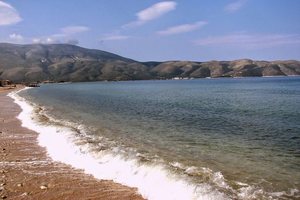
A person has died today on Orikum beach. According to repo...

Footage emerges from the serious accident that occurred th...
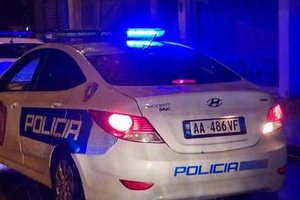
A Shkodra traffic police officer was hit with hard objects...
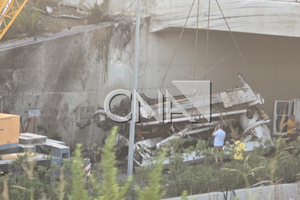
This Wednesday, around 4:00 PM, a serious accident occurre...

Children without parental care, for whom alternative famil...

On Thursday, our country will be under the influence of st...
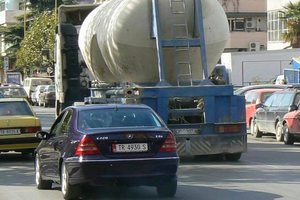
A serious accident that occurred this Wednesday with the c...

The Institute of Geosciences has shared a forecast for wea...

For the first time since the launch of the euro, European ...

Artificial intelligence (AI) models from the American comp...
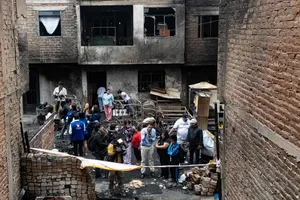
At least 10 people have died after a fire broke out in a h...

Yemen's Houthis have claimed to have attacked two Saudi oi...

At a time when industrial products are increasingly taking...

Trust among people is not just a three-syllable word. It c...

Master of humor Todi Llupi has passed away at the age of 7...

The ninth edition of "MIK Festival" kicked off with one of...
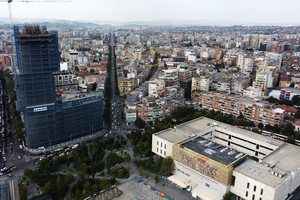
The average sale price of apartments in Tirana reaches rec...

This Thursday, one US dollar is bought for 81.5 lek and so...

The price of diesel reached 206 lek per liter from 198 lek...

Businesses will no longer be required to simply register t...