


A dead person is found in the Buna river/ First suspicions
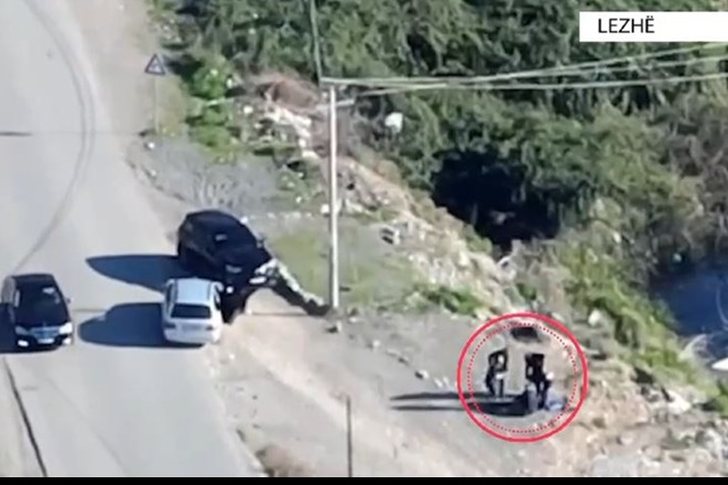
A person was found dead this Saturday around 15:30, on...


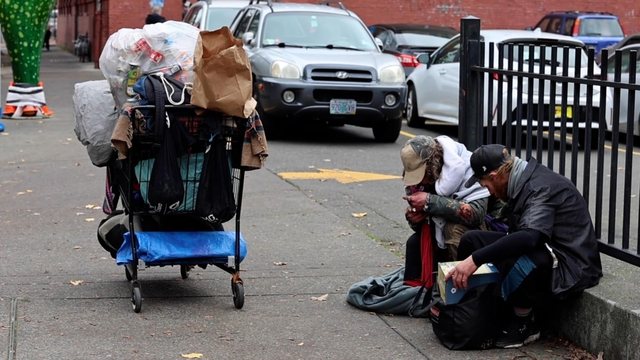
One US state is experimenting with a new approach to opioid abuse. VOA correspondent Deborah Bloom reports on how Oregon is decriminalizing the use of small amounts of hard drugs.
JB lives on the streets of Oregon's largest city. He is an active user of fentanyl and says he has been abusing opioids for 20 years.
"If it turns black or gives off a strange taste, then it's not a good commodity. I get very good quality," he says.
As the United States grapples with the fentanyl abuse epidemic, Oregon voters approved in 2020 the decriminalization of small amounts of controlled substances.
The goal was to find a new approach for drug abusers and invest more in their recovery.
Instead of facing criminal charges, people caught with small amounts of hard drugs are given a warning and the opportunity for treatment.
It's a plan modeled after Portugal used it in 2001 to decriminalize some hard drugs and promote medical treatment.
However, data collected in Oregon since the program's inception shows that few people continue with treatment and that even when they do, they face long wait times because the state has historically had little investment in mental health. . Tera Hurst leads an alliance of organizations in Oregon that are involved with this program.
"What we've seen is when services aren't available, and when there's a lack of care and planning when you're faced with a crisis, then things don't go well," says Ms Hurst.
She says the success of the program depends on the ability to change the mindset of the interdependent.
"Do you see them as people who make the wrong choices? Or do you follow the lead of science which says that this is a disease, that it is something for which there is treatment and that people recover," says Ms Hurst.
The program known as Measure 110 has had mixed results and has raised questions about its effectiveness. Max Williams is a former director of the Oregon penitentiary system and a former legislator.
"Measure 110 was intended to reach people where they are, to people who abuse substances. But he often left people without helping them. And we want to help them, not just leave them where they are," says Mr Williams.
Mr Williams is part of a coalition backing a referendum to re-criminalise the use of small amounts of hard drugs and to make substance abuse treatment mandatory.
"The whole idea is not to add charges to the individual, not to extend the criminal history, or not to use prisons ineffectively. Sufficient consequences must be created, along with reward, to motivate this difficult group of people facing codependency to seek treatment and recovery services,” says Mr. Williams.
David is addicted to drugs and does not want to give his last name.
He says he's tried detox several times, but finds it hard to stay drug-free when Portland treatment centers are always short on space.
“There are no beds available anywhere to sleep. When staff say that, it's very disappointing," he says.
A 2021 survey ranked Oregon last in the United States for availability of drug treatment infrastructure. Since the Measure 110 program began in 2020, the Centers for Disease Control and Prevention says opioid overdose deaths in Oregon have doubled./ VOA

A person was found dead this Saturday around 15:30, on...
Two vehicles collided this Saturday at around 2:30 p.m., o...
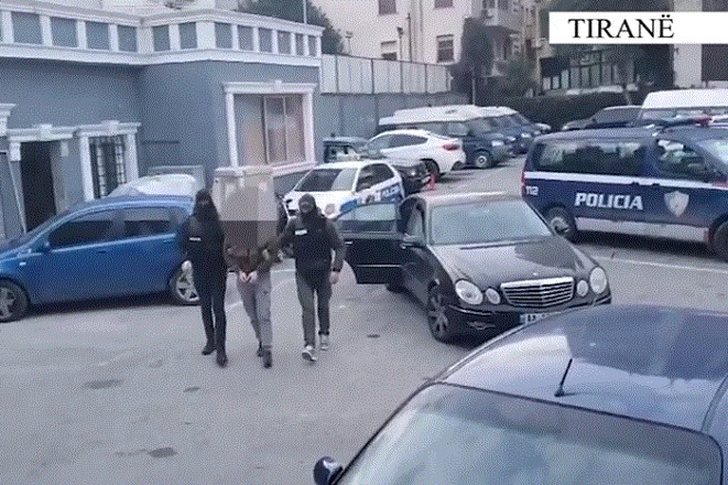
New details have emerged from the arrest of the operative ...
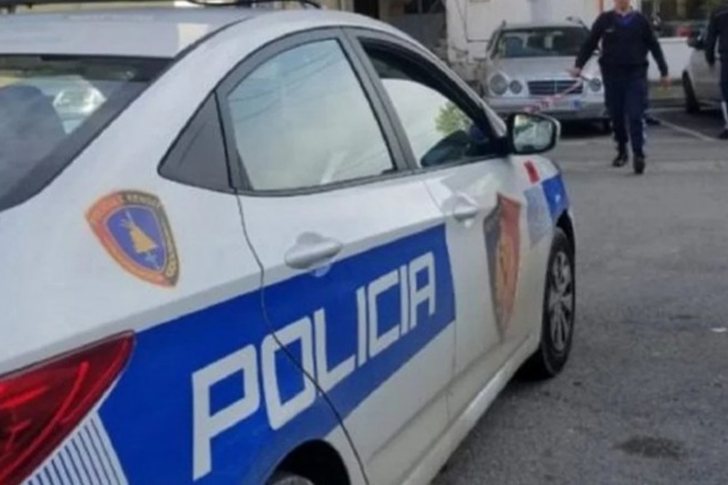
The Police Supervision Agency has announced that polic...
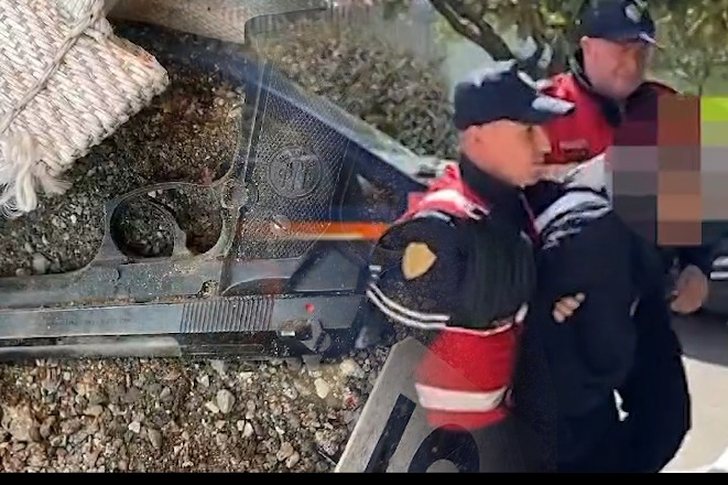
New details have emerged of the incident that happened yes...
Prokuroria e Posaçme Kundër Korrupsionit dhe Krimit të Org...
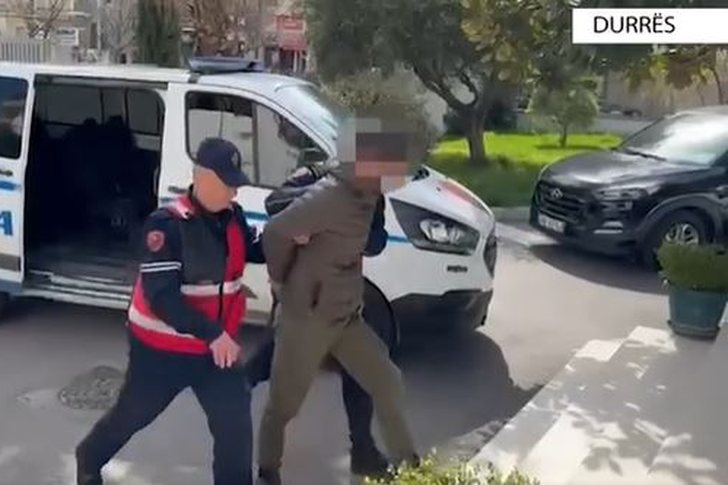
The Durrës police were able to arrest a 28-year-old man wi...
This morning, in the river of the village of Mborje, the c...
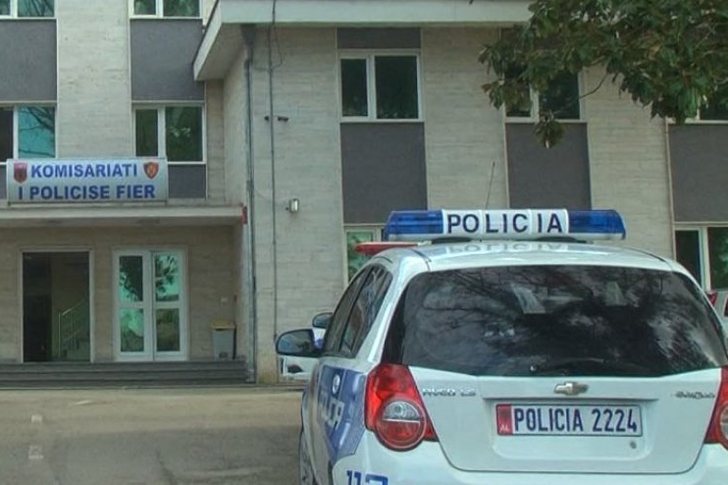
The 28-year-old AA citizen was criminally prosecuted and f...
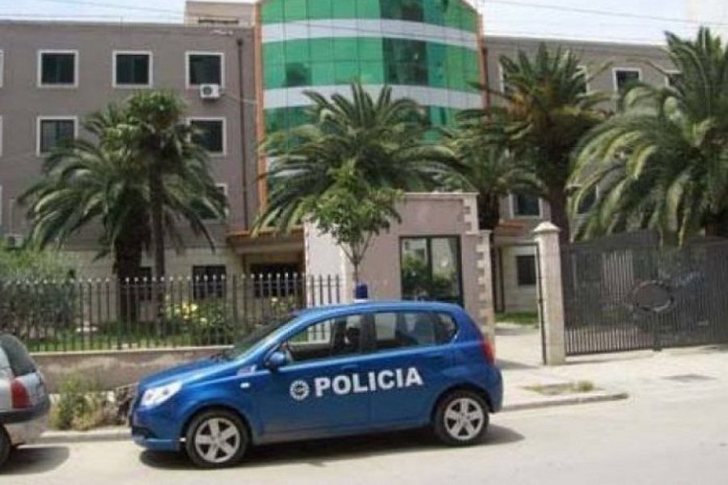
In the road segment Shënavlash-Rina Sector, the vehicle dr...

At noon today, in neighborhood no. 16, Korçë, in the premise...
They hurt a citizen with strong tools today, for weak moti...
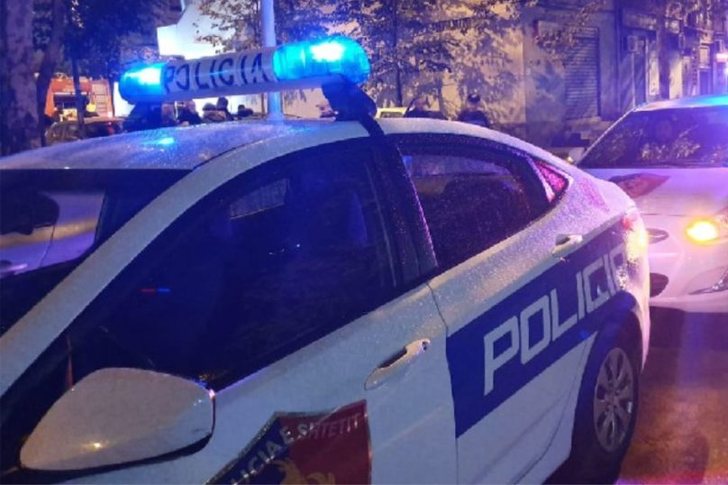
The Police Supervision Agency has given details about the ...
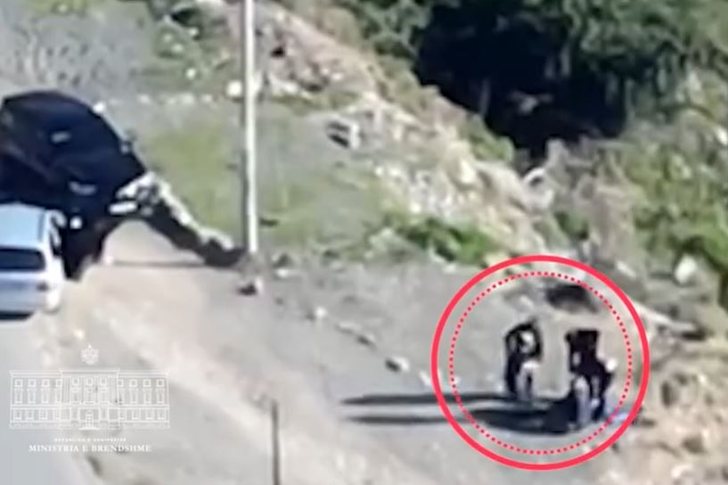
Ministria e Brendshme ka publikuar pamjet nga arrestimi i ...
Gunshots in Xhafzotaj, Durrës. It is learned that a 36...
Policia parandalon ngjarje kriminale që do të kryheshin me...
Një person është plagosur me armë zjarri mbrëmjen e djeshm...
The court has left Ilir Beqaraj and Edison Haxhiu in priso...

Një autobus i linjës ndërqytetase është përfshirë nga flak...

The police in Durrës seized 116,685 euros suspected of...

CNA has launched another investigation that could lead to ...

Irfan Hysenbelliu is a businessman that we call "Irfan the...

In March 2026, CNA launched another investigation centered...
The arrested mayor of Tirana, Erion Veliaj, with 13 charge...

The Special Board of Appeal (KPA) decided this Monday ...

The KPA vetting decided this Thursday to dismiss the p...

Suela Salavaçi, a prosecutor in the Prosecutor's Offic...

The Special Board of Appeal reinstated the prosecutor ...
A conflict occurred this Thursday evening in the toy area ...

A person has died today on Orikum beach. According to repo...

Footage emerges from the serious accident that occurred th...
A Shkodra traffic police officer was hit with hard objects...

Children without parental care, for whom alternative famil...

On Thursday, our country will be under the influence of st...
A serious accident that occurred this Wednesday with the c...

The Institute of Geosciences has shared a forecast for wea...

The European Union Office in Kosovo has called on all poli...
Serbian President Aleksandar Vučić, at a press conference ...

For the first time since the launch of the euro, European ...

Artificial intelligence (AI) models from the American comp...

At a time when industrial products are increasingly taking...

Trust among people is not just a three-syllable word. It c...

Master of humor Todi Llupi has passed away at the age of 7...

The ninth edition of "MIK Festival" kicked off with one of...

The average sale price of apartments in Tirana reaches rec...

This Thursday, one US dollar is bought for 81.5 lek and so...

The price of diesel reached 206 lek per liter from 198 lek...

Businesses will no longer be required to simply register t...