

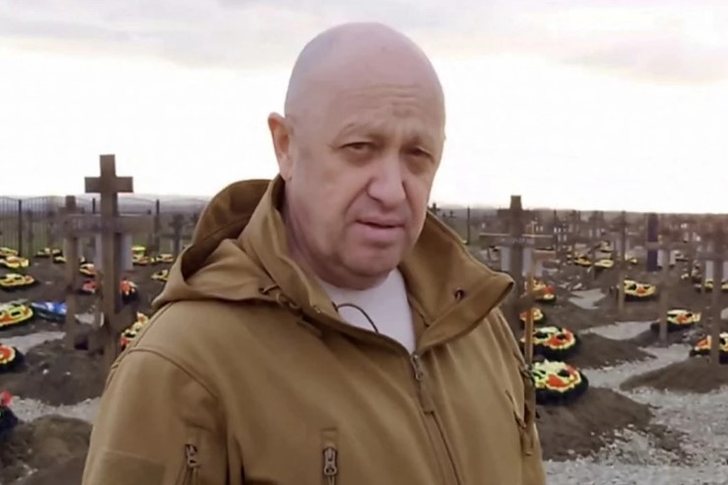
Poisoning, coup or an attack by Prigozhin?/ In the "box of vipers" of Moscow, the survival of the fittest is at risk
Flags of Putin's army, soldiers deserting, allies in l...


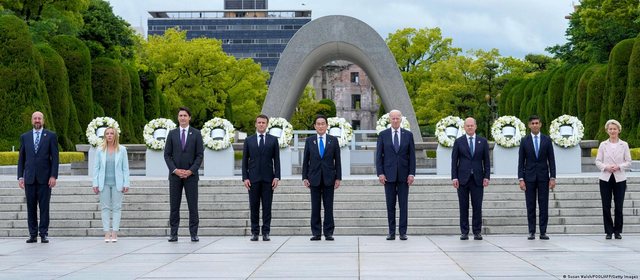
The war in Ukraine, financial sanctions, China. There is much to discuss at the G7 summit, including a plan by Japanese Prime Minister Kishida to advance the world's disarmament of nuclear weapons.
The war in Ukraine and the climate were the main topics of last year's G7 summit at Elmau Castle in Germany, which hosts the next G7 presidency, but these topics will also be present at the summit that starts Friday in Hiroshima. (19.05.) The G7 states want to coordinate actions for aid to Ukraine and sanctions against Russia. The implementation of financial sanctions is expected to be discussed at the summit, because when they are removed by third countries, the effect is limited. The director of the German Association for Foreign Policy, Guntram Wolff, says that sanctions in this sense will be a controversial topic at the summit, where the G7 may reach its limits while it needs to achieve more. "From the Hiroshima summit, I hope that the EU and the G7 will coordinate better and move together."
But also the way of action towards China will be one of the main debates at the G7 summit, also because of Japan's direct neighborhood. Japan has a lot of experience with China, says SPD politician Nils Schmidt both in trade matters, reducing dependencies. In this context, lessons can be learned from Japan. However, in the issues of free trade or protectionism, it is expected that there will be clashes, because the USA continues without stopping its protectionist course. The German politician of the FDP, Gyde Jensen, is nevertheless optimistic that a signal of unity for China and Russia will emerge from this summit. These countries should be signaled that there are no conflicts within the alliance of democracies.
Hiroshima - For and Against Weapons
Although the number of witnesses who experienced the dropping of the atomic bomb in August 1945 on Hiroshima is dwindling, this city remains a symbol of peace and hope. The family of the Japanese Prime Minister, Fumio Kishida, originates from this city, relatives of the family lost their lives after the American atomic bomb. For "Time Magazine", Kishida said that Putin's threats to use atomic weapons in Ukraine had shocked him.
It is precisely in this situation that he calls it necessary to "increase the international dynamics for the prohibition of atomic weapons and include all nuclear states such as China and Russia in nuclear disarmament". Kishida made this statement in March at the consultative meeting of the German-Japanese governments, apparently referring to the G7 summit in Japan that begins on Friday.
Action plan
For this, Kishida has an action plan ready, with which nuclear weapons will be further reduced, nuclear reserves will have to be made transparent, nuclear energy will have to be used only peacefully and threats to use these weapons will be abandoned. The politicians coming to the G-7 summit will also have to visit the Peace Memorial Museum in Hiroshima, where the catastrophic effects of the first atomic bomb on humanity are described. But many Japanese think that this visit is more of a show, like that of President Obama's visit in 2016, which only lasted 10 minutes at the museum.
Long-term nuclear disarmament is a personal dream of the conservative politician, but Kishida is aware of the predicament, says Ken Jimbo, a security expert at Keio University. "With the Hiroshima action plan he seeks to sow the seed for the future." The responsibility remains with China and the nuclear states. "They should disclose the nuclear weapons capacity and ensure transparency about the atomic programs."
Japanese opposition
Japanese Prime Minister Kishida intends to urge the present atomic states, the US, Great Britain and France, to join the agreement on the prohibition of nuclear weapons at the G7 summit. "The agreement can be seen as a starting point for a world without nuclear weapons. For this, the cooperation of the atomic states is needed, but so far none of them is a party to the agreement", declared Kishida recently.
What Kishida gets over with grace: Even the Japanese government has not signed the nuclear weapons treaty that prohibits the production, testing, storage and stationing of atomic weapons and the threat of nuclear weapons. Because Japan so far relies on the US for its protection. Japan finds itself increasingly threatened by its neighbor, North Korea, which continues nuclear tests and further develops its nuclear program. But the biggest danger Japan sees is China, which became clear at the G7 foreign ministers' meeting in April. Japanese Foreign Minister Yoshimasa Hayashi said at the meeting that "what happens in Ukraine today could happen tomorrow in East Asia." The Republic of China with its repeated maneuvers threatens not only Taiwan, but also Japan,
On the other hand, Japan itself moves forward with the strengthening of armaments. The country's defense budget will be doubled by 2027 - A new law provides that the state, in case of need, nationalizes small and medium-sized arms companies in bankruptcy in order to preserve critical infrastructure./ Dw

Flags of Putin's army, soldiers deserting, allies in l...
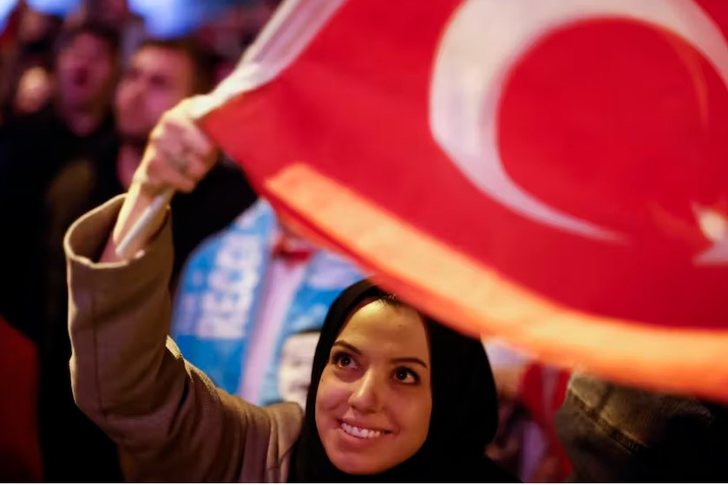
Turqia po shkon drejt balotazhit të zgjedhjeve presidencia...
Earthquake tremors were recorded this evening in the neigh...

At the end of April, a more powerful model of an American ...
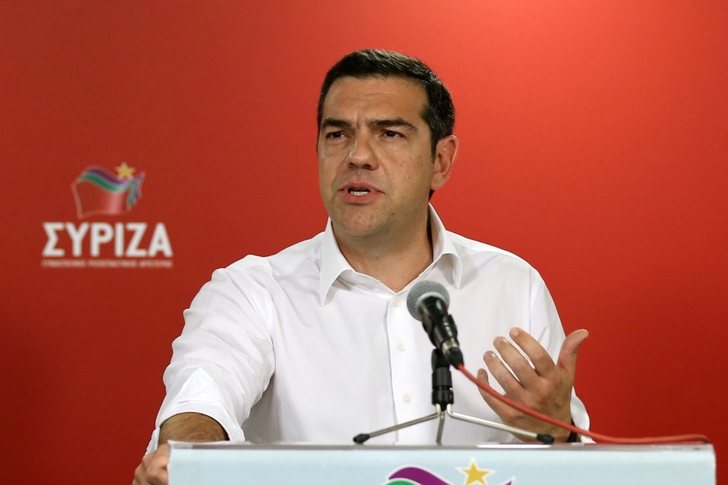
This Sunday, general parliamentary elections are held ...
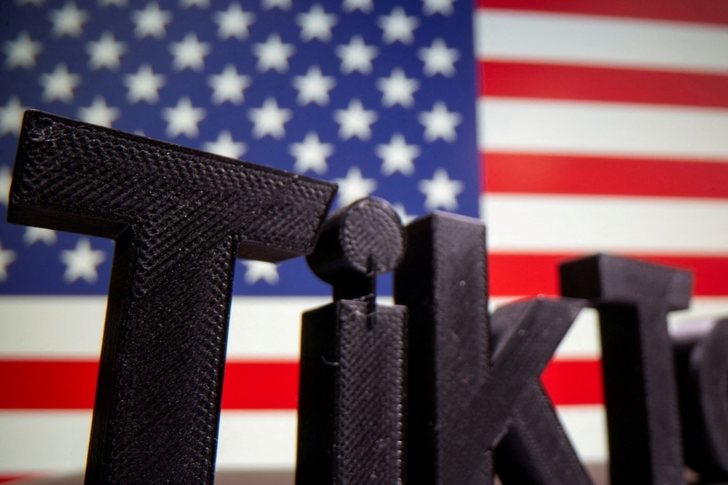
Montana Gov. Greg Gianforte on Wednesday signed legislatio...
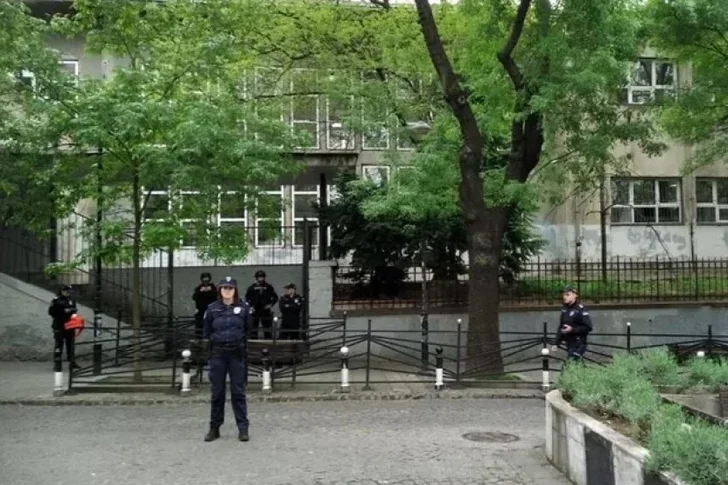
Serbian opinion and Serbian educational institutions have ...
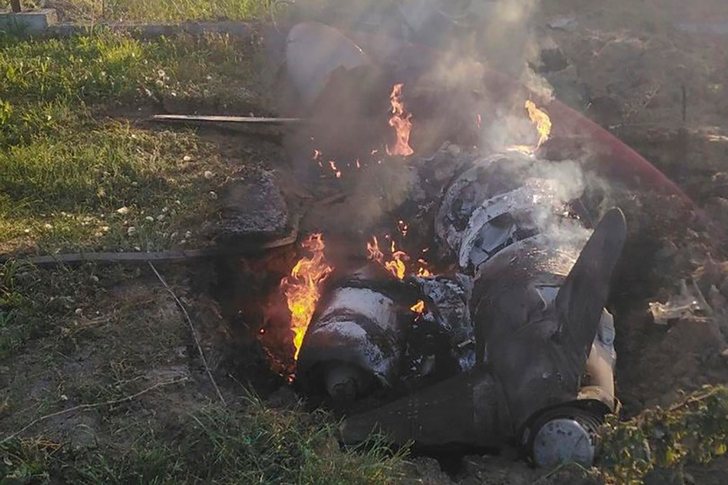
One person was killed and two were injured when a Russian ...
The icon of American conservatism, journalist and commenta...
From January 1, 2024, citizens of Kosovo will be able to e...
In the debate on the creation of an international alli...
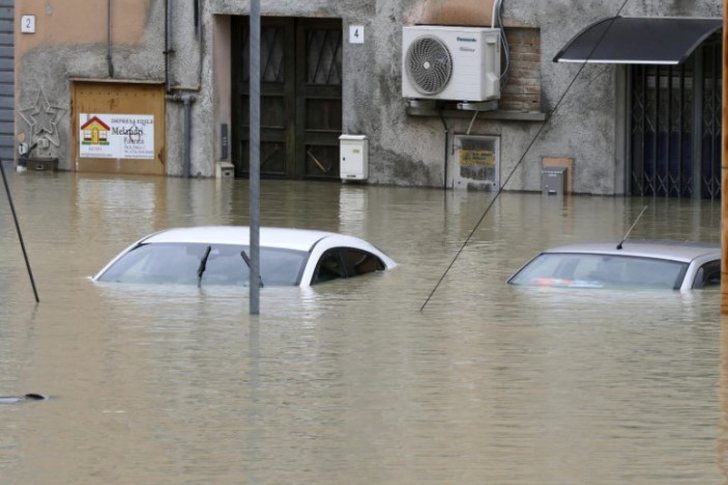
Heavy rains that have fallen for days have caused flooding...
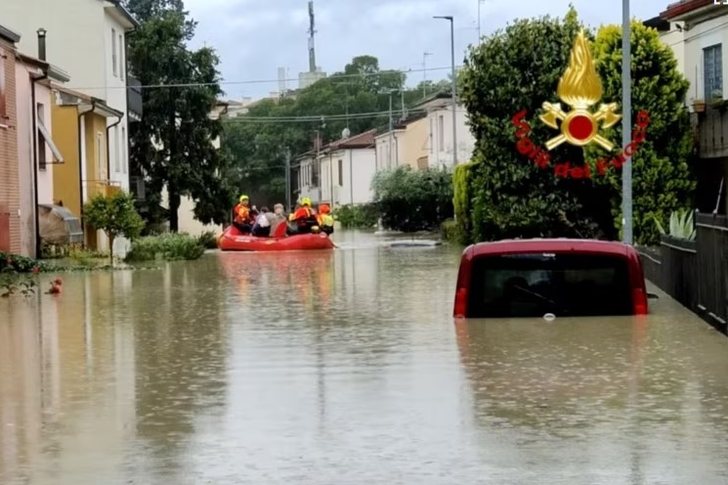
Nine people have died and several others are missing a...
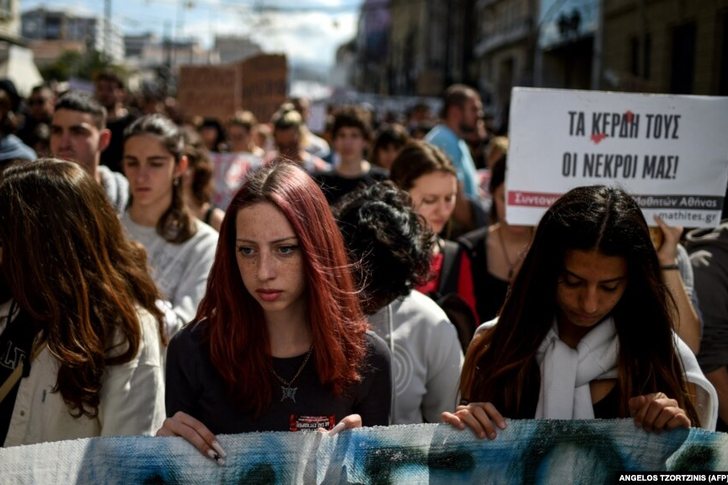
Politicians are vying for votes for the Greek election...
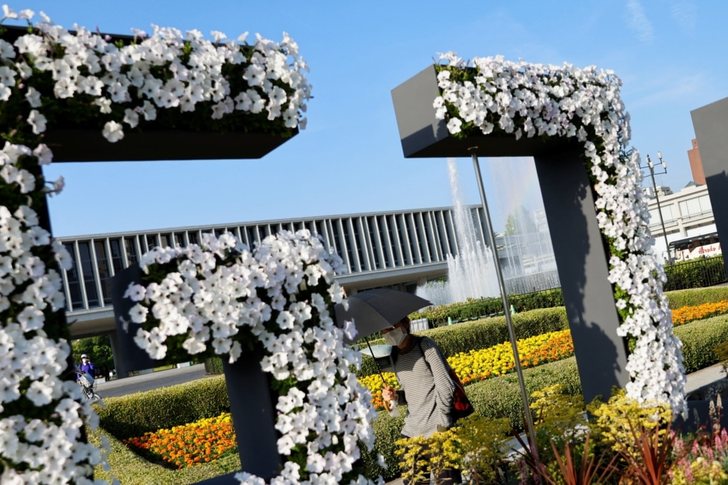
HIROSHIMA, Japan (AP) - The symbolism will be palpable whe...
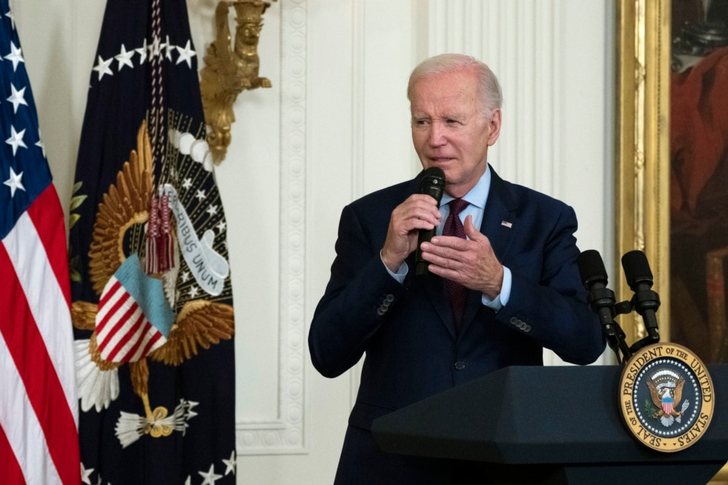
US President Joe Biden leaves today for Japan to attend th...

Seven members of the Albanian immigrant community, who...
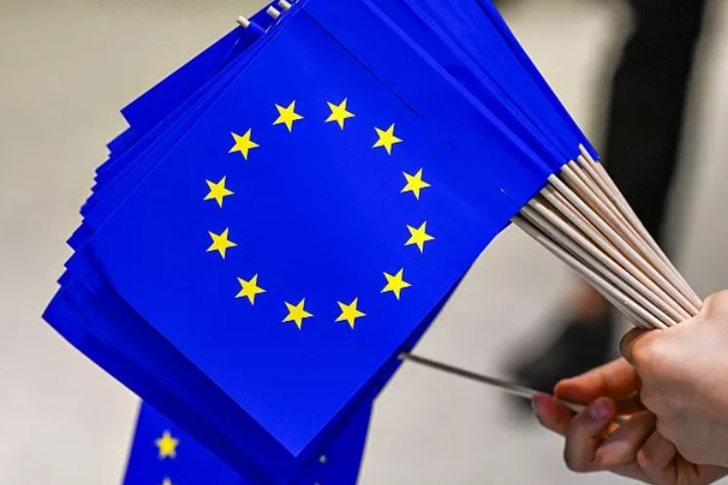
The European Parliament elections are considered the large...
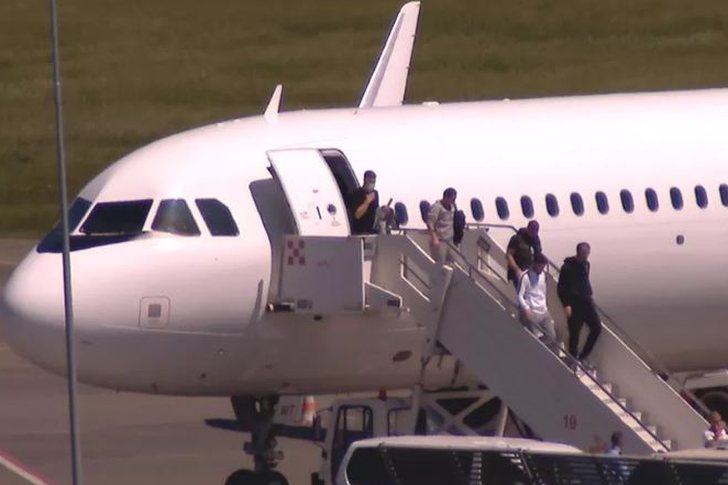
Qeveria britanike i ka ofruar para disa të burgosurve shqi...
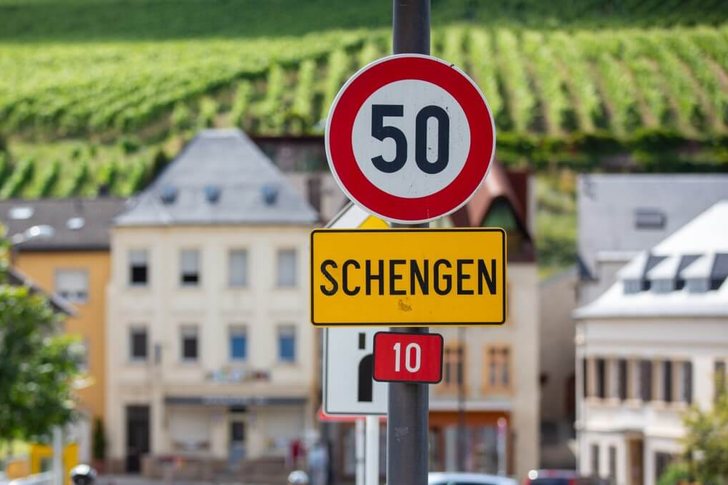
The EU Commission has asked the Council to enable Romania ...
A 39-year-old citizen has been arrested in Lezha, after se...

CNA has launched another investigation that could lead to ...

Irfan Hysenbelliu is a businessman that we call "Irfan the...

In March 2026, CNA launched another investigation centered...

The Special Board of Appeal (KPA) decided this Monday ...

The KPA vetting decided this Thursday to dismiss the p...

Suela Salavaçi, a prosecutor in the Prosecutor's Offic...

The Special Board of Appeal reinstated the prosecutor ...

55-year-old Belere Plaka, who was injured today with a sho...
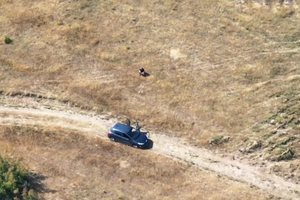
Police Announcement: Following preliminary information...

New details from the operation being carried out in Fier t...

The 17-year-old, who was seriously injured yesterday after...

By noon, cloudiness is expected to prevail in almost all o...

Children without parental care, for whom alternative famil...

On Thursday, our country will be under the influence of st...
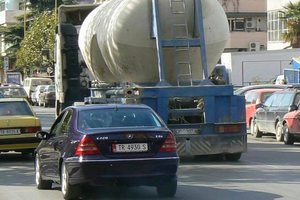
A serious accident that occurred this Wednesday with the c...
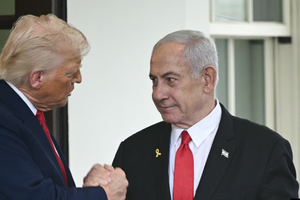
Israeli Prime Minister Benjamin Netanyahu will travel to t...

A bipartisan group of US lawmakers is calling for a Europe...
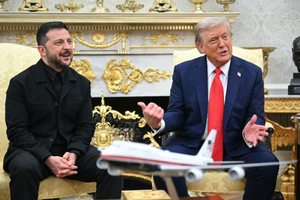
US President Donald Trump will host his Ukrainian counterp...
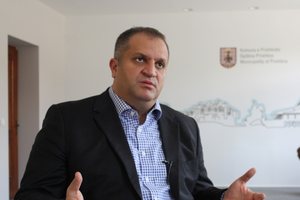
The Basic Court in Pristina found the former mayor of Pris...

In my research at the Central State Archives, specifically...

At a time when industrial products are increasingly taking...

Trust among people is not just a three-syllable word. It c...

Master of humor Todi Llupi has passed away at the age of 7...
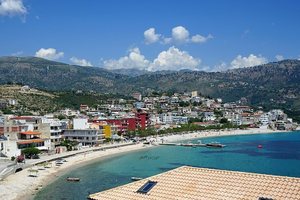
The number of active enterprises in Albania continued to g...
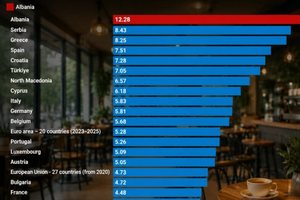
In Albania, the bar-cafe has long become an almost unique ...

This Friday, one US dollar is bought for 81.7 lek and sold...
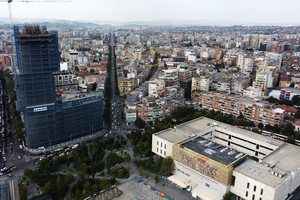
The average sale price of apartments in Tirana reaches rec...