


"Rama, resign!"/ The 55th protest against the government is being held today
This Friday, the 55th civic protest against the government...

This Friday, the 55th civic protest against the government...

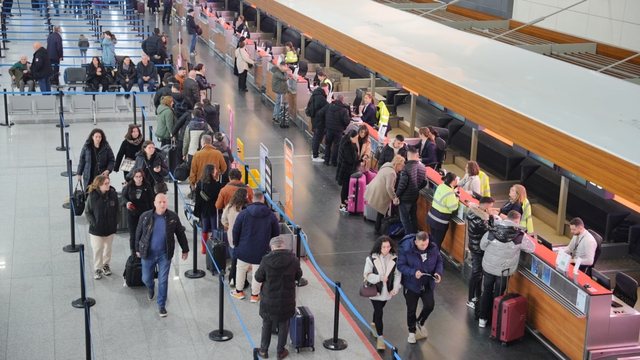
From January 1, Kosovars enjoy the right to travel without visas through the countries of the Schengen zone, consisting of 27 European countries.
This process also brought concerns about the impact that visa liberalization may have on youth migration.
According to the data of the Statistics Agency of Kosovo, during the year 2022, about 41,500 inhabitants left Kosovo. Employment was among the reasons cited for emigration.
The World Bank says that, according to forecasts, the labor market will continue to be affected by legal labor migration even after visa liberalization, as in the past.
Other countries of the Western Balkans went through the same phase. Serbia, Montenegro and North Macedonia gained the right to visa-free travel through Schengen in December 2009, while Albania and Bosnia and Herzegovina a year later.
However, visa liberalization had no visible effect on the number of cases identified for illegal employment in European Union countries.
Visa-free travel should be mainly for tourist or family visits and not for employment purposes.
Although the number of identified cases of illegal employment did not increase consistently, several EU countries expressed complaints about such a thing, especially towards Albania and Serbia.
Meanwhile, for Bosnia and Herzegovina, North Macedonia and Montenegro, visa liberalization boosted more than tourist visits: more young people started studying in EU countries.
As citizens of these countries could travel without visas to EU countries, the number of cases of illegal border crossings decreased. However, at the same time, the number of cases of visitors exceeding the permitted duration of stay in the Schengen zone - up to 90 days within six months - increased.
Such illegal stay began to increase the most in the period from 2012. Again, the largest number of identified cases came from Albania and Serbia.
Albania and Serbia were the two countries that had the most cases of their nationals being caught using fake documents to enter the Schengen area.
Problems such as: the use of false documents, exceeding the duration allowed for a visit, etc., led to an increase in the number of citizens of the Western Balkans who were subjected to mandatory return procedures. Again, the largest number of them were from Albania.
In 2019, the Netherlands asked to suspend visa liberalization for Albania, but the European Commission estimated that there are no conditions to undertake such a measure.
Two years later, the then Slovenian Presidency of the EU prepared a document, where numerous examples of misuse of visa-free travel from Albania, Serbia and North Macedonia were mentioned.
For the countries of the Western Balkans, the European Commission published five monitoring reports of the visa liberalization regime. The last one, published on December 5, 2022, estimated that all countries have taken measures to meet EU requirements and that those countries continue to meet the criteria for visa liberalization.
The conditions for visa liberalization include reforms to strengthen the rule of law, fight organized crime and corruption, manage migration and improve administrative capacities in border control.
In the event of an increase in illegal migration from any country, the EU has the right to temporarily suspend the visa-free travel regime.
This mechanism, which was initiated in 2013, is activated if there is an increase of more than 50 percent in illegal entries from a country and illegal stay, if there is an increase of more than 50 percent in asylum applications, if there is a decrease in cooperation for the return of mandatory and if it is estimated that there is an increased risk for the security of EU member states./ REL

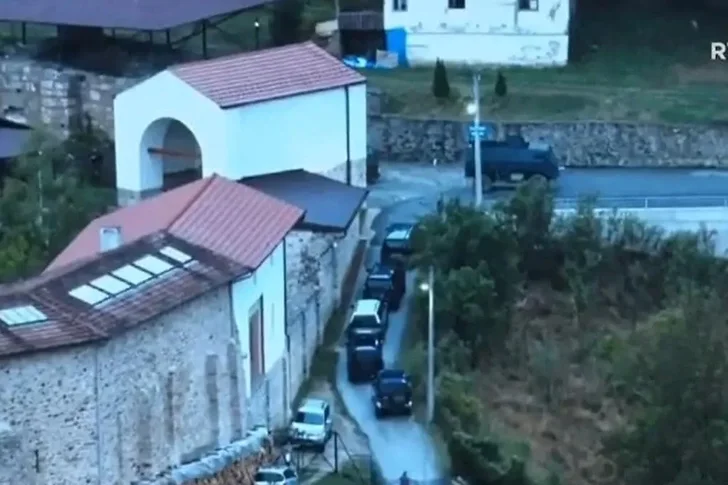
In the early hours of September 24, 2023, two trucks witho...

Një avion i Japan Airlines është përfshirë nga flakët pasi...
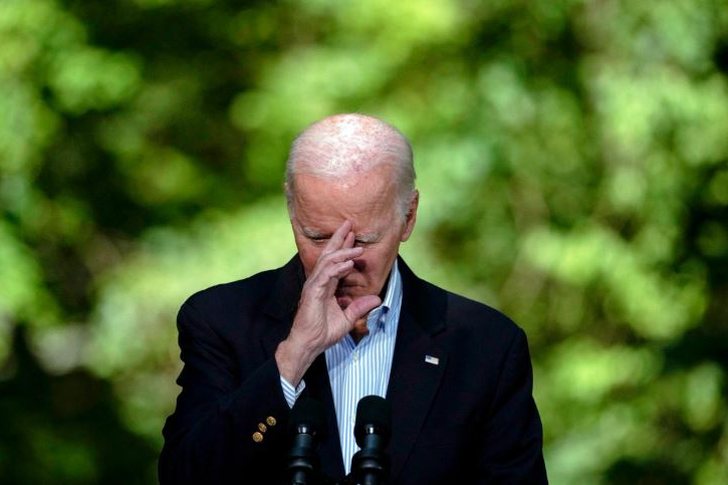
Presidenti amerikan, Joe Biden, njihet për gafat e shu...
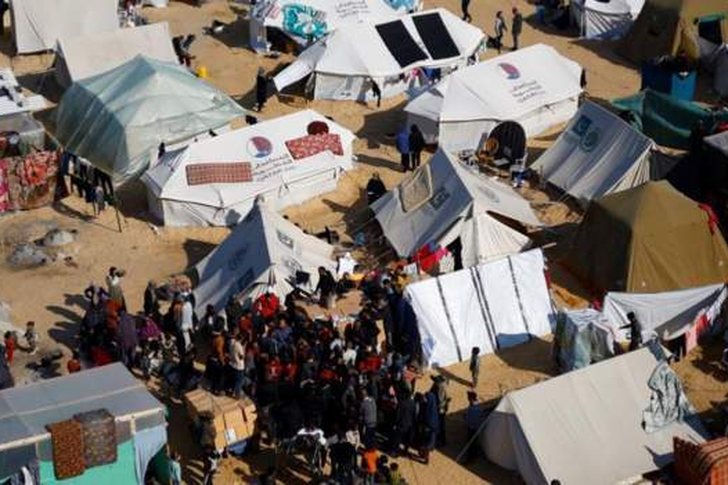
Izraeli ka vijuar me bombardimet ajrore në Gaza duke s...

The death toll from the powerful earthquake in Japan h...

South Korea's opposition leader has been stabbed durin...
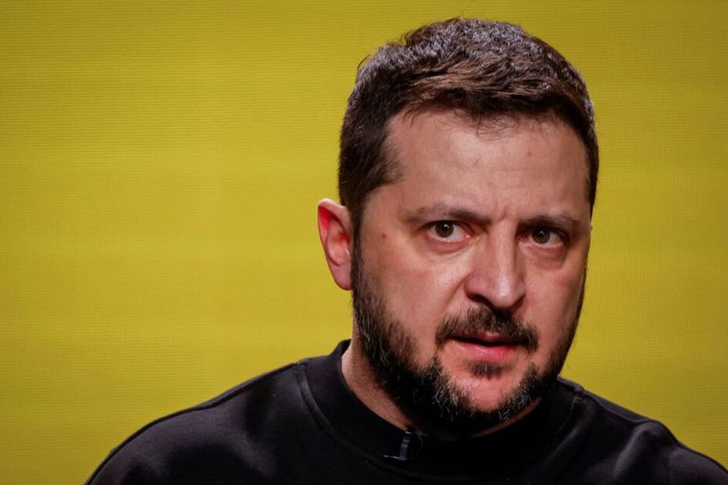
President Volodymyr Zelensky said in an interview publ...

India's space agency has successfully launched a rocke...

Ethiopia has taken the first legal steps on a path tha...
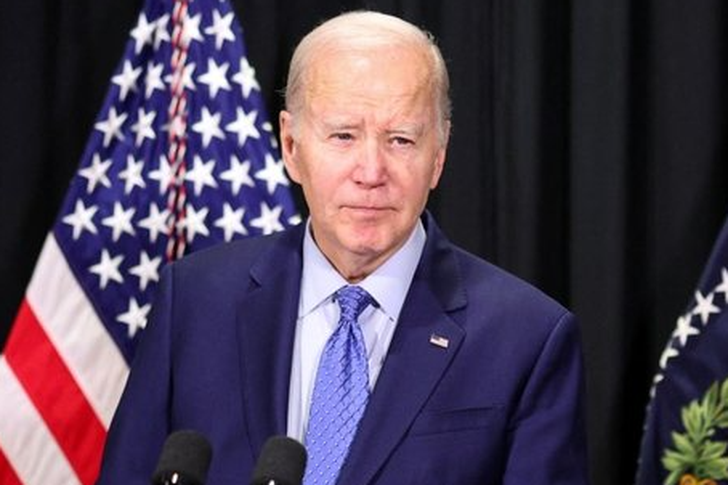
The United States of America is ready to provide all n...
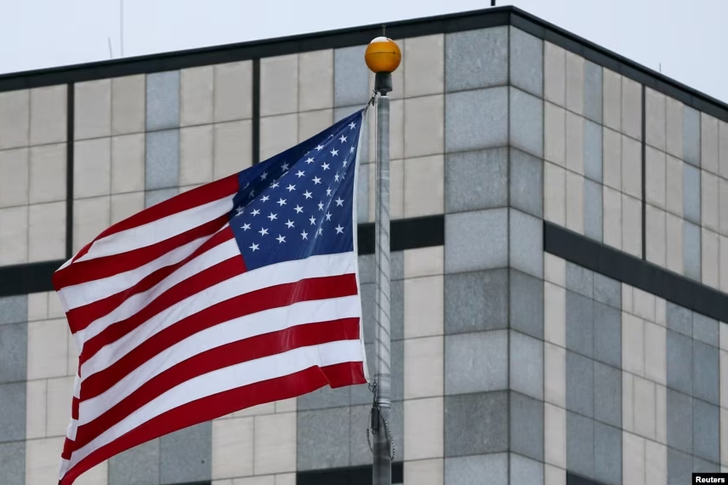
In these times of conflict abroad, more Americans think fo...
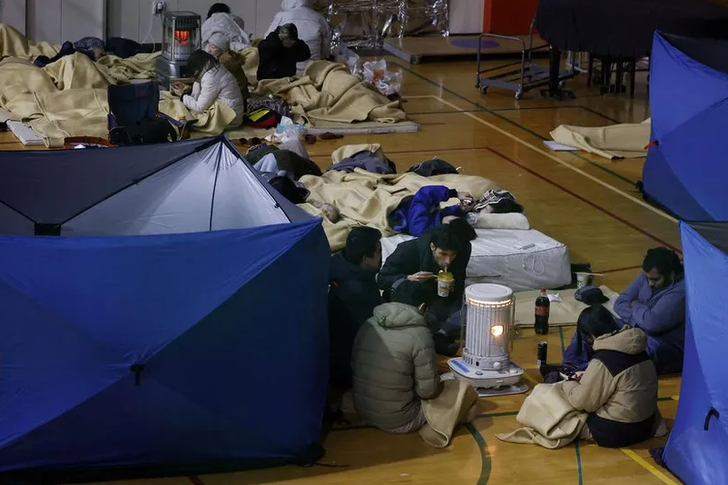
Thousands of people in Japan are spending the night in...

Chief Justice John Roberts urged restraint from law enforc...
The High Representative of the European Union for Foreign ...
President Vladimir Putin has vowed to "intensify" atta...
The Operator of the System, Transmission and Market of...

Beautiful displays of fireworks covered the skies of much ...
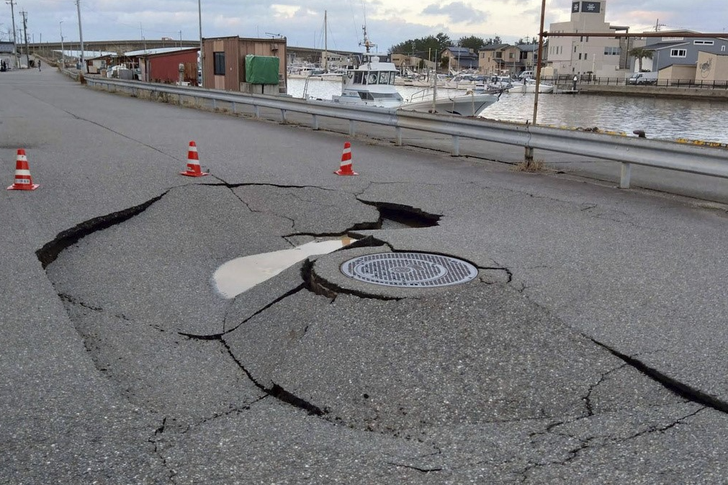
Më shumë se 80 tërmete janë regjistruar sot në Japoni,...

Josie Gibson turned into a sexy police officer as she ...
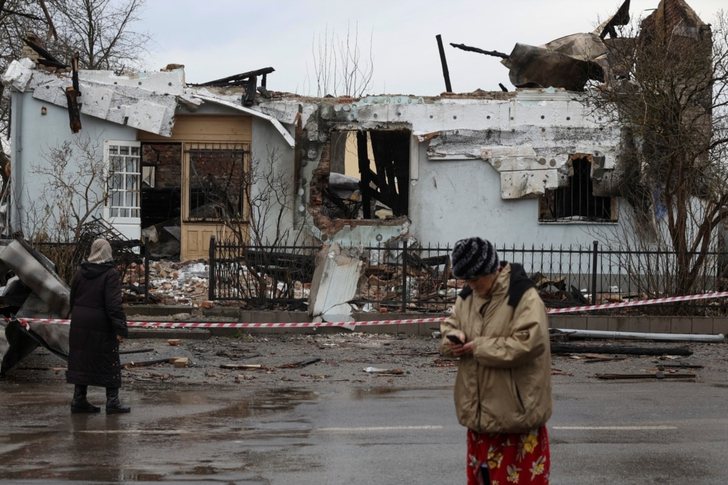
The Ukrainian military claimed that Russia launched 90...
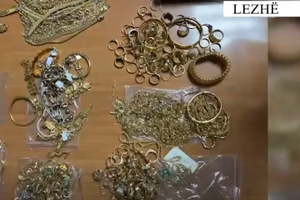
A 39-year-old citizen has been arrested in Lezha, after se...

CNA has launched another investigation that could lead to ...

Irfan Hysenbelliu is a businessman that we call "Irfan the...

In March 2026, CNA launched another investigation centered...

The Special Board of Appeal (KPA) decided this Monday ...

The KPA vetting decided this Thursday to dismiss the p...

Suela Salavaçi, a prosecutor in the Prosecutor's Offic...

The Special Board of Appeal reinstated the prosecutor ...

55-year-old Belere Plaka, who was injured today with a sho...
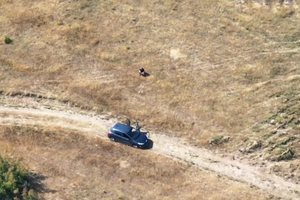
Police Announcement: Following preliminary information...

New details from the operation being carried out in Fier t...
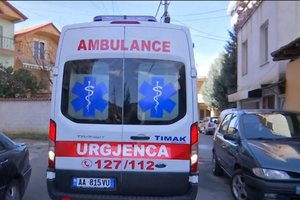
The 17-year-old, who was seriously injured yesterday after...

By noon, cloudiness is expected to prevail in almost all o...

Children without parental care, for whom alternative famil...

On Thursday, our country will be under the influence of st...
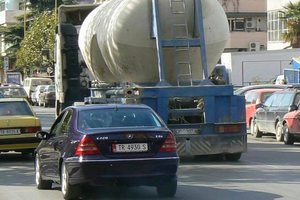
A serious accident that occurred this Wednesday with the c...
A bipartisan group of US lawmakers is calling for a Europe...
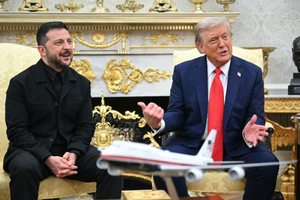
US President Donald Trump will host his Ukrainian counterp...
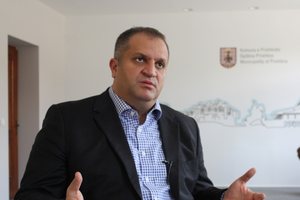
The Basic Court in Pristina found the former mayor of Pris...
The European Union Office in Kosovo has called on all poli...

At a time when industrial products are increasingly taking...

Trust among people is not just a three-syllable word. It c...

Master of humor Todi Llupi has passed away at the age of 7...

The ninth edition of "MIK Festival" kicked off with one of...
The number of active enterprises in Albania continued to g...
In Albania, the bar-cafe has long become an almost unique ...

This Friday, one US dollar is bought for 81.7 lek and sold...
The average sale price of apartments in Tirana reaches rec...