

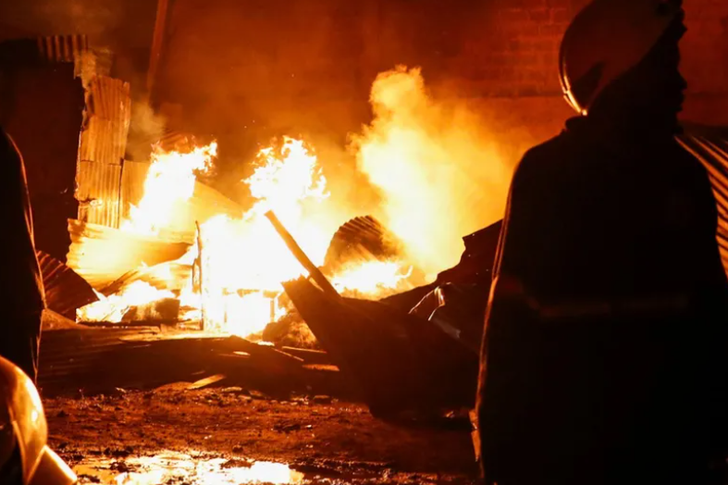
Big explosion in Kenya/ Three victims, about 300 injured
A large gas explosion in the Kenyan capital, Nairobi, has ...


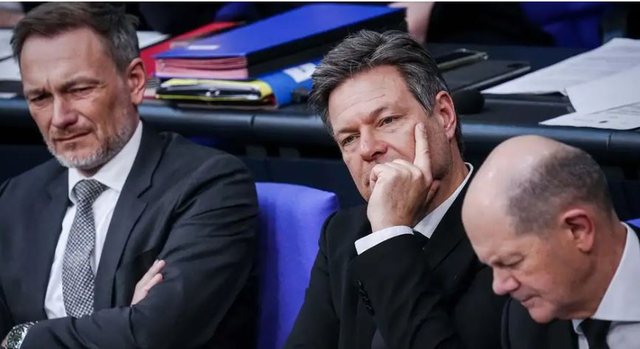
This week, the German Bundestag is doing a job it was supposed to do in early December 2023: it is debating and approving the federal budget for the year that has already begun. The German government is responsible for the delay. The SPD, the Greens and the FDP did not agree until recently whether and how savings could be made in 2024.
The state will have a budget of 477 billion euros, of which 39 billion euros must be financed with loans. This is the maximum allowed by the debt brake anchored in the Constitution.
Two and a half billion euro debt
Before the debt brake was introduced, it was common for governments to borrow heavily when government revenues were insufficient. A mountain of debt has accumulated over the decades and now amounts to around 2.500 billion euros. Several hundred billion euros were added during the corona pandemic and after Russia attacked Ukraine. The debt brake was suspended for so long because of emergencies.
But debts have interest rates that must be paid. Only in 2024 they will be 36 billion euros. It is therefore "command of reason" to agree again to the debt curb, said the Federal Minister of Finance and the head of the FDP, Christian Lindner in the Bundestag. Coalition partners SPD and the Greens, on the other hand, would like to get more credit to modernize the country. Both sides keep hearing that the debt brake is a "brake on the future."
Necessary investments
In Germany, many pieces of infrastructure are worn out or broken. Roads, bridges, the railway network, but also the buildings of state educational institutions, i.e. schools and universities, are not in good condition. Investments would also be needed in digitization. In this respect, Germany lags behind in international comparison, as well as in the performance of its students.
Offices and courts are overloaded, administrative files are stacked. Hundreds of thousands of apartments are missing across the country, especially in social housing for low-income people.
Hard farewell to gas, oil and coal
However, most of the money is missing for phasing out fossil fuels and restructuring the climate-neutral economy. The government had allocated 60 billion euros for this, financed through loans that were not needed during the corona pandemic. A plan that was stopped by the Federal Constitutional Court.
Things have also narrowed in the military sector. The Bundeswehr, which has been in a difficult situation for years, needs to be better equipped again. For this, 100 billion euros have been allocated, which must be divided over several years. Money won't last forever.
What will happen next in Ukraine?
Especially since the so-called special fund of the Bundeswehr will now also be used to finance arms shipments to Ukraine. An emergency solution due to the tight budget situation. This could get worse if Ukraine needs more money. The SPD and the Greens have already called for the debt brake to be suspended again in this case.
The situation could become even more difficult in 2025 if Donald Trump is elected the next US president. The US is Ukraine's largest financier, followed by Germany in second place. If Trump ends support for Ukraine, the Europeans will have to step in financially. This would have a huge impact on the German budget.
In 2025 there will be federal elections
The next budget is already tight. As things currently stand, there is a gap of at least 16 billion euros in the financial planning for 2025. Details may become known in March, when Federal Finance Minister Lindner is due to present key points for the draft budget.
2025 will be a crucial year for the three governing parties, as the next federal election takes place in September. The SPD, the Greens and the FDP are doing poorly in the polls. The lines of conflict in budget planning are predictable. The SPD will try to prevent cuts in the social sector, the Greens will demand sufficient funding for climate protection and the FDP will want to continue austerity.
German economy in recession
Finance Minister Lindner calls for three blocks of costs to be renegotiated: benefits for the unemployed and disabled, international financial aid and subsidies that do not help ease the burden on the economy.
While economic output is growing worldwide and also in the euro area, it has fallen in Germany. This will also affect tax revenues. The next assessment of taxes will be done in May, which will also be the basis for budget planning.
Not only the AfD will save on refugees
The largest opposition faction in the Bundestag, the CDU/CSU, is also calling for cuts in social benefits. The CDU/CSU Union has directed attention both to social assistance, "Bürgergeld" - "money for the citizen", which amounts to 44 billion euros per year, and to refugee spending.
"We have 1.7 million welfare recipients who are registered as unemployed and who can start working tomorrow," Union parliamentary group deputy leader Mathias Middelberg told the Bundestag. "The asylum issue is now also a factor large cost; we are spending €27 billion on it, including fighting the causes of flight."
Less money for development aid
Fighting the causes of displacement from the country also includes development cooperation and humanitarian aid. Two sectors are already the biggest losers in the 2024 budget, non-governmental organizations such as VENRO complain. The budget of the Federal Ministry for Economic Cooperation BMZ will be cut by almost ten percent and humanitarian aid by 20 percent. Together, this amounts to a good €1.4 billion.
Michael Herbst, CEO of VENRO, finds it worrying that the cuts are no longer only being demanded by the far-right AfD. "What is particularly worrying is the tendency to find populist criticism of development policy, which is standard on the far right, as arguments for such drastic cuts in the center and even further to the left."
Contradictory statements
In the Bundestag, Finance Minister Lindner spoke out against further cuts. "I am hearing a lot that the Union and the opposition as a whole are demanding that our international engagement be terminated. I am against this, not only because of humanitarian responsibility, but because international cooperation and crisis prevention is deeply in Germany's interest, for control migration." In fact, it can now be said that further cuts are foreseen in the budget for 2025./ DW

A large gas explosion in the Kenyan capital, Nairobi, has ...
A former CIA officer has been sentenced to 40 years in pri...
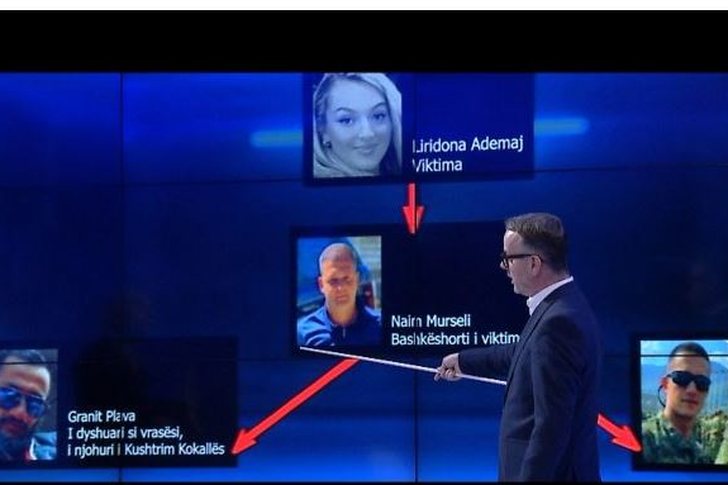
Other serious details have been made public by the journal...
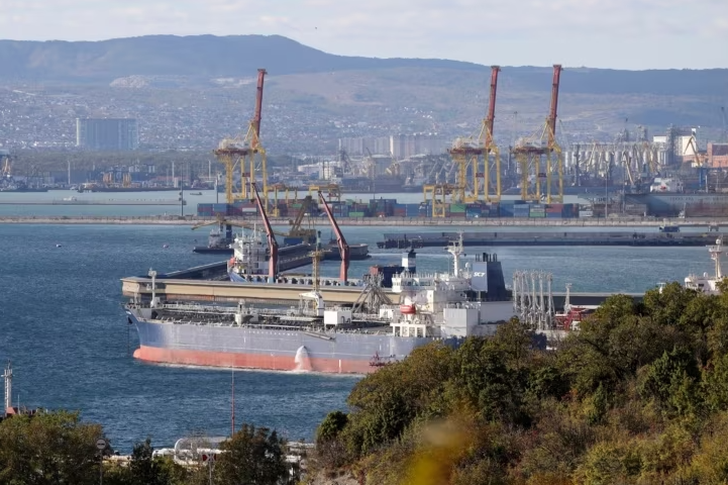
The coalition of countries that have placed a ceiling on t...

Britain's top diplomat said on Thursday that his country c...
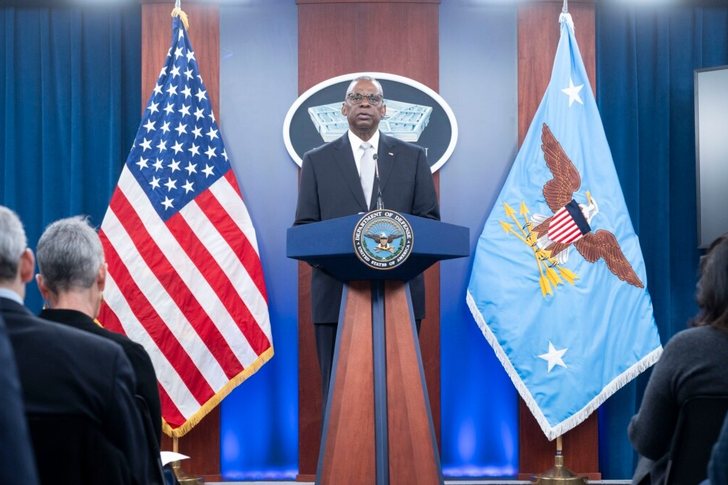
US Defense Secretary Lloyd Austin said Thursday that the t...

The US State Department said it is deeply disappointed wit...
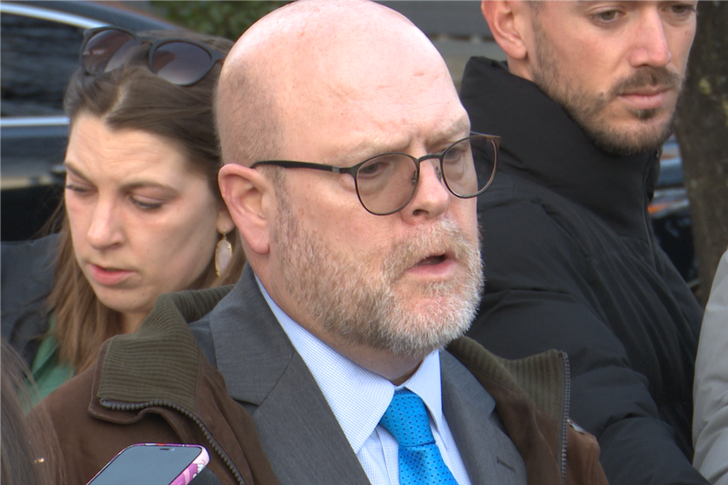
American Ambassador to Kosovo Jeff Hovenier said on Thursd...
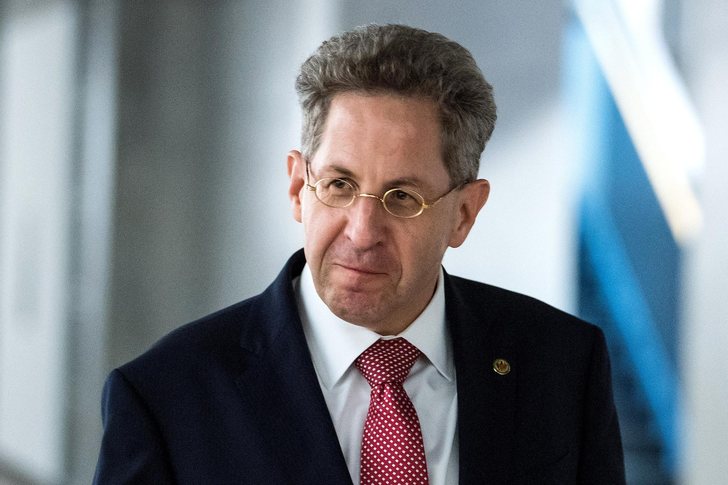
The former president of Germany's Federal Office for t...
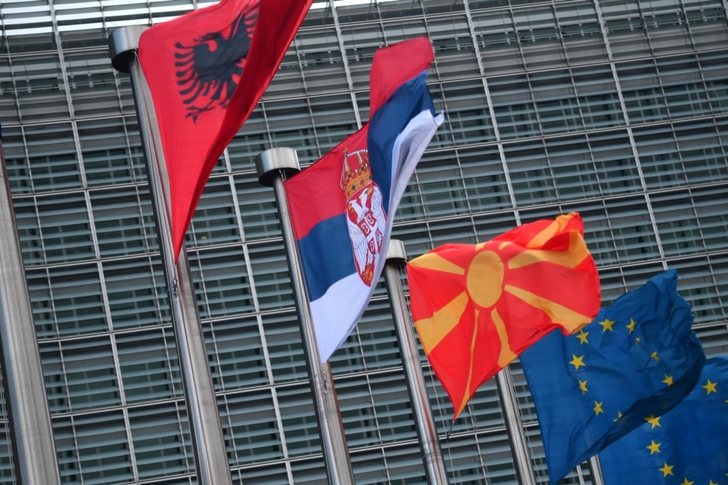
The success of the European Union (EU) summit, which took ...
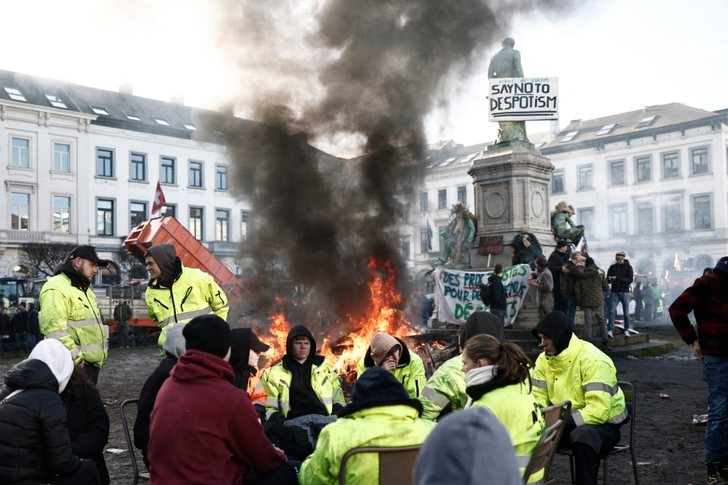
Farmers from a number of European countries protested outs...
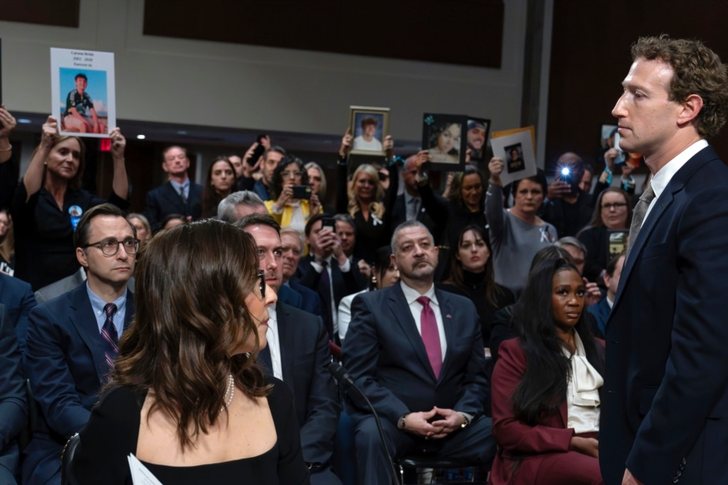
Sexual harassment, suicide, unrealistic beauty standards a...
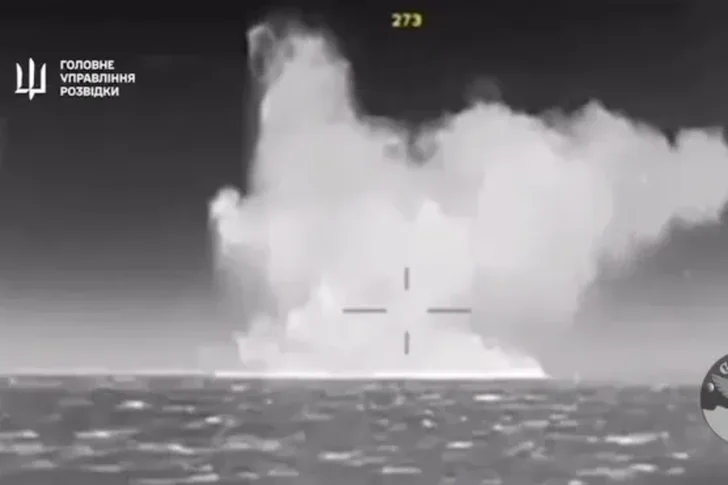
Ukarina claims to have sunk another Russian warship, with ...
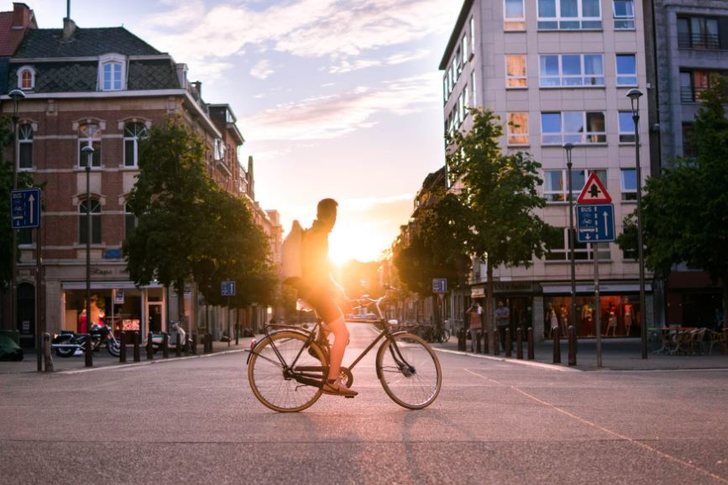
In the wide range of higher education destinations, wh...
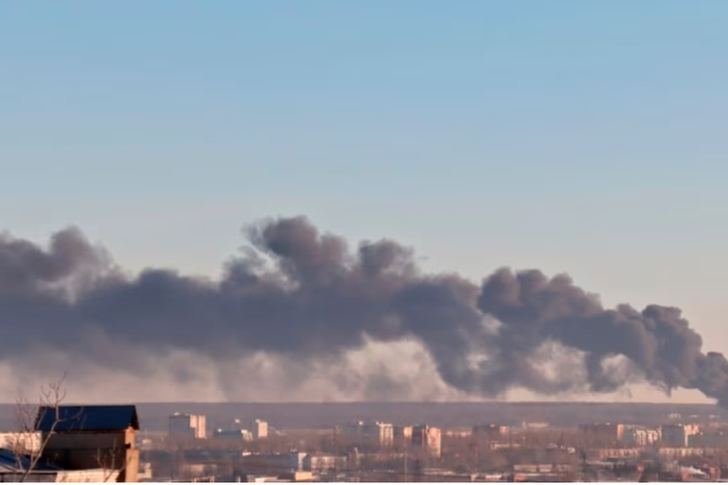
The Russian Defense Ministry said on February 1 that its a...

Europol ka zhvilluar së fundmi një aksion të mbështetur ng...
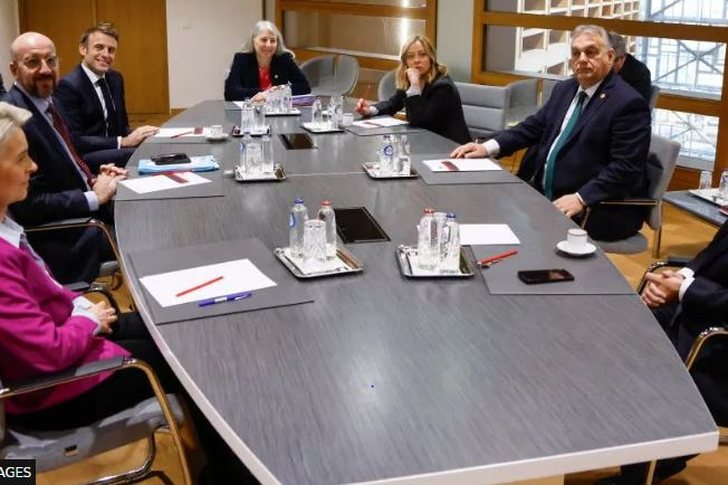
All 27 European leaders have agreed on an aid package of 5...
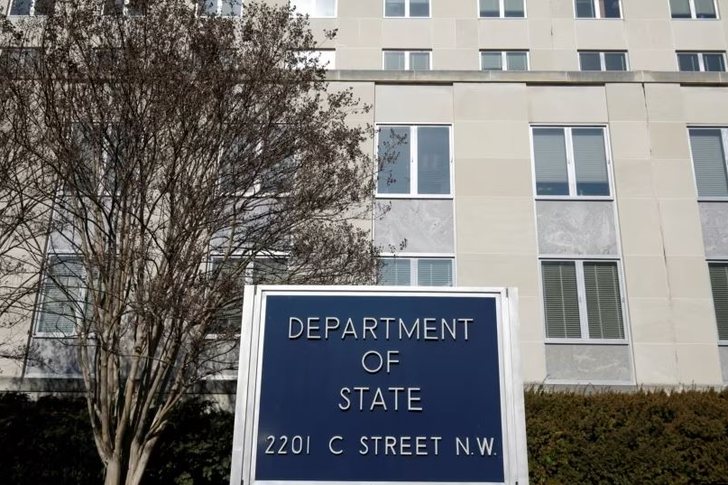
The United States is pursuing an active policy toward the ...
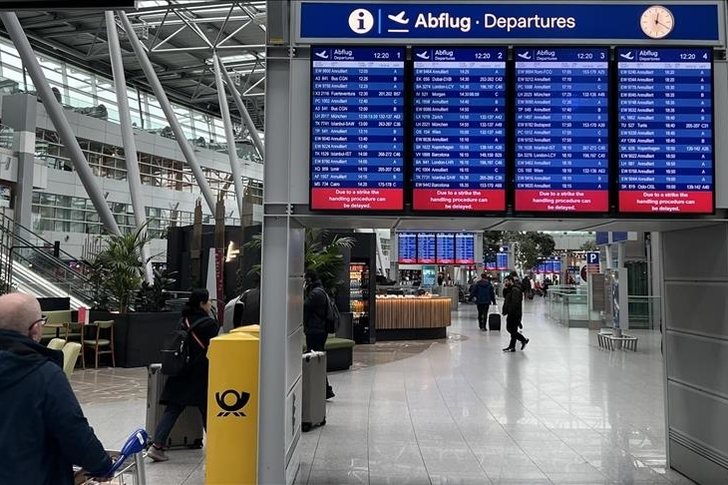
Sindikata e Shërbimeve të Bashkuara (ver.di) ka bërë t...
The European Union expressed concern about the decisio...

CNA has launched another investigation that could lead to ...

Irfan Hysenbelliu is a businessman that we call "Irfan the...
In March 2026, CNA launched another investigation centered...
The arrested mayor of Tirana, Erion Veliaj, with 13 charge...

The Special Board of Appeal (KPA) decided this Monday ...

The KPA vetting decided this Thursday to dismiss the p...

Suela Salavaçi, a prosecutor in the Prosecutor's Offic...

The Special Board of Appeal reinstated the prosecutor ...

A conflict occurred this Thursday evening in the toy area ...

A person has died today on Orikum beach. According to repo...
Footage emerges from the serious accident that occurred th...

A Shkodra traffic police officer was hit with hard objects...

Children without parental care, for whom alternative famil...

On Thursday, our country will be under the influence of st...
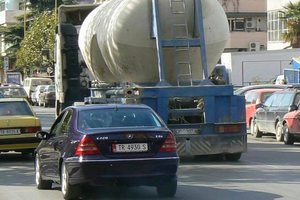
A serious accident that occurred this Wednesday with the c...

The Institute of Geosciences has shared a forecast for wea...
The European Union Office in Kosovo has called on all poli...
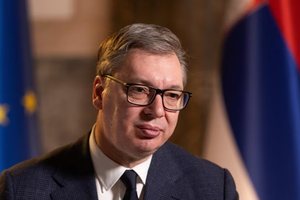
Serbian President Aleksandar Vučić, at a press conference ...
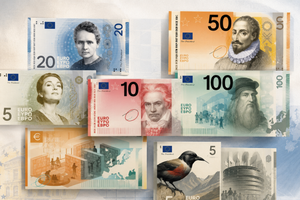
For the first time since the launch of the euro, European ...

Artificial intelligence (AI) models from the American comp...

At a time when industrial products are increasingly taking...

Trust among people is not just a three-syllable word. It c...

Master of humor Todi Llupi has passed away at the age of 7...

The ninth edition of "MIK Festival" kicked off with one of...

The average sale price of apartments in Tirana reaches rec...

This Thursday, one US dollar is bought for 81.5 lek and so...
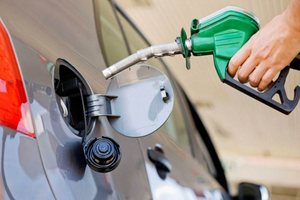
The price of diesel reached 206 lek per liter from 198 lek...

Businesses will no longer be required to simply register t...