


Fire at the waste field in Kruja/ Toxic smoke covers the area
The waste field in Kruja has been engulfed in flames since...

The waste field in Kruja has been engulfed in flames since...

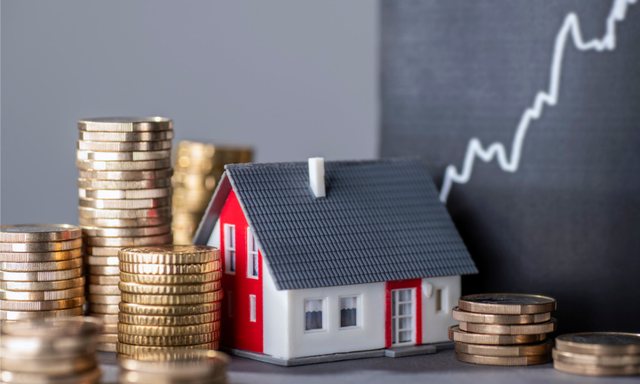
Is your country more expensive than other European countries? Which goods and services are cheaper than the EU average in your country? Price level indices (PLI) were created to make these comparisons possible. They measure and compare the prices of goods and services between different countries.
Basically, PLIs show how much more expensive or cheaper goods and services are in a specific country compared to another country or group of countries, such as the EU or Europe.
The "general" indicator is the final consumption expenditure of households, which includes the direct expenditure of resident households. This indicator reflects the total expenditure on goods and services.
According to Eurostat, the EU's official statistics office, price levels for household final consumption expenditure varied significantly across the EU in 2023. Denmark had the highest price levels, at 143% of the EU average , followed by Ireland with 142% and Luxembourg with 135%. On the other hand, Bulgaria and Romania had the lowest price levels, both at 60%, and Poland at 66%.
In Albania, price levels for household final consumption expenditure were 66%, higher than neighboring countries such as Montenegro (64%), Bulgaria and Romania (60%), Bosnia Herzegovina (58%), North Macedonia (52%) and Turkey 42%).
This shows that a given basket of identical goods and services costs €143 in Denmark, €135 in Luxembourg, €66 in Poland and €60 in Bulgaria and Romania. This suggests, that you will pay more than double in Denmark, compared to Bulgaria for the same basket.
Since the EU average is set at 100, a country is relatively expensive compared to the EU if the country's price level index is higher than 100. If the price level index is lower than 100 , then the country is classified as 'relatively free' or 'free'.
Free Trade Association (EFTA), EU candidate countries and potential candidate countries are included — Switzerland topped the list at 174% of the EU average, followed by Iceland at 156% and Denmark at 143%.
The lowest price levels were found in Turkey with 42%, North Macedonia with 52% and Bosnia and Herzegovina with 58%.
This significant contrast highlights the different economic landscapes within Europe, where the cost of goods and services can vary greatly from one country to another.
More than three times more expensive in Ireland than in Bulgaria
In 2023, among the main groups of consumer goods and services, the largest price gap in the EU was observed in the alcohol and tobacco category. The price level in the most expensive country was about 3.2 times higher than in the least expensive country of this category. Ireland (211% of the EU average) had the highest prices, while Bulgaria (66%) had the lowest.
"This large price difference is mainly due to differences in taxes on these products," Eurostat explained.
The price level was relatively lower in the Balkan countries, while the Nordic countries had higher levels. The latest figure available for the UK is from 2020, making direct comparison difficult, but it was 165%, indicating the high cost of these goods from the UK.
Germany (99%) was slightly below the EU average, while alcohol and tobacco prices in France were 32% higher than the EU average.
As for Albania, the price levels of alcohol and tobacco in 2023 were 79%, higher than all countries in the region except Greece (99%).
Restaurants and hotels had the second largest price differences, with the highest prices being nearly three times the lowest. The lowest prices were recorded in Bulgaria (52% of the EU average), followed by Romania (65%) and Hungary (72%). The highest prices were in Denmark (152%), followed by Finland (129%) and Ireland (128%).
Price changes are not primarily driven by taxes. It can be attributed to other reasons, such as different labor costs and changes in local economic conditions.
Price level differences are less pronounced in other categories, compared to alcohol and tobacco, as well as in restaurants and hotels.
Clothing had the third largest price variation, with a 1.6 times difference between the cheapest and most expensive prices. The cheapest prices were in Spain (81%), Bulgaria (82%) and Hungary (88%). The most expensive clothes were in Denmark (131%), the Czech Republic (126%) and Estonia (118%).
Turkey was the most distinctive in clothing with only 30% of the EU average.
Price differences were also observed in food and non-alcoholic beverages, ranging from 74% of the EU average in Romania to 119% in Luxembourg. Personal transport equipment ranged from 90% in Slovakia to 129% in Denmark. Consumer electronics ranged from 92% in Italy to 113% in France.
In 2020 and 2021, the biggest price variations were observed in restaurants and hotels, while alcohol and tobacco ranked second./Monitor

Despite a plan of measures to reduce arrears in the el...
Today, on July 30, 2024, in the foreign exchange marke...

Today, on July 29, 2024, in the foreign exchange marke...

Today, on July 28, 2024, in the foreign exchange market, t...
The process of examining 176 requests for compensation...
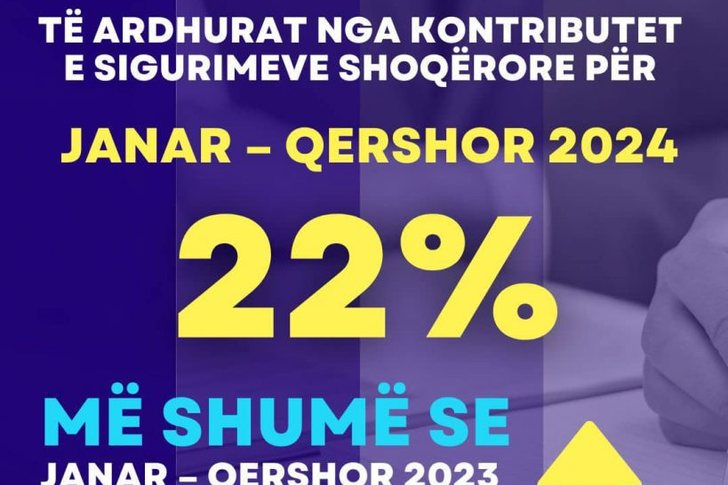
The increase in salaries by the government has also brough...
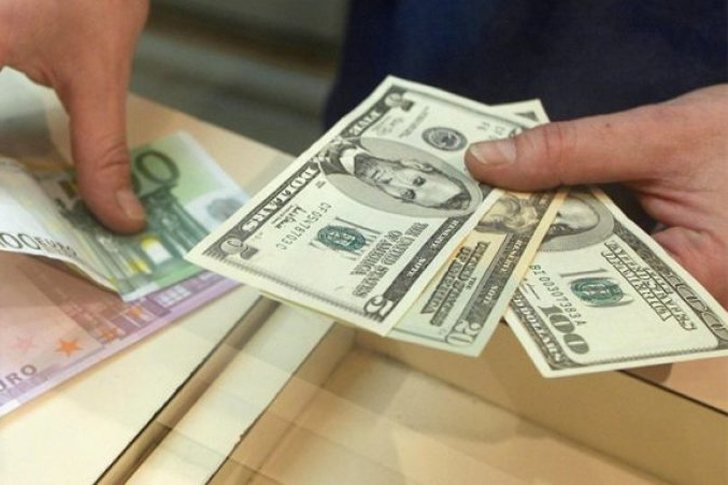
Today, on July 27, 2024, in the foreign exchange marke...
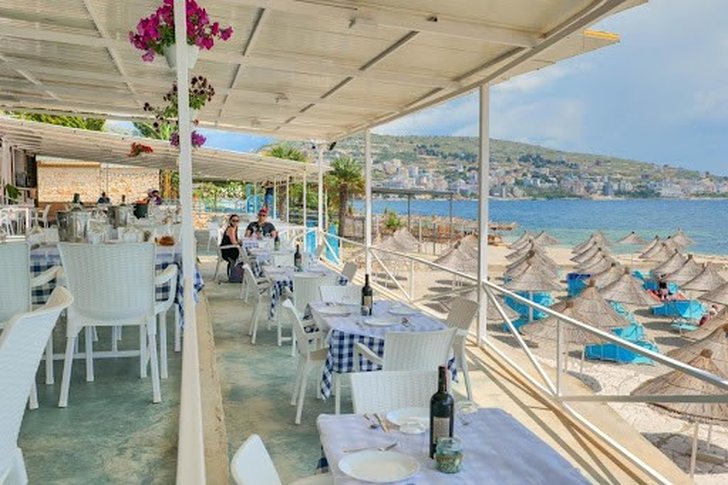
In the coastal areas of the south this tourist season,...
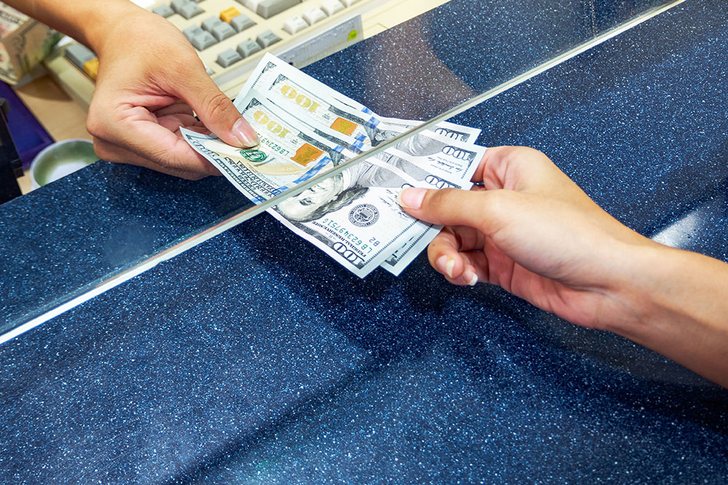
Sot, më 26 korrik 2024, në tregun valutor, dollari ame...

Albania currently has over 356,000 unoccupied homes, w...
The Ministry of Finance expected the budget surplus to rea...
Today, on July 25, 2024, in the foreign exchange marke...

Normat e interesit të kredisë për shtëpi në lekë po va...

Today, on July 24, 2024, in the foreign exchange marke...
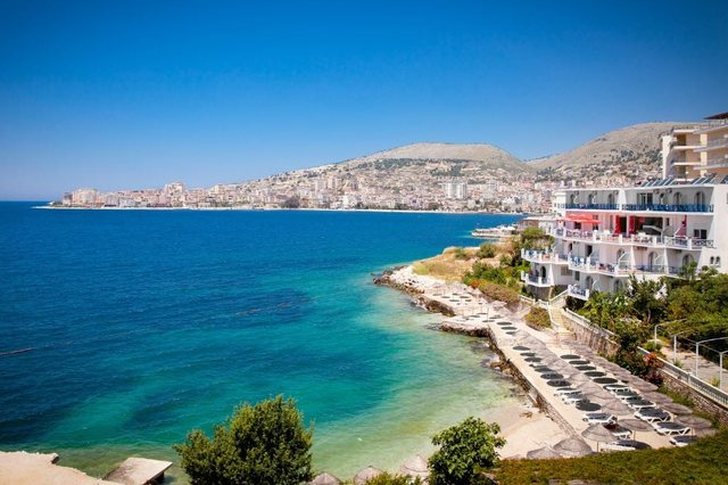
While in the country there is a debate about why the s...

Today, on July 23, 2024, in the foreign exchange marke...

Credit granted by non-bank financial institutions cont...
Today, on July 22, 2024, in the foreign exchange marke...
Today, on July 21, 2024, in the foreign exchange marke...
Today, on July 20, 2024, in the foreign exchange marke...

CNA has launched another investigation that could lead to ...

Irfan Hysenbelliu is a businessman that we call "Irfan the...

In March 2026, CNA launched another investigation centered...
The arrested mayor of Tirana, Erion Veliaj, with 13 charge...

The Special Board of Appeal (KPA) decided this Monday ...

The KPA vetting decided this Thursday to dismiss the p...

Suela Salavaçi, a prosecutor in the Prosecutor's Offic...

The Special Board of Appeal reinstated the prosecutor ...

A road accident occurred this evening on Nikolla Zoraqi St...

Three people were shot and wounded in Elbasan last night b...
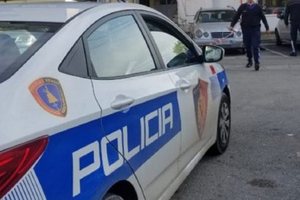
A serious incident occurred this Tuesday in the Yrshek are...

An accident occurred this Tuesday on "Dituria" street in K...
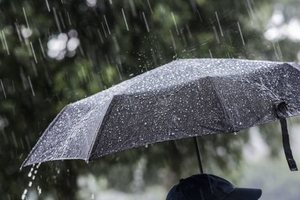
This Wednesday, our country will be under the influence of...

All of Southern Europe will face changing weather conditio...
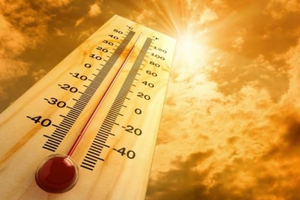
Albania was hit by temperatures significantly higher than ...

For the first time, Pogradec welcomed the Inter-Lake Chess...

Prime Minister Andy Burnham has announced that most bus fa...

France's parliament has passed a law to ban social media f...

US Secretary of State Marco Rubio arrived in Manila on Jul...

In the space of a few days, Ukrainian President Volodymyr ...

At a time when industrial products are increasingly taking...

Trust among people is not just a three-syllable word. It c...

Master of humor Todi Llupi has passed away at the age of 7...

The ninth edition of "MIK Festival" kicked off with one of...

Businesses will no longer be required to simply register t...

Despite economic growth and income in recent years, Albani...

This Wednesday, one US dollar is bought for 81.4 lek and s...

Construction company licenses will have a validity period ...