


Armë, kokainë dhe cannabis në zonat bregdetare/ Arrestohen dy persona
Policia e Vlorës ka finalizuar operacionin e koduar “Sigur...

Policia e Vlorës ka finalizuar operacionin e koduar “Sigur...

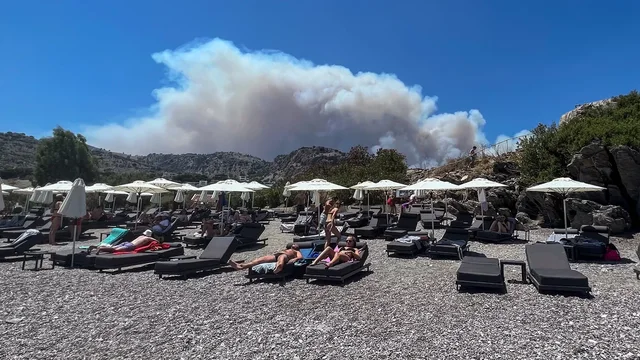
Thousands of people stranded on beaches. Reports of children falling from evacuation boats. Panic. People running away with the clothes on their backs. According to one tourist, the situation looked like "the end of the world". The fires that have engulfed the Greek islands of Rhodes and Corfu in recent days are showing us that favorite holiday destinations are no longer safe as climate change escalates.
For decades, tourists have flocked to the Mediterranean for their northern holidays. Australians, Scandinavians, British, Russians arrive there in search of warmer weather. After the Covid-19 pandemic, many of us have been eager to travel as tourists again.
But this year, severe extreme heat waves have claimed hundreds of lives in Spain alone. Major tourist sites such as the Acropolis in Athens are closed. Even climate scientists themselves have been "stunned by the ferocity" of this summer's heat in the Northern Hemisphere.
This year is likely to impose a deep reflection on tourists but also on tour operators. One can expect to see more trips made during the intermediate seasons, avoiding the increasingly intense summer and especially the months of July and August.
It can also be expected that countries with a milder climate will become more popular tourist destinations. Warm weather tourist destinations will have to change radically. Weather is a major factor in tourism. In Europe and North America, people tend to go from northern to southern countries.
Chinese tourists, as well as Australian ones, often go to the beaches of Southeast Asia. But this type of tourism is not sustainable in the long term. When Australians go overseas, they often choose Mediterranean wine. During the last decade, the hottest summers have not brought about the breaking of the tradition.
But this year is likely to drive change. And this can already be seen in the growing popularity of holidays in the months of June or September in the traditional summer destinations of the Northern Hemisphere. Many of us are changing the way we think about hot weather vacations from something we look forward to to something we dread.
And this is happening on the wave of changes in consumer behavior, such as those related to sustainability and air travel. What about extreme tourism? While thrill-seekers may flock to Death Valley to experience temperatures above 50?, it's hard to imagine this type of tourism being mainstream.
What we are more likely to see are more people looking for "last chance" experiences, with tourists flocking to highly vulnerable places such as the Great Barrier Reef, which is thought to disappear one day as consequence of global warming.
Of course, this type of tourism is not sustainable in the long term. What does this mean for countries that depend on tourism? The crisis in Rhodes shows us the dangers of the tourism model, where you bring in tourists and everything they need - food, water, wine - as needed. The system is efficiency oriented. But that means there's little room to manage the unexpected. Rhodes was unable to easily evacuate 19,000 tourists. This approach will need to change to a "just in case" approach, as in other supply chains.
For emergency services, tourists present a special challenge. Locals understand the dangers and escape routes better than tourists. Moreover, tourists do not speak the language of the country where they go to rest. And this makes it much harder for them to get help compared to the locals.
Climate change poses major challenges in other ways as well. Pacific island nations like Kiribati or Tuvalu would like to be visited by more tourists. But their main problem is water. Finding enough drinking water for locals is becoming more difficult.
And tourists use a lot of water - drinking, showering or swimming in it. Careful planning will require ensuring that local capacities are not overwhelmed by tourism.
So, does this situation mean the end of mass tourism? Not completely.
But there is no doubt that it will accelerate the trend in countries like Spain away from mass tourism or "over-tourism". In super-popular tourist destinations like Spain's Spa Islands, there has been a growing backlash from locals against over-tourism, in favor of specialized tourism with smaller numbers of tourists spread throughout the year.
Is this year a wake-up call? Yes. The escalation of the climate crisis means that many of us are now more focused on what we can do to avoid the worst, say by avoiding flights. The pressure for change is also increasing.
For example, Delta Air Lines has been hailed for its announcement that it will be carbon neutral through the use of offsets. Already you can see in many countries efforts to adapt to the changes.
For example, in Italy there is an increase in mountain tourism within the country, drawing people from Milan and from hot and humid Rome to areas where the air is cooler, even though the snow is gradually disappearing. China, never one to do things by halves, is investing in mountain resorts.
The aim is to offer residents of big cities such as Beijing and Shanghai cooler alternatives to the traditional beach holiday in northern China's Jilin province. Some mountainous countries are unlikely to take advantage of this opportunity because they do not want to attract more tourists.
Norway is even considering the possibility of imposing a special tax on tourists. Countries that think things through before they come will be better prepared. But even preparation and adaptation have their limitations anyway.
Mediterranean summer holidays will be less and less attractive, as the region is one of the areas most affected by global warming, warming 20 percent faster than the world average. Italy and Spain are still reeling from a record drought, threatening food and drinking water supplies. The future of tourism will certainly be very different from today. / “ World Crunch ” - Translated and adapted by CNA
Note: Susanne Becken, Professor of Sustainable Tourism at the Grifit Institute for Tourism at Grifit University. Johanna Loehr, lecturer at Griffith University.


While millions are enjoying director Christopher Nolan's l...
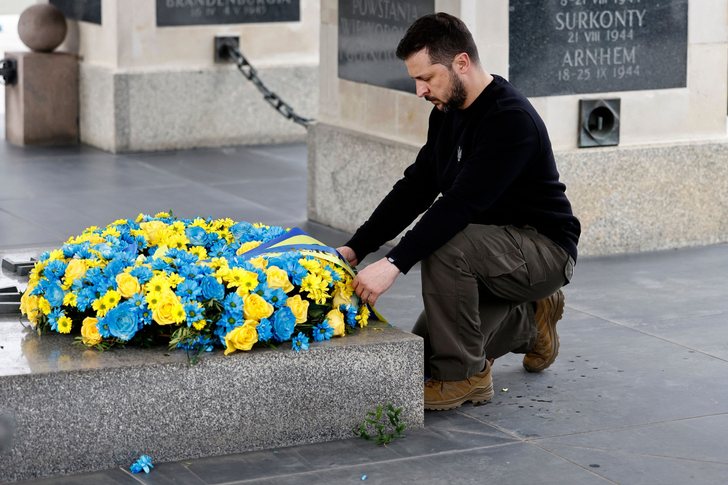
Ukrainian President Volodymyr Zelensky (born 1978) has...

Money has always been made with health and safe businesses...
In 1944, on August 2, the Nazis killed in the Auschwit...
The emergency of the actor Genc Fuga and finding salvation...
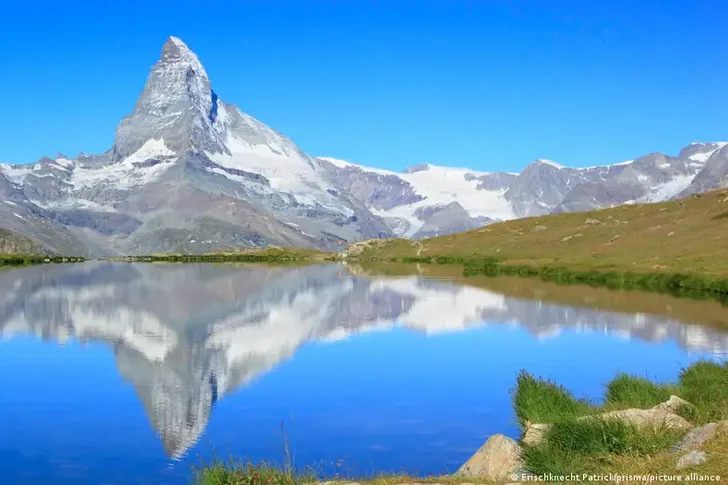
The Alps span eight European countries: Germany, Switzerla...
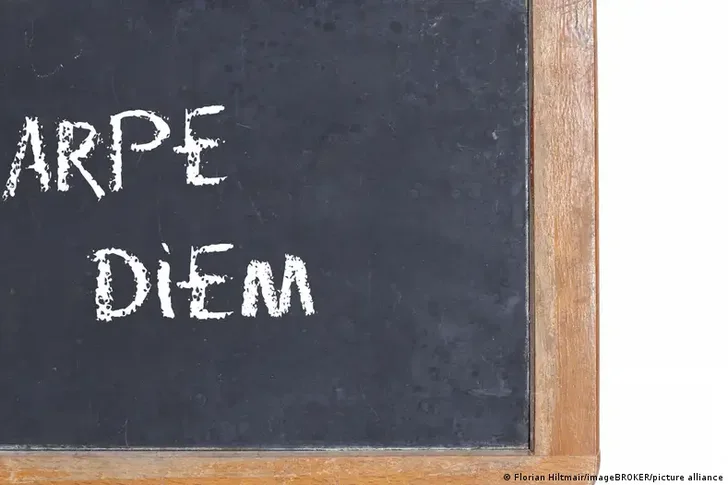
Knowing foreign languages is increasingly important in t...

Anyone who has tried to quit smoking will tell you how har...

However Russia's war in Ukraine ends, Europe is anxiously ...
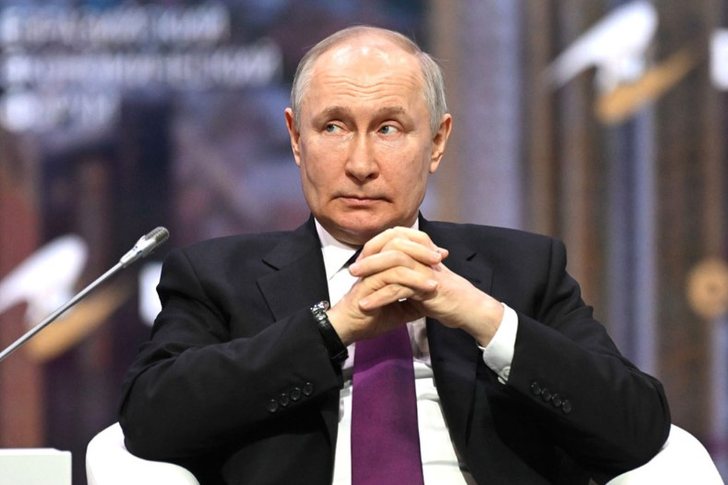
Despite the failure, Yevgeny Prigozhin's coup attempt was ...
When Russian President Vladimir Putin sent his troops into...

Protagonist of his farewell, as only those who have pl...
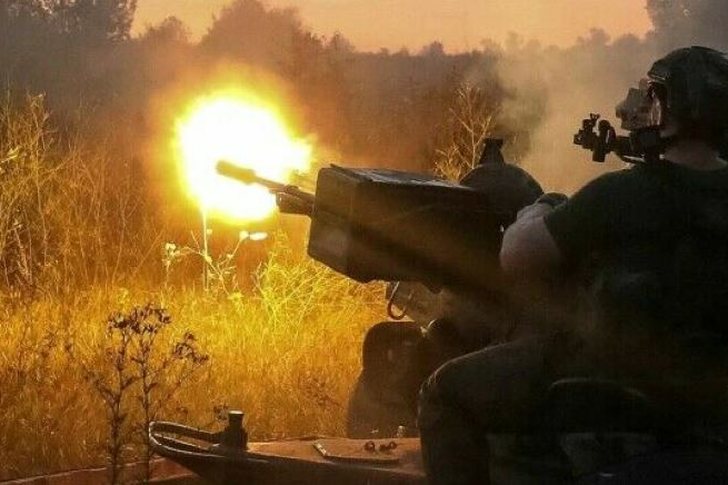
The war between Russia and Ukraine is an example of how wa...

Kim luan ndeshjen e fundit me Napolin. Mbrojtësi koreano-j...

The thirst for stability and the seriousness of the clashe...
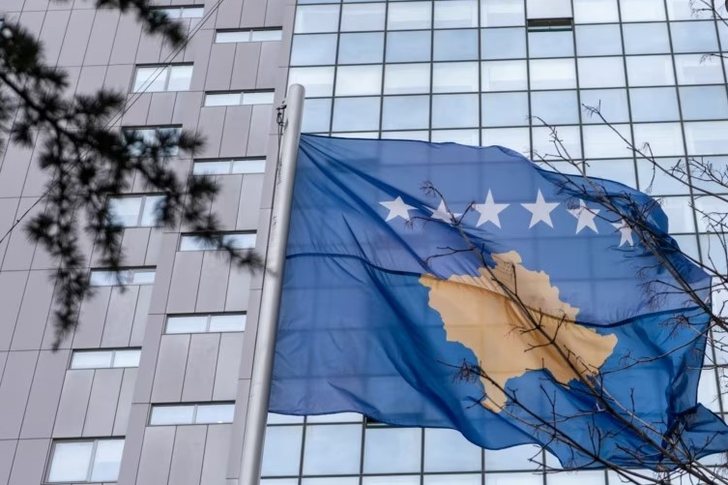
Of course, a bloody war is going on in Ukraine. But Europe...
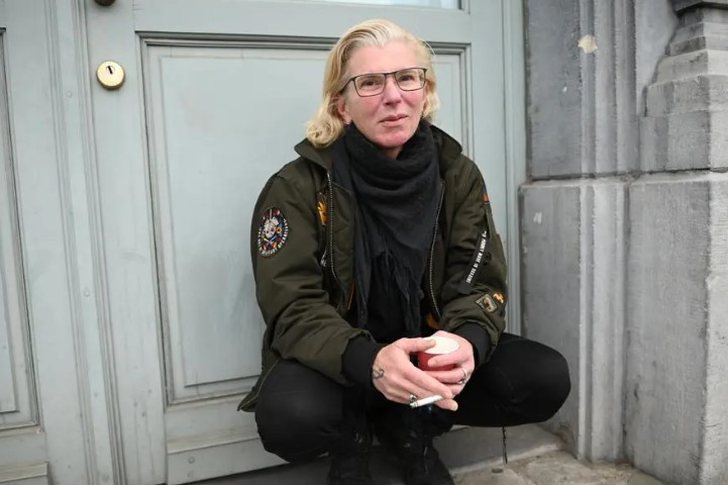
Julia Paievska is known by the nickname "Taira". She has a...

Granit Xhaka luan ndeshjen e tij të fundit me Arsenalin, tek...
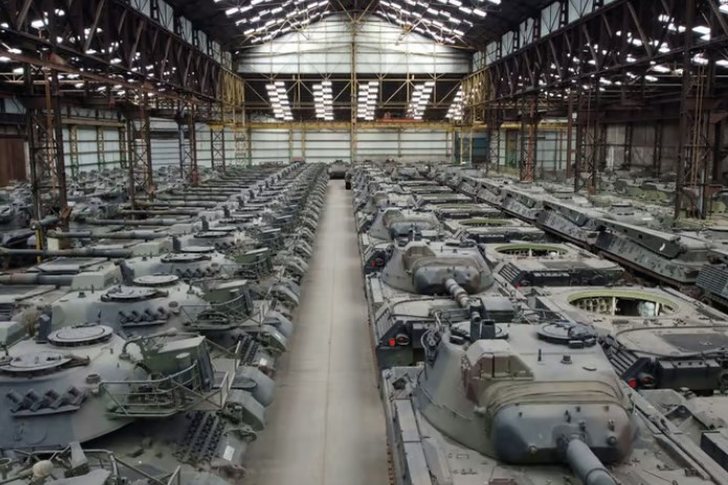
At the end of the Cold War, US President George HW Bush po...
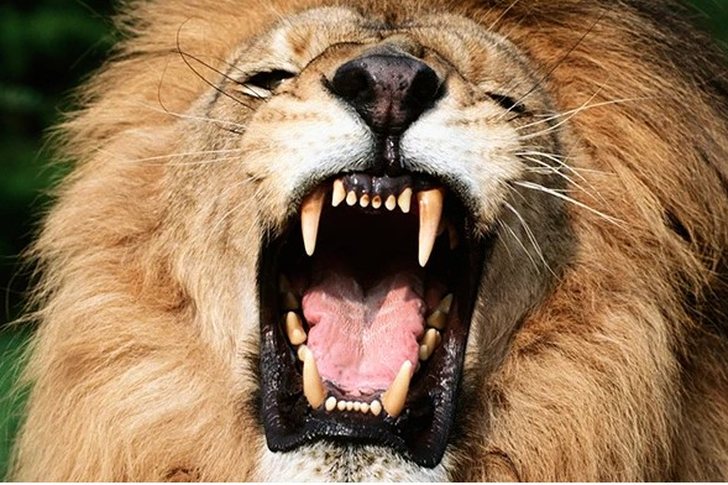
Which animals kill the most people every year? Although Ho...

There have been 12 days of protests in the capital, which ...

Dritan Prençi is the SPAK prosecutor who is sleeping on th...
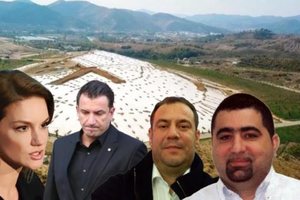
The in-depth investigations that SPAK conducted into Ajola...
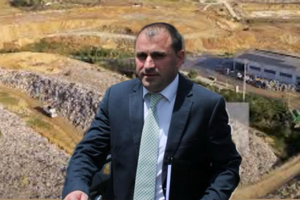
SPAK's standards, the way it investigates, how it secures ...

The Special Board of Appeal (KPA) decided this Monday ...

The KPA vetting decided this Thursday to dismiss the p...

Suela Salavaçi, a prosecutor in the Prosecutor's Offic...

The Special Board of Appeal reinstated the prosecutor ...

Policia e Vlorës ka finalizuar operacionin e koduar “Sigur...

New details have emerged regarding the serious accident th...

An Albanian businessman was arrested this afternoon in Gre...

A serious accident has occurred on the Korça-Ersekë axis, ...
Today our country will be affected by stable weather condi...
A tragic accident occurred this Friday afternoon in Kameni...

Today our country will be affected by unstable weather con...
On Thursday, our country will be affected by relatively un...
Good news for those who fly: After years of negotiations, ...
It took more than two years, but now the EU can begin acce...

US President Donald Trump announced that the US military h...

Iran has taken new measures to strengthen the protection o...

Several archaeological excavations conducted during this s...

At the Museum of Fine Arts in Chambéry, France, an exhibit...

Korça has transformed this weekend into the capital of cel...

Korça is ready to open the summer season with one of the c...

This Saturday, one US dollar is bought for 81.5 lek and so...

The Governor of the Bank of Albania, Gent Sejko, shared to...

Business lending has increased in the first half of this y...

The labor market has shown worrying trends in early 2026. ...