


Zbulohet prokurori që përdori Erion Veliaj për të mashtruar Gjykatën Administrative
Kryebashkiaku i arrestuar i Tiranës me 13 akuza për 5 vepra ...

Kryebashkiaku i arrestuar i Tiranës me 13 akuza për 5 vepra ...

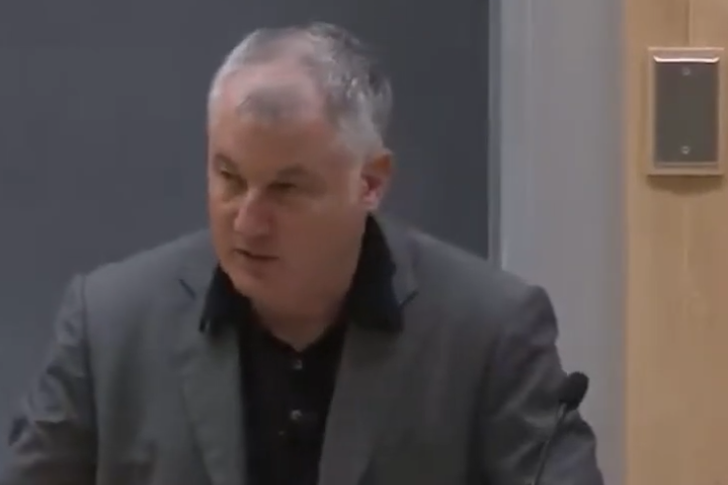
CNA TV has acquired exclusive rights from renowned professor and scholar of history and geopolitics, Stephen Kotkin, to broadcast his academic lectures. This is one of the first cases in Albania where a media outlet broadcasts a university lecture of this level.
In this second part of the documentary broadcast on CNA TV, Kotkin talks about violence and money, the two fundamental pillars of authoritarian control.
We don't have as many dictatorships as we used to. There's no more Hitler, no more Stalin, no more Mao, no more Baby Doc, Papadopoulos or Batista. There's still Castro, but not many others. Antonescu, Ceausescu, Pi?sudski, Dollfus, all of them are part of the past. I have a list of about 75 dictators from the 20th century alone. So these kinds of regimes have mostly disappeared, and that's been a big problem of interpretation: how do you understand a regime that doesn't have a dictator? We've used vocabulary like "semi-democracy," "electoral democracy," "potential democracy," a whole normative vocabulary of democratization to characterize the regimes of the world, because they're no longer classic dictatorships. They're not Mao, they're not Stalin... but what are they?
For about 20 years, the social sciences lost their way on this issue. I taught at Princeton for 23 years, and for all those years I taught the only course on authoritarianism in Princeton's social sciences. Meanwhile, there were hundreds of courses on democracy and democratization. Master's students would come to me to write dissertations on democratization in Central Asia after the collapse of the Soviet Union. Of course, I refused to get involved in such topics; I'm not in the literature department.
Now, finally, there's a course other than mine on authoritarianism at Princeton, and I believe that this will become a trend. But for about two decades, democracy was the dominant topic, and we kind of lost our bearings in analyzing authoritarian regimes.
There has been a geometric resurgence of interest in the last two years alone. While Franco was still alive and his regime was in power, Juan Linz was trying to make a distinction between totalitarian regimes (Hitler, Stalin, Mao) and authoritarian regimes like Franco's. It was a very important effort, because Franco was not like Hitler; there was something fundamentally different. The problem with Linz's definition was that he based the difference on things that Franco did not have — a negative characteristic, difficult to generalize. He did not have a single strong party, he did not have a strong ideology, and so he was called authoritarian. Linz, one of the greatest social scientists of our era, was dealing with a fundamental problem: how to characterize regimes that are not totalitarian, but are something else. And we still have this problem today.
There have been many other attempts. Linz himself proposed the category of sultanist regimes, which he took from Max Weber, and was accused of orientalism. Then there is the caudillo phenomenon in Latin America. So we have a real problem: how to deal with regimes like China, Russia, Singapore, Dubai, Iran, and I would also mention Pakistan — and many others.
So let's not start with definitions — that's just going to get us into trouble, because I can knock down all those definitions, and so can you. Let's start with what I call a distinctive structure of authoritarian regimes. A general overview of almost every authoritarian regime.
First, reliable instruments of violence and oppression. You need well-motivated and well-fed thugs, ready to do dirty work often on very short notice. If you don't have them, or they're not able to answer the call, then you either don't have an authoritarian regime, or you don't have one anymore.
Second, cash flow. You need to have a steady, large source of cash — maybe from oil sales, maybe from diamonds, or maybe, in the case of Kyrgyzstan, from democracy aid that is used to maintain an undemocratic regime. One of my students compared Kazakhstan's oil revenues and Kyrgyzstan's democracy aid as two models of financing authoritarianism. Authoritarian regimes are expensive and operate as cash economies. You need bulletproof vests, guns, silenced pistols, night vision devices — all at high prices. Then there's the fact that everyone has mistresses, so you need rubies, emeralds, diamonds. The import of jewelry into authoritarian regimes is colossal.
In practice, the repressive apparatus and the purchase of loyalty cost a lot. And the most effective way to damage an authoritarian regime is to cut off its money flow: to deny it access to the international banking system, to cut off its sources of hard currency income. Without money, they can't pay the bandits, they can't pay anyone.
That's why many of them have reserves, even if they are commodity-based economies. And that's why some of them, like North Korea, use extraordinary methods to generate money — from dumping large aluminum-clad metal objects into the sea and calling them satellites, to "missile tests" that serve simply as a means to negotiate millions of dollars. I'm serious when I say this: you need cash flow. Just like you need well-motivated, well-fed thugs./ CNA
View this post on Instagram

Former Deputy Prime Minister Arben Ahmetaj, invited to the...
Former Deputy Prime Minister Arben Ahmetaj has declare...

Former Deputy Prime Minister Arben Ahmetaj, invited to the...
CNA TV has acquired exclusive rights from renowned profess...
CNA brings another document that tells us historical facts...

The opposition is protesting in front of the Prime Ministe...
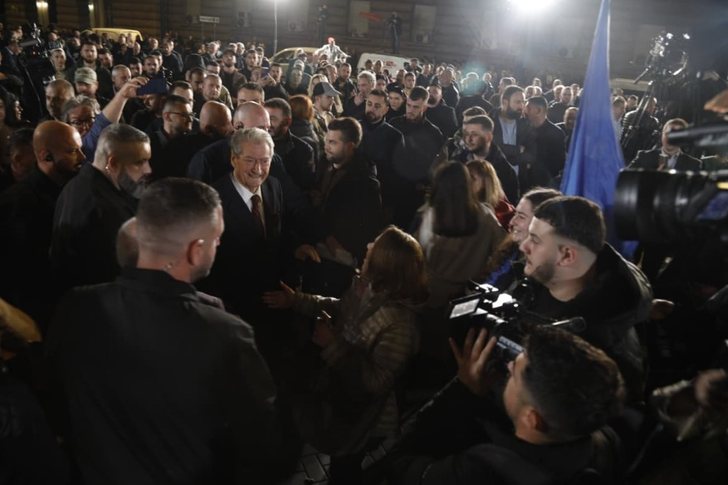
The Chairman of the Democratic Party leaves the blue headq...
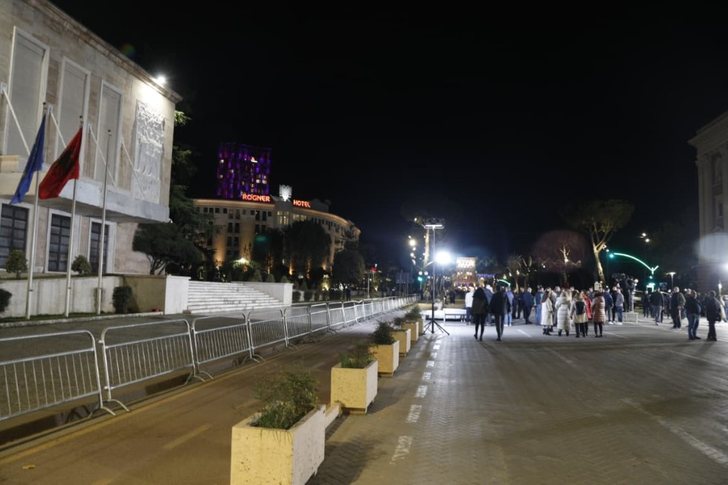
Protesters have begun gathering in front of the Prime Mini...
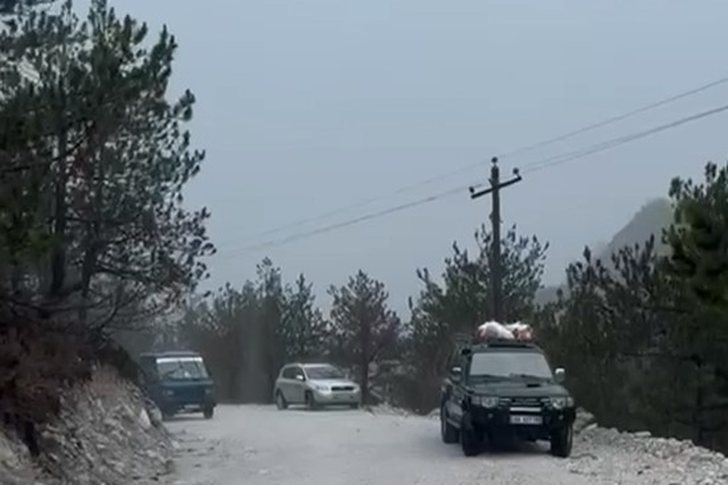
The intense rainfall that has affected the Theth area has ...
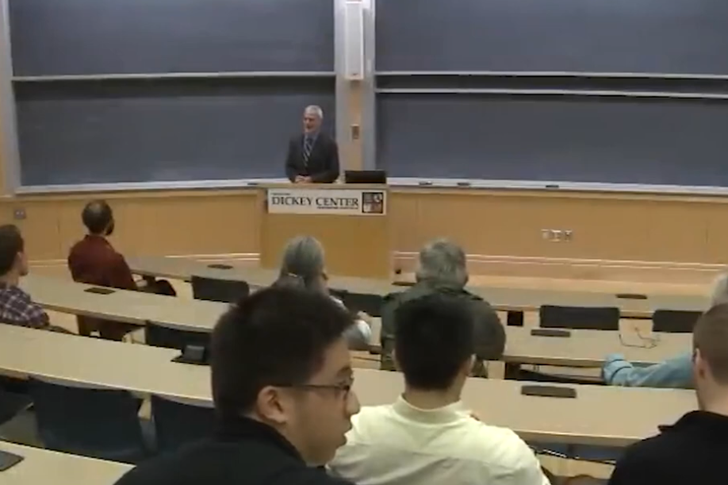
CNA TV has acquired exclusive rights from renowned profess...
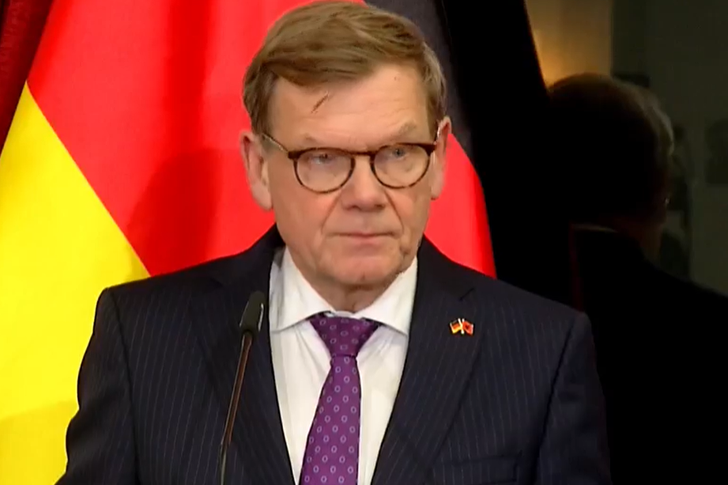
German Foreign Minister Johann Wadephul has arrived in Alb...

The US Embassy in Tirana has announced that, following the...
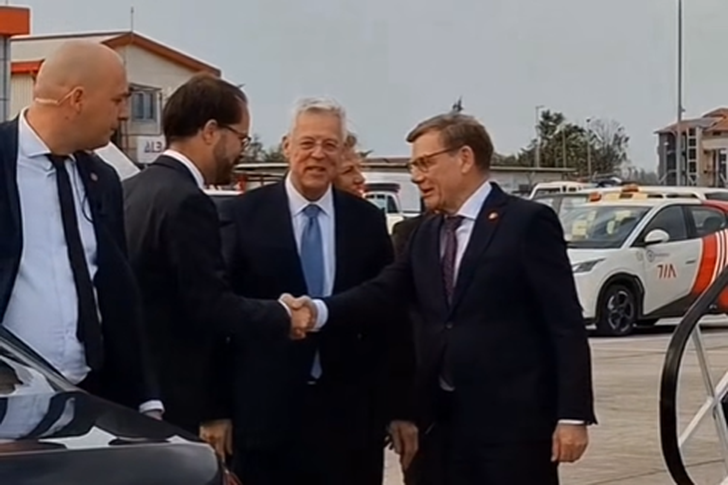
German Foreign Minister Johann Wadephul has arrived in Alb...

On November 17 and 18, Albania will be hit by heavy rainfa...
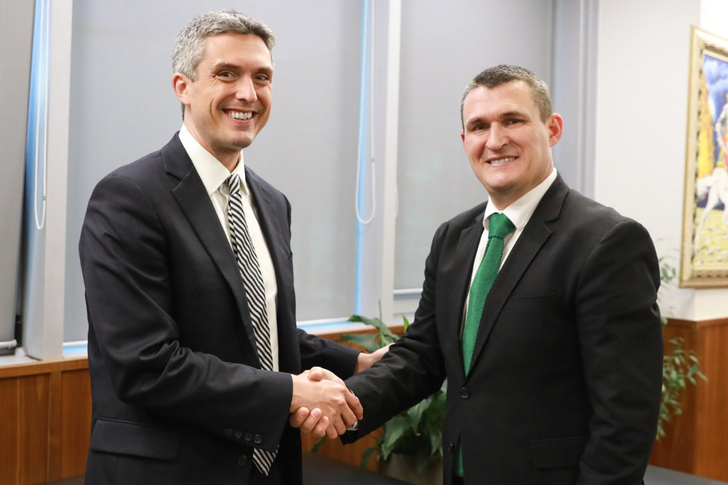
The US Embassy in Tirana has announced that after the end ...

The Tirana Prosecution Office has filed a complaint agains...
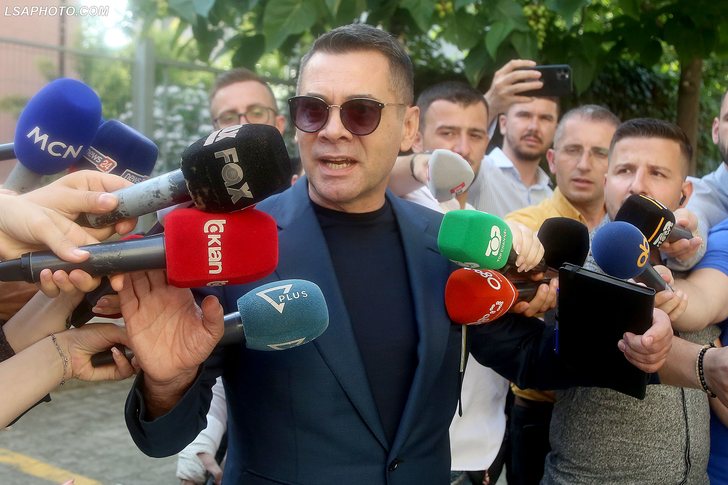
Former Deputy Prime Minister Arben Ahmetaj has reacted to ...
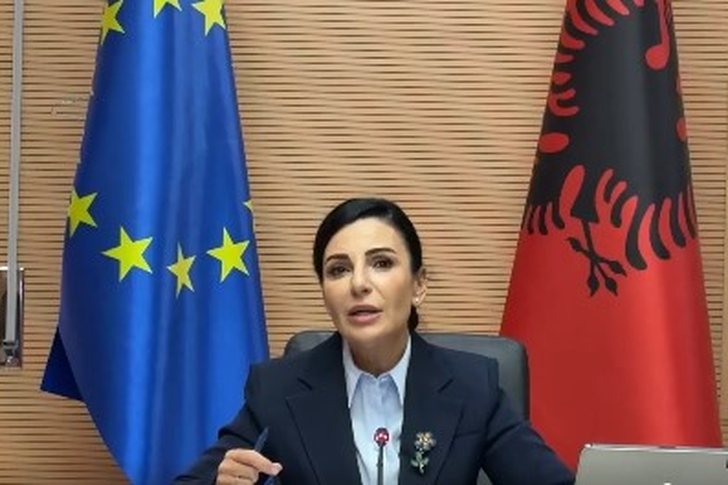
Deputy Prime Minister Belinda Balluku has held a coordinat...
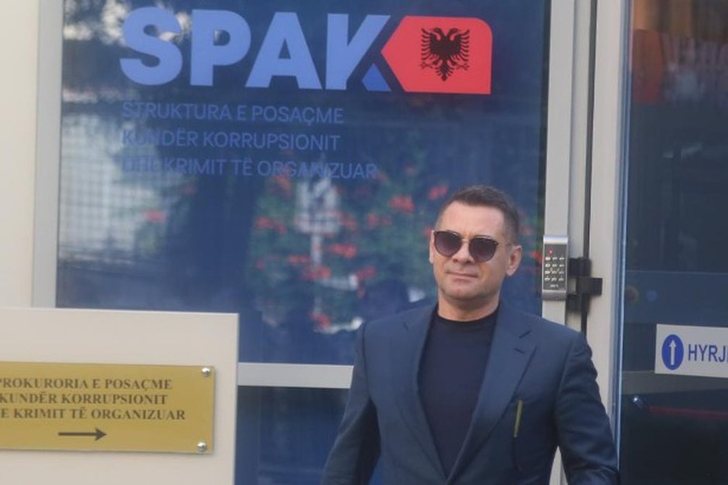
Today, a piece of news was produced, surprisingly fake new...
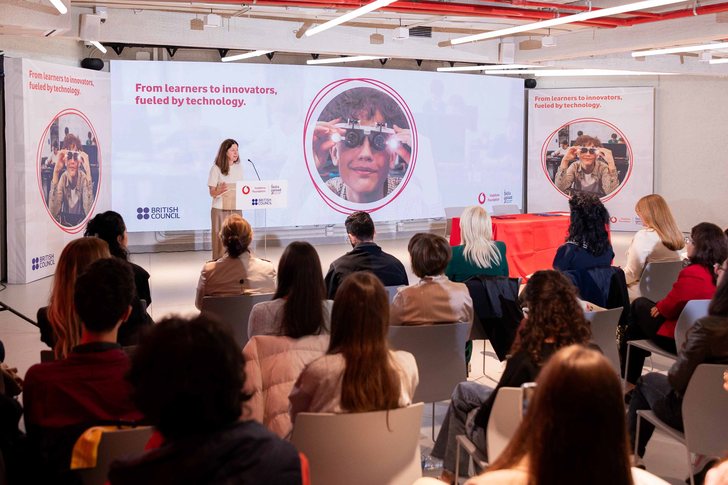
The Vodafone Foundation in Albania and the British Council...

CNA has launched another investigation that could lead to ...

Irfan Hysenbelliu is a businessman that we call "Irfan the...

In March 2026, CNA launched another investigation centered...
The arrested mayor of Tirana, Erion Veliaj, with 13 charge...

The Special Board of Appeal (KPA) decided this Monday ...

The KPA vetting decided this Thursday to dismiss the p...

Suela Salavaçi, a prosecutor in the Prosecutor's Offic...

The Special Board of Appeal reinstated the prosecutor ...
New details from the operation being carried out in Fier t...

The 17-year-old, who was seriously injured yesterday after...
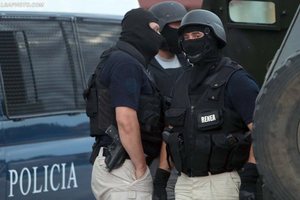
RENEA is headed towards Roskovec after the murder that occ...
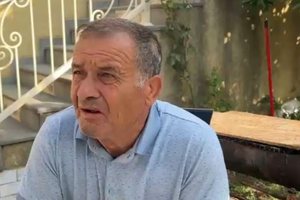
A serious incident occurred in Fier where citizen RB, 35 y...

By noon, cloudiness is expected to prevail in almost all o...

Children without parental care, for whom alternative famil...

On Thursday, our country will be under the influence of st...
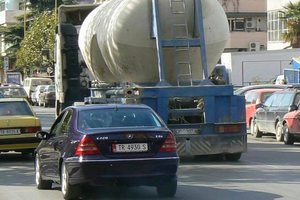
A serious accident that occurred this Wednesday with the c...
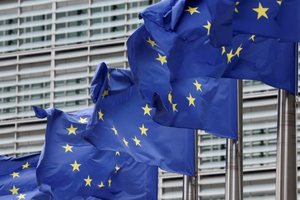
The European Union Office in Kosovo has called on all poli...
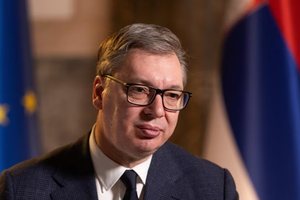
Serbian President Aleksandar Vučić, at a press conference ...
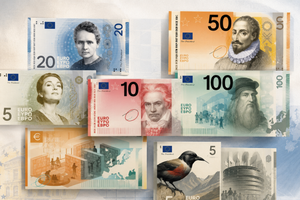
For the first time since the launch of the euro, European ...

Artificial intelligence (AI) models from the American comp...

At a time when industrial products are increasingly taking...

Trust among people is not just a three-syllable word. It c...

Master of humor Todi Llupi has passed away at the age of 7...

The ninth edition of "MIK Festival" kicked off with one of...
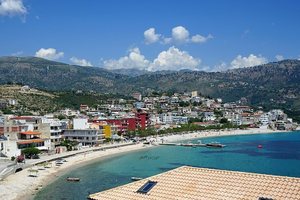
The number of active enterprises in Albania continued to g...
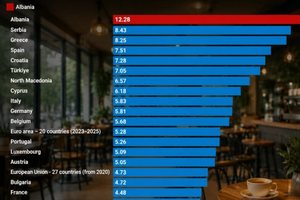
In Albania, the bar-cafe has long become an almost unique ...

This Friday, one US dollar is bought for 81.7 lek and sold...
The average sale price of apartments in Tirana reaches rec...