


"The flamingos with the boulevard's locks tried a new home"/ Rama publishes the video from Banja e Bënjës in Përmet
Prime Minister Edi Rama has made a post on social media wh...

Prime Minister Edi Rama has made a post on social media wh...

Today is May 1, the day that marks International Workers' Day worldwide, a symbol of historic efforts for rights at work, better conditions, and dignity for workers.
This day is associated with the union movements of the 19th century, especially with the protests for the 8-hour workday, and today serves as a moment of reflection on the challenges of the labor market, from wages and job security, to the transformations brought about by the digital economy and automation.
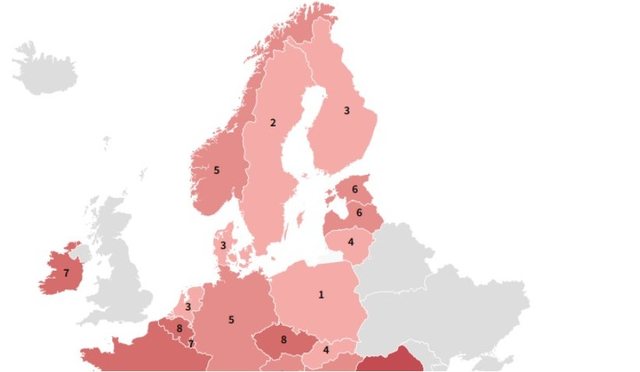
For Albanian workers, there is not much to celebrate this day. Data from a recent report by the European Commission on the survey on working conditions and stable work, which is carried out once every 5 years and was published in April, found that 39% of Albanian workers have difficulty, or a lot of difficulty, in closing the month, compared to 8% which is the European average.
This percentage is the highest in Europe and is very different from other countries. The second place behind us is Greece, where 21% of respondents claim that they cannot postpone the end of the month.
In other countries in the region, the situation appears more moderate, but still above the Western European average. In the region, after Albania, the highest level of difficulties in meeting expenses is recorded in Kosovo, at 18%. Bosnia and Herzegovina also presents a relatively high level, at 13%.
In other Balkan countries, the indicator is lower. Serbia and North Macedonia each report 9%, Croatia 8%, while Montenegro has the lowest level in the region, at 7%.
While North Macedonia and Montenegro are mentioned in the report as countries that have marked significant improvement over the last decade, in Albania the percentage of employees who have difficulty making ends meet continues to remain at record levels.
Respondents are asked to rate how easy it is for their family to meet monthly expenses, considering total monthly income from various sources.
The assessment is made on a six-point scale, from “very easy” to “very difficult”. Overall, 8% of respondents in the EU reported that they found it difficult or very difficult to meet expenses in 2024. Differences between genders were negligible.
The report notes that the survey shows significant differences between countries. The percentage of employees who have difficulty meeting monthly expenses varies significantly, from just 1% in Poland to 39% in Albania, as shown in the map.
europe
The data also highlights a clear geographical divide: Scandinavian countries report consistently low levels of financial hardship, while in some Eastern and Southern European countries the share of employees facing economic hardship is significantly higher.
Since 2010, which coincided with the middle of the economic crisis, the percentage of employees experiencing difficulty meeting expenses has dropped significantly.
In 2010, about 17% of workers reported having difficulty or very difficulty making ends meet. By 2024, that percentage had dropped to just 8%.
At the same time, the share of those who declared that they managed easily or very easily increased from 30% to 40%.
The biggest improvements were observed in several Eastern European countries, such as Bulgaria, Hungary and Latvia, where the share of workers experiencing economic hardship fell by over 30 percentage points. Significant declines, of over 20 percentage points, were also recorded in Croatia, Lithuania, Montenegro, North Macedonia and Romania.
No country reported a statistically significant increase in difficulties in meeting expenses.
There is a strong link between the characteristics of workers' families and their level of financial vulnerability, consistent with findings from other studies, the report notes. Single parents are disproportionately affected by financial hardship: 43% of them report having difficulty making ends meet.
Single mothers are particularly vulnerable, with 46% reporting financial difficulties.
Workers living in households with children tend to face greater financial challenges, with 31–37% reporting difficulty meeting expenses. This is followed by single-person households of prime working age, with 28% reporting economic difficulties.
The data also shows that financial vulnerability varies by employment status and occupation.
Employees with fixed-term contracts, at 36%, the economically dependent self-employed, at 40%, as well as those without a contract or with other contractual forms, at 42%, report the highest percentages of difficulties in meeting expenses.
Workers in lower-skilled occupations face greater difficulties. At least some level of difficulty in meeting expenses is reported by 49% of workers in elementary occupations, 47% of skilled agricultural workers, 37% of service and sales workers, and 35% of plant and machinery operators.
In contrast, employees in higher-skilled occupations, such as managers, technicians, and professionals, report relatively low levels of financial hardship, with percentages below 20%.
The report emphasizes that these findings confirm already known trends and underline the need for supportive policies to be oriented towards specific groups, including single parents and employees in low-wage jobs, who are often under great financial pressure.
The European Working Conditions Survey 2024, published in April this year, provides a comprehensive picture of the quality of work in Europe, analyzing workforce characteristics, workplaces, job quality and quality of working life.
The survey is an important tool for policymakers, as it highlights the role of job quality in achieving sustainable and inclusive growth in Europe.
The survey findings are based on 36,644 face-to-face interviews conducted in 35 countries. Each interview lasted around 45 minutes, providing a unique insight into the state of work in Europe.
This survey has been conducted regularly since 1990, providing a comparable series of data on working conditions in Europe at five-year intervals./ Monitor Magazine

This Friday, one US dollar is bought for 81.1 lek and sold...
Minister of Finance Petrit Malaj announced in a media stat...
Tourist areas will be prioritized in terms of energy inves...
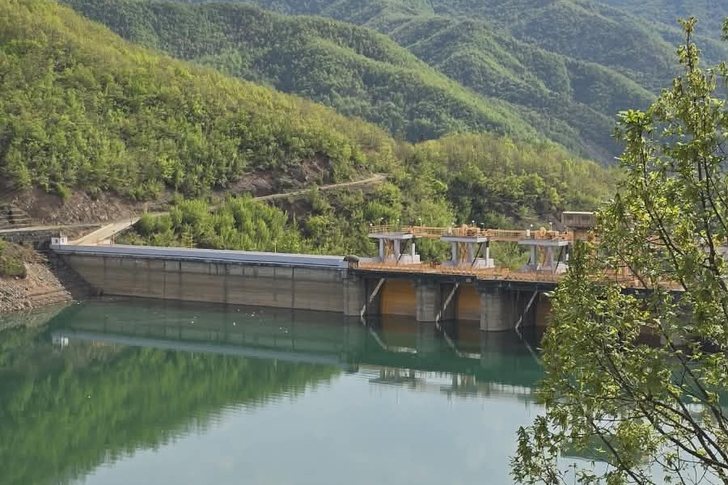
The first three months of the year marked a significant in...

A recent World Bank analysis of the Western Balkans highli...

This Thursday, one US dollar is bought for 81.2 lek and so...

Unlike January, which saw a record increase in savings in ...
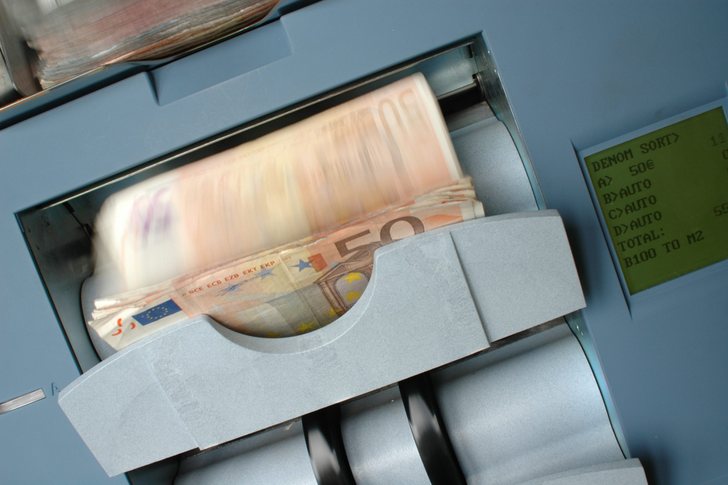
Rich Albanians became even richer in 2025, while ordinary ...
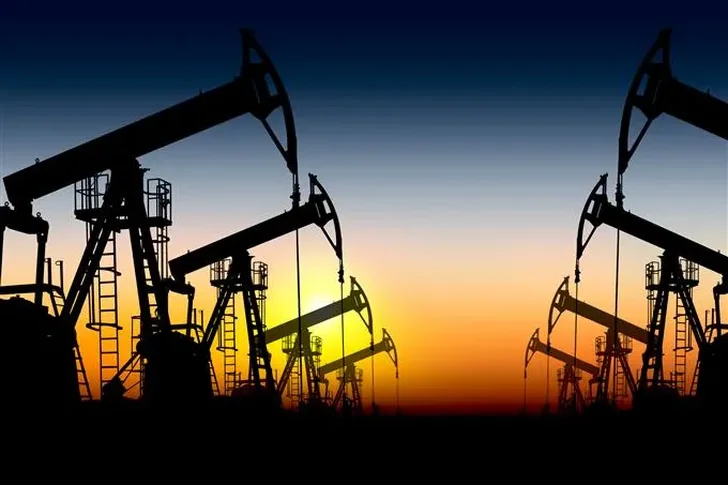
Oil prices have risen sharply, approaching $120 per barrel...
The World Bank predicts that economic growth in Kosovo thi...

The country's public debt has marked a significant decline...
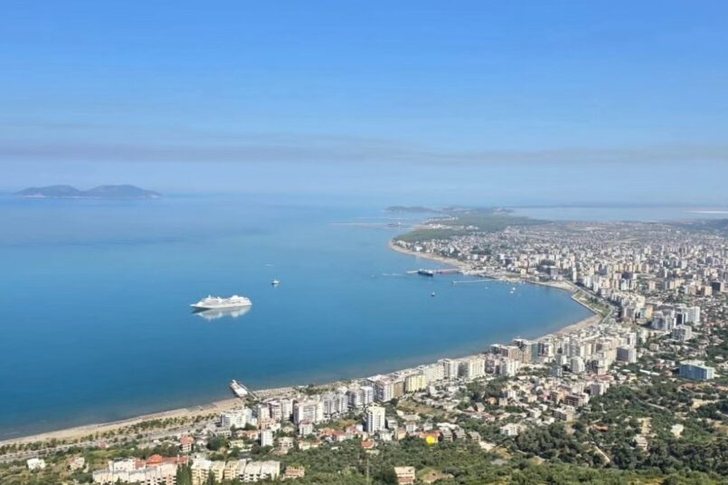
Tourism is Albania's golden opportunity, the fruits of whi...

Money laundering-related criminal offenses in Albania incr...
This Wednesday, one US dollar is bought for 81 lek and sol...
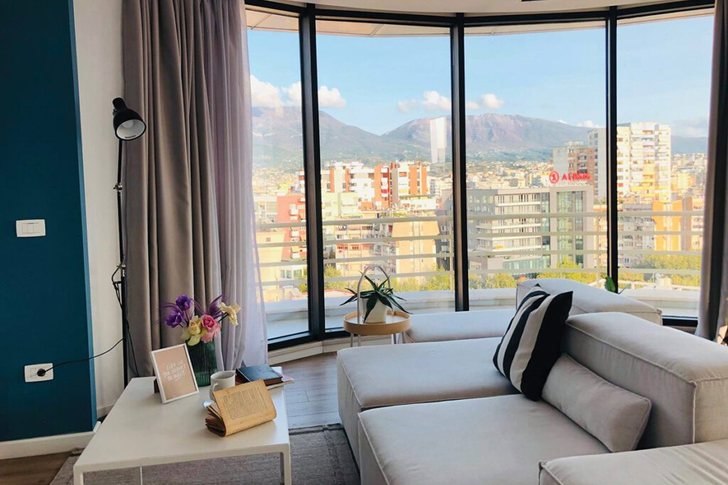
With average apartment prices in the capital exceeding 2,0...

The Tax Administration has reminded all natural persons, c...

After completing the process of submitting approximately 3...
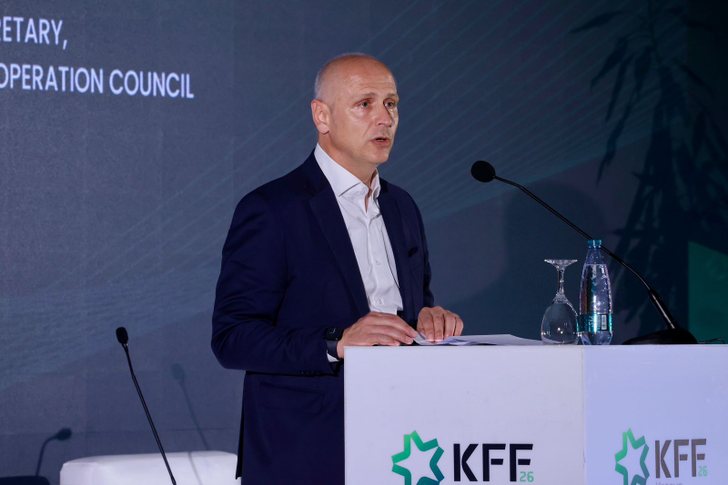
The economies of the Western Balkans are entering a phase ...
The World Bank's latest Commodity Markets Outlook report p...

The Bank of Albania estimates that housing prices continue...
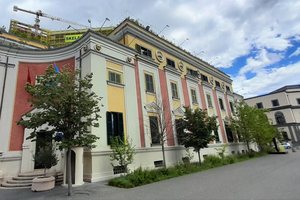
Four months ago, on March 11, CNA sent an official letter ...
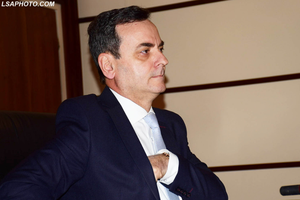
Sokol Sadushi, the president of the Supreme Court, is the ...
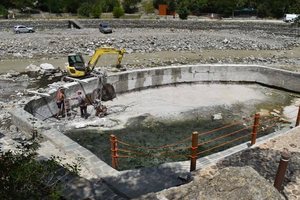
Journalist Elton Qyno has made a complaint regarding the w...

After the first denunciation, the Plug show has continued ...

The Special Board of Appeal (KPA) decided this Monday ...

The KPA vetting decided this Thursday to dismiss the p...

Suela Salavaçi, a prosecutor in the Prosecutor's Offic...

The Special Board of Appeal reinstated the prosecutor ...

Tirana Police have solved the incident that occurred yeste...

The Specialists for the Investigation of Crimes against th...

New details have emerged from the incident that occurred t...

Gunshots were recorded on Friday evening in the Kamza area...

Today our country will be affected by stable weather condi...

Today, mainly stable weather conditions. According to the...

Today, our country will be affected by almost the same met...

As climate change warms coastal waters in northern Europe,...

Prince William is now richer than his father, King Charles...
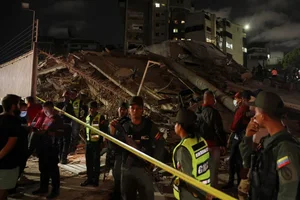
Venezuela is facing the tragic consequences of two powerfu...
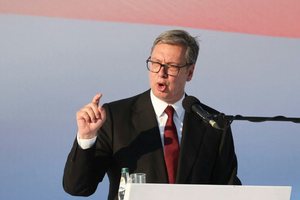
Serbian President Aleksandar Vučić announced today at a ra...
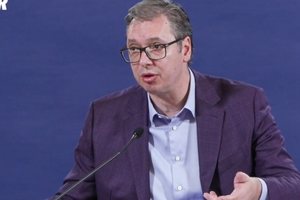
Serbian President Aleksandar Vučić has announced that he w...

This year's edition of the Gjon Mili International Video A...
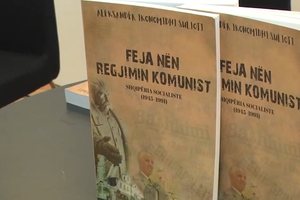
The promotion of the book by author Aleksandër Ikonomidhi ...
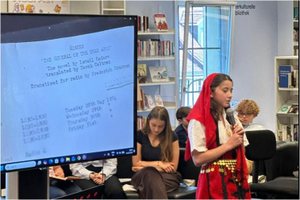
The Albanian Embassy in Switzerland has organized an eveni...

This Wednesday, the prominent actor of Albanian cinema, Gj...
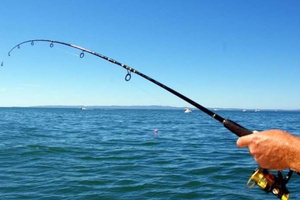
The fishing sector has recorded a worrying performance dur...
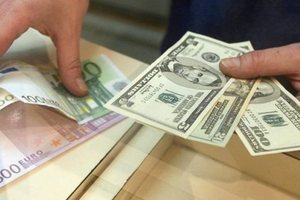
This Saturday, one US dollar is bought for 81.8 lek and so...

The insurance market is growing at a slower pace this year...

Financing health systems and managing the costs of hospita...