


Rama in prison, Berisha in prison!/ Democrats, wake up!
Rama in prison…!!!! Berisha in prison…???!!! Democrats.....

Rama in prison…!!!! Berisha in prison…???!!! Democrats.....

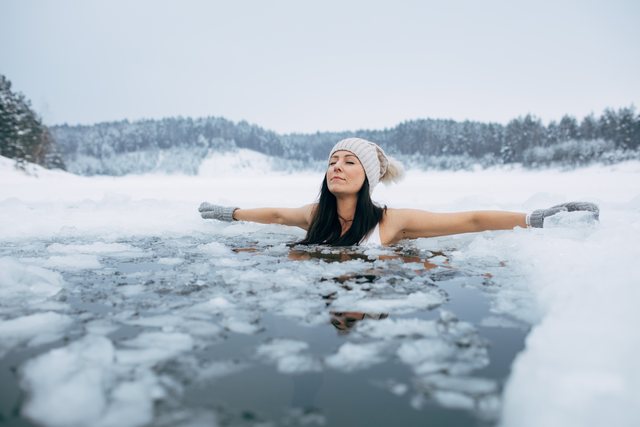
Cold water diving is definitely an activity that divides people. Some love it, others hate it. But many people now practice it weekly or even daily, believing it to be good for their mental and physical health. Cold water therapy can take the form of swimming in nature - in lakes, rivers or the sea - cold showers, or even ice cube baths.
It has been used and is used by athletes as a way to reduce muscle soreness and speed up recovery time from injuries. They usually stay for about 10 minutes after training in cold water with temperatures of 10-15 °C.
Also, cold water has been used to help treat symptoms of depression, pain and migraines. In fact, there are many stories of how cold water therapy has changed the lives of many people, how it has improved their cardiovascular system or even people in difficult times.
While many studies have shown the benefits associated with ice baths and post-workout recovery, a 2014 study found that there may be a placebo effect here. So immersion in cold water can have potentially harmful effects on the human body.
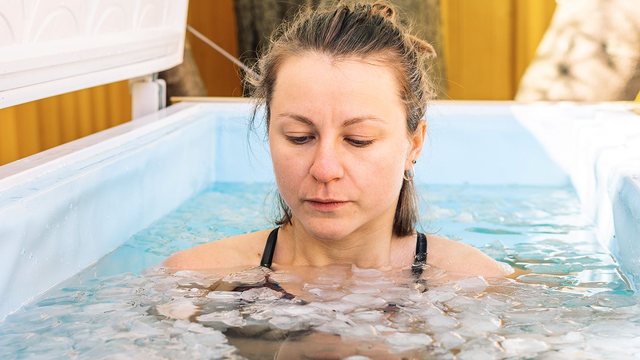
At present, scientific evidence is not available to fully support cold water as a therapy. Furthermore, it is not yet known whether there is a certain duration or temperature that works better than others. But what we do know is that spending less time in cold water is definitely a safe way to avoid harming yourself.
It seems that when it comes to cold water therapy, showers and baths are a less risky option because you have more control over temperature and exposure time compared to outdoor water. But because of the colder temperatures, ice showers and baths still pose significant risks.
One of the lesser known problems associated with cold water immersion is what is known as non-freezing cold injury. When we're exposed to the cold, it's normal for our hands and feet to feel very cold or numb, and they may tingle or be painful when rewarming.
For most people, these symptoms are transient, with normal sensations going away within minutes. But for those with various injuries, these symptoms (pain, altered sensation and sensitivity to cold) can persist in the affected areas for many years due to nerve and blood vessel damage.
Meanwhile there is also a lot of variation in how our individual bodies react to the cold. For example, those of African and Caribbean descent appear to be more susceptible to cold injury without frostbite.
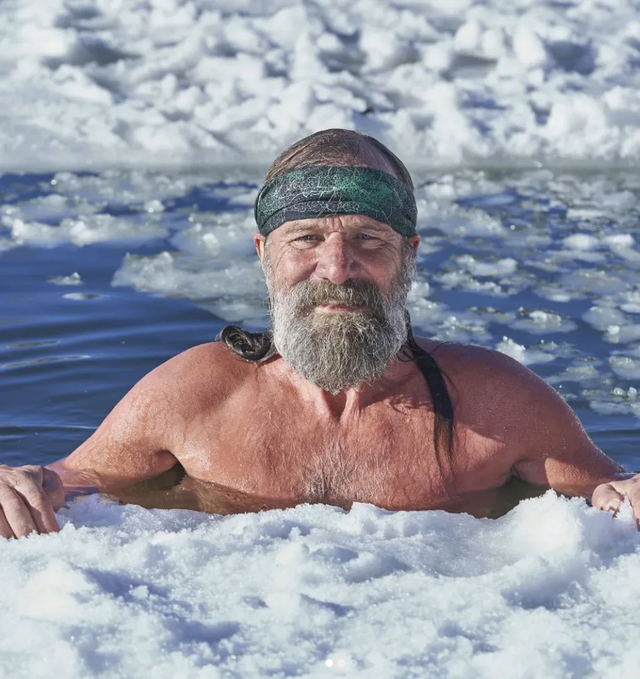
So the risks of exposure to the cold will vary between different people. However, a 2020 study of cold-water swimmers showed that although they may have sensitivity to cold, this was not associated with damage to blood vessels in the skin.
So, if you want to undergo cold water therapy, here are the things you should keep in mind:
Consult your doctor first to make sure it is safe for you.
Make sure you are not alone and that the water is safe, especially when entering a river, lake or sea, where tides, currents and waves, underwater obstacles, etc. must be taken into account.
Plan how you will get in and out of the water safely (remember that your muscles won't work as well when you're cold and you may not be able to feel with your hands and feet).
Make sure you have towels, dry, windproof clothes, a warm drink and a place to shelter. Do not boat or ride a bike until you are fully warmed up. Stay in the cold water only for a short period of time, get out before you experience numbness, pain or shivering./ Translated and translated by CNA.al

Academics from the University of Cambridge have reveal...
If you've ever woken up in the morning after drinking ...
Bota po përballet me ndryshime demografike të mëdha. P...
The US Centers for Disease Control and Prevention say the ...
Talking on a cell phone for 30 minutes or more during ...
Covid-19 is no longer a global health emergency, the World...

This story begins in an unusual place for an article a...
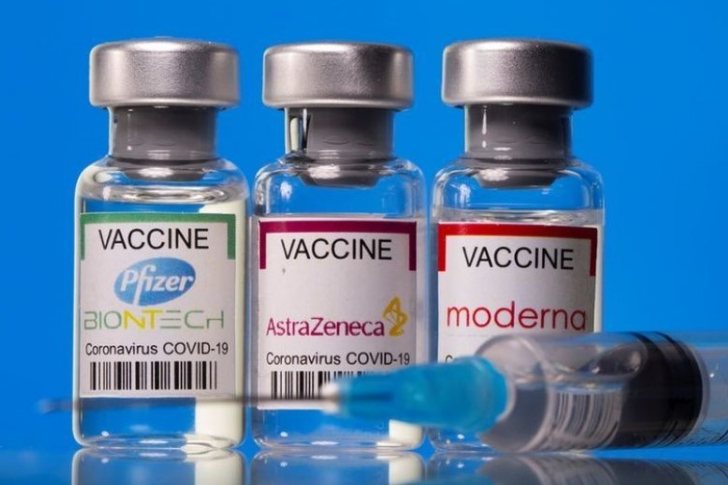
The effects of vaccines are being taken very seriously...
Widespread loneliness in the United States poses as deadly...
Organizata Botërore e Shëndetësisë (OBSH) po monitoron...
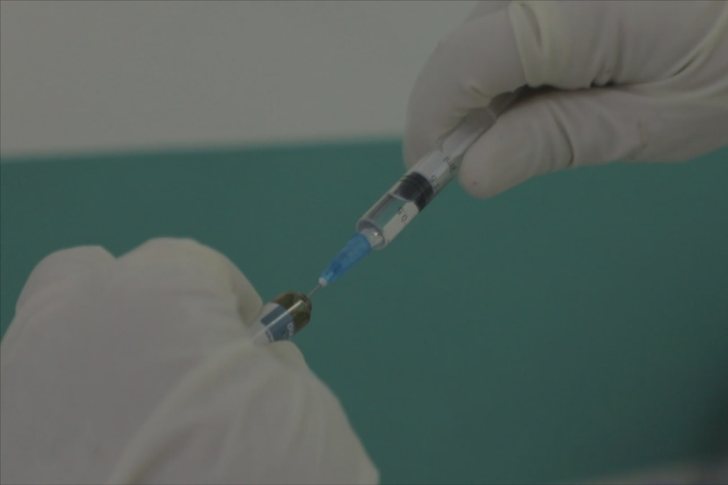
In Albania, the Tirana prosecutor's office is expected to ...
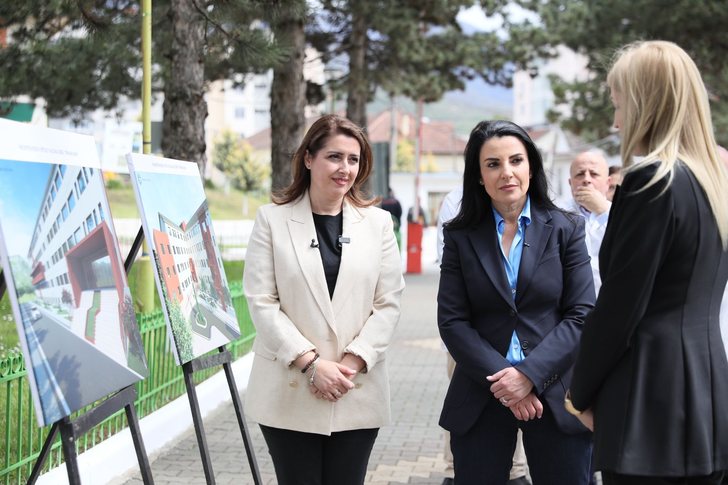
The Minister of Health and Social Protection, Ogerta M...

Disa nga dietat ushqimore më të famshme në botë, janë gjit...
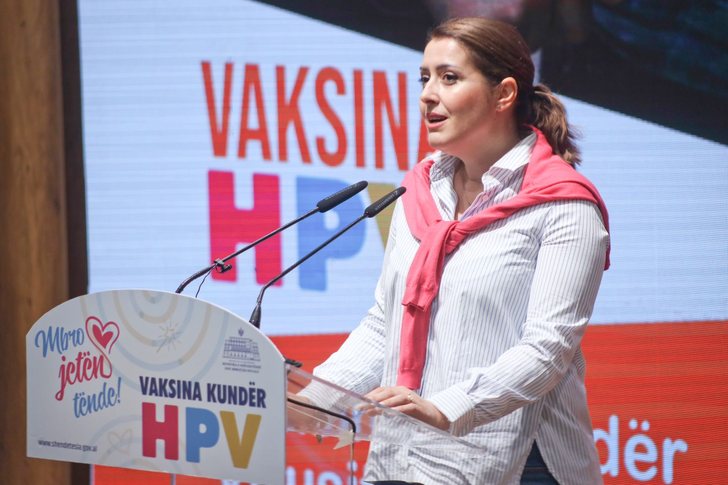
Në Kuadër të Javës Evropiane të Imunizimit, Ministrja ...
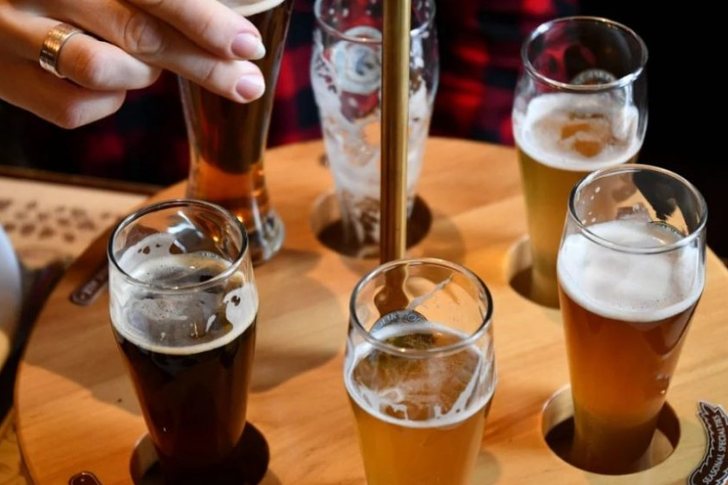
Beer is rich in nutrients such as amino acids, carbohy...

For those who can't resist fries, the news is not good. F...
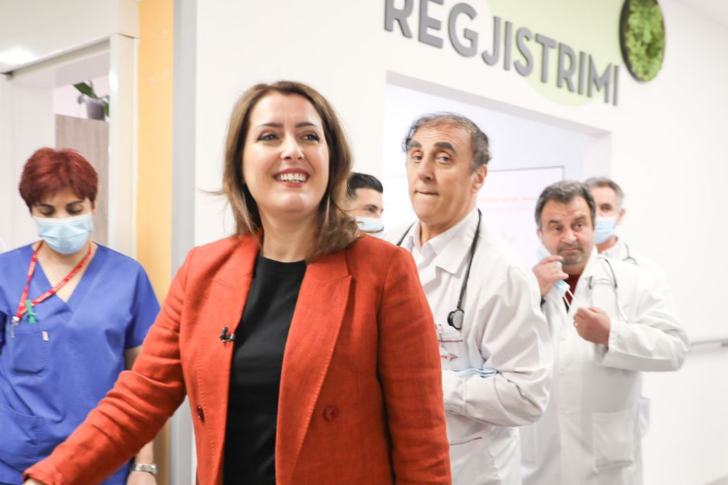
The Multipurpose Emergency is opened at the Central Hospit...
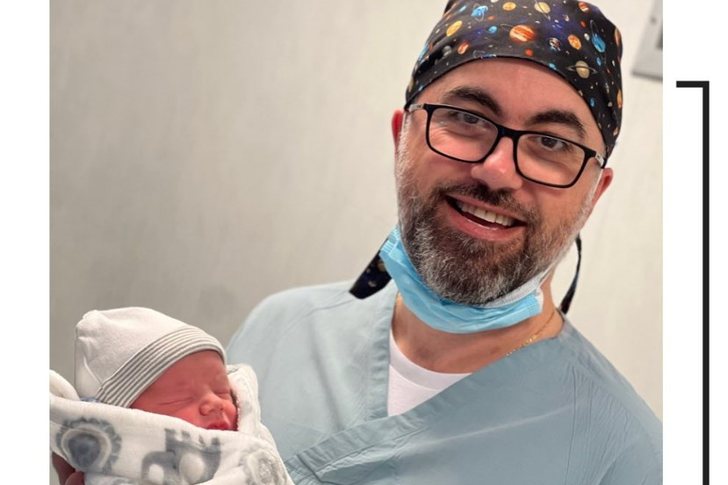
The In Vitro Fertilization team at the American Hospital h...
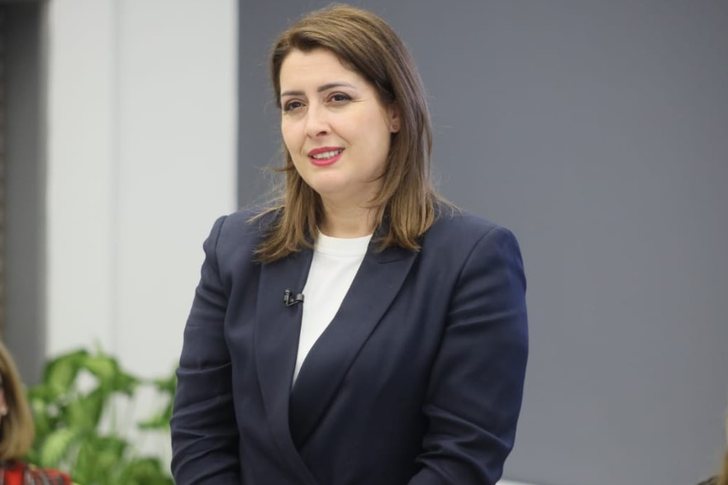
The Minister of Health and Social Protection, Ogerta M...
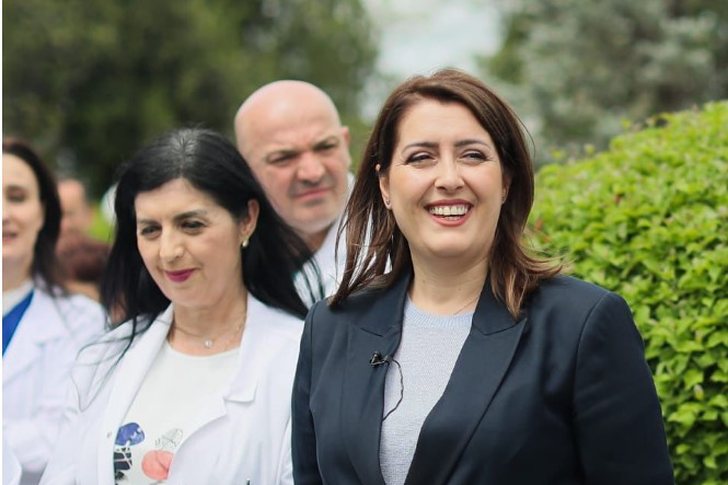
After the "Mother Teresa" University Hospital Center, ...
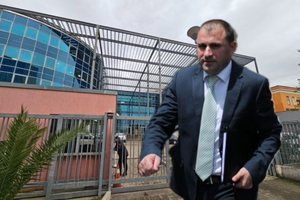
Dritan Prençi is the SPAK prosecutor who is sleeping on th...
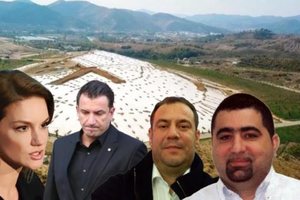
The in-depth investigations that SPAK conducted into Ajola...
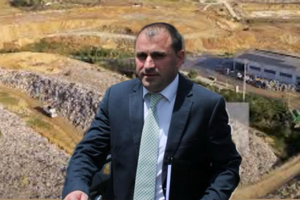
SPAK's standards, the way it investigates, how it secures ...

Irfan Hysenbelliu claims to be a big businessman, an hones...

The Special Board of Appeal (KPA) decided this Monday ...

The KPA vetting decided this Thursday to dismiss the p...

Suela Salavaçi, a prosecutor in the Prosecutor's Offic...

The Special Board of Appeal reinstated the prosecutor ...
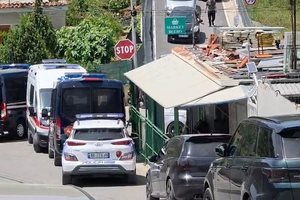
New details have emerged regarding the murder that occurre...

The State Police has revealed details from the operation i...

A serious road accident occurred this morning on the Vlora...

Other details have been revealed from the crime that occur...
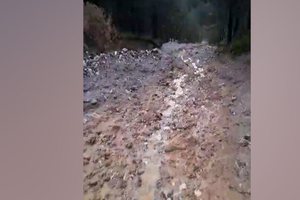
Intense rainfall has caused numerous problems in the Radom...
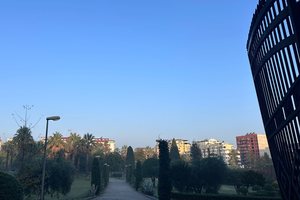
Today our country will be affected by relatively unstable ...

On Monday, our country will be affected by relatively stab...
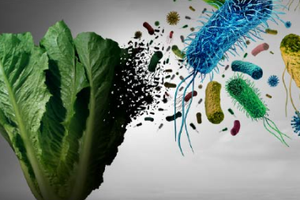
More than 860 million people fall ill and 1.5 million die ...
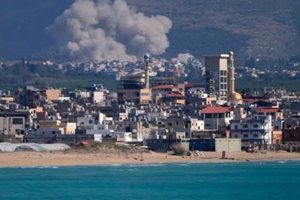
Israeli military forces have launched new attacks on the c...

Just two days after the early parliamentary elections were...
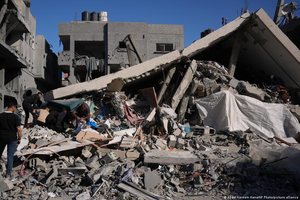
In 2025, 65 conflicts involving at least one state were re...

Historiani i njohur amerikan Gordon S. Wood, fitues i çmim...

Korça has transformed this weekend into the capital of cel...

Korça is ready to open the summer season with one of the c...

Two years after his passing, the renowned Korçë poet Skënd...

The Ethnographic Museum of Berat has opened its doors to v...

Inflation has increased in May, rising to 3% compared to 2...

Exchange rate, June 8, 2026 This Tuesday, one US dollar is...

At the end of 2025, for all euro area members, more than 9...
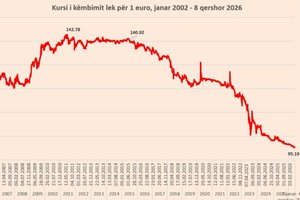
Kursi i këmbimit mes euros dhe lekut e ka nisur javën në r...