


Action in Vlora/Highly dangerous criminal group targeted, perpetrator of injury caught
The State Police has revealed details from the operation i...

The State Police has revealed details from the operation i...

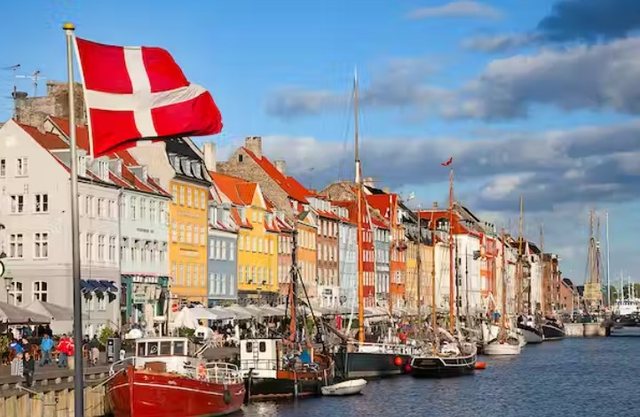
The rapid growth of cities is accompanied by many challenges. How can we build with more green spaces? And how can we support the health and well-being of people living in urban areas? This seems to involve a compromise.
Numerous studies show that denser neighborhoods are relatively better for the planet, but they have higher risks of depression. I don't think it's surprising why depression is less common in the countryside.
Stress, noise, air pollution, loneliness and lack of sunlight on the first floor of a high-rise apartment are just a few examples of the challenges faced by city dwellers. In fact, these factors may account for 39 percent of the risk of depression for urban areas in Western European countries and the US.
But it seems that some urban areas are better than others. My colleagues and I have conducted a new study, published in Science Advances, that shows that people in the suburbs are more likely to be depressed than those who live in city centers.
We wanted to find out which factors were most important for psychological well-being, so that cities can be better designed to be sustainable and supportive of human mental health. One hectare of land can accommodate the same number of people in denser buildings with lower floors, or more sparse and high.
The latter can be either business areas with a lot of activity, or areas with less density and with decorated apartments in front of a large green area around. However, suburbs tend to have an average density of low-rise buildings. What approach should we take? Our team, including researchers from Yale University in the US, the Universities of Stockholm and Gavles in Sweden, and the University of Aarhus in Denmark, reviewed a very large amount of source material for our study.
Using big data analysis machine tools, we examined satellite images of all buildings in Denmark over 30 years (1987-2017). We then classified them into different categories depending on height and density.
We combined the map, i.e. individual residential addresses, with health and socio-economic registers in Denmark. This allowed us to account for known factors that increase the risk of depression, such as socioeconomic status or parents diagnosed with mental illness.
The results do not show a clear link that dense inner city areas affect depression. This is probably because dense city centers may offer relatively more opportunities for social networking and interaction, which can benefit people's mental health.
Nor do rural areas seem to increase the risk of mental health problems. Instead, after accounting for socio-economic factors, the highest risk was observed in suburbs with low-rise residential buildings.
High-rise buildings in central areas or in the suburbs close to the center and with easier access to open spaces - such as green parks or coastlines - showed low risks. This means that the type of area with a high risk of mental health problems typically contains medium-density, low-rise urban developments.
Ne mendojmë se rreziqet relativisht më të larta të depresionit që gjenden në periferitë e përhapura dhe me zhvillim të ulët, mund të shpjegohen pjesërisht për shkak të udhëtimeve të gjata me makinë, të hapësirave publike më të vogla dhe me dendësi jo shumë të lartë të banorëve për të pasur shumë zona tregtare, ku njerëzit mund të mblidhen së bashku, për shembull dyqanet dhe baret.
Por sigurisht, mund të ketë edhe shumë faktorë të tjerë. Kjo nuk do të thotë se nuk ka përfitime të mundshme nga jetesa në periferi. Disa njerëz mund të preferojnë privatësinë, qetësinë dhe të kenë kopshtin e tyre. Një alternativë më e mirë, mund të ishte investimi në banesa të larta ku stili i jetesës nuk varet nga pronësia e makinave private, e kombinuar me dizajnin e menduar hapësinor për të rritur qasjen tek brigjet, kanalet, liqenet ose parqet urbane.
Po ashtu mund të përmirësohet qasja e periferive ekzistuese si për shërbimet urbane ashtu edhe për hapësirat e hapura publike, dhe për t’u siguruar që të ketë më shumë rrugë vetëm për këmbësorë në këto zona. Hulumtimi tregon se sa sociale janë qeniet njerëzore.
Një nivel i caktuar dendësie, është tek e fundit i nevojshëm për të krijuar komunitete dinamike që mund të mbështesin dyqanet, bizneset dhe transportin publik, duke lejuar në të njëjtën kohë restaurimin me përfitimin e hapësirës së hapur.
Në Kopenhagë, njerëzit marrin një birrë ose pastë dhe qëndrojnë me miqtë përgjatë kanalit. Këto zona janë në skaj të dyqaneve dhe natyrës, duke i bërë sociale hapësirat. Nga ana tjetër, qendrat e qyteteve kanë më pak ndikim të keq nga ndryshimet klimatike sesa periferitë e përhapura, që kanë një përdorim më masiv të makinave.
Ndërsa studimi verifikoi variabla si të ardhurat dhe papunësia, është thelbësore të pranohet se zgjedhjet e strehimit ndikohen nga faktorë socio-ekonomikë. Pronat në zonat qendrore të qytetit, janë dukshëm më të shtrenjta se shtëpitë në periferi.
Pra ndërmarrja e veprimeve për të adresuar pabarazinë, si krijimi i projekteve të banimit me familje me të ardhura të përziera është thelbësor, në mënyrë që të jenë gjithëpërfshirëse përpjekjet për të përmirësuar mirëqenien e njerëzve.
We acknowledge that the findings of the Danish study may not be directly applicable to all other countries. Because socio-environmental factors of mental well-being also depend on cultural and geographical contexts. However, the framework developed in this study creates the basis for further research in different parts of the world./ Adapted from CNA.al

Dyzet milionë infeksione në javë deri në fund të këtij...

According to a recent study involving about 10,000 America...
The WHO could gain powers to force the UK into isolati...

Proper exposure to sunlight means T-lymphocytes are op...

Negotiations are underway and plans are being made by the ...
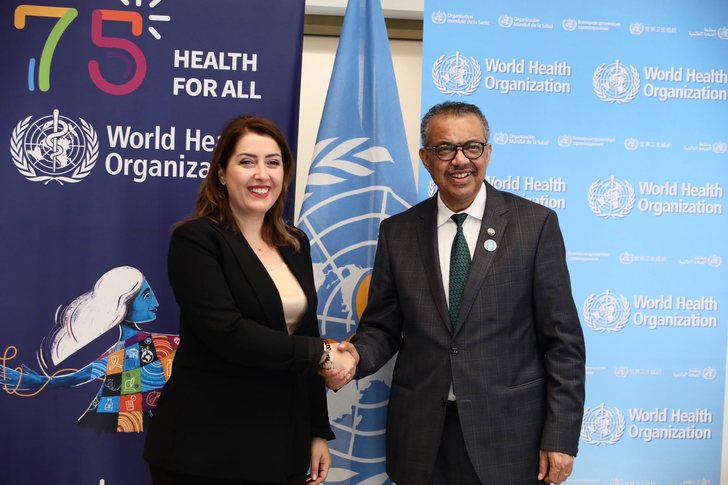
In a meeting held today in Geneva between the Minister...
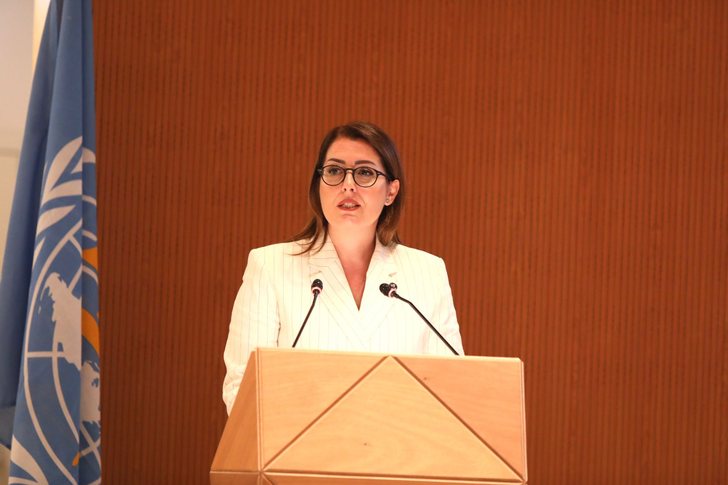
The Minister of Health and Social Protection, Ogerta Manas...
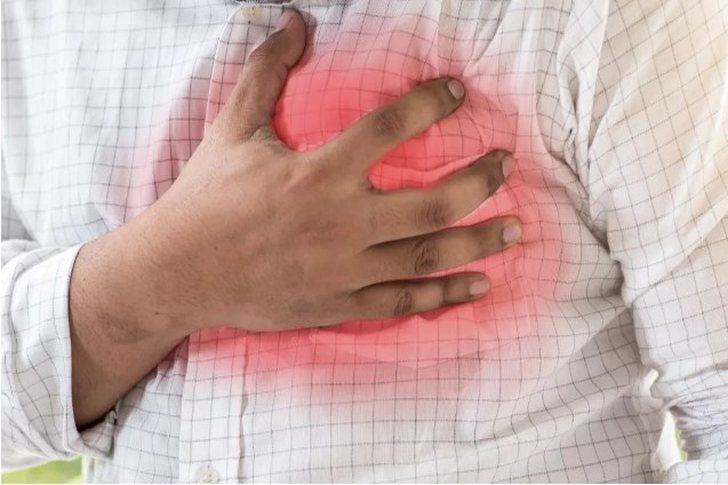
A heart attack, or myocardial infarction, occurs when bloo...
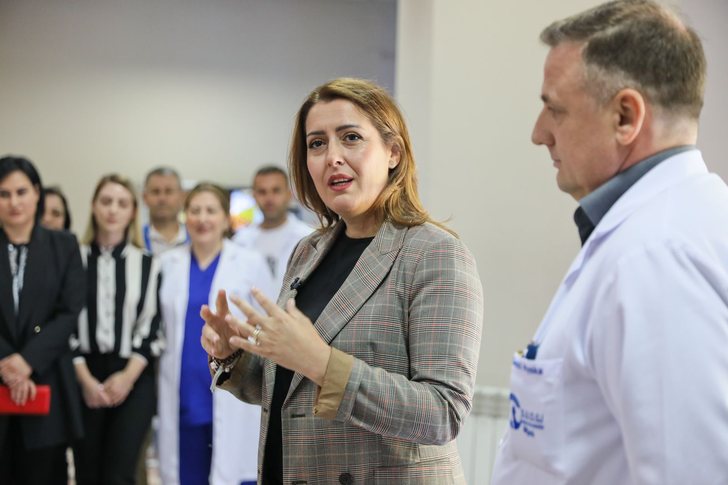
In the "Koço Gliozheni" maternity hospital, for the first ...

As winter approaches, many parents will be preparing f...
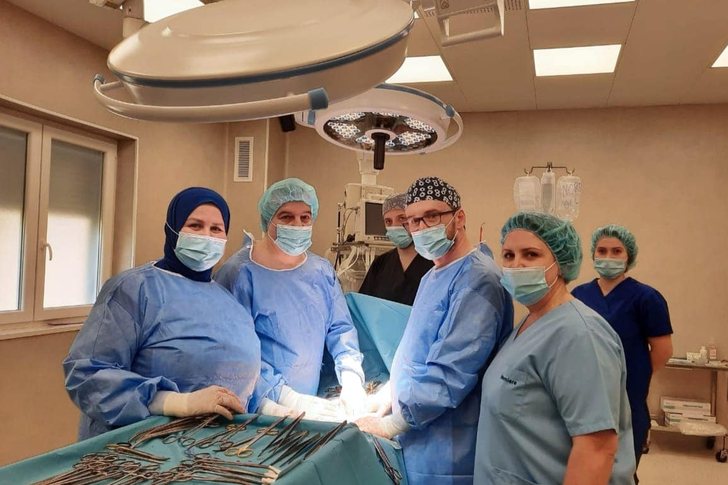
A delicate intervention was successfully carried out in th...

It is likely that the smartphone on which you are reading ...

It is not only work that brings stress, but also the lack...

Cold water diving is definitely an activity that divid...
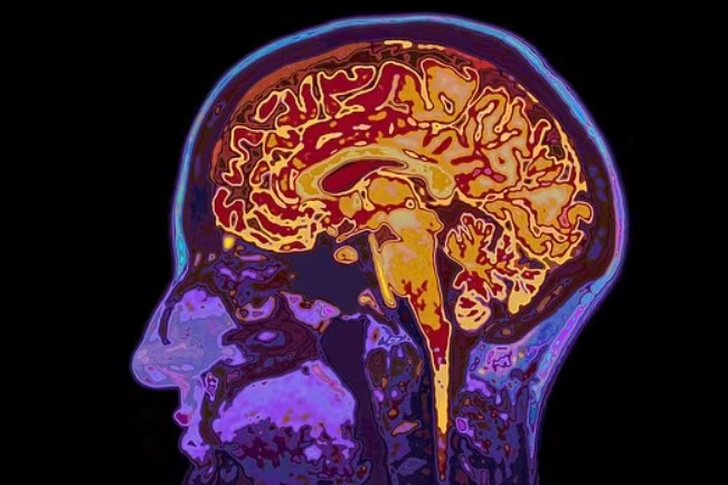
Academics from the University of Cambridge have reveal...

If you've ever woken up in the morning after drinking ...
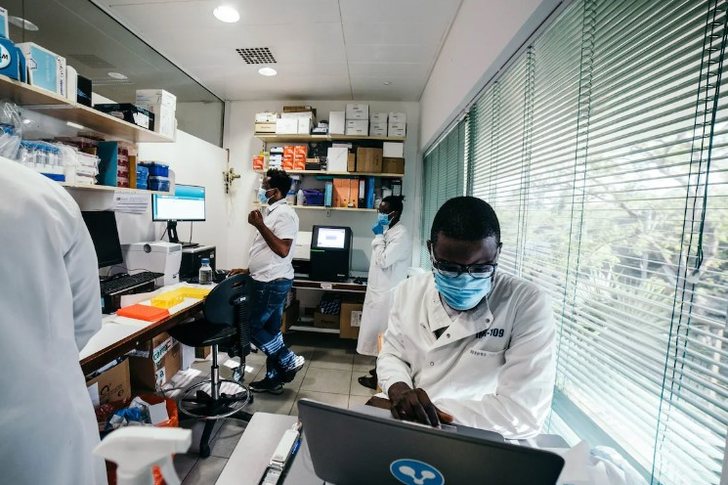
Bota po përballet me ndryshime demografike të mëdha. P...
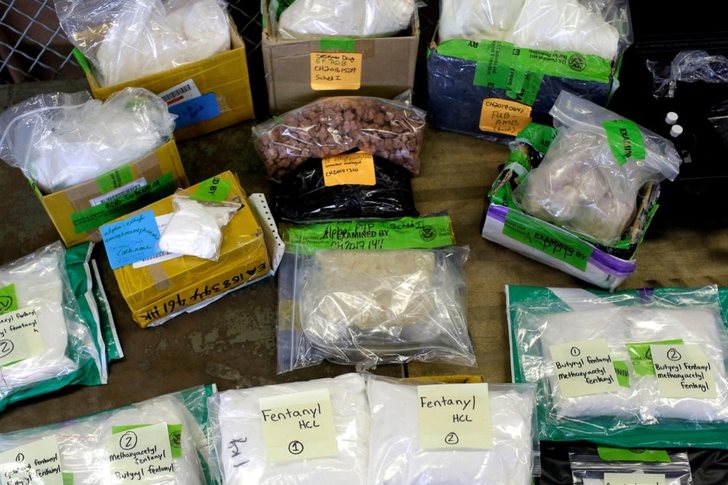
The US Centers for Disease Control and Prevention say the ...

Talking on a cell phone for 30 minutes or more during ...

Covid-19 is no longer a global health emergency, the World...

The in-depth investigations that SPAK conducted into Ajola...

SPAK's standards, the way it investigates, how it secures ...

Irfan Hysenbelliu claims to be a big businessman, an hones...

The murder of officer Enea Mekolli in the line of duty has...

The Special Board of Appeal (KPA) decided this Monday ...

The KPA vetting decided this Thursday to dismiss the p...

Suela Salavaçi, a prosecutor in the Prosecutor's Offic...

The Special Board of Appeal reinstated the prosecutor ...

The State Police has revealed details from the operation i...

A serious road accident occurred this morning on the Vlora...

Other details have been revealed from the crime that occur...

Policia e Tiranës ka ndarë pak minuta më parë një thirrje ...
Today our country will be affected by relatively unstable ...

On Monday, our country will be affected by relatively stab...

More than 860 million people fall ill and 1.5 million die ...
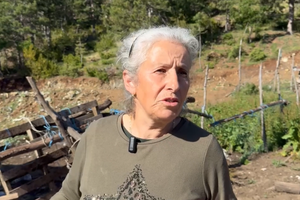
The mother of Violand Braçellari, the perpetrator of the s...
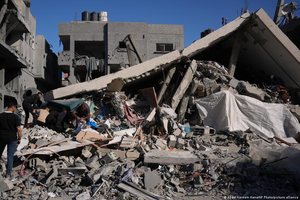
In 2025, 65 conflicts involving at least one state were re...
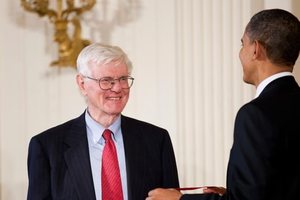
Historiani i njohur amerikan Gordon S. Wood, fitues i çmim...

Germany and France finally ended the joint project to deve...
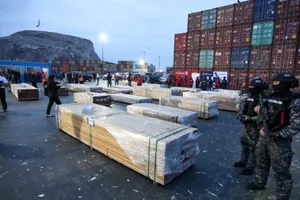
Chilean authorities have seized more than 100 tons of drug...

Korça has transformed this weekend into the capital of cel...

Korça is ready to open the summer season with one of the c...

Two years after his passing, the renowned Korçë poet Skënd...

The Ethnographic Museum of Berat has opened its doors to v...

Inflation has increased in May, rising to 3% compared to 2...

Exchange rate, June 8, 2026 This Tuesday, one US dollar is...

At the end of 2025, for all euro area members, more than 9...
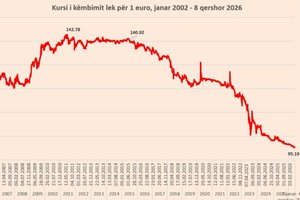
Kursi i këmbimit mes euros dhe lekut e ka nisur javën në r...