

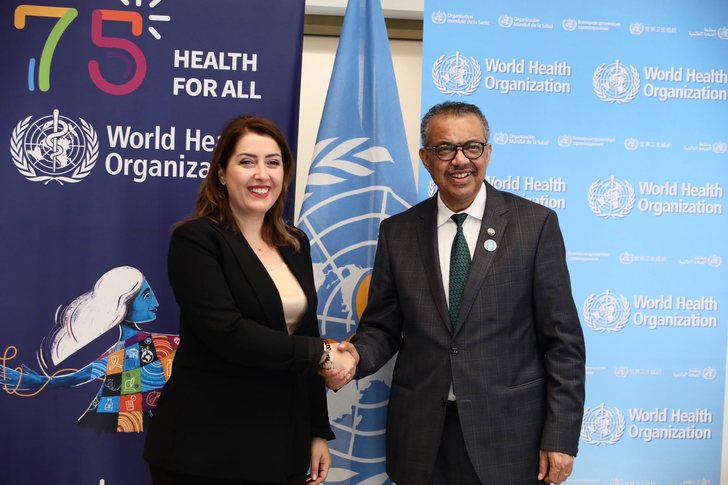
Manastirliu meets the director of WHO/ Capacity building and strengthening of the health system for emergencies
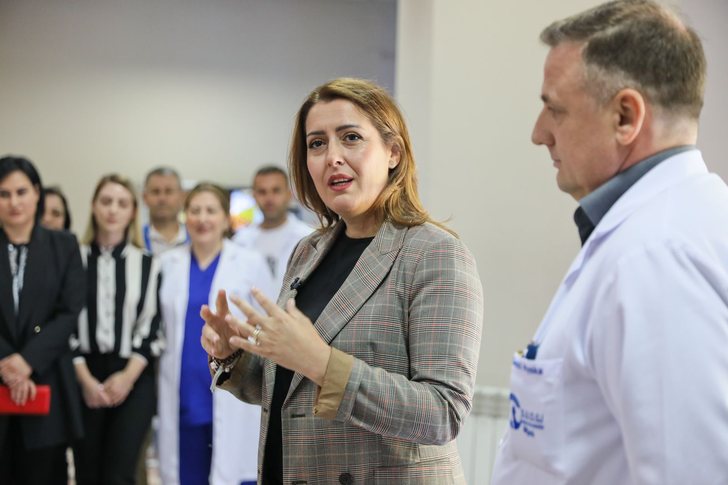
In a meeting held today in Geneva between the Minister...


Negotiations are underway and plans are being made by the World Health Organization (WHO) on how to deal with pandemics, should there ever be one in the future.
On May 24, 2024, it is expected that a legally binding agreement will be reached, which must be approved by the 194 member countries of the organization.
For WHO chief Tedros Adhanom Ghebreyesus, a new pact is the priority now, adding that "we must all have a generational commitment so that we do not return to the old cycle of panic and neglect," at the annual assembly of the UN agency.
This sought-after pact is intended to support and empower organizations and defense forces around the world in the fight against potential pathogens after the COVID-19 pandemic, which killed nearly 7 million people worldwide.
What is this pandemic treaty?
The WHO already has binding rules known as the International Health Regulations, which since 2005 have defined obligations for countries where public health events have the potential to cross borders. These include WHO's immediate health emergency advisory and trade and travel measures.
These regulations, which were adopted during the SARS virus outbreak in 2002-2003, are currently seen as adequate in the event of the spread of diseases such as Ebola, but insufficient for a global pandemic.
Following the spread of COVID-19, these regulations are being reviewed.
Member countries have decided that the new, more comprehensive pandemic treaty should be legally enforceable for those who sign up, overcoming early doubts from the United Nations.
Following the 2003 Framework Convention on Tobacco Control, a treaty that tries to discourage smoking through taxes and regulations on labeling and advertising, this pandemic treaty would be the second health pact of its kind.
However, the treaty has drawn criticism on social media, mainly from right-wing opponents who worry it could result in a transfer of power from states to the WHO.
The organization disputes this, stressing that governments are in charge of discussions and have the right to reject the agreement.
How would it work?
It is not yet clear how the 2005 regulations and the new pandemic deal might fit together.
However, it is suggested that they should be complementary, so that the existing rules apply to local spread with the new rules kicking in if the WHO declares a pandemic - something it currently has no mandate to do.
Also, it is not yet clear what happens if the measures are not respected. A co-chair of the talks said it would be preferable to have a peer review process, rather than sanctioning states that disagree.
What other reforms are in the process?
A total of 300 amendments have been proposed by nations in separate discussions on reforming the 2005 guidelines.
Initial suggestions from Washington called for transparency and to provide the WHO with faster access to epidemic areas.
However, the WHO claims that Beijing is still withholding clinical data from early cases that may include clues to the origin of the SARS-CoV-2 virus. China allowed expert teams led by the WHO to visit the epicenter of COVID-19 in Wuhan./ Rel

In a meeting held today in Geneva between the Minister...
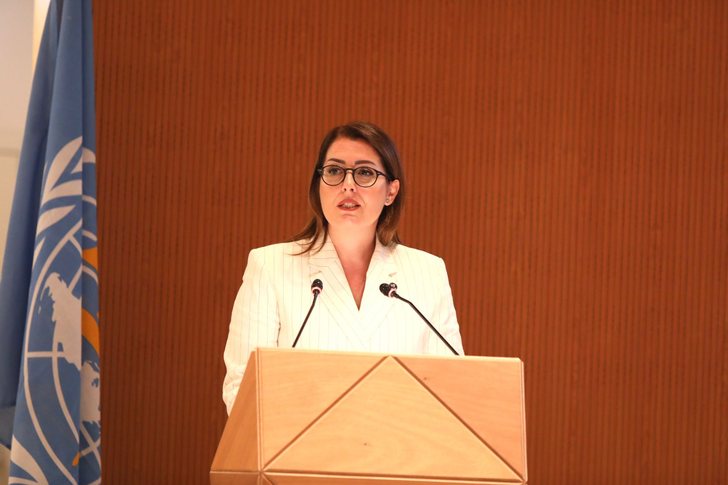
The Minister of Health and Social Protection, Ogerta Manas...
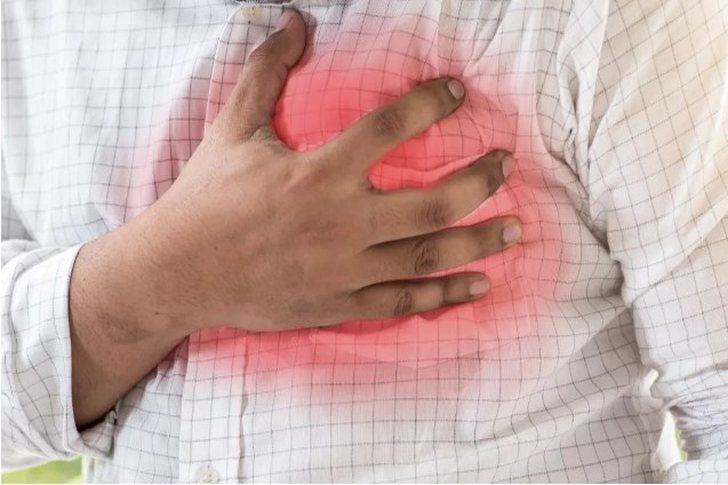
A heart attack, or myocardial infarction, occurs when bloo...
In the "Koço Gliozheni" maternity hospital, for the first ...
As winter approaches, many parents will be preparing f...
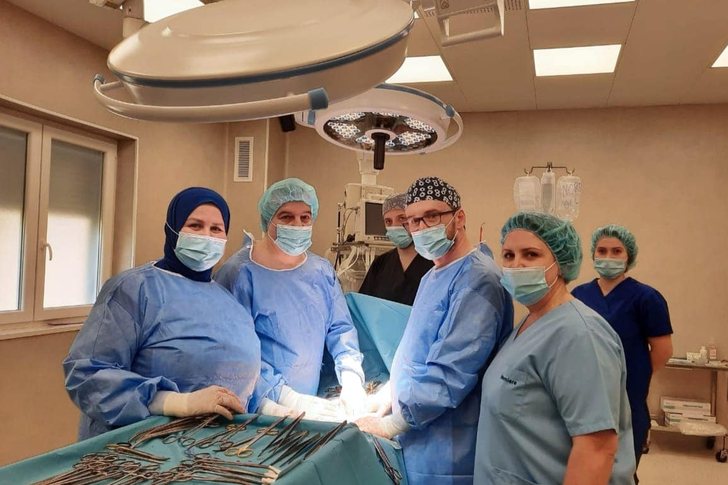
A delicate intervention was successfully carried out in th...

It is likely that the smartphone on which you are reading ...

It is not only work that brings stress, but also the lack...

Cold water diving is definitely an activity that divid...
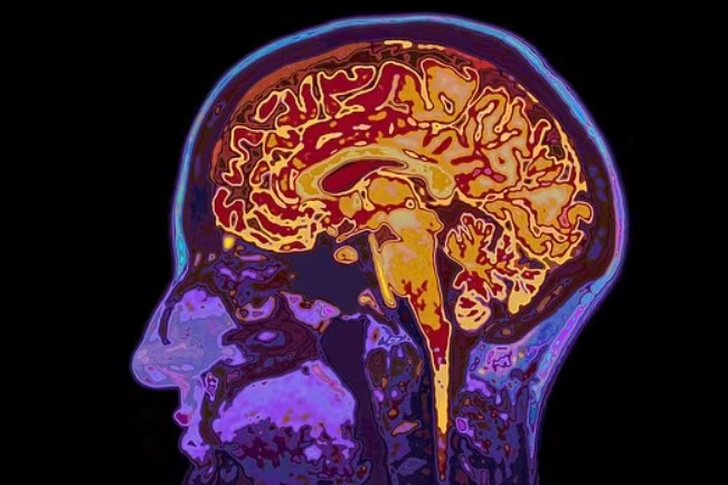
Academics from the University of Cambridge have reveal...
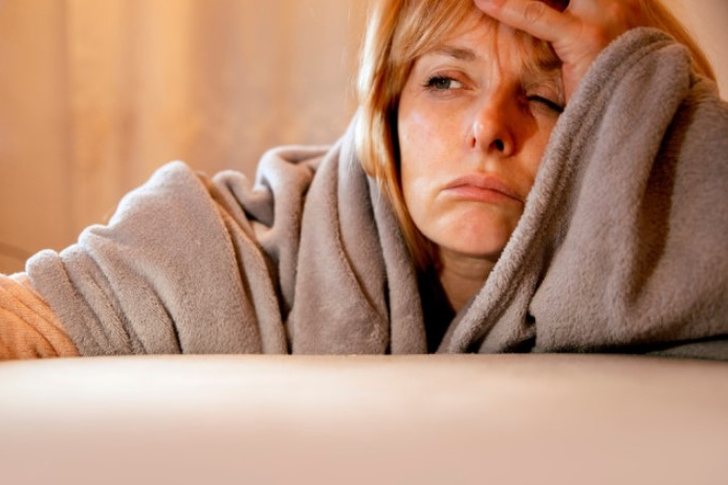
If you've ever woken up in the morning after drinking ...
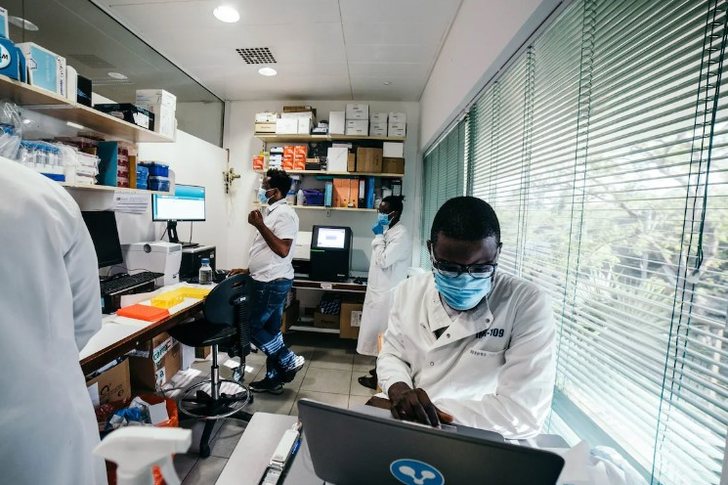
Bota po përballet me ndryshime demografike të mëdha. P...
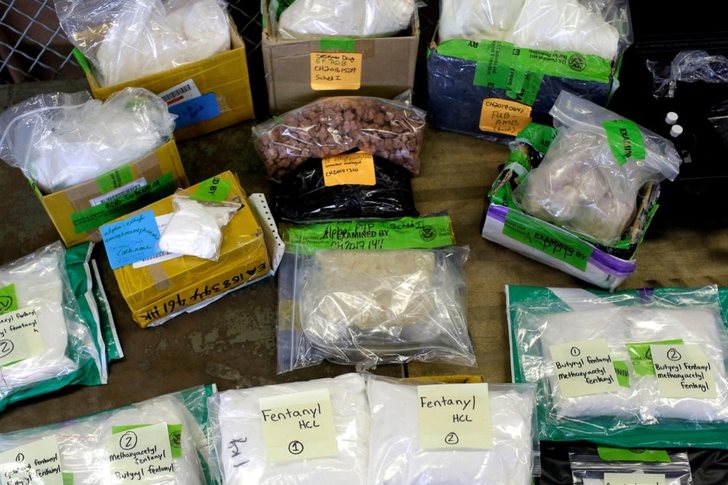
The US Centers for Disease Control and Prevention say the ...

Talking on a cell phone for 30 minutes or more during ...
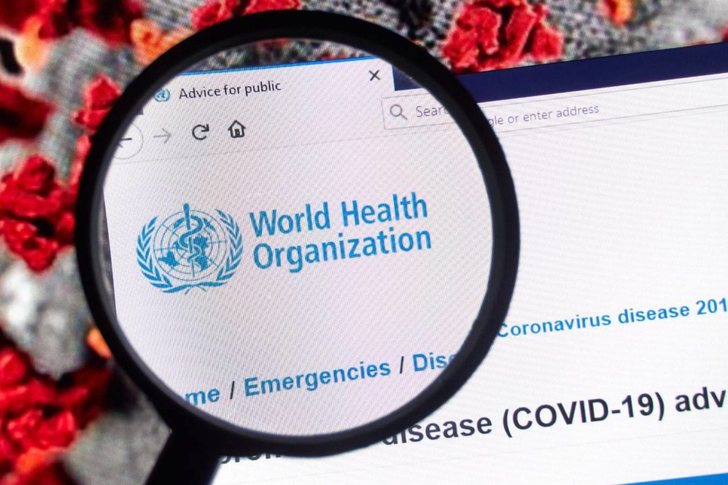
Covid-19 is no longer a global health emergency, the World...

This story begins in an unusual place for an article a...
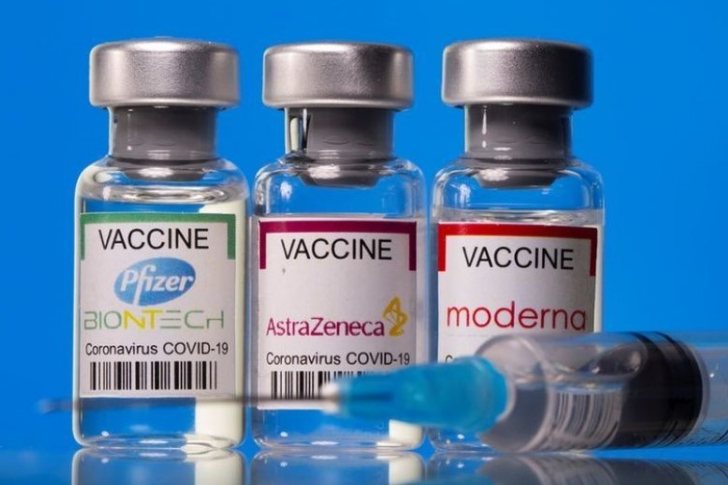
The effects of vaccines are being taken very seriously...

Widespread loneliness in the United States poses as deadly...
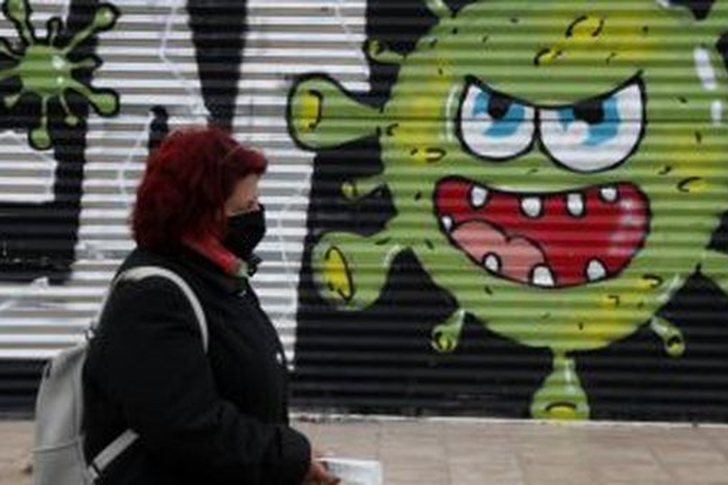
Organizata Botërore e Shëndetësisë (OBSH) po monitoron...
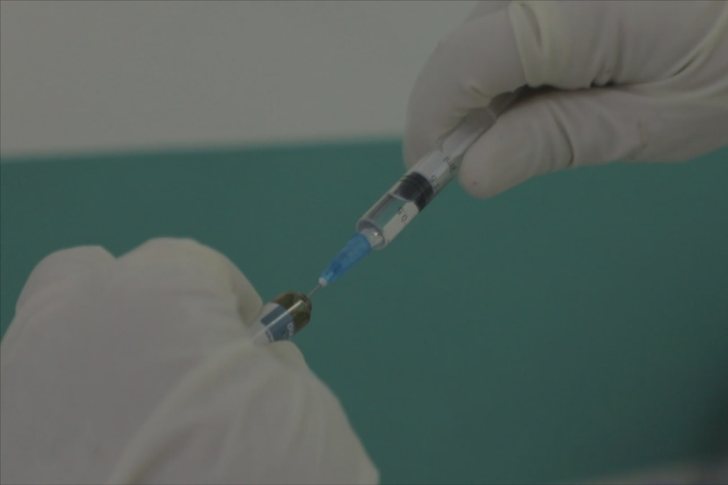
In Albania, the Tirana prosecutor's office is expected to ...

The in-depth investigations that SPAK conducted into Ajola...
SPAK's standards, the way it investigates, how it secures ...
Irfan Hysenbelliu claims to be a big businessman, an hones...

The murder of officer Enea Mekolli in the line of duty has...

The Special Board of Appeal (KPA) decided this Monday ...

The KPA vetting decided this Thursday to dismiss the p...

Suela Salavaçi, a prosecutor in the Prosecutor's Offic...

The Special Board of Appeal reinstated the prosecutor ...

The State Police has revealed details from the operation i...

A serious road accident occurred this morning on the Vlora...

Other details have been revealed from the crime that occur...
Policia e Tiranës ka ndarë pak minuta më parë një thirrje ...
Today our country will be affected by relatively unstable ...
On Monday, our country will be affected by relatively stab...

More than 860 million people fall ill and 1.5 million die ...
The mother of Violand Braçellari, the perpetrator of the s...
In 2025, 65 conflicts involving at least one state were re...
Historiani i njohur amerikan Gordon S. Wood, fitues i çmim...
Germany and France finally ended the joint project to deve...
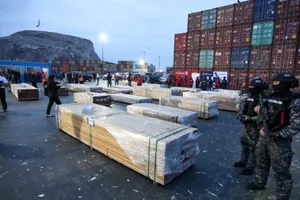
Chilean authorities have seized more than 100 tons of drug...
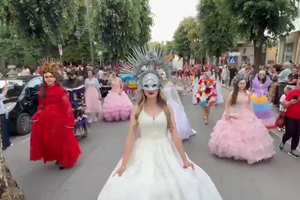
Korça has transformed this weekend into the capital of cel...

Korça is ready to open the summer season with one of the c...

Two years after his passing, the renowned Korçë poet Skënd...

The Ethnographic Museum of Berat has opened its doors to v...

Inflation has increased in May, rising to 3% compared to 2...
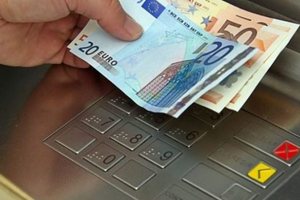
Exchange rate, June 8, 2026 This Tuesday, one US dollar is...
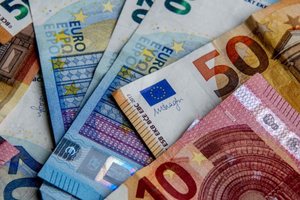
At the end of 2025, for all euro area members, more than 9...
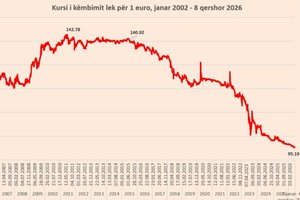
Kursi i këmbimit mes euros dhe lekut e ka nisur javën në r...