


Rama in prison, Berisha in prison!/ Democrats, wake up!
Rama in prison…!!!! Berisha in prison…???!!! Democrats.....

Rama in prison…!!!! Berisha in prison…???!!! Democrats.....


As winter approaches, many parents will be preparing for cold and flu season. Usually young children get sick about 6 times a year. In generations past, parents might look to cough syrup to relieve a dry or chest-blocking cough.
But now we know that cough syrups are not very effective in treating children's coughs. And amid mounting evidence of poisoning harm and deaths, many countries including Australia have restricted cough medicines. Therefore, they cannot be given to children under the age of 6.
But what does cough medicine contain? The active ingredients in cough syrups vary depending on their claimed benefit. They may contain cough suppressants (soothing the body's cough reflex), expectorants, and mucolytics (both of which help clear phlegm).
Other cold and flu medications often contain decongestants (to relieve a stuffy nose) and soothing antihistamines to reduce sneezing, stop runny noses, and aid sleep.
The most dangerous drugs are those with a sedative effect, such as sedative antihistamines or opioid-based cough suppressants. While sedation may be a desired effect for parents with a child who does not sleep, young children are especially at risk of serious harm or even death in extreme cases.
Also, sedatives can also cause agitation and hyperactivity. While cough syrups that do not contain sedatives are safer, there are very few studies on the safety and efficacy of these products in children. Adverse events, including agitation and psychosis, have been reported infrequently, especially with excessive use.
Overuse can result from parents misreading the label, overdosing in the hope it will work better, inadvertently giving extra doses, and using inaccurate measuring devices such as tablespoons.
Young children under the age of 2 are most at risk of a fatal overdose from cough syrups. But Australia's medicines regulator recommends against using cough syrups for any child under the age of 6. Therefore, there are no dosage instructions for children under 6 years old on the labels of these products.
Our study, published today in the Medical Journal of Australia, shows that limiting the use of cough and cold medicines in children results in a significant and sustained reduction in poisonings.
Our study looked at dosing errors, side effects at appropriate doses, and accidental "exploratory ingestions" by children. In 2020, warnings were placed on sedating antihistamines saying they should not be used for any reason in children under 2 years of age.
This resulted in a halving of emergency room calls and a halving of hospitalization rates. Despite this, hundreds of calls are still made to Australian poison centers each year about these products in young children.
Cough syrups can be used for children aged 6-11 years, however caution should still be exercised. These products should only be given in consultation with a doctor, pharmacist or nurse. Several herbal products are available and marketed for children such as Hedera helix.
But unfortunately there is no convincing evidence that these drugs significantly improve cough symptoms. But the risk of poisoning is low. Simple syrups that do not contain drugs can also be effective: up to 85 percent of the effectiveness of cough medicines is due to the "placebo effect".
The best thing you can do for your child is to give him rest and security. Antibiotics will only be needed if your doctor diagnoses you with acute bacterial pneumonia or a chronic cough due to a bacterial infection, such as prolonged bacterial bronchitis, whooping cough, or a lung abscess.
Paracetamol or ibuprofen can be used if they have fever and pain along with the cough. Check the correct dosage on the package for your child's weight and age. If your child is older than 12 months and has a wet cough (producing phlegm in the throat), consider giving them honey. There is growing evidence that honey can reduce mucus production and therefore the frequency of coughing.
Note: Rose Cairns, lecturer in pharmacy at the University of Sydney. Nial Wheate, associate professor of the School of Pharmacy at the University of Sydney./ Adapted from CNA.al


A delicate intervention was successfully carried out in th...

It is likely that the smartphone on which you are reading ...

It is not only work that brings stress, but also the lack...

Cold water diving is definitely an activity that divid...

Academics from the University of Cambridge have reveal...

If you've ever woken up in the morning after drinking ...

Bota po përballet me ndryshime demografike të mëdha. P...
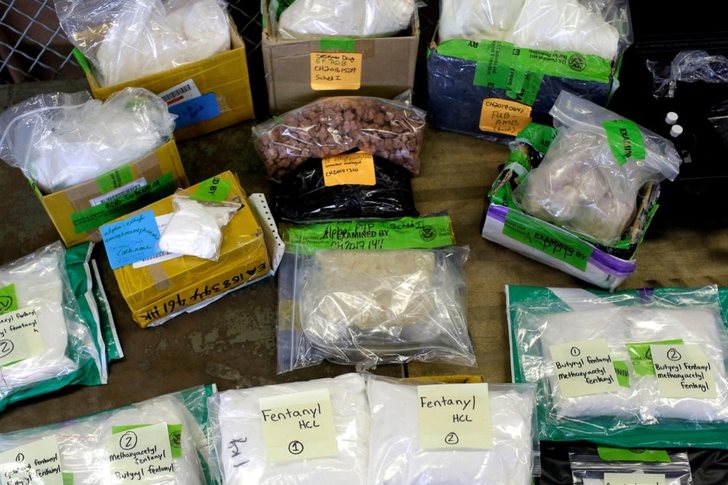
The US Centers for Disease Control and Prevention say the ...

Talking on a cell phone for 30 minutes or more during ...
Covid-19 is no longer a global health emergency, the World...

This story begins in an unusual place for an article a...

The effects of vaccines are being taken very seriously...

Widespread loneliness in the United States poses as deadly...

Organizata Botërore e Shëndetësisë (OBSH) po monitoron...

In Albania, the Tirana prosecutor's office is expected to ...

The Minister of Health and Social Protection, Ogerta M...

Disa nga dietat ushqimore më të famshme në botë, janë gjit...

Në Kuadër të Javës Evropiane të Imunizimit, Ministrja ...

Beer is rich in nutrients such as amino acids, carbohy...

For those who can't resist fries, the news is not good. F...

Dritan Prençi is the SPAK prosecutor who is sleeping on th...

The in-depth investigations that SPAK conducted into Ajola...

SPAK's standards, the way it investigates, how it secures ...

Irfan Hysenbelliu claims to be a big businessman, an hones...

The Special Board of Appeal (KPA) decided this Monday ...

The KPA vetting decided this Thursday to dismiss the p...

Suela Salavaçi, a prosecutor in the Prosecutor's Offic...

The Special Board of Appeal reinstated the prosecutor ...

New details have emerged regarding the murder that occurre...

The State Police has revealed details from the operation i...

A serious road accident occurred this morning on the Vlora...

Other details have been revealed from the crime that occur...

Intense rainfall has caused numerous problems in the Radom...

Today our country will be affected by relatively unstable ...

On Monday, our country will be affected by relatively stab...

More than 860 million people fall ill and 1.5 million die ...

Israeli military forces have launched new attacks on the c...

Just two days after the early parliamentary elections were...

In 2025, 65 conflicts involving at least one state were re...

Historiani i njohur amerikan Gordon S. Wood, fitues i çmim...

Korça has transformed this weekend into the capital of cel...

Korça is ready to open the summer season with one of the c...

Two years after his passing, the renowned Korçë poet Skënd...

The Ethnographic Museum of Berat has opened its doors to v...

Inflation has increased in May, rising to 3% compared to 2...

Exchange rate, June 8, 2026 This Tuesday, one US dollar is...

At the end of 2025, for all euro area members, more than 9...

Kursi i këmbimit mes euros dhe lekut e ka nisur javën në r...