


Rama in prison, Berisha in prison!/ Democrats, wake up!
Rama in prison…!!!! Berisha in prison…???!!! Democrats.....

Rama in prison…!!!! Berisha in prison…???!!! Democrats.....

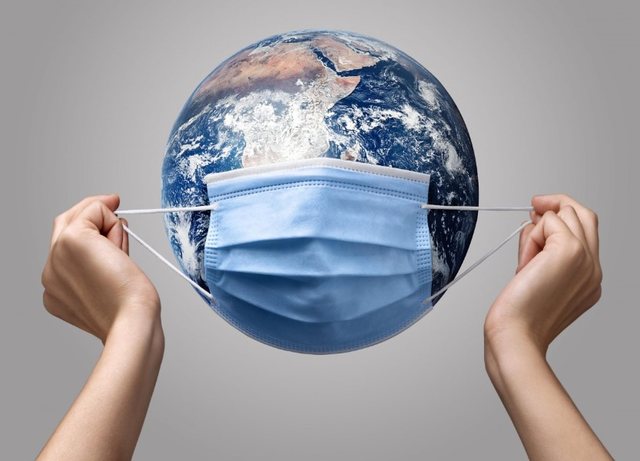
None of us want to experience anything like the Covid-19 pandemic again. But the reality is that the next pandemic is approaching. The sad fact is that there are currently many other pathogens that have the potential to cause even greater damage.
Three years after the official declaration of the worst pandemic in living memory, we are still feeling the effects. More than 6.8 million people have died, 1.6 billion pupils and students stopped their education, while according to IMF estimates published last year, by 2024 the global economy will have lost more than 12.5 trillion dollars.
Covid-19 took a toll on incomes, health services, mental health and the education of our children. Therefore , we must do our best so that this never happens again. When another pandemic will appear is simply a matter of time, not whether or not there will be one.
Laboratory modeling suggests that we may have a 38 percent chance of experiencing another pandemic in our lifetime. And that's a big risk to take. But this risk is only a matter of time. Experiencing one pandemic doesn't lessen the threat of another, and it doesn't mean it can't happen this year or next.
One thing is clear: despite everything we have learned, we are not prepared to face the next pandemic. We are even seeing funding cuts to our health security infrastructure.
The public also agrees with this. The Yougov poll, published on April 13, found that more than half (59 percent) of the British public think UK politicians are not taking the threat of future pandemics seriously.
More broadly still, there is a consensus that world leaders must also do more. In the same poll, more than three-quarters of the British public (77 percent) think that governments around the world should invest more in the ability of their healthcare system to respond to a future pandemic.
Meanwhile, 72 percent think the British government should work more with other governments to prevent the spread of disease around the world. Baroness Hallet's study of the pandemic will no doubt provide vital lessons for the future of how public policy is developed in Britain.
Meanwhile, many of us public health experts are already thinking more closely about how we can reimagine our health care systems so they can transform to meet future pandemics. So what should we do?
What we need is an "always-on" approach to creating more resilient health systems that have the capacity to deliver routine clinical care at normal times and are able to respond rapidly to respond to the next pandemic.
We can integrate genomic sequencing and surveillance into routine patient care, improve diagnosis and help tailor treatment, while maintaining our ability to proactively identify future pathogenic threats.
We can harness the power of new adult vaccines and prophylactic shots to prevent disease and save lives, while keeping our manufacturing and distribution infrastructure ready and prepared to produce new vaccines for the next pandemic.
Creating an economically viable model for a global health architecture that is "always on" can improve life during "peacetime", and ensure we are properly prepared for the next global health crisis.
To realize this vision and drive progress, we must adopt the same mission-focused approach we saw in response to Covid-19, with clear targets, funding and resources to support delivery and adoption by global government bodies.
The Global Health Security Consortium's One Shot campaign is an example of this mission-based approach. It aims to create a global disease prevention program focused on the routine distribution of adult vaccines and new prophylactics, which have the potential to save up to 10 million lives each year.
And by making more use of existing and future vaccines, the campaign will create higher and more predictable demand, leading to a healthy, self-sustaining global vaccine market, with manufacturing capacity spread across countries with low and middle income, and to be able to respond rapidly to future pandemic threats.
We need that capacity now to deal with the devastating disease threats we already know and understand, and when new disease threats inevitably emerge. This month, with colleagues from the Global Health Security Consortium, we are bringing together global health experts and political leaders at the Rhodes Policy Summit to consider how to prepare to avoid a repeat of the devastating events of 2020.
But what can we learn from Covid-19 and its spread in the early stages? How can early policy responses in different countries compare? And what were the reasons for the collective failure to accelerate access to life-saving technologies for the most vulnerable populations during this crisis?
An "always vigilant" approach would ensure the world has the right tools, from vaccines to clinical research infrastructure, that can predict the spread of disease, and respond quickly to save lives. We must consider worst-case pandemic scenarios, and drive sustained political focus and investment from governments, global health organizations and industry on pandemic preparedness.
In a world where attention is rightly focused on the rising cost of living, international conflicts and energy crises, it would be easy for us to focus on returning to business as usual, to consider Covid-19 as a crisis that it happens once in a generation and is now a thing of the past.
Unfortunately, disease does not obey any laws or regulations. It has nothing to do with time, distance or boundaries. The good news is that we have improved our knowledge and ability to spot these threats and respond. The next pandemic could be even more devastating than the last one. We must be in a constant state of readiness for the next major health crisis. If we do not act now, we will not be spared.
Note: John Bell, professor of Medicine at the University of Oxford and chairman of the "Rhodes Trustees"./ Adapted from CNA.al


It is known that a high body mass index (BMI) has nega...
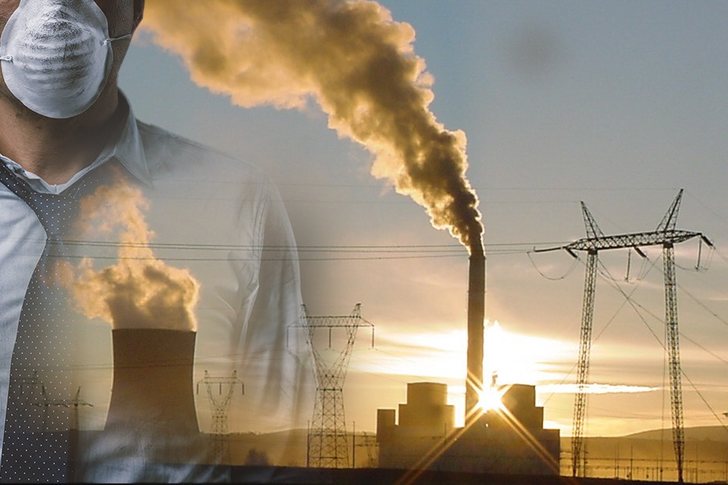
From birth to old age, air pollution damages our health...
Nearly 200 lawsuits have been filed in Germany against...
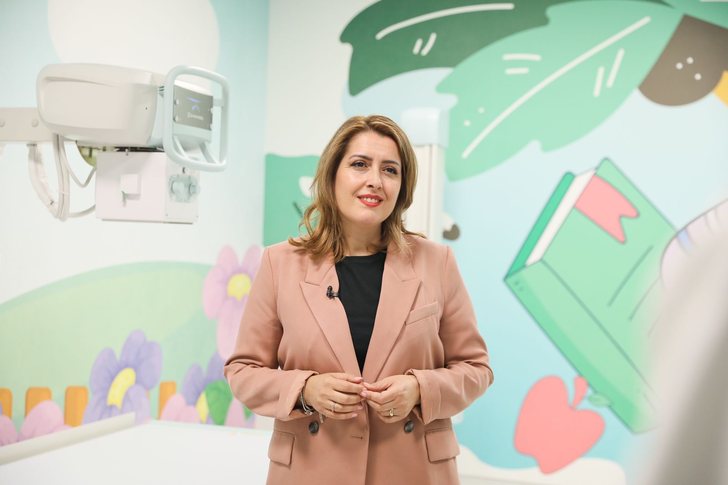
The imaging fleet in the new Pediatric Hospital at QSU...
In the Faculty of Medicine, the selection process of branc...
PulmOne is the innovation of medical technology, which wil...
The collective effort to improve cancer treatment is o...

Shëndeti mendor paraqet një nga sfidat më të mëdha në shoq...
Dr. Paul Burton, doctor of the pharmaceutical company Mode...

Get enough sleep A bad night's rest doesn't just disr...
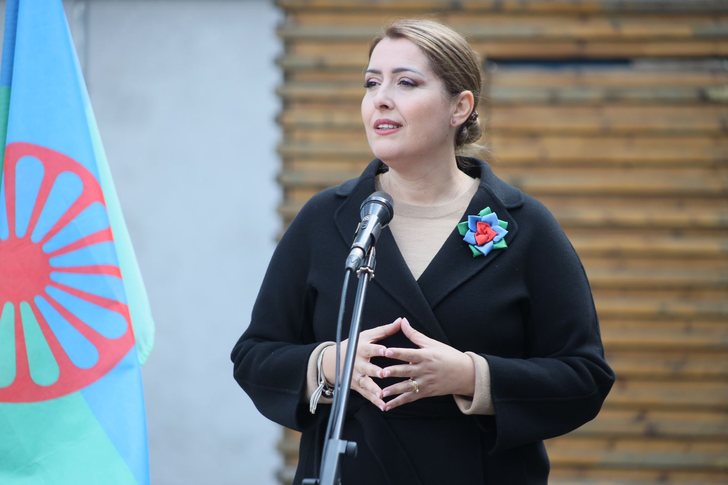
On International Roma Day, an activity was held at the...
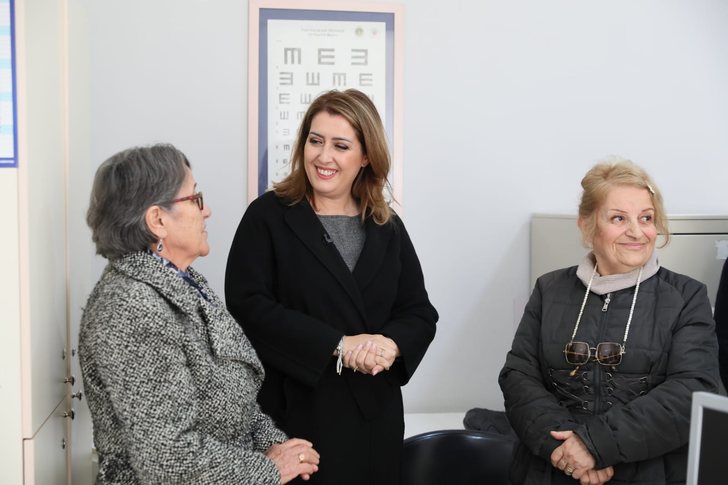
On World Health Day, the Minister of Health and Social...

A recent study has shown 45 negative effects on human ...
Humans could reach 140 before this century is out, sci...
The development of technology has made it possible for...
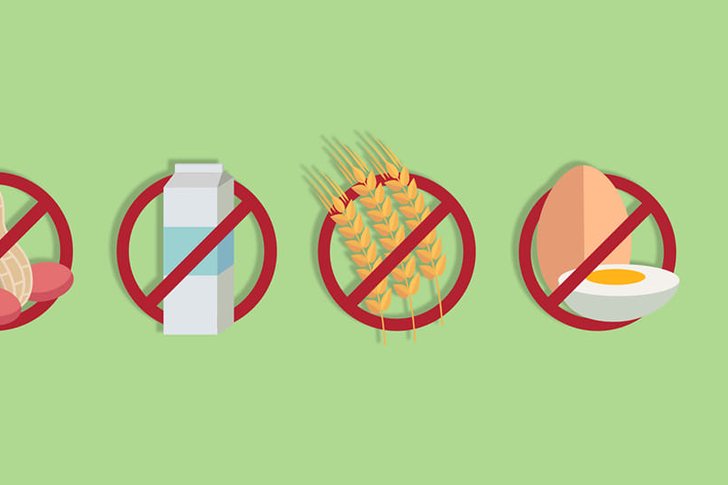
It is common to develop sensitivities to certain foods as ...
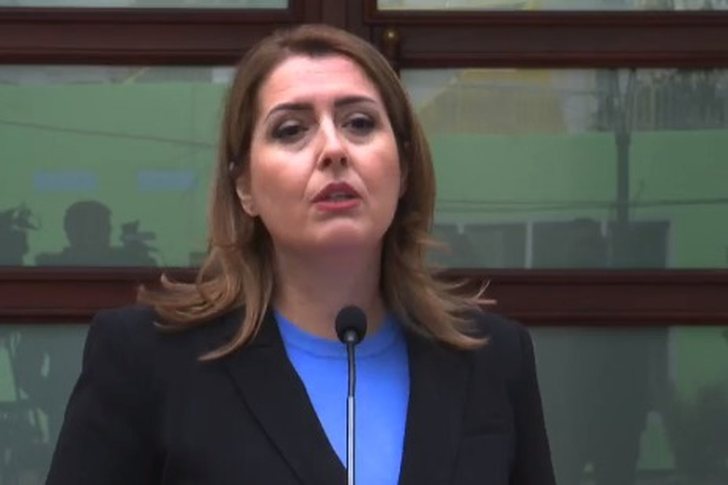
Miratohet në Këshillin e Ministrave vendimi për indeksimin...
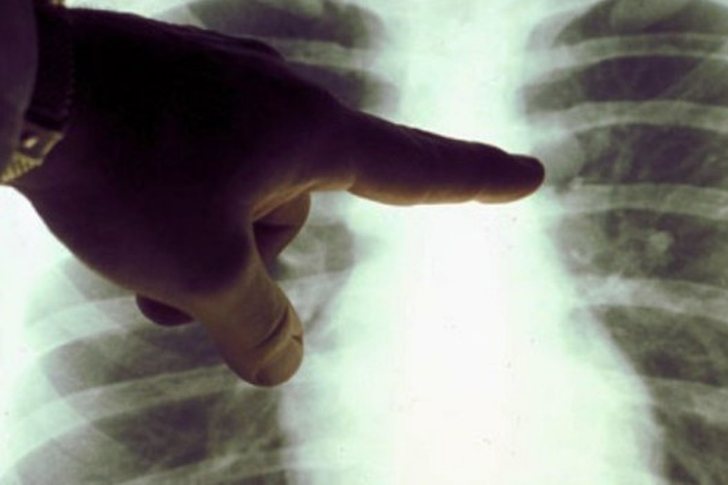
Ndonjëherë ftohja mund të kthehet në bronshit. Prandaj ësh...

Nëse vuani nga dhimbjet kronike të kokës, kushtojini v...

The health benefits of dates include relieving constipatio...

Dritan Prençi is the SPAK prosecutor who is sleeping on th...

The in-depth investigations that SPAK conducted into Ajola...
SPAK's standards, the way it investigates, how it secures ...

Irfan Hysenbelliu claims to be a big businessman, an hones...

The Special Board of Appeal (KPA) decided this Monday ...

The KPA vetting decided this Thursday to dismiss the p...

Suela Salavaçi, a prosecutor in the Prosecutor's Offic...

The Special Board of Appeal reinstated the prosecutor ...

New details have emerged regarding the murder that occurre...

The State Police has revealed details from the operation i...

A serious road accident occurred this morning on the Vlora...

Other details have been revealed from the crime that occur...

Intense rainfall has caused numerous problems in the Radom...

Today our country will be affected by relatively unstable ...

On Monday, our country will be affected by relatively stab...
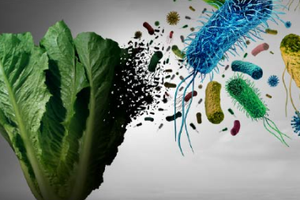
More than 860 million people fall ill and 1.5 million die ...

Israeli military forces have launched new attacks on the c...

Just two days after the early parliamentary elections were...
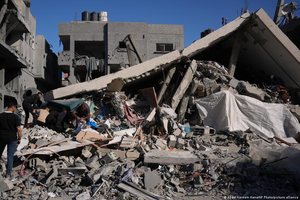
In 2025, 65 conflicts involving at least one state were re...
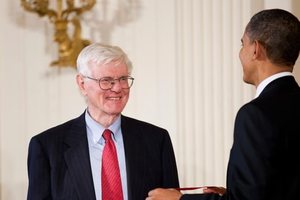
Historiani i njohur amerikan Gordon S. Wood, fitues i çmim...

Korça has transformed this weekend into the capital of cel...

Korça is ready to open the summer season with one of the c...

Two years after his passing, the renowned Korçë poet Skënd...

The Ethnographic Museum of Berat has opened its doors to v...

Inflation has increased in May, rising to 3% compared to 2...

Exchange rate, June 8, 2026 This Tuesday, one US dollar is...

At the end of 2025, for all euro area members, more than 9...
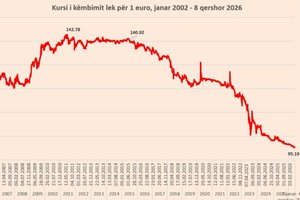
Kursi i këmbimit mes euros dhe lekut e ka nisur javën në r...