


Bad weather in Debar, flooding in Radomirë, the stream takes away livestock
Intense rainfall has caused numerous problems in the Radom...

Intense rainfall has caused numerous problems in the Radom...

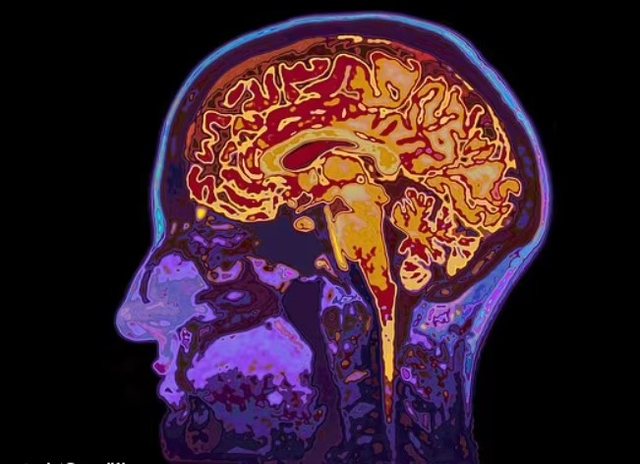
Academics from the University of Cambridge have revealed that they are looking for "people with a super-memory". It's about people who have an excellent memory and who want to participate in a study that may reveal why some have a stronger memory than others.
But this ability of theirs may not just be due to innate ability, because there are some things you can do that have been scientifically proven to help improve your memory. Here are some of the main measures that are advised:
Dark chocolate
A 2021 study found that flavanols—plant chemicals that are abundant in cocoa beans—improved performance during a task of memorizing a list of things in people aged 50-75.
They belong to a group of compounds called polyphenols, which are also found in abundance in red wine, tea, olive oil, onions, leeks, broccoli and blueberries.
Flavanols are bioactive food compounds that protect cognitive memory aging, improve cognitive performance and promote blood flow to the brain. The researchers recruited people aged 50-75 who were given a supplement containing varying levels of cocoa flavanols every day for 12 consecutive weeks.
At the beginning and end of the study, participants completed a series of cognitive tests to assess their thinking and memory, and one group underwent magnetic resonance imaging (MRI) scans to measure blood flow in the brain.
It was found that the diet supplemented with cocoa flavanols appeared to improve performance only in a working memory task of learning a list of things.
Sun shine
Spending more time in the sun can help strengthen your short-term memory. In 2021, experts at the University of Bradford looked at how mice performed on memory tests when exposed to long and short 'photoperiods', i.e. periods of exposure to light.
They found a significant link between poor memory and a short duration of sun exposure, similar to what people experience during the winter season.
Experts say it's likely these results hold true for humans too, suggesting we're more likely to forget things during the long winters.
sex
A 2014 study from the University of Maryland found that middle-aged rats made more new brain cells, or neurons, after mating. These neurons were located in the hippocampus, where long-term memories are formed. This stimulation of adult neurogenesis—or the development of neurons—is thought to restore cognitive function.
Meanwhile, scientists found that after ceasing sexual activity, improvements in brain power were reversed.
These results were supported by a separate study from McGill University in Montreal, Canada, in 2016. Researchers recruited 78 young women aged 18-29, asked them about their sex lives and asked them to perform a series of tests of memory.
The results revealed that those who reported more frequent intercourse had the highest scores on the test. But it's not just young women who benefit from increased brain power after intercourse.
In 2016, experts at Coventry University found that men and women in their 50s, 60s and 70s who had an active sex life were less at risk of dementia.
I walked backwards
A surprising 2018 study found that people who walk backwards perform better on a memory test than those who walk forward. Researchers from the University of Southampton asked 114 volunteers to watch a video, and then answer a questionnaire about what they could remember.
After watching the video, the participants were divided into groups. One was asked to walk forward or backward 10 meters while a control group stood still. It was found that the group who walked backwards had more correct answers to the questionnaire than those who walked forward and those who did not walk.
The team considered this to be an indication of a connection between the concepts of "time" and "space" that is central to how our minds form memories.
Celery
Many people may not like it, but it contains an ingredient that enhances memory.
A team from the University of Illinois studied in 2010 the effects of luteolin, which is also found in peppers, on the brain and behavior of rats.
They were fed a control diet or a luteolin-supplemented diet for 4 weeks, and then tested on learning and memory tasks.
It was found that older mice fed a luteolin-supplemented diet performed better than their peers.
Classical music
Researchers from Rome's La Sapienza University used EEG machines to record the electrical brain activity of participants in a study. "For Eliza" by Beethoven.
They found that after listening to Moxarti, participants showed an increase in brain wave activity associated with memory, understanding and problem solving./ Adapted from CNA.al


If you've ever woken up in the morning after drinking ...
Bota po përballet me ndryshime demografike të mëdha. P...
The US Centers for Disease Control and Prevention say the ...
Talking on a cell phone for 30 minutes or more during ...
Covid-19 is no longer a global health emergency, the World...

This story begins in an unusual place for an article a...
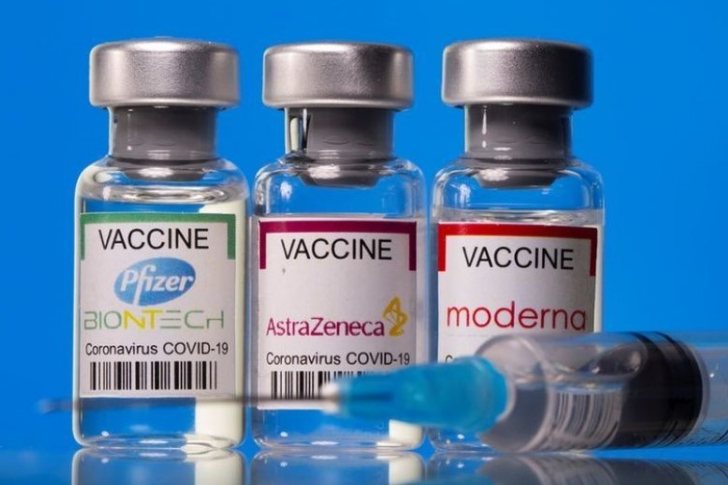
The effects of vaccines are being taken very seriously...
Widespread loneliness in the United States poses as deadly...

Organizata Botërore e Shëndetësisë (OBSH) po monitoron...
In Albania, the Tirana prosecutor's office is expected to ...
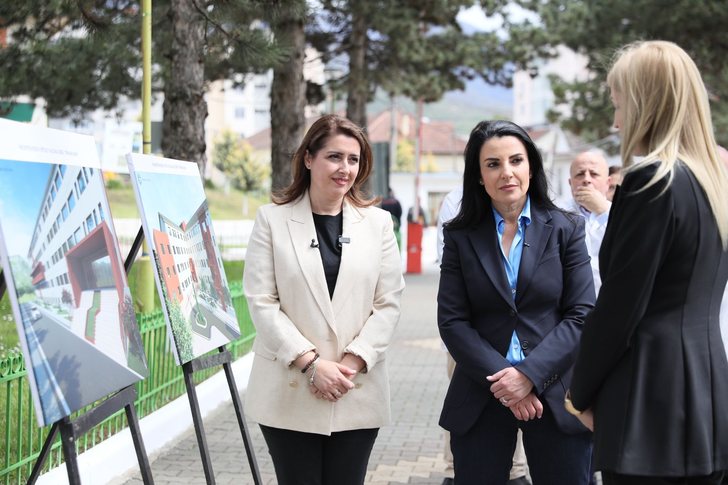
The Minister of Health and Social Protection, Ogerta M...
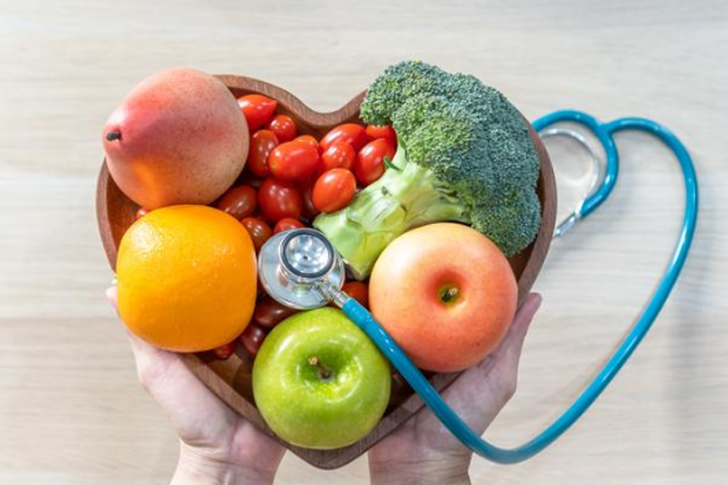
Disa nga dietat ushqimore më të famshme në botë, janë gjit...
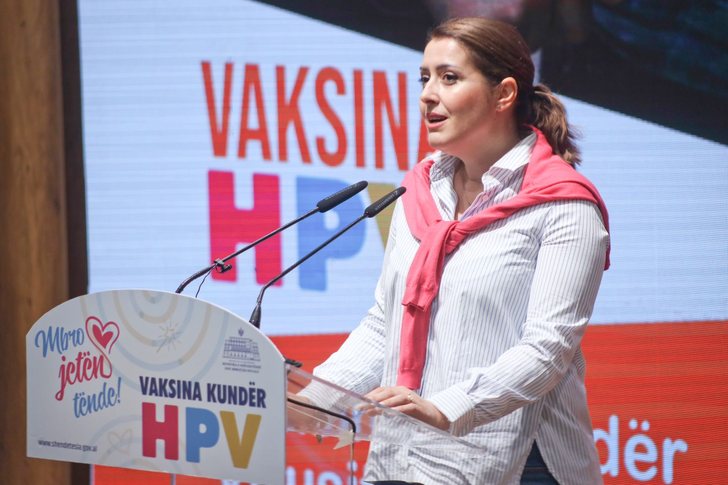
Në Kuadër të Javës Evropiane të Imunizimit, Ministrja ...
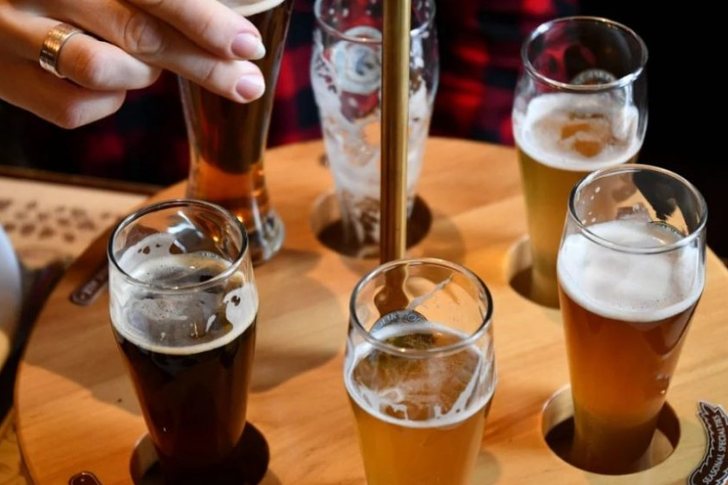
Beer is rich in nutrients such as amino acids, carbohy...
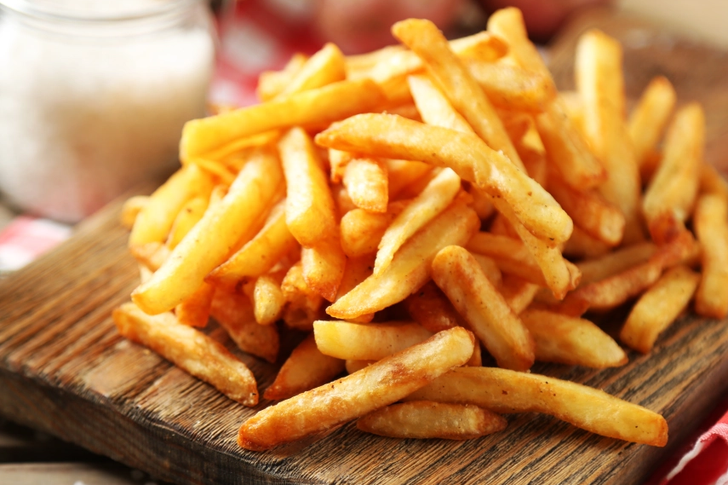
For those who can't resist fries, the news is not good. F...
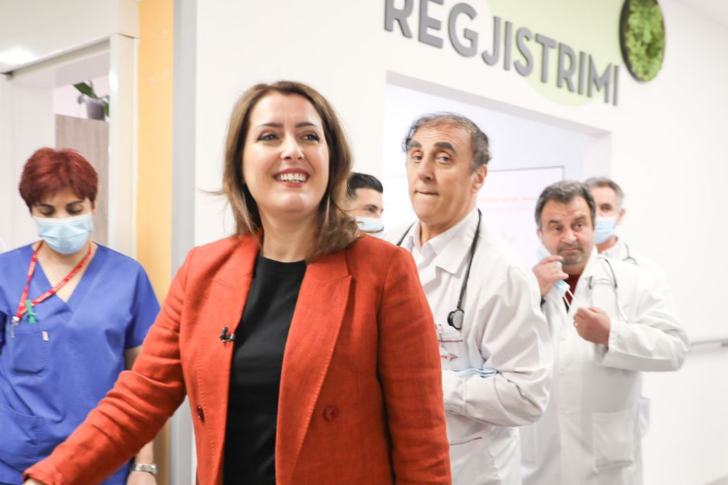
The Multipurpose Emergency is opened at the Central Hospit...
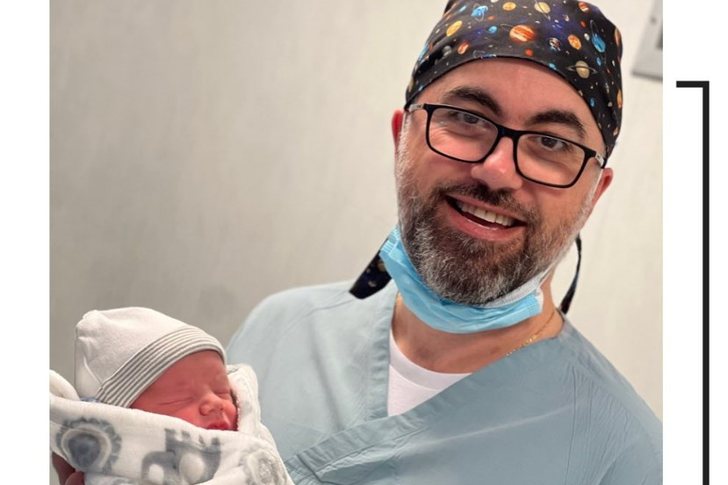
The In Vitro Fertilization team at the American Hospital h...
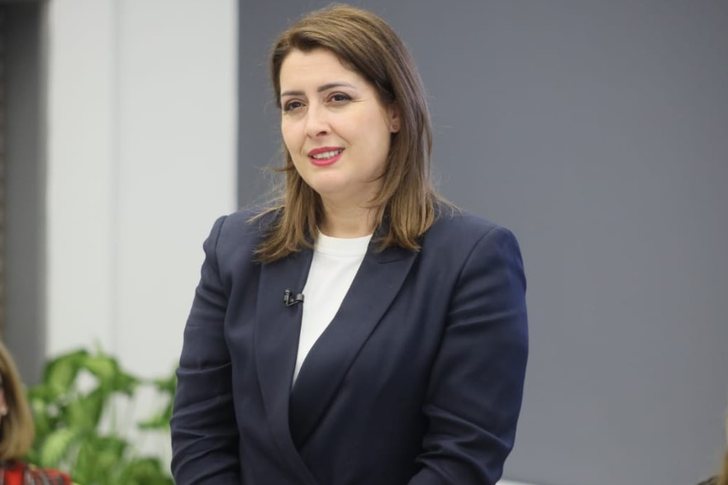
The Minister of Health and Social Protection, Ogerta M...
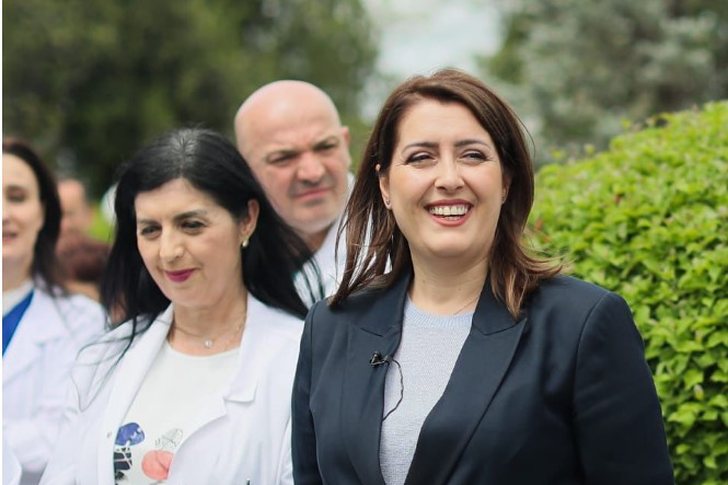
After the "Mother Teresa" University Hospital Center, ...
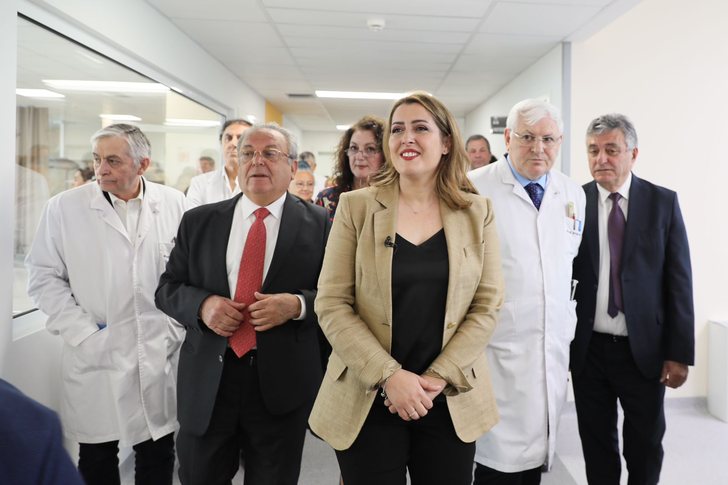
The Cardiology Service is opened at the Central Hospital a...

The in-depth investigations that SPAK conducted into Ajola...
SPAK's standards, the way it investigates, how it secures ...

Irfan Hysenbelliu claims to be a big businessman, an hones...

The murder of officer Enea Mekolli in the line of duty has...

The Special Board of Appeal (KPA) decided this Monday ...

The KPA vetting decided this Thursday to dismiss the p...

Suela Salavaçi, a prosecutor in the Prosecutor's Offic...

The Special Board of Appeal reinstated the prosecutor ...

The State Police has revealed details from the operation i...

A serious road accident occurred this morning on the Vlora...

Other details have been revealed from the crime that occur...
Policia e Tiranës ka ndarë pak minuta më parë një thirrje ...
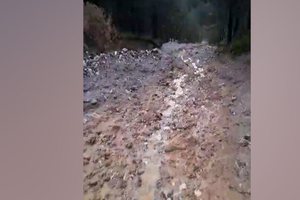
Intense rainfall has caused numerous problems in the Radom...
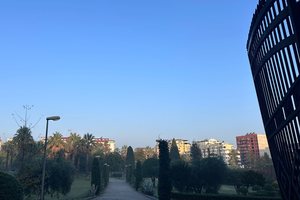
Today our country will be affected by relatively unstable ...
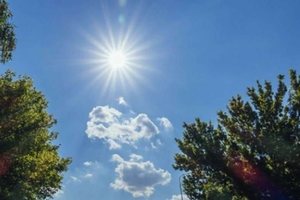
On Monday, our country will be affected by relatively stab...
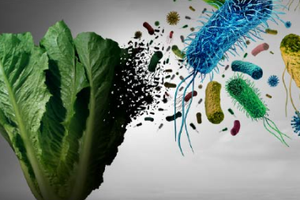
More than 860 million people fall ill and 1.5 million die ...

In 2025, 65 conflicts involving at least one state were re...
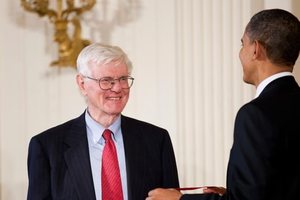
Historiani i njohur amerikan Gordon S. Wood, fitues i çmim...

Germany and France finally ended the joint project to deve...

Chilean authorities have seized more than 100 tons of drug...

Korça has transformed this weekend into the capital of cel...

Korça is ready to open the summer season with one of the c...

Two years after his passing, the renowned Korçë poet Skënd...

The Ethnographic Museum of Berat has opened its doors to v...
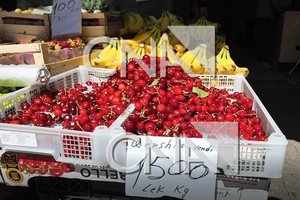
Inflation has increased in May, rising to 3% compared to 2...

Exchange rate, June 8, 2026 This Tuesday, one US dollar is...
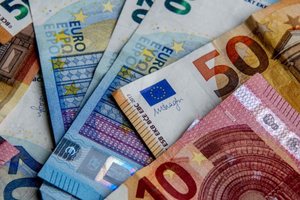
At the end of 2025, for all euro area members, more than 9...
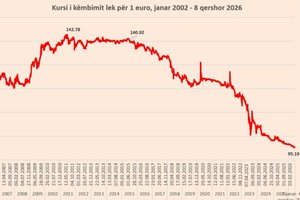
Kursi i këmbimit mes euros dhe lekut e ka nisur javën në r...