


Rama in prison, Berisha in prison!/ Democrats, wake up!
Rama in prison…!!!! Berisha in prison…???!!! Democrats.....

Rama in prison…!!!! Berisha in prison…???!!! Democrats.....

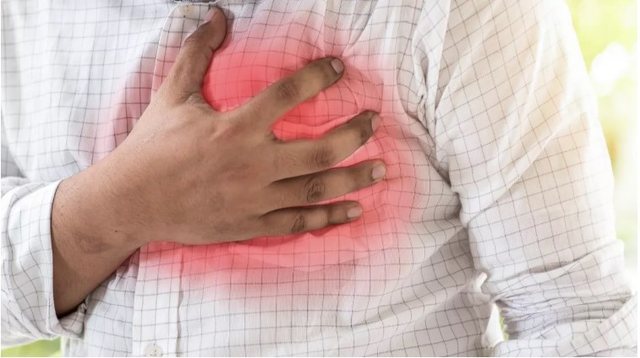
A heart attack, or myocardial infarction, occurs when blood flow to a part of the heart muscle (myocardium) is blocked, and that part of the organ does not receive enough blood. When their blood supply is reduced, the muscle cells in the heart are damaged and die.
The longer it goes without blood circulation, the greater the damage to the heart muscle. According to the American Heart Association, heart attacks are most often caused by blockages in the arteries that supply blood to the heart muscle.
Plaque buildup in these arteries is known as coronary artery disease, the most common type of heart disease in the US. Every year, about 805,000 people in the United States alone suffer a heart attack. According to the Centers for Disease Control and Prevention (CDC), 1 in 5 heart attacks are "silent," meaning they go unnoticed because there are no obvious symptoms, such as chest pain. or shortness of breath
Harvard Health says that silent heart attacks tend to affect men more than women. Nearly 12 percent of American adults who experience a heart attack die within a month of the event, according to a 2019 study published in the journal JAMA Network Open.
But heart attack should not be confused with cardiac arrest. The first is caused by impaired blood circulation, while cardiac arrest occurs when the heart suddenly stops beating due to an electrical malfunction in this organ.
A heart attack is a medical emergency that can be experienced within minutes or hours. But the groundwork for that event was laid years or decades in advance. The heart is a muscular organ. The average adult's heart beats 100,000 times a day, pumping about 5.7 liters of oxygenated and nutrient-rich blood through the body every minute.
First, blood travels from the heart to the lungs where it is re-oxygenated, before returning to the heart to be pumped into the arteries and then to supply oxygen and nutrients to the brain, digestive system and other body tissues.
Often before a heart attack, the 2 main coronary arteries that supply oxygen and nutrients to the heart muscle become narrowed over the years, mainly due to atherosclerosis, a build-up of fatty plaques in the arterial walls.
Atherosclerotic plaques are hard on the outside and soft on the inside, and cause hardening of the arteries. Sometimes, the hard outer surface of the plaques can crack, and blood components called platelets stick to this crack, forming blood clots, which further narrow the artery.
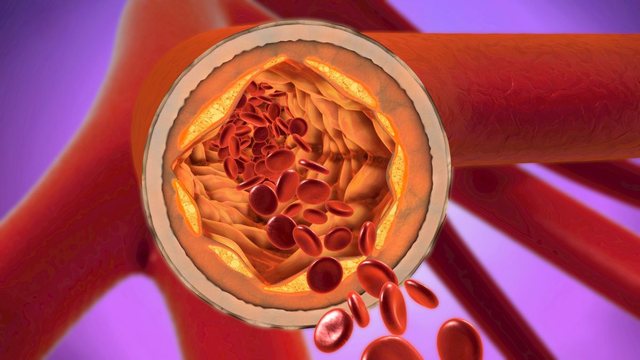
If the arteries are already narrowed due to years of atherosclerosis, the clot can completely block the blood supply downstream of the heart. Meanwhile, pieces of the plaque can break off and move through the artery, causing the blockage to expand rapidly. Such blockages can lead to a heart attack, and within minutes the muscle cells in the heart begin to be damaged and die.
In a rarer occurrence, a spasm or sudden contraction of the coronary artery walls can block blood flow to the myocardium and cause a heart attack. These spasms occur more often in people who smoke and those with high cholesterol or high blood pressure. But spasms can sometimes be caused by heavy consumption of alcohol or narcotics.
According to the US CDC the warning signs of a heart attack include:
Chest pain or discomfort. Most heart attacks include a feeling of uncomfortable pressure in this part of the body, pain in the center or on the left side of it. This discomfort usually lasts for more than a few minutes before fading, or sometimes, it comes, goes away, and then comes back.
Pain or discomfort in other areas of the upper body, such as the jaw, neck, back, arms, or shoulders.
Difficulty breathing.
Feeling of physical weakness or fainting.
Unusual or unexplained fatigue.
Nausea or vomiting.
Heart attack symptoms can differ between men and women, although chest pain or discomfort is the main symptom for both sexes. However, women are more likely to experience other symptoms that are usually less related to a heart attack, such as unusual or unexplained fatigue and vomiting.
Heart attacks are more common in the winter months, compared to other times of the year, and they can be triggered by physical and emotional factors, such as vigorous exercise, fear or extreme anger. Genetic factors, smoking and a sedentary lifestyle can also increase the risk of a heart attack. Long-term exposure to air pollution can also increase the risk of heart attacks.
The first treatment for a heart attack involves removing the blood clot or plaque blocking the artery to limit damage to the heart muscle. Time is an essential factor. If a patient gets to the hospital quickly, doctors can restore the heart's blood supply and prevent or limit damage.
Blood flow can be restored through angioplasty (a non-invasive non-surgical procedure used to widen narrowed or blocked arteries), stenting (inserting a small mesh tube that keeps weak or narrowed arteries open ) or coronary artery bypass grafting (an open-heart operation used to restore blood flow in cases of severe heart attacks).
Patients may also be given medications to prevent further blood clotting, such as aspirin. Additional treatments may include nitroglycerin, or nitrates, which improve blood flow in the coronary arteries and relieve chest pain, as well as thrombolytic drugs, which help dissolve blood clots.

In the "Koço Gliozheni" maternity hospital, for the first ...
As winter approaches, many parents will be preparing f...
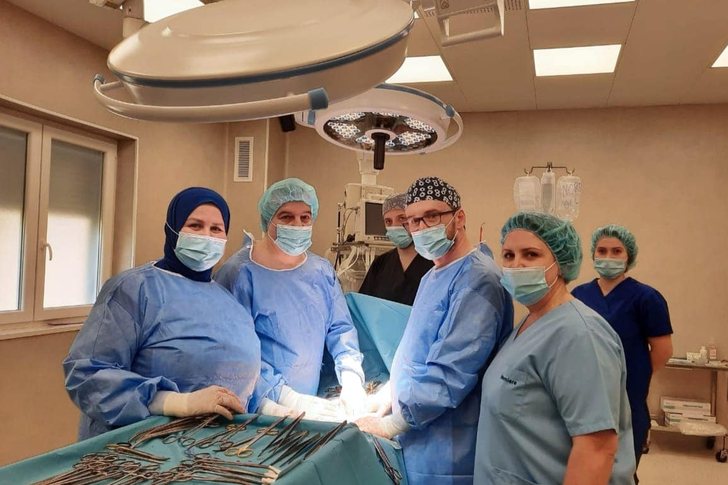
A delicate intervention was successfully carried out in th...

It is likely that the smartphone on which you are reading ...

It is not only work that brings stress, but also the lack...

Cold water diving is definitely an activity that divid...
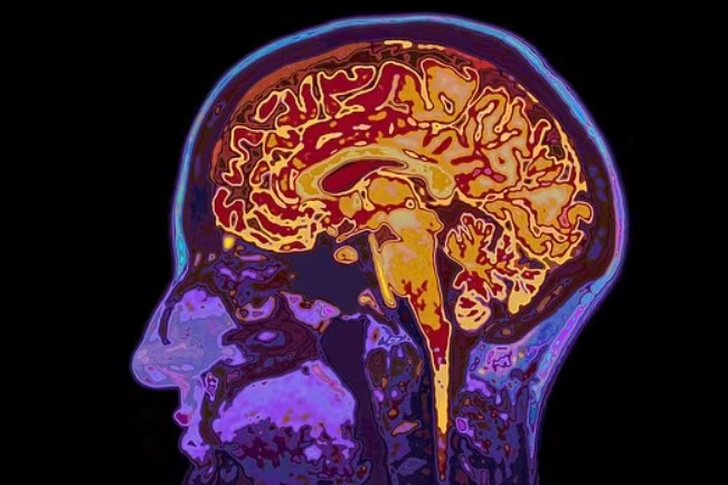
Academics from the University of Cambridge have reveal...

If you've ever woken up in the morning after drinking ...
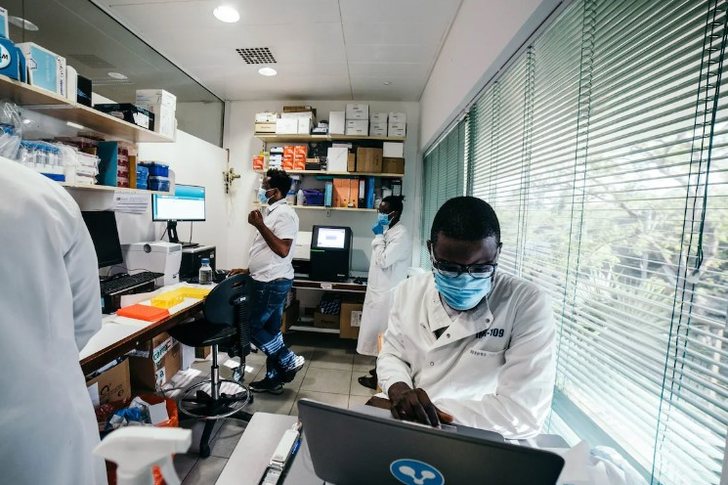
Bota po përballet me ndryshime demografike të mëdha. P...
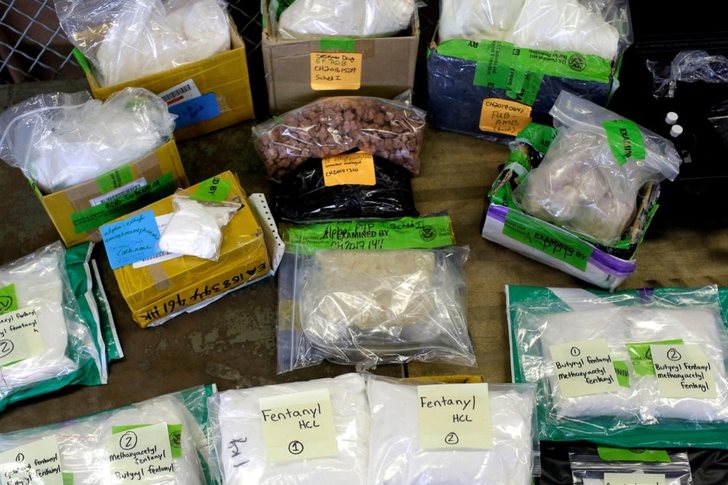
The US Centers for Disease Control and Prevention say the ...

Talking on a cell phone for 30 minutes or more during ...
Covid-19 is no longer a global health emergency, the World...

This story begins in an unusual place for an article a...
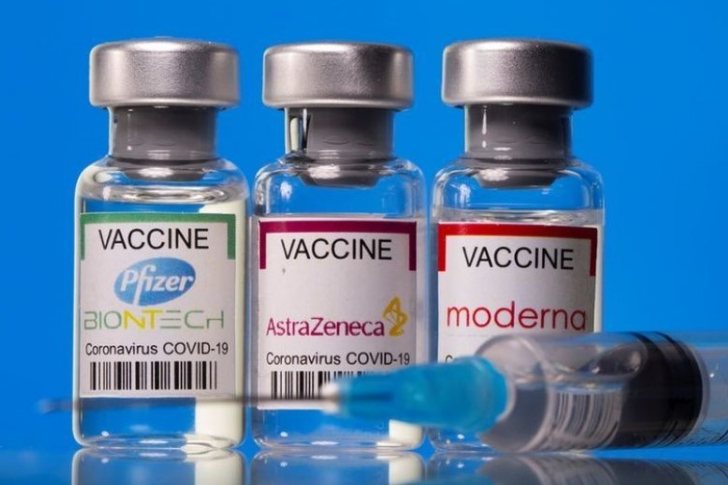
The effects of vaccines are being taken very seriously...

Widespread loneliness in the United States poses as deadly...
Organizata Botërore e Shëndetësisë (OBSH) po monitoron...
In Albania, the Tirana prosecutor's office is expected to ...
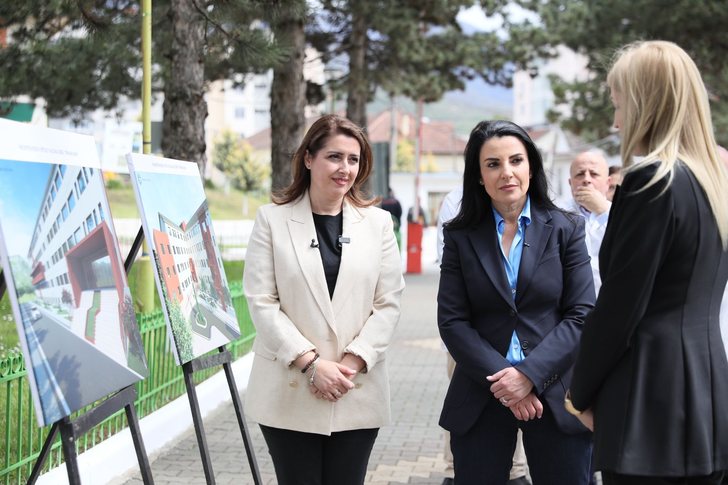
The Minister of Health and Social Protection, Ogerta M...
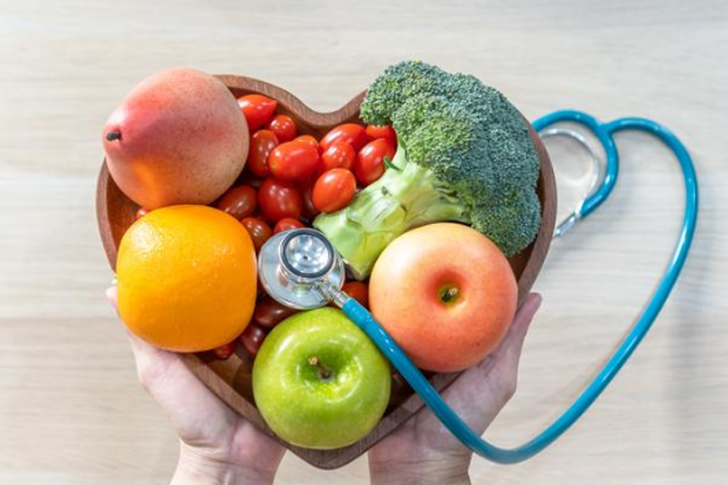
Disa nga dietat ushqimore më të famshme në botë, janë gjit...
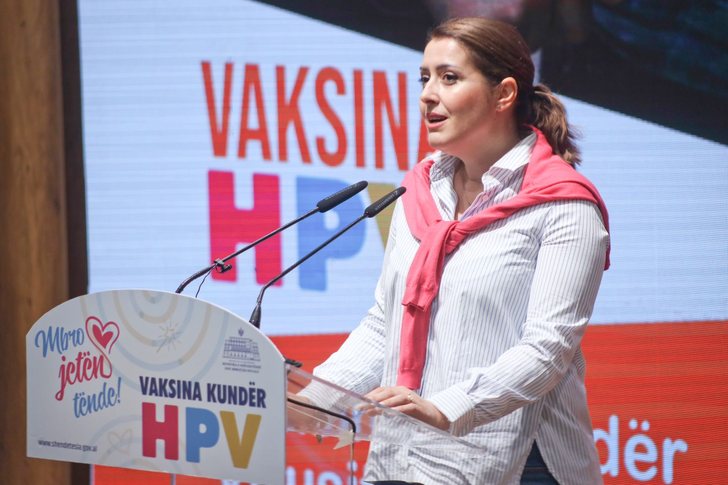
Në Kuadër të Javës Evropiane të Imunizimit, Ministrja ...
Dritan Prençi is the SPAK prosecutor who is sleeping on th...
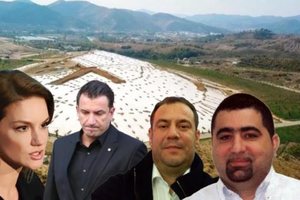
The in-depth investigations that SPAK conducted into Ajola...
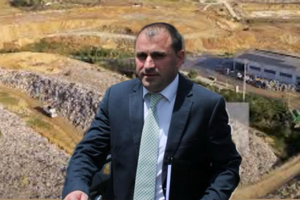
SPAK's standards, the way it investigates, how it secures ...

Irfan Hysenbelliu claims to be a big businessman, an hones...

The Special Board of Appeal (KPA) decided this Monday ...

The KPA vetting decided this Thursday to dismiss the p...

Suela Salavaçi, a prosecutor in the Prosecutor's Offic...

The Special Board of Appeal reinstated the prosecutor ...
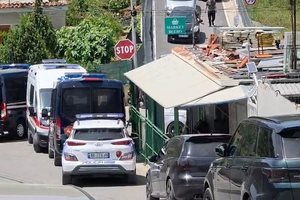
New details have emerged regarding the murder that occurre...

The State Police has revealed details from the operation i...

A serious road accident occurred this morning on the Vlora...
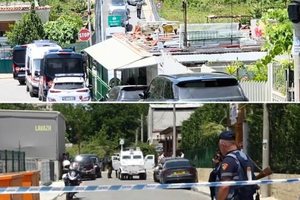
Other details have been revealed from the crime that occur...

Intense rainfall has caused numerous problems in the Radom...
Today our country will be affected by relatively unstable ...
On Monday, our country will be affected by relatively stab...
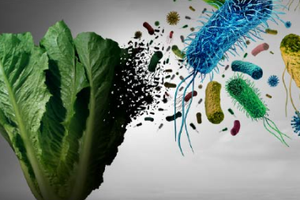
More than 860 million people fall ill and 1.5 million die ...
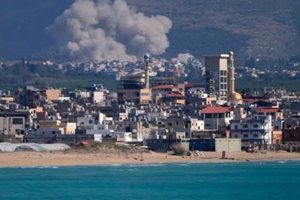
Israeli military forces have launched new attacks on the c...

Just two days after the early parliamentary elections were...
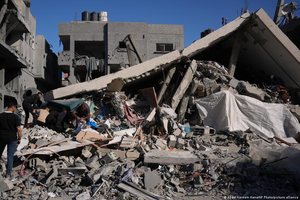
In 2025, 65 conflicts involving at least one state were re...
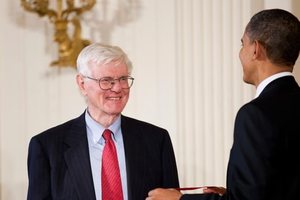
Historiani i njohur amerikan Gordon S. Wood, fitues i çmim...

Korça has transformed this weekend into the capital of cel...
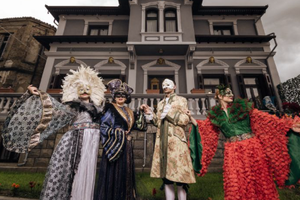
Korça is ready to open the summer season with one of the c...
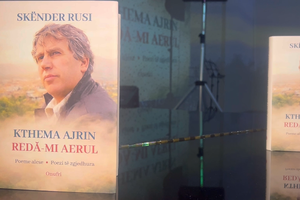
Two years after his passing, the renowned Korçë poet Skënd...

The Ethnographic Museum of Berat has opened its doors to v...
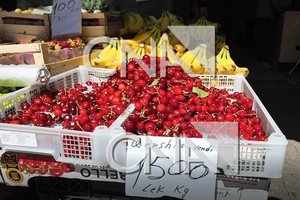
Inflation has increased in May, rising to 3% compared to 2...

Exchange rate, June 8, 2026 This Tuesday, one US dollar is...

At the end of 2025, for all euro area members, more than 9...
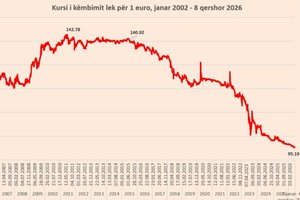
Kursi i këmbimit mes euros dhe lekut e ka nisur javën në r...