

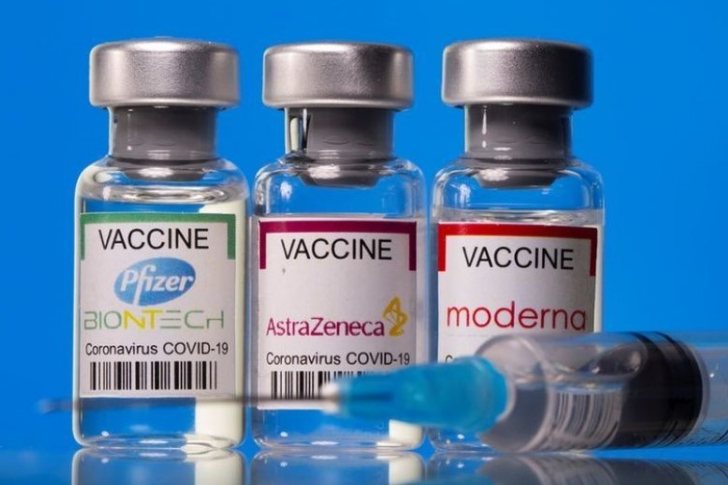
Consequences of vaccines against Covid 19/ The first lawsuits are registered in Germany
The effects of vaccines are being taken very seriously...


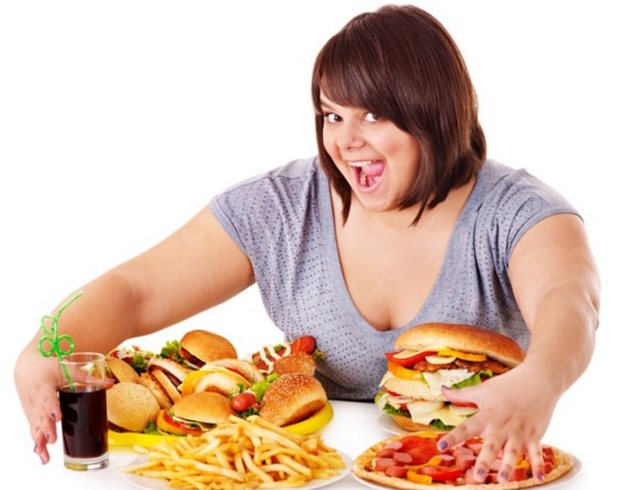
This story begins in an unusual place for an article about human nutrition: in a cramped, damp, warm room somewhere in the Department of Zoology building at the University of Oxford in England, filled with 200 migratory locusts, each in its own plastic box.
It was there, in the late 1980s, that entomologists Stephen Simpson and David Raubenheimer began working together on an interesting study. They set out to raise these voracious insects to test whether or not they could be picky eaters.
Each day, Simpson and Raubenhaimer weighed each shrimp, and fed it precise amounts of powdered food containing varying amounts of protein and carbohydrates. To their surprise, the young scientists found that no matter what food the insects consumed, they ended up eating almost exactly the same amount of protein.
In fact, shrimp fed diets containing low levels of protein ate so much in order to meet their protein target that they ended up becoming obese. Of course, not chubby on the outside, as their exoskeleton does not allow for inflation, but full of fat on the inside.
This prompted Simpson and Raubenhaimer to wonder if something similar might be causing the documented increase in obesity in humans. In fact, many studies have reported that even as our consumption of fat and carbohydrates increased, that of protein did not. Could it be that, like the shrimp, we are tricked into eating too much and too little protein? Raubenhaimer and Simpson think so.
Mr. Simpson, you argue in your book that ultra-processed foods are likely to cause us to consume too many calories. Why?
Over the past few years, data has shown that the average person in the US, Australia or Britain gets more than half of their calories from highly processed foods. In some cases this accounts for 90 percent or more. As the percentage of ultra-processed food in the diet increases, protein consumption remains largely the same, but energy intake increases significantly due to the dilution of protein by fats and carbohydrates in these foods.
So the appetite for protein that we first discovered in shrimp also appears in us humans. And in our modern food environment, this drives us to consume more energy, creating a vicious cycle. What we find in the book, is that as people become obese, their metabolism becomes dysregulated.
Their tissues become less responsive to insulin, which normally regulates protein metabolism. This makes protein metabolism less efficient, causing the body to break down lean tissue such as muscle and bone, and burn protein for energy.
This causes people to eat even more, gain more weight, have an even more disordered metabolism, start wanting more protein, etc.
Many highly processed foods have a pleasant taste that mimics that of protein-rich foods. But they often have a very low protein content. Since they stimulate our appetite for protein without satisfying it, we are tempted to eat far more than is good for us.
Why is protein the strongest stimulator of our appetite?
Të tre ushqyesit kryesorë - yndyrat, karbohidratet dhe proteinat - përmbajnë kalori. Në këtë mënyrë, ne mund të djegim cilindo prej tyre për të prodhuar energji, dhe mund të përdorim cilindo prej tyre për të prodhuar glukozë, e cila është ‘karburanti’ i preferuar për qelizat dhe trurin tonë.
Por vetëm proteina ka azot, për të cilin ne kemi nevojë për shumë qëllime të tjera, nga mbajtja në punë e qelizave tona deri tek prodhimi i pasardhësve. Por pse hamë më pak kalori sesa na duhet në një dietë të pasur me proteina, në vend se të hamë proteina të tepërta?
Nga një studim tjetër me mizat e frutave, në zbuluam se ato jetuan më gjatë me një dietë me pak proteina dhe me nivele të larta të karbohidrateve. Kjo përmbysi 100 vite supozime rreth kufizimit të kalorive dhe plakjes. Sepse pikëpamja mbizotëruese ishte se reduktimi i kalorive të zgjat jetën. Por të dhënat tona treguan se ka rëndësi lloji i kalorive që konsumojmë, sidomos raporti i proteinave me karbohidratet.
Nëse problemi kryesor është përmbajtja e ulët e proteinave dhe fibrave, a do të ndihmonte rritja e nivelit të tyre në ushqimet shumë të përpunuara?
Shkenca e ka shtyrë tashmë industrinë në drejtime që nuk janë krejtësisht të dobishme. Industria e ushqimeve me përmbajtje të lartë proteinash është një shembull. Nëse kjo gjë do të ndihmojë apo jo përfundimisht në lidhje me shmangien e obezitetit, kjo është për momentin më pak e qartë.
Edhe të gjitha dietat më të suksesshme që rekomandohen sot përmbajnë shumë proteina. Por asnjëri prej tyre nuk merr parasysh faktin se një dietë me proteina më të larta, ka potencialisht një kosto. Siç e kemi treguar fillimisht tek mizat dhe minjtë, një raport më i lartë proteinë-karbohidrat nga sa kemi nevojë, e përshpejton plakjen në indet tona. Pra nëse vuani nga obeziteti dhe diabeti, përfitimet e një diete të pasur me proteina për sa i përket humbjes së peshës, mund t’i tejkalojnë kostot.
Pra ju do të rekomandonit konsumimin e më shumë fibrave dhe më pak karbohidrate dhe yndyrna, në vend të më shumë proteinave? Si ndikon kjo në zgjedhjen tuaj të ushqimeve jashtë orarit të vakteve normale?
I have a great love for food, cooking. But avoid ultra-processed foods and drinks in any case. As a family, we eat whole foods, lots of fruits and vegetables, legumes, nuts and whole grains, as well as dairy and high-quality meat, fish and poultry. There are many ways to have a nutritionally balanced and delicious diet without the need to use apps or software. After all, no species in the history of life on Earth has needed them./ Adapted from CNA.al
Taken with cuts

The effects of vaccines are being taken very seriously...

Widespread loneliness in the United States poses as deadly...

Organizata Botërore e Shëndetësisë (OBSH) po monitoron...
In Albania, the Tirana prosecutor's office is expected to ...

The Minister of Health and Social Protection, Ogerta M...
Disa nga dietat ushqimore më të famshme në botë, janë gjit...
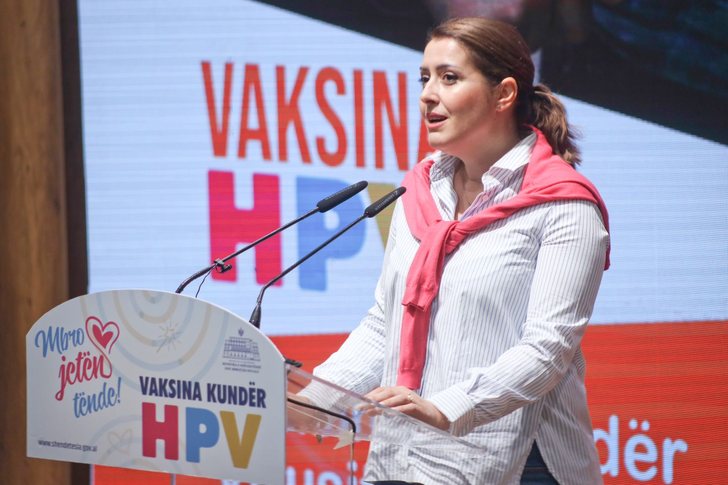
Në Kuadër të Javës Evropiane të Imunizimit, Ministrja ...
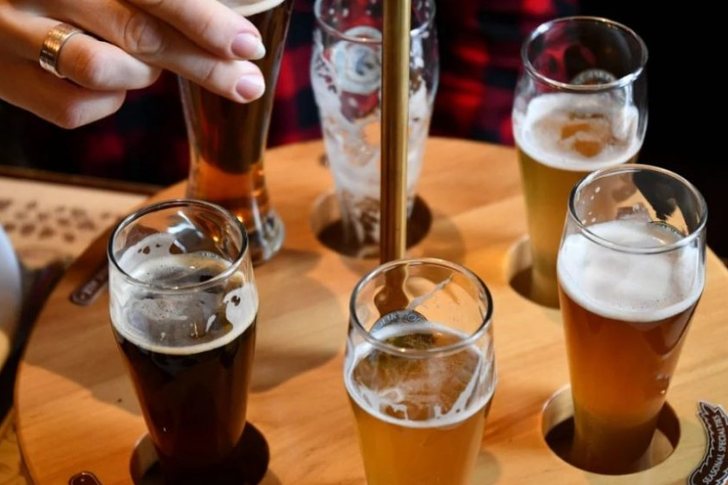
Beer is rich in nutrients such as amino acids, carbohy...
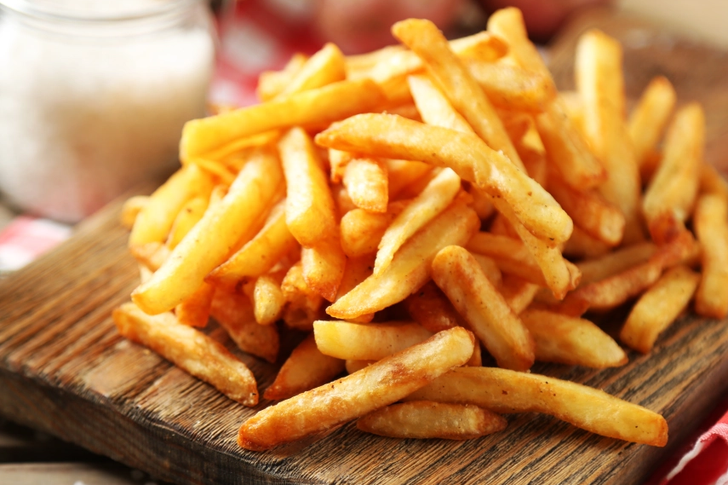
For those who can't resist fries, the news is not good. F...
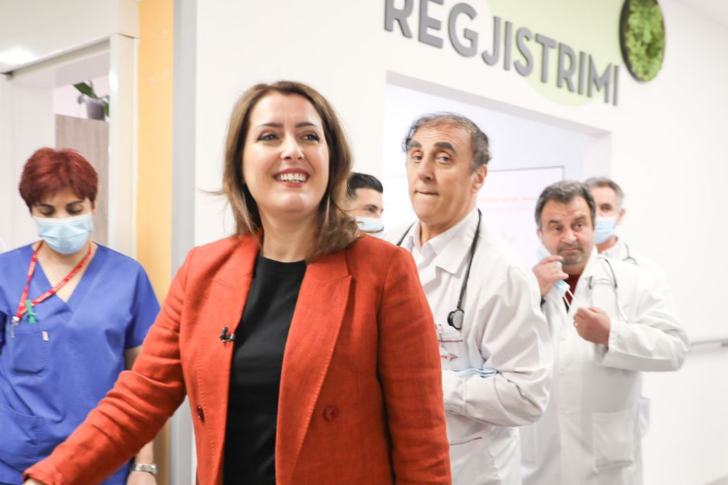
The Multipurpose Emergency is opened at the Central Hospit...
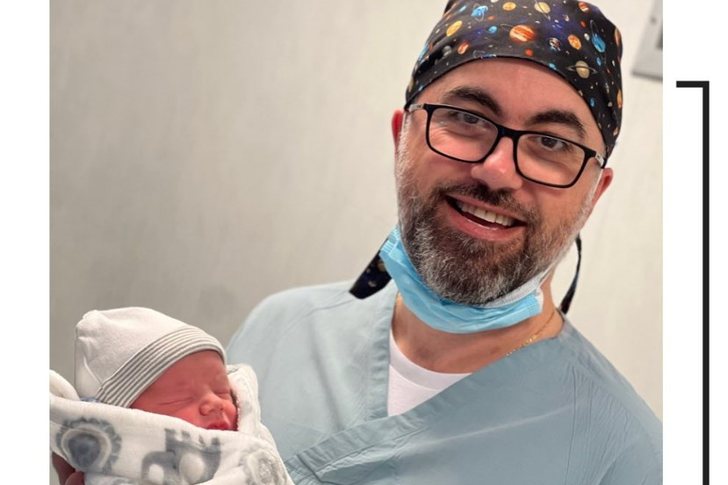
The In Vitro Fertilization team at the American Hospital h...

The Minister of Health and Social Protection, Ogerta M...
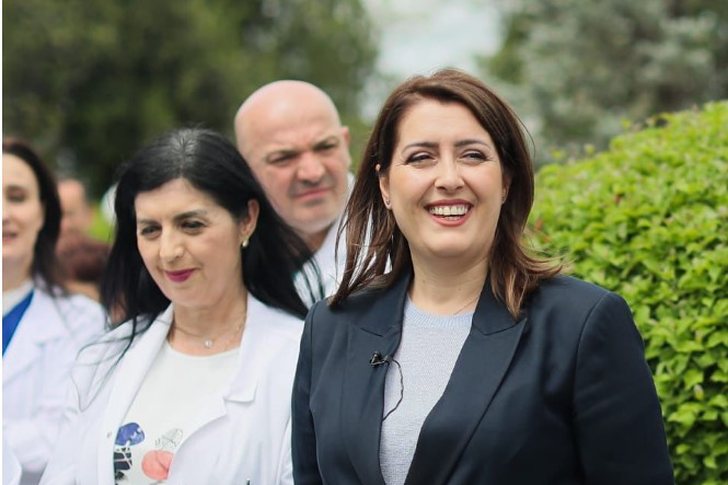
After the "Mother Teresa" University Hospital Center, ...
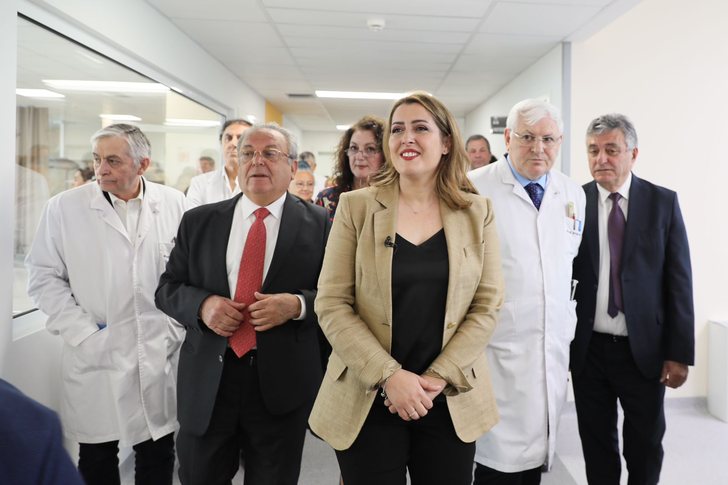
The Cardiology Service is opened at the Central Hospital a...

The World Health Organization from a study of its own ...
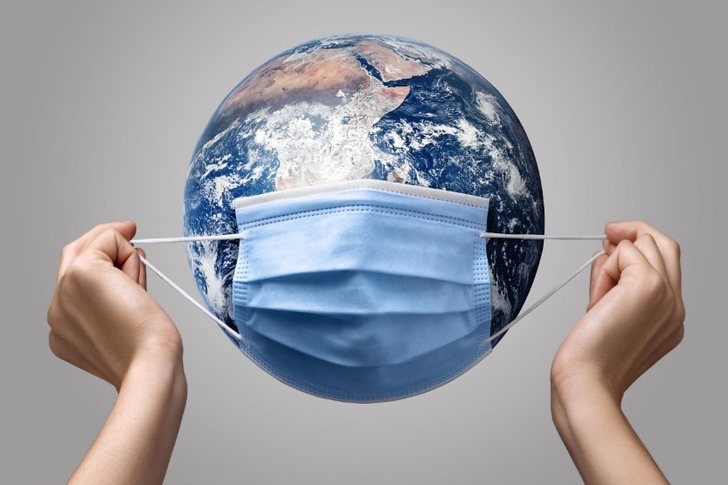
None of us want to experience anything like the Covid-...

It is known that a high body mass index (BMI) has nega...
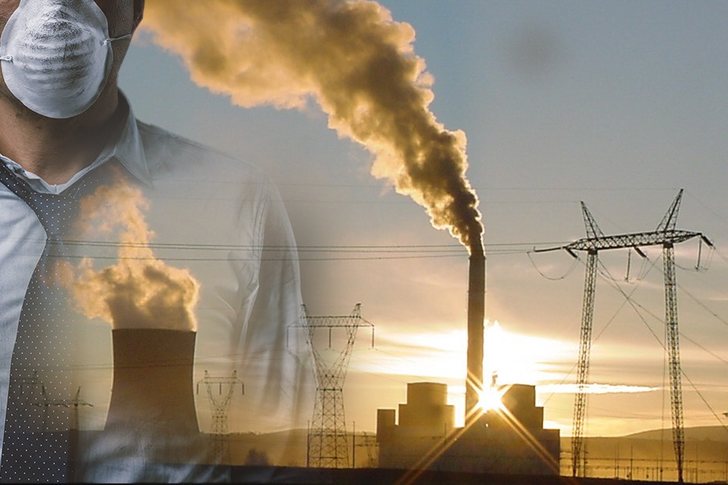
From birth to old age, air pollution damages our health...
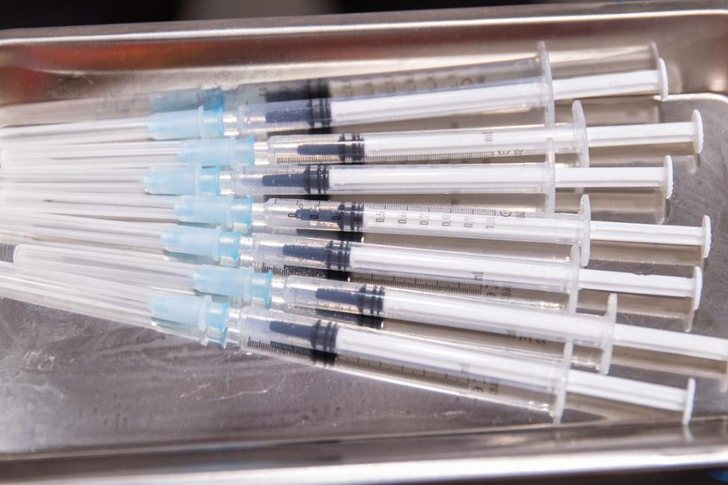
Nearly 200 lawsuits have been filed in Germany against...

The imaging fleet in the new Pediatric Hospital at QSU...

The in-depth investigations that SPAK conducted into Ajola...

SPAK's standards, the way it investigates, how it secures ...

Irfan Hysenbelliu claims to be a big businessman, an hones...

The murder of officer Enea Mekolli in the line of duty has...

The Special Board of Appeal (KPA) decided this Monday ...

The KPA vetting decided this Thursday to dismiss the p...

Suela Salavaçi, a prosecutor in the Prosecutor's Offic...

The Special Board of Appeal reinstated the prosecutor ...

The State Police has revealed details from the operation i...

A serious road accident occurred this morning on the Vlora...

Other details have been revealed from the crime that occur...

Policia e Tiranës ka ndarë pak minuta më parë një thirrje ...
Today our country will be affected by relatively unstable ...

On Monday, our country will be affected by relatively stab...
More than 860 million people fall ill and 1.5 million die ...
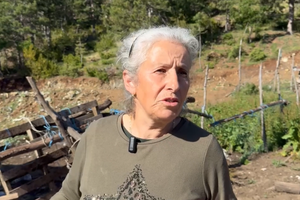
The mother of Violand Braçellari, the perpetrator of the s...

In 2025, 65 conflicts involving at least one state were re...

Historiani i njohur amerikan Gordon S. Wood, fitues i çmim...

Germany and France finally ended the joint project to deve...

Chilean authorities have seized more than 100 tons of drug...

Korça has transformed this weekend into the capital of cel...

Korça is ready to open the summer season with one of the c...

Two years after his passing, the renowned Korçë poet Skënd...

The Ethnographic Museum of Berat has opened its doors to v...
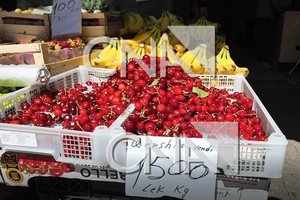
Inflation has increased in May, rising to 3% compared to 2...

Exchange rate, June 8, 2026 This Tuesday, one US dollar is...

At the end of 2025, for all euro area members, more than 9...
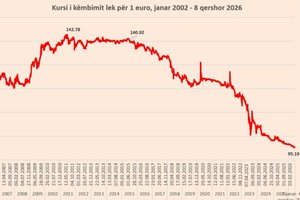
Kursi i këmbimit mes euros dhe lekut e ka nisur javën në r...