


Visit to Athens/ Peleshi, meeting with the Greek counterpart, focusing on relations between the two countries and European integration
Following the parliamentary diplomacy tour and contacts wi...

Following the parliamentary diplomacy tour and contacts wi...

Democracy for Development (D4D) of Kosovo has published the challenges and problems faced by women and their importance in society, from five regions, Kosovo, Albania, Montenegro, North Macedonia and Serbia.
The Minister of Economy, Artane Rizvanolli, has said that Kosovo has a lot to be proud of, due to the fact that the percentage of women in employment has increased.
"We have 40 percent of the involvement of girls in the labor market, we have very good representations. Since the fight against gender-based violence, measures for the employment of victims of sexual violence have been eased. The results are impressive with the increase in women's employment from 13 percent to 18 percent."
She added that the employment participation of women on boards has also increased.
"We have increased the participation of women on boards from 10 percent to 45 percent and we intend to make it to 50 percent. We have supported mothers who provide for their own lives by 50 percent, we have subsidized 2438 women. We aim for 5 percent of properties to be given as an additional affirmative measure in free property registration. There are 10 million dollars for the inclusion of women in the energy efficiency sector", said Rizvanolli.
The Deputy Minister of Finance, Labor and Transfers, Agon Dobruna, said that we implemented the measure for the employment of women, which benefited 6,000 women.
"On the super work platform, gender equality has been maintained, with more than 50 percent of women beneficiaries. 240 vouchers for information technology, where they have attended over 300 hours of training, 240 trained in the IT sector. 44 profitable businesses are many from women. At the end of 2023, 151 thousand employed women, a trend that continues to grow".
The Chief Executive Officer of the Agency for Gender Equality, Edi Gusi, said that the role of women continues and remains important in our society, stressing that women in society have often proved to be an influential factor.
"Obligations and responsibilities remain in taking care of the family, keeping them in good company. Women are facing loss of jobs, this underestimation is closely related to women's responsibility. The deeper the policy gap, the more disturbing the condemnation of being a woman becomes, all of which affirms the necessity of women's work. In building solidarity among women, women have often proven themselves to be agents of change. We need new platforms. The Agency for Equality remains open to regional cooperation to learn from experience, why not from failures".
Judita Krasniqi Hajdari, from Democracy for Development (D4D), said that women often lack the confidence to work.
"We as a civil society should also be based on the formulas that have been applied in the region and copy from each other for the better. As a start, we started the basis of the position of women in the countries of the Western Balkans, to talk about the unpaid work of women in the labor market. Often women do not have the confidence to do any work in the labor market. In Kosovo and the region, we focus on bringing out the experiences of women in the managerial aspect. Women have received the support they expected both in rural and regional countries, they have enhanced important elements of women that they need," she said.
Meanwhile, Kristjan Trajkovski, from the Center for Research and Policymaking, from North Macedonia, said that there is still a lot of work to be done in order to strengthen the position of women in society, and one of the examples that should be followed, he said, is President Osmani.
"The situation is worse than it seems, we have two large municipalities and if we analyze 301 candidates, only 20 percent were women. Let's hope that such a model will influence young women", he said.
Trajkovski said that if we make a comparison, the woman years ago had a hard time getting a job, but today it is different, she has many opportunities, but she lacks security.
"We have researched the position of women, only five of the ministries are led by women and it is a small number. The situation is worse than it seems, we have two large municipalities and if we analyze 301 candidates, only 20 percent were women. Educational institutions in the country still compete with various companies to provide opportunities to achieve as much as possible. 20 years ago it was very difficult to find a job, but these days women have freedom in finding a job, they have uncertainty and fear".
And Jelena Kojashi, from the Center for Research and Policy Making (CRPM), Albania, said that women are concerned about discrimination in the workplace, and face the lack of monitoring and networking plans.
"The nature of women's experiences is varied, they are concerned about the lack of monitoring and networking plans. The participants emphasized lack of work in general, to cases of discrimination in the workplace. It is important to include the Code of Ethics in the workplace. Women and girls who have high positions in the workplace emphasized that monitoring is important. We made a questionnaire, many women do not have access to the monitoring program," she said.
Andela Lucic, from the Institute for Strategic Studies and Prognosis (ISSP) from Montenegro, said that every citizen there believes that gender equality cannot be achieved and believes that employment has legal rights.
"Resistance of citizens, 60 percent believe that women should work at home. Women make up 1/3 of the positions. "Women in Montenegro, 50.6 percent, are half of the unemployed, 86 percent of men and 73 percent of women," she said.
"In the legislation part, the parliament of Montenegro has 19 women, that is 23 percent. "Montenegro aims to have international plans and laws regarding equality," Lucic added.
Svetlana Stefanovic, BFPE for Responsible Society from Serbia, said that women's participation in decision-making is important.
"We don't recognize the importance of the rights that some women fight for. We face discrimination at the local level. Women do not fight for their rights, we do not have good policies regarding gender equality. 350 asked by the questionnaire, it is said that 37 percent of women still do not have equal opportunities with men. 32 percent of them have some monitoring program at the beginning of their career. We face challenges when we want to rise to a position, they have bad experiences"./ Monitor

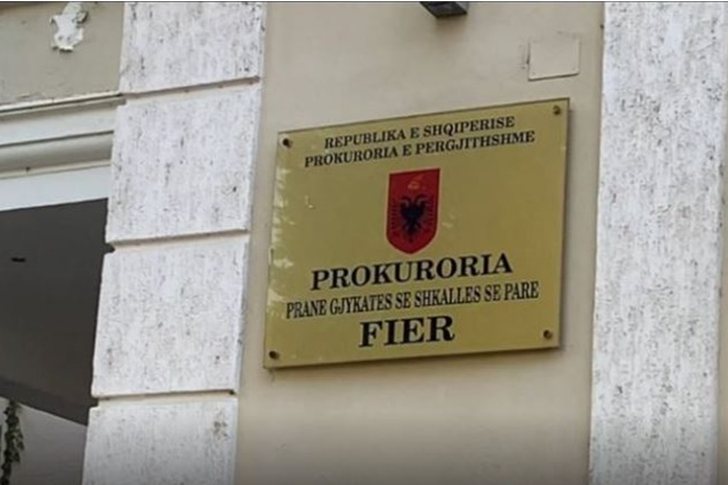
On 13.05.2024, the Prosecutor's Office at the Court of Fir...
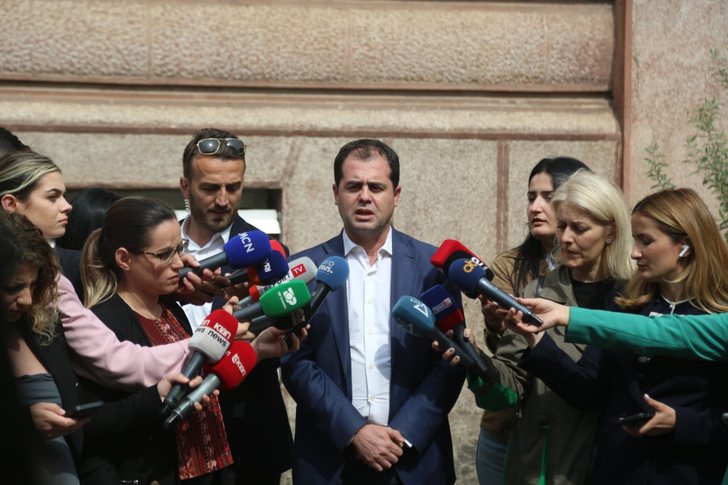
The vice-president of the DP, Oerd Bylykbashi, in a statem...
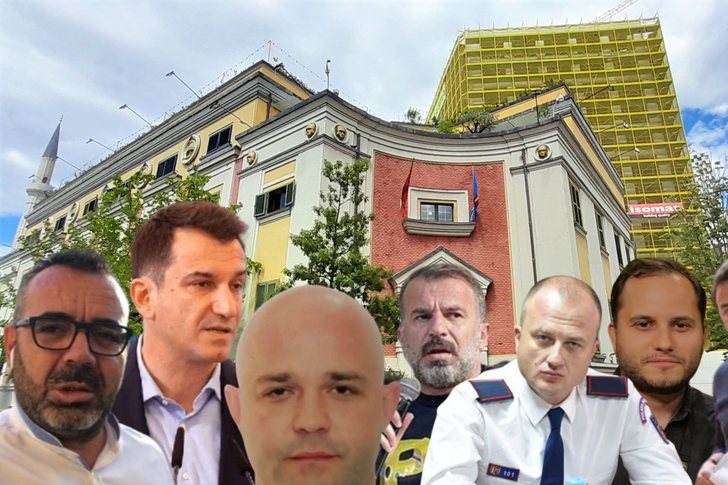
The "5D" file is one of those successful SPAK investig...
For several weeks, CNA has discovered another shady sc...
The Special Prosecutor's Office has closed the investigati...
In today's session at GJKKO, the request for financial...
Prime Minister Edi Rama, in a post on social networks, has...
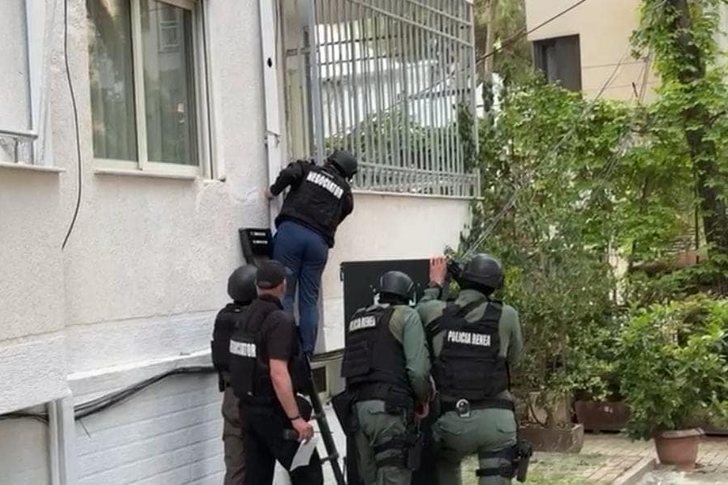
The Durrës police have given details about the arrest ...
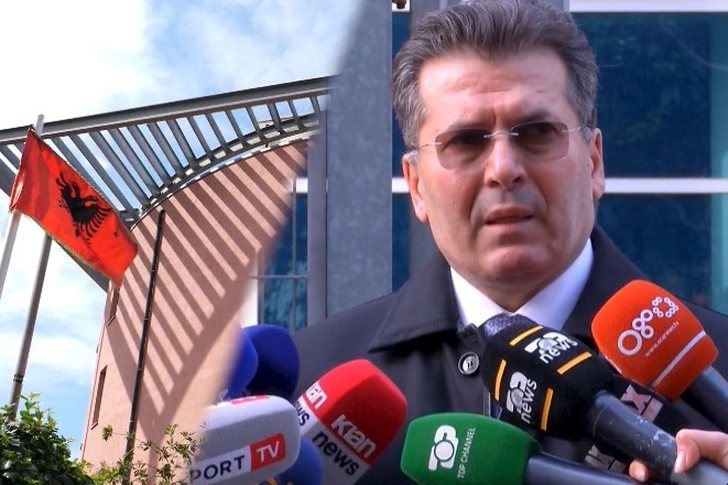
There were tensions and clashes in today's session for...
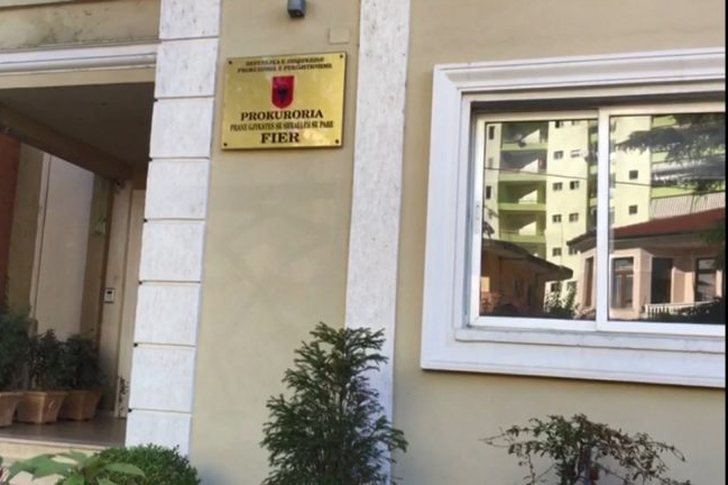
The Prosecutor's Office of Fier has completed the investig...
On Wednesday morning, Democratic Party deputy Luan Baç...

Today, the 28-year-old policeman, Novruz Cenalia, who ...
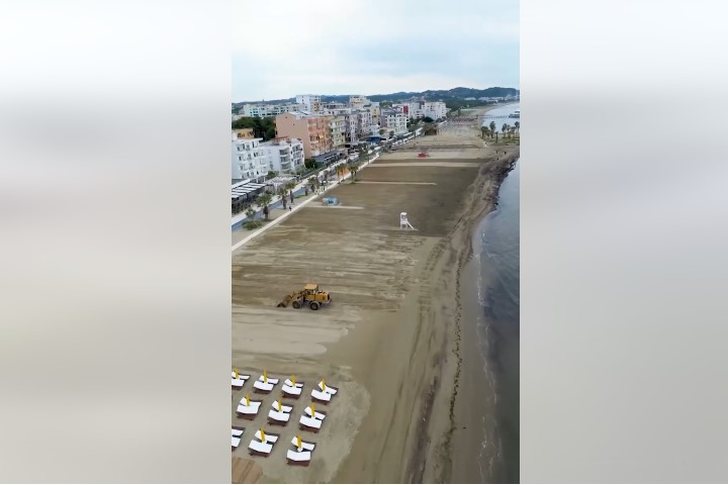
Prime Minister Edi Rama, this Wednesday morning, published...
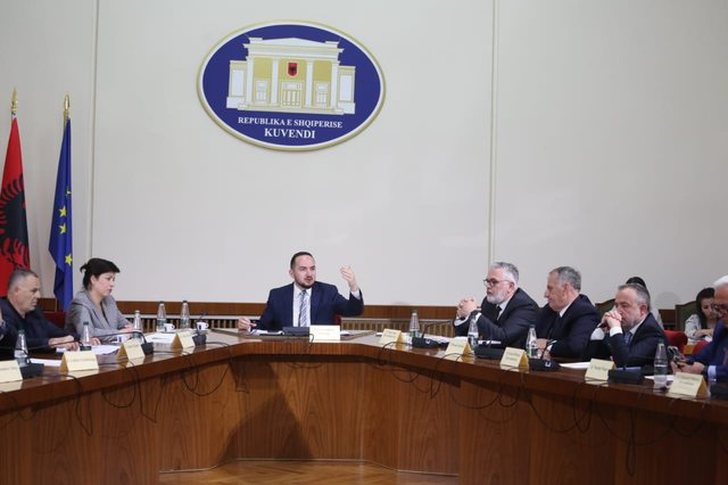
This Wednesday, 3 Parliamentary Commissions will meet, tha...

This Wednesday we are introducing you to some of the main ...
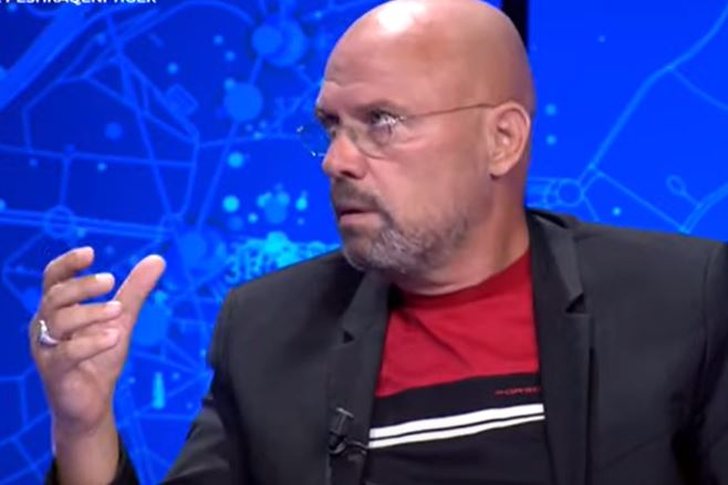
Former minister Ylli Manjani commented on the meeting ...

Model Adrola Dushi and moderator Orinda Huta faced an unpl...
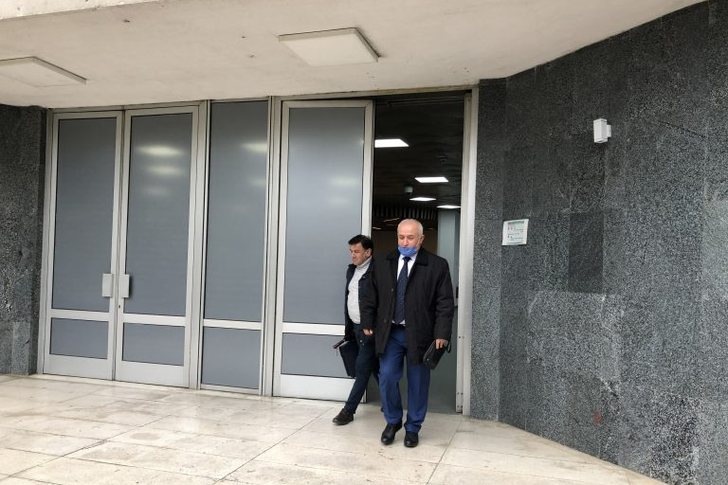
The Special Board of Appeal, KPA announced on Tuesday,...
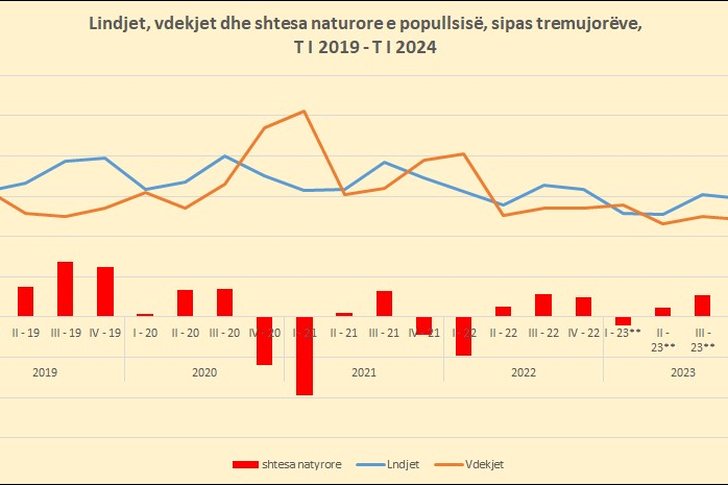
According to the official INSTAT figures, they reveal that...
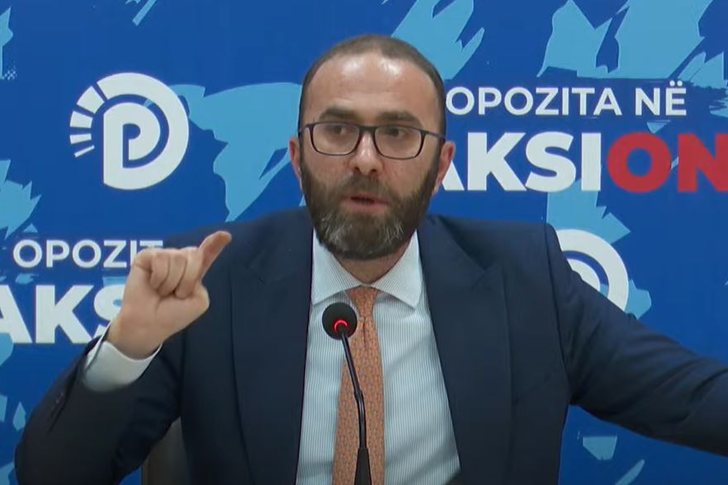
The Special Prosecutor's Office has summoned the head ...
Dritan Prençi is the SPAK prosecutor who is sleeping on th...
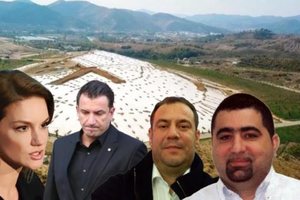
The in-depth investigations that SPAK conducted into Ajola...
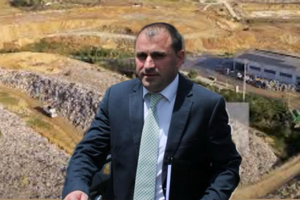
SPAK's standards, the way it investigates, how it secures ...

Irfan Hysenbelliu claims to be a big businessman, an hones...

The Special Board of Appeal (KPA) decided this Monday ...

The KPA vetting decided this Thursday to dismiss the p...

Suela Salavaçi, a prosecutor in the Prosecutor's Offic...

The Special Board of Appeal reinstated the prosecutor ...
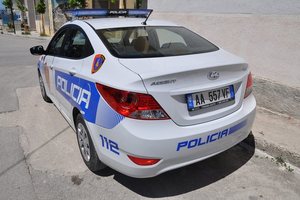
As a result of intensive investigative and operational act...
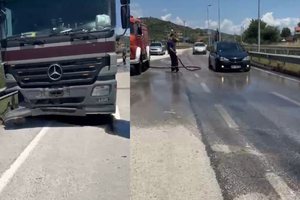
A road accident was recorded this Tuesday on the Elbasan-P...
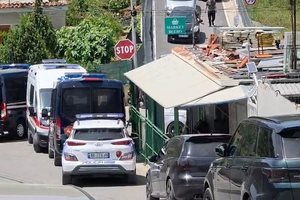
New details have emerged regarding the murder that occurre...

The State Police has revealed details from the operation i...
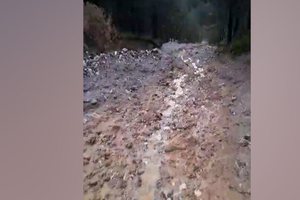
Intense rainfall has caused numerous problems in the Radom...
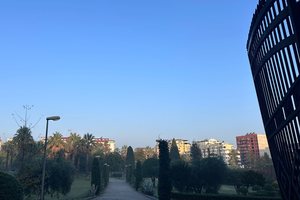
Today our country will be affected by relatively unstable ...

On Monday, our country will be affected by relatively stab...

More than 860 million people fall ill and 1.5 million die ...
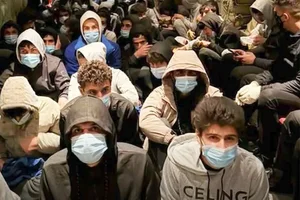
More than 300 migrants from Iraqi Kurdistan, who were tryi...
The United States said it will carefully monitor those in ...

Oil prices are falling after Israel and Iran have halted r...
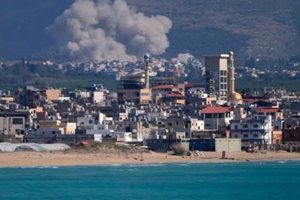
Israeli military forces have launched new attacks on the c...

Korça has transformed this weekend into the capital of cel...
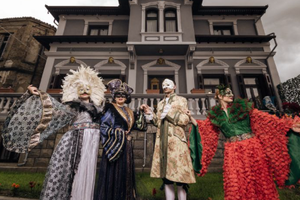
Korça is ready to open the summer season with one of the c...
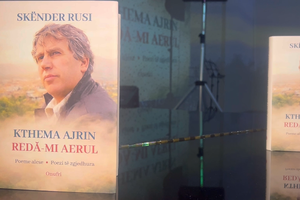
Two years after his passing, the renowned Korçë poet Skënd...
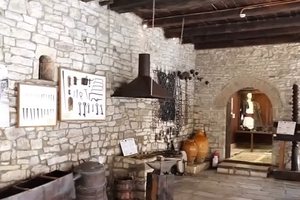
The Ethnographic Museum of Berat has opened its doors to v...
Improving the performance of public parking lots in Vlora,...
Inflation has increased in May, rising to 3% compared to 2...

Exchange rate, June 8, 2026 This Tuesday, one US dollar is...

At the end of 2025, for all euro area members, more than 9...